Black Dalea
Dalea frutescens
Last reviewed: August 2026
Dalea frutescens is a drought tolerant shrub that blooms with purple flowers from June through November, thriving in full sun and attracting bees and butterflies.
Toxicity unknown
Black Dalea (Dalea frutescens) is not listed by the ASPCA Animal Poison Control Center (opens in new tab) or the other sources we check, so we have no verdict for it either way. Absence from those lists is not a clearance. If your pet shows symptoms after eating any plant, call the ASPCA at (888) 426-4435.
Light
full sun
Water
low
Size
12"–36" H × 12"–36" W
Bloom
Jun, Jul, Aug, Sep, Oct, Nov
Native to
NM, OK, TX
Pollinators
butterflies, bees, nectar insects
Before you buy
Your city may pay you to plant this
Cities and water utilities offer rebates for replacing lawn with native and water-wise plants. We track 452 programs across 44 states, each with a link to the provider and the date we last checked it.
Find rebates in your areaBrowse plants for this ecoregion
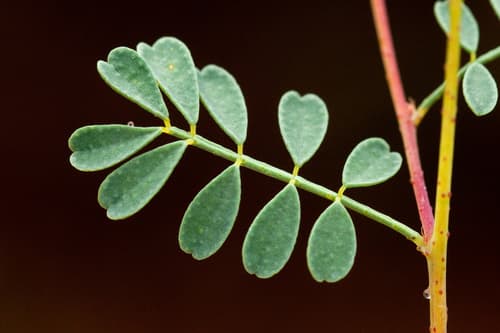
Black Dalea is a compact native shrub that produces clusters of small purple flowers from summer through fall. This drought-tolerant plant maintains a neat, rounded form and requires minimal water once established.
Growing Black Dalea
Grow Black Dalea in full sun and low water. Mature plants reach 12 to 36 inches tall and spread 12 to 36 inches wide. Expect moderate maintenance to keep it looking intentional in a front yard.
How to care for Black Dalea, by region
How to care for Black Dalea where it is actually grown: year-round basics plus what to do each season, region by region, with the sources for each.
Care guidance last updated: July 2026
Cross Timbers (includes Fort Worth, TX)
Year-round
Black Dalea is a small, low-mounding native shrub that stays tidy on its own once it settles in. It wants full sun, well-drained soil, and very little water once established.
- Plant in full sun in a spot with fast-draining soil, it struggles in soggy or heavy-clay spots that hold water after rain
- Water deeply once or twice a week for the first growing season, then cut back to occasional deep watering during dry stretches after that
- Skip fertilizer, feeding pushes weak, floppy growth and fewer flowers
- Give it 3 to 4 feet of space, it naturally forms a rounded mound about knee to waist high and just as wide
- This shrub is native to North Texas and is a larval host plant for the Southern Dogface butterfly, so caterpillars may nibble the foliage, this is expected and not a plant health problem
Fall
Fall is Black Dalea's showiest season, covered in small purple flower spikes that draw bees and butterflies right through North Texas's cooler, wetter autumn weather.
- Peak bloom runs roughly August through November, expect a haze of small purple flower heads along the stem tips
- No deadheading needed, let the flowers finish and go to seed on their own
- This is also a good window to plant a new one if you missed spring, cooler fall temperatures and North Texas's autumn rain are easier on new roots than summer heat
- Leave the caterpillars alone if you spot them, they are Southern Dogface butterfly larvae feeding on the foliage and the plant tolerates it
A shrub covered in small purple blooms with visible pollinator activity reads as a deliberately planted flowering shrub, not an overgrown patch, no extra grooming needed to keep it looking intentional.
Winter
Black Dalea drops its leaves and goes dormant in winter. This is the one season it needs a hands-on trim to stay compact and dense next year.
- Once leaves have browned and dropped (typically December or January in North Texas), cut the whole shrub back by about a third to half its height
- Skip watering during dormancy except during an extended dry spell with no rain for several weeks
- It tolerates North Texas's mild winters and short hard freezes without protection once established, an unusually severe Arctic outbreak can burn back stems, but the plant typically resprouts from the base in spring
- Do not fertilize in winter, wait until active spring growth resumes
A bare, cut-back shrub in winter can look like neglect from the street, a fresh layer of mulch around the base signals it is a maintained bed, not an abandoned one.
Spring
Spring is when Black Dalea pushes fresh, feathery gray-green growth after its winter cutback. This is the best window to plant a new one in North Texas.
- Plant in March or April once the last frost has passed (mid March in North Texas) so roots have time to establish before summer heat
- If you cut the shrub back in late winter, new growth should be filling in by April, water deeply once a week while it re-leafs
- In the sandier, faster-draining soils west of the metro, check soil moisture at 2 inches deep before watering a new planting, it dries out quicker than clay
- Hold off on fertilizer even for new plantings, it is adapted to lean soil
Fresh spring growth on a newly cut-back shrub can look sparse for a few weeks, mulching around the base keeps the bed looking intentional and tended while it fills in.
Summer
Once established, Black Dalea handles North Texas summer heat and drought with little help. New plantings still need regular water through their first 100-degree stretch.
- An established shrub (in the ground a full year or more) usually needs no supplemental water beyond normal rainfall, even through July and August dry spells
- A first-summer planting still needs a deep soak once or twice a week during the hottest, driest weeks so it can build roots
- Do not plant new Black Dalea during peak summer heat if you can wait for fall, the stress from 100-plus afternoons is hard on new roots
- Watch for light purple, pea-like blooms starting to open along the branch tips as summer moves into fall
Sources: Lady Bird Johnson Wildflower Center: Dalea frutescens, Native Plant Society of Texas: Dalea frutescens
Texas Blackland Prairies (includes Dallas, TX)
Year-round
Black dalea is a small, wiry shrub that stays low and easy once it settles in. In the Dallas area the main thing to get right is drainage, because it hates sitting in wet clay. Give it full sun, water it deeply while it roots in, then mostly leave it alone.
- Plant it in the sunniest, best-draining spot you have. In heavy Blackland clay, work in some coarse grit or plant on a slight mound so water runs off the roots.
- Once established it is drought tolerant and needs little water. Skip the fertilizer, since overwatering and feeding make it leggy, weak, and light on flowers.
- A thin layer of gravel or a light wood mulch keeps roots cool without holding moisture against the crown. Keep mulch pulled back a few inches from the stems.
- Common mistake here is treating it like a thirsty perennial. Too much water in our clay is the fastest way to lose it.
Fall
Fall is the show. In the Dallas area black dalea covers itself in tiny purple flowers from late summer through fall, and bees work it hard. Mostly you just enjoy it and leave it standing.
- Leave the flowers up through fall. They feed bees late in the season when little else is blooming (Xerces Society).
- No cutback yet. Wait until late winter so the plant keeps a full, living look through the cool months.
- Water is rarely needed now as temperatures drop. Let fall rain do the work.
A plant left in full purple bloom reads as intentional and cared-for to neighbors and an HOA, so there is no reason to tidy it early in fall.
Winter
Late winter is the main pruning moment in the Dallas area. Cutting it back now keeps the plant compact and dense and sets up a heavier flush of flowers. It is cold hardy here and handles our winter lows fine.
- In late winter to early spring, prune back by one-third to one-half every one to two years. This keeps it bushy and encourages more bloom.
- If it has gotten leggy and twiggy, shear the thin outer branches back harder to bring the size and shape back in.
- It is hardy to about 15 degrees Fahrenheit or lower, so no winter protection is needed in the Dallas area.
Doing the hard cutback in late winter, when yards are dormant and no one expects lush growth, keeps a bare stub period from reading as neglect and avoids a tidiness complaint.
Spring
Spring is your window to shape the plant and get new growth going in the Dallas area. If you skipped the late-winter cutback, you can still do it in early spring before it leafs out heavily. Water new plantings to help roots establish before summer heat.
- If you did not already, prune back by one-third to one-half now, before or as it starts new growth, to keep it compact and full.
- This is the best time to plant a new one so roots settle in before the harsh summer. Water it in deeply after planting.
- Hold off on fertilizer. It grows better lean, and feeding just makes floppy, sparse growth.
Summer
Dallas summers are hot, and black dalea loves the heat once it is established. An established plant needs almost no water through summer. A first-year plant is the exception and needs an occasional deep soak.
- Established plants: water rarely, only during a long dry stretch, and let the soil dry out between soakings. Standing water in summer clay is the biggest risk.
- First-year plants: give a deep soak every week or two during the hottest weeks while roots fill in.
- Do not fertilize in summer. Lean, dry conditions give you the fullest plant and the most flowers heading into fall.
Sources: Lady Bird Johnson Wildflower Center Dalea frutescens, Native Plant Society of Texas Dalea frutescens, Xerces Society pollinator conservation resources, High Plains Gardening Dalea frutescens
Want these tasks as reminders timed to your yard? Pollinator Patch turns this guidance into a season-by-season care plan for the plants you actually grow.
In an HOA neighborhood
Black Dalea is an HOA-friendly choice in the right placement. Maintenance level: moderate. Tidiness: 4 out of 5.
Works well in: foundation, mid zone.
- Requires annual shaping to stay compact
Wildlife value
The long blooming period provides nectar for butterflies, bees, and other beneficial insects from June through November. This makes it an excellent pollinator plant for supporting local ecosystems.
Common questions
- How much water does Dalea frutescens need?
- This shrub is drought tolerant and does well with low supplemental water once it is established, making it a good fit for dry, sunny landscapes.
- When does Dalea frutescens bloom?
- It typically flowers from June through November, producing spikes of small purple blossoms over the warm months.
- What pollinators visit Dalea frutescens?
- Bees, butterflies, and other nectar seeking insects regularly visit its flowers for nectar.
- What light does Dalea frutescens need to grow well?
- It grows best in full sun and can also tolerate some part sun conditions without a major drop in flowering.
- Is Dalea frutescens evergreen?
- No, it is deciduous and drops its leaves during the cooler part of the year.
- Is Black Dalea HOA-friendly?
- Black Dalea is generally an HOA-friendly choice in the right placement, with moderate maintenance.
These answers were drafted with an AI model from this plant's data. Verify care details with a local expert.
Native range data from vouchered herbarium specimen records and regional native plant society lists. Pollinator and host plant associations compiled from GBIF, iNaturalist, and published ecological literature.
If something looks wrong
Common plant problems, and what to check first
These come up on almost any plant. Each guide lists the likely causes in the order they are worth ruling out, with one thing to check before you act on any of them, and links to the source it came from.
- It is dying right after planting
- Leaves turning yellow
- Wilting even though I watered it
- Brown crispy leaf tips
- Bugs on the plant
Ready to grow Black Dalea? Add it to your garden in Pollinator Patch to track it and get season-by-season care guidance.
Planning a bed around it? Start a free plan with this plant
Not sure where to start? Take the 2-minute yard quiz