Sand cordgrass
Sporobolus bakeri
Last reviewed: September 2026
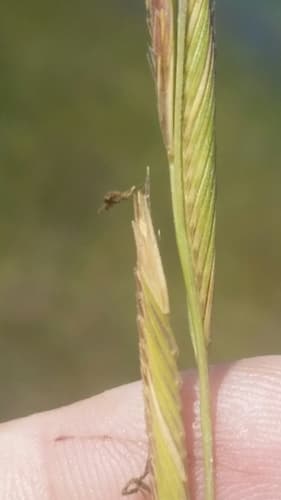
Sporobolus bakeri is a warm-season bunchgrass found in moist pine flatwoods and coastal plain habitats, blooming from July through September with slender seed heads.
Toxicity unknown
Sand cordgrass (Sporobolus bakeri) is not listed by the ASPCA Animal Poison Control Center (opens in new tab) or the other sources we check, so we have no verdict for it either way. Absence from those lists is not a clearance. If your pet shows symptoms after eating any plant, call the ASPCA at (888) 426-4435.
Light
full sun
Water
high
Size
36"–60" H × 36"–48" W
Bloom
Jul, Aug, Sep
Native to
FL, GA, SC, TX
Before you buy
Your city may pay you to plant this
Cities and water utilities offer rebates for replacing lawn with native and water-wise plants. We track 459 programs across 44 states, each with a link to the provider and the date we last checked it.
Find rebates in your areaPicture natives in your own yard
Upload a photo of your yard and Patch Vision shows a rendering of it planted with natives for your region, like Sand cordgrass.


Browse plants for this ecoregion
A coarse, clump-forming perennial grass with narrow, arching blue-green blades and tall, narrow seed head spikes in late summer. Forms substantial clumps over time and requires consistently moist to wet soil, making it well suited to rain gardens, pond edges, or low spots that collect runoff.
Growing Sand cordgrass
Grow Sand cordgrass in full sun and high water. Mature plants reach 36 to 60 inches tall and spread 36 to 48 inches wide. Expect moderate maintenance to keep it looking intentional in a front yard.
How to care for Sand cordgrass, by region
How to care for Sand cordgrass where it is actually grown: year-round basics plus what to do each season, region by region, with the sources for each.
Care guidance last updated: September 2026
Cross Timbers (includes Fort Worth, TX)
Year-round
Sand cordgrass is a Florida wetland-edge native that Texas nurseries sell as a tough, low-fuss clumping grass for moist beds and pond edges, not as a Texas native planting.
- Plant it in full sun, at least six hours a day, for the densest, most upright clumps.
- Give it consistently moist soil. It handles both sandy ground that drains fast, like the Cross Timbers soils around Fort Worth, and heavier clay that holds water longer, like the Blackland Prairie soils around Dallas, as long as it is not stuck in a permanently soggy low spot against the foundation.
- Space new plants three to four feet apart since each clump widens a lot over a few years.
- This grass is native to Florida wetland edges, not Texas, so it will not count toward a native-only bed, but it is a solid, low-maintenance choice for a rain garden, pond margin, or moist border.
- No major pest or disease problems are known for this grass, so ongoing care mostly comes down to water and one yearly cutback.
Fall
Fall is a quiet season. Growth slows and the plant starts settling in for winter dormancy.
- Watering can taper off as temperatures drop and fall rain picks up.
- Let the flower spikes stay on the plant through fall. They dry to a warm tan color and add winter interest instead of looking messy.
- Do not cut the clump back now. Trimming in fall strips away the foliage that insulates the crown right before the coldest months.
- Cooler fall weather is an easier time to plant a new clump than summer heat, if you are adding one.
Leaving the dried seed heads and foliage up through fall instead of tidying the bed is deliberate, not neglect. Cutting back now removes the winter insulation the crown needs before freezes arrive, so it is worth leaving in place until the late-winter cutback.
Winter
Winter is about leaving the plant alone. The dried tan foliage is doing a job, not making a mess.
- Leave the tan winter foliage standing. It insulates the crown and gives birds cover, and removing it now takes that protection away right when a freeze is most likely.
- Fort Worth and Dallas sit right at the cold edge of this grass's comfort zone, so in a hard freeze, especially the low-to-mid 20s F, expect the top growth to brown out completely. That is normal winter dieback, not the plant dying, and it should resprout from the base in spring.
- Hold off on extra watering unless you hit several dry weeks in a row, since the plant is dormant and heavier clay soil around Dallas especially tends to hold enough moisture on its own.
- Once the hardest freezes are mostly behind you in late winter, that is the window for the yearly cutback, trimming the whole clump down to six to eight inches before new blades emerge.
Standing tan foliage can look bare next to neater winter beds, but it protects the crown from hard freezes, so it is worth keeping in place until the late-winter cutback rather than tidying it early.
Spring
Spring is when sand cordgrass pushes new blades fast, so any cutback that did not happen in late winter needs to be finished right away.
- If the yearly cutback did not happen in late winter, do it now, as soon as you see the first new green blades, trimming the old growth down to six to eight inches.
- Water new plantings two to three times a week this season while roots spread out, then taper off once you see strong new growth.
- Established clumps green up quickly now and need far less attention than a first-year plant.
- This grass tolerates being divided and moved in spring if you want to start a second clump elsewhere in the yard.
Summer
Summer is peak growing season, when the coppery flower spikes show up and water needs are at their highest.
- Give it a deep soak weekly if there has been no rain, more often the first summer while roots are still establishing.
- Full sun through summer keeps the clump dense and upright instead of flopping open in the middle.
- Coppery brown flower spikes appear on tall stalks through summer into fall. That is a normal bloom, not a sign of stress.
- Some tip browning during a long dry stretch is normal and not a reason to panic. A deep watering will green it back up within a couple weeks.
Sources: Florida Native Plant Society: Spartina bakeri, NC State Extension Gardener Plant Toolbox: Spartina bakeri, UF/IFAS Ask IFAS: Spartina bakeri (FP554), Baker Environmental Nursery: Spartina bakeri (Sand Cordgrass)
Texas Blackland Prairies (includes Dallas, TX)
Year-round
Sand cordgrass is a Florida wetland-edge native that Texas nurseries sell as a tough, low-fuss clumping grass for moist beds and pond edges, not as a Texas native planting.
- Plant it in full sun, at least six hours a day, for the densest, most upright clumps.
- Give it consistently moist soil. It handles both sandy ground that drains fast, like the Cross Timbers soils around Fort Worth, and heavier clay that holds water longer, like the Blackland Prairie soils around Dallas, as long as it is not stuck in a permanently soggy low spot against the foundation.
- Space new plants three to four feet apart since each clump widens a lot over a few years.
- This grass is native to Florida wetland edges, not Texas, so it will not count toward a native-only bed, but it is a solid, low-maintenance choice for a rain garden, pond margin, or moist border.
- No major pest or disease problems are known for this grass, so ongoing care mostly comes down to water and one yearly cutback.
Fall
Fall is a quiet season. Growth slows and the plant starts settling in for winter dormancy.
- Watering can taper off as temperatures drop and fall rain picks up.
- Let the flower spikes stay on the plant through fall. They dry to a warm tan color and add winter interest instead of looking messy.
- Do not cut the clump back now. Trimming in fall strips away the foliage that insulates the crown right before the coldest months.
- Cooler fall weather is an easier time to plant a new clump than summer heat, if you are adding one.
Leaving the dried seed heads and foliage up through fall instead of tidying the bed is deliberate, not neglect. Cutting back now removes the winter insulation the crown needs before freezes arrive, so it is worth leaving in place until the late-winter cutback.
Winter
Winter is about leaving the plant alone. The dried tan foliage is doing a job, not making a mess.
- Leave the tan winter foliage standing. It insulates the crown and gives birds cover, and removing it now takes that protection away right when a freeze is most likely.
- Fort Worth and Dallas sit right at the cold edge of this grass's comfort zone, so in a hard freeze, especially the low-to-mid 20s F, expect the top growth to brown out completely. That is normal winter dieback, not the plant dying, and it should resprout from the base in spring.
- Hold off on extra watering unless you hit several dry weeks in a row, since the plant is dormant and heavier clay soil around Dallas especially tends to hold enough moisture on its own.
- Once the hardest freezes are mostly behind you in late winter, that is the window for the yearly cutback, trimming the whole clump down to six to eight inches before new blades emerge.
Standing tan foliage can look bare next to neater winter beds, but it protects the crown from hard freezes, so it is worth keeping in place until the late-winter cutback rather than tidying it early.
Spring
Spring is when sand cordgrass pushes new blades fast, so any cutback that did not happen in late winter needs to be finished right away.
- If the yearly cutback did not happen in late winter, do it now, as soon as you see the first new green blades, trimming the old growth down to six to eight inches.
- Water new plantings two to three times a week this season while roots spread out, then taper off once you see strong new growth.
- Established clumps green up quickly now and need far less attention than a first-year plant.
- This grass tolerates being divided and moved in spring if you want to start a second clump elsewhere in the yard.
Summer
Summer is peak growing season, when the coppery flower spikes show up and water needs are at their highest.
- Give it a deep soak weekly if there has been no rain, more often the first summer while roots are still establishing.
- Full sun through summer keeps the clump dense and upright instead of flopping open in the middle.
- Coppery brown flower spikes appear on tall stalks through summer into fall. That is a normal bloom, not a sign of stress.
- Some tip browning during a long dry stretch is normal and not a reason to panic. A deep watering will green it back up within a couple weeks.
Sources: Florida Native Plant Society: Spartina bakeri, NC State Extension Gardener Plant Toolbox: Spartina bakeri, UF/IFAS Ask IFAS: Spartina bakeri (FP554), Baker Environmental Nursery: Spartina bakeri (Sand Cordgrass)
In an HOA neighborhood
Sand cordgrass is an HOA-friendly choice in the right placement. Maintenance level: moderate. Tidiness: 3 out of 5.
Works well in: mid zone.
- Requires consistently moist to wet soil and is best suited to rain gardens or pond edges rather than typical HOA beds
Wildlife value
Dense clumps provide nesting and shelter cover for birds and small wildlife, and seed heads are a food source for birds in fall.
Common questions
- When does Sporobolus bakeri bloom?
- Sporobolus bakeri typically blooms from July through September, sending up narrow seed stalks above its grassy clumps.
- How much water does Sporobolus bakeri need?
- This grass grows best in consistently moist to wet soil and does not tolerate prolonged dry conditions well.
- What light does Sporobolus bakeri require?
- It needs full sun with several hours of direct, unobstructed light each day to grow densely and flower reliably.
- Does Sporobolus bakeri attract specific pollinators?
- No specific pollinator associations have been documented for this grass, which is wind pollinated like most grasses in its genus.
- Is Sand cordgrass HOA-friendly?
- Sand cordgrass is generally an HOA-friendly choice in the right placement, with moderate maintenance.
These answers were drafted with an AI model from this plant's data. Verify care details with a local expert.
Native range data from the World Checklist of Vascular Plants (Kew). Pollinator and host plant associations compiled from GBIF, iNaturalist, and published ecological literature.
If something looks wrong
Common plant problems, and what to check first
These come up on almost any plant. Each guide lists the likely causes in the order they are worth ruling out, with one thing to check before you act on any of them, and links to the source it came from.
- It is dying right after planting
- Leaves turning yellow
- Wilting even though I watered it
- Brown crispy leaf tips
- Bugs on the plant
Ready to grow Sand cordgrass? Add it to your garden in Pollinator Patch to track it and get season-by-season care guidance.