Prairie Wildrye
Elymus canadensis
Last reviewed: October 2026
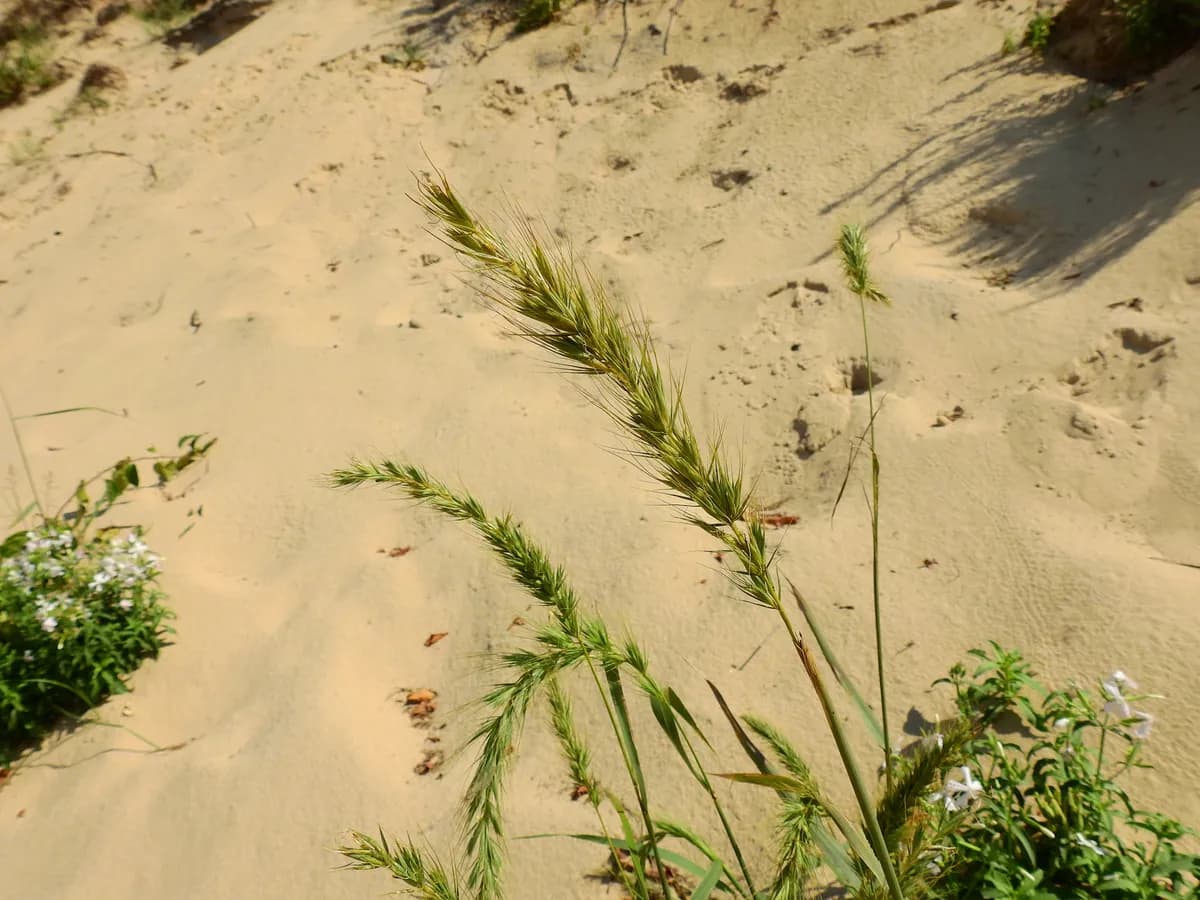
Elymus canadensis, or Canada wild rye, is a cool season bunchgrass that blooms from June through August and grows well in full sun to part shade across prairies, meadows and open woodlands.
Toxicity unknown
Prairie Wildrye (Elymus canadensis) is not listed by the ASPCA Animal Poison Control Center (opens in new tab) or the other sources we check, so we have no verdict for it either way. Absence from those lists is not a clearance. If your pet shows symptoms after eating any plant, call the ASPCA at (888) 426-4435.
The USDA PLANTS Database (opens in new tab) does not flag Prairie Wildrye as toxic to livestock.
Light
full sun
Water
medium
Size
24"–48" H × 12"–24" W
Bloom
Jun, Jul, Aug
Native to
AL, AR, AZ, CO and 40 more states
Pollinators
bees, beetles, butterflies
Deer
Resistant (per Prairie Moon Nursery)
Before you buy
Your city may pay you to plant this
Cities and water utilities offer rebates for replacing lawn with native and water-wise plants. We track 459 programs across 44 states, each with a link to the provider and the date we last checked it.
Find rebates in your areaPicture natives in your own yard
Upload a photo of your yard and Patch Vision shows a rendering of it planted with natives for your region, like Prairie Wildrye.


Browse plants for this ecoregion
Canada wild rye is a tall native bunchgrass that forms attractive clumps with arching blue-green foliage. It produces nodding seed heads in summer and turns golden tan in fall, providing four-season interest in the landscape.
Growing Prairie Wildrye
Grow Prairie Wildrye in full sun and medium water. Mature plants reach 24 to 48 inches tall and spread 12 to 24 inches wide. Expect moderate maintenance to keep it looking intentional in a front yard.
How to care for Prairie Wildrye, by region
How to care for Prairie Wildrye where it is actually grown: year-round basics plus what to do each season, region by region, with the sources for each.
Care guidance last updated: October 2026
Columbia Plateau (includes Yakima, WA)
Year-round
Year-round care for Canada wild rye around Yakima, WA: sun to part shade, well-drained soil, and moderate moisture.
- The Wildflower Center lists sun to part shade, and it can take half a day of shade.
- It grows in sand, loam, or clay with good drainage, and FEIS says it adapts to many soils, including low-fertility ground.
- Water needs are medium, and FEIS describes it as a cool-season perennial that prefers moist conditions.
- It goes summer dormant in drought and resumes growth in fall when moisture returns.
- It grows 2 to 6 feet tall and needs little maintenance.
Planted in a repeated drift with a clean edge, it reads as an intentional grass planting.
Sources: Lady Bird Johnson Wildflower Center: Elymus canadensis, USDA Forest Service FEIS: Elymus canadensis
Edwards Plateau (includes San Antonio, TX)
Year-round
Canada wild rye is a native Texas bunchgrass that settles into San Antonio's limestone soils with very little care once it gets going.
- Documented growing across Texas, including the Edwards Plateau ecoregion around San Antonio, and it tolerates the caliche and limestone soils common here.
- Give it full sun to part shade. It can take up to half a day of shade in a partly shaded bed.
- Once established it needs only medium water and handles drought better than many other native grasses.
- The bristly seed head awns can injure a dog's eyes or mouth if chewed on, so keep mature seed heads away from spots where dogs play.
Fall
Fall is when the nodding seed heads are most visible, and wet fall weather can bring a real fungal risk worth knowing about.
- The USDA Forest Service documents that seed heads can develop black ergot fungus (Claviceps purpurea) sclerotia, especially in wet years.
- If pets or grazing animals have access to the planting, it is worth mowing or removing seed heads after a wet stretch rather than leaving mature heads standing.
- This is a fungal risk on the seed heads themselves. It is not a documented toxicity of the plant's leaves or stems.
Winter
Canada wild rye needs no special winter care, and a late-winter trim is an optional way to tidy it up before spring growth starts.
- It is a low-maintenance grass through winter dormancy, with no extra watering or fertilizing required.
- If you want a tidier look, cut dormant blades back in late winter before new growth emerges. This is standard timing for cool-season bunchgrasses.
A late-winter trim of dormant blades keeps a front-yard planting looking intentional and tidy for curb appeal.
Spring
Spring is the active growth and bloom window for Canada wild rye.
- New blades green up and the plant sends up yellow-green to brown flower spikes from March through June.
- Established plants need no fertilizer and little watering beyond normal rainfall in spring.
Summer
As a cool-season grass, Canada wild rye can look tired or pause growth during San Antonio's peak summer heat, and that is normal.
- Established plants are drought tolerant and generally do not need extra watering through summer dry spells.
- The whiskery seed heads that formed in spring stay on the plant and become its showiest feature into early fall.
Sources: Lady Bird Johnson Wildflower Center: Elymus canadensis, Native Plant Society of Texas: Elymus canadensis (community tip), University of Minnesota Extension: Native Grasses, Maintenance, USDA Forest Service FEIS: Elymus canadensis
Sonoran Basin and Range (includes Palm Springs, CA)
Year-round
Canada wild rye is a cool season bunchgrass that naturally favors moister, cooler ground across most of its range, so growing it well in the Palm Springs low desert takes more water and some shade than a true desert-native grass needs.
- Give it full sun in the cooler months, but plan on some afternoon shade once summer heat arrives here, since this species is used to cooler, moister sites than the low desert floor.
- It tolerates a wide range of soils from sandy to clay loam as long as drainage is decent, but it is not built to go bone dry for long stretches the way true desert natives are.
- It is a cool season grass, so most of its active growth happens fall through spring, and it can look ragged or semi dormant through peak summer heat here.
- It spreads by self sown seed into loose clumps over a few seasons, so give new plantings room and expect some volunteer seedlings nearby.
- Toxicity to dogs and cats is undetermined. Canada wild rye (Elymus canadensis) does not appear on the ASPCA's toxic or non-toxic plant lists for dogs or cats, so treat it as unconfirmed rather than assuming it is fine to chew on.
- The dry seed heads carry stiff pointed awns that can work into a curious dog's paw, ear, or nose, similar to a foxtail, so it is worth keeping pets from nosing into mature, dried seed heads.
Fall
Fall is when this cool season grass perks back up as temperatures drop, and it is a good window for cleanup or new plantings.
- Cooler fall weather typically kicks this grass back into active growth after a rough summer, since it behaves like most cool season grasses.
- Fall is generally a better establishment window than peak summer heat for new plantings of this species, since it is a cool season grower by nature.
- Resume regular watering as temperatures ease off from summer highs.
- If summer left the clump looking ragged or brown, cutting back the worst dead blades now helps it look tidy again and gives fresh fall growth room to show.
- Keep an eye on self sown seedlings around the base. This species readily self seeds and can spread beyond where you planted it if left unchecked.
A light fall cutback of dead summer blades keeps the planting looking intentional and tidy from the curb instead of like leftover dead grass.
Winter
Winter is this grass's slow or dormant stretch, and it is the classic time for the big yearly cutback before spring growth restarts.
- This is a cool season bunchgrass, and cool season grasses like this one are typically cut back hard before new spring growth starts, clearing out the old dried blades.
- In a mild Palm Springs winter it likely will not go fully dormant the way it does in colder parts of its range, so watch the actual plant rather than a fixed date for when to cut it back.
- Cut back watering frequency compared to the growing season, but do not let the crown dry out completely over winter.
- Watch for any light frost damage on foliage after a cold snap. A cutback afterward can clean up freeze damaged blades.
- This species is generally described as low maintenance and largely pest free, so winter care mostly comes down to the one seasonal cutback rather than ongoing upkeep.
The late-winter cutback is the tidiest moment for this grass all year and the easiest way to keep a front yard planting reading as intentional rather than overgrown.
Spring
Spring is peak active growth for this cool season grass, with flowering and seed heads typically showing between March and June.
- Water consistently through spring while the plant is actively growing and pushing up its feathery seed heads.
- Flowering and seed head development typically run March through June per Lady Bird Johnson Wildflower Center range data, though timing can shift later into summer in some regions.
- If you want to limit self seeding into nearby beds, trim spent seed heads before they fully dry and drop, though that does cut down on seed available to birds.
- This species is generally reported as low pest pressure and fairly trouble free, so spring care is mostly about steady water rather than pest watch.
- Seed heads start forming now and their stiff awns get sharper as they dry later in the season, so keep an eye on pets around the clump as it matures.
Trimming spent seed heads before they fully dry keeps the clump looking tidier from the street and cuts down on volunteer seedlings showing up in nearby beds.
Summer
Summer heat is this grass's toughest stretch in the low desert, since it is a cool season species built for milder, moister ground than the Palm Springs floor.
- Expect the plant to slow down, brown out at the tips, or go semi dormant once real summer heat sets in here. That is normal for a cool season grass and not necessarily a sign it is dying.
- US Forest Service range data describes this species as poorly suited to prolonged drought, so give it consistent water through summer if you want to keep it looking green longer.
- Afternoon shade from a wall, taller shrub, or structure can help it get through the hottest stretch of summer in this ecoregion.
- Hold off on heavy fertilizing during peak heat stress. Wait for cooler weather before pushing new growth.
- You can trim back badly sun scorched blades to clean up the look, but leave some structure so the plant can recover once cooler fall weather and watering return.
Sources: ASPCA Toxic and Non-Toxic Plant List, Dogs, ASPCA Toxic and Non-Toxic Plant List, Cats, USDA Forest Service FEIS species review, Elymus canadensis, Lady Bird Johnson Wildflower Center, Elymus canadensis, The Grass Awn Project, "Bad" Grass List (community tip), Prairie Nursery, Canada Wild Rye care guide
Texas Blackland Prairies (includes Dallas, TX)
Year-round
Canada wild rye is a native, cool-season bunchgrass that does most of its growing in cooler months and rests through the worst of a Dallas summer.
- This grass is native to Texas and grows on its own in the Blackland Prairies around Dallas.
- It grows fastest in fall, winter, and spring, then goes semi-dormant in the hottest weeks of summer. That is the opposite rhythm from the warm-season prairie grasses you may already know.
- Give it full sun and space plants 12 to 24 inches apart, repeated in a row or drift, so it reads as an intentional planting rather than a stray patch of grass.
- It handles our heavy black clay soil that cracks when dry and holds water when wet, and it does not need fertilizer once it is established.
- Individual plants usually only live a few years, but the clump keeps itself going by dropping seed, so do not be surprised if new plants show up nearby.
- Deer tend to leave it alone.
Planted in a repeated row or drift with a clean edge, this bunchgrass reads as an intentional prairie accent rather than an overgrown patch.
Fall
Fall is a strong season for this grass. Cooler weather brings a flush of new growth and the tall, nodding seed heads look their best.
- Growth picks back up as temperatures cool and fall rain arrives, after the plant rested through summer.
- The seed heads reach their full, drooping, wheat-like look in early fall, the most ornamental this grass gets all year.
- This is a good time to divide crowded clumps or thin a stand before winter.
- For a tidier front-yard look, cut off spent seed heads before they shatter and drop, instead of letting them scatter seed into the lawn or nearby beds.
- Watch for volunteer seedlings coming up nearby through fall and winter, and pull any you do not want, since this grass reseeds itself freely.
Cutting off spent seed heads in fall, before they shatter and spread seed, keeps a front bed from looking messy or turning up grass where a tidy yard is not supposed to have it.
Winter
Winter is a quiet growing season for this cool-season grass, holding some green color and slowly filling in while most of the yard is dormant.
- This grass keeps growing slowly through fall and into a mild Dallas winter, unlike warm-season prairie grasses that go fully dormant this time of year.
- Late winter, before new spring growth starts, is a good window to cut the whole clump back to a few inches tall and clear out the old dried blades.
- Leave some seed heads standing into winter if you can. Wildlife agencies note that Canada wild rye provides good cover and habitat for birds through the colder months.
- Watch drainage after winter rain. Our heavy clay holds water, and soggy roots for days at a time will stress the plant.
- Established plants handle our mild Dallas winters without any special protection.
A clump cut back to a few inches in late winter reads as tidy and intentional right as HOA landscaping checks often pick back up in early spring.
Spring
Spring is peak growing season for this cool-season grass, with fresh green blades and the first seed heads starting to form.
- New growth picks up through late winter and into spring while temperatures are still mild.
- This is a good window to divide crowded clumps or move seedlings, before summer heat sets in.
- Water it regularly while it is putting on new growth, especially in a dry spring.
- The plant flowers from March into June, and the first wheat-like seed heads begin forming toward the end of that window.
- Cut back any dried foliage left over from winter once new blades come up, so the fresh growth has room.
Summer
Summer is when this grass shows you it is a cool-season plant, going semi-dormant and ragged-looking in the worst heat while everything else in a Texas yard is at its peak.
- Do not expect much new growth in July and August heat. The blades can turn tan and rough looking, and that is the plant resting, not dying.
- Ease off watering once it goes semi-dormant. Heavy watering of a resting cool-season grass in summer heat can do more harm than good.
- In wet years, the seed heads can pick up a fungus called ergot (Claviceps purpurea), which shows up as small black growths where the seed should be. If you have a dog that noses around seed heads, or a horse pasture nearby, cut off and dispose of any blackened or moldy-looking seed heads rather than letting animals graze on them.
- Leave the tan summer foliage standing rather than shearing it back hard. Heavy cutting in peak heat adds stress the plant does not need.
- A patchy, resting look through August is normal for this species and is not a reason to pull it out.
A cool-season grass looking tired and tan in August is normal here and does not need to be ripped out. If a neighbor asks, it is dormant, not dead, and will green back up in fall.
Sources: Native Plant Society of Texas, Elymus canadensis, Lady Bird Johnson Wildflower Center, Native Plant Database: Elymus canadensis, USDA Forest Service, Fire Effects Information System: Elymus canadensis
Western Gulf Coastal Plain (includes Houston, TX)
Year-round
Canada Wild Rye is a tough, low-fuss native bunch grass that fits well in Houston yards. It grows in a clump, holds its shape most of the year here, and does not ask for much once it settles in.
- Plant it in full sun to part shade in well-drained soil, it tolerates Houston's heavy clay and alkaline soil once established.
- It is native to Texas, so it is a good fit for a native or pollinator-friendly bed in the Houston area.
- Water regularly through the first season to help roots establish, then it only needs extra water during long dry spells.
- It grows as a clump with no aggressive spreading roots, so it stays put and will not take over a bed.
- The mature seed heads carry long, bristly awns, keep dogs and cats from chewing on them since the barbed awns can injure eyes, mouths, or paws.
Fall
Fall is Canada Wild Rye's second wind in Houston. Cooler temperatures and returning rain bring it back into active growth after its summer slowdown.
- Expect fresh green regrowth once temperatures drop and fall rains return, especially if the clump looked dormant over summer.
- Fall is a good time to divide an overgrown clump or move a start to a new spot while the weather is mild.
- If seed heads are still standing, know the long awns can hitch a ride on animals and clothing, cut the spikes off if you want to keep it from spreading around the yard.
- Houston rarely sees frost before late November, so there is no rush to start winter prep this early in fall.
Winter
Winters in Houston are mild for this grass. It usually holds its shape through the season and only needs a light cleanup before spring growth starts.
- Houston's typical winter lows, USDA zone 9a to 9b, generally do not harm an established clump, no need to cover it for an average freeze.
- Leave the dried seed spikes standing through winter for texture in the bed, then cut the whole clump back to a few inches before new growth starts.
- Do the cutback in January or February, right before spring green-up, rather than in fall, so winter interest is not removed too early.
- During a hard freeze warning, an extra layer of mulch at the base protects the crown, though established plants usually come back fine on their own.
A late-winter cutback timed right before spring growth starts keeps the bed from looking like a stand of dead brown grass, which is the kind of look that tends to draw an HOA letter.
Spring
Spring is when Canada Wild Rye does most of its growing in Houston, with fresh green blades and tall, nodding seed spikes showing up by March or April.
- Clear out any dead brown blades left over from winter so new growth has room to come in.
- It flowers from March into June here, expect tall, drooping, bristly seed spikes on the flowering stems.
- No need to fertilize, this native bunch grass grows fine in average Houston soil without added nutrients.
- Water deeply but only occasionally if spring turns dry, that beats frequent shallow watering.
Tidying last year's dead blades before new growth comes in keeps the clump looking intentional rather than overgrown, which helps if your HOA does spring yard walkthroughs.
Summer
Houston summers are hot and humid, and this cool-season grass can slow down or look a little ragged in the worst of it. That is normal and not a sign it is dying.
- Expect growth to pause or the clump to brown out some during the hottest, driest stretches of summer, this is normal dormancy for a cool-season grass, not disease.
- Water deeply but infrequently rather than daily, overwatering in Houston's humidity can invite fungal problems at the base of the clump.
- Seed heads mature by around July in this region, snip the spikes off before they drop seed if you do not want it reseeding nearby.
- Water at the soil level instead of with overhead sprinklers, wetting the foliage repeatedly adds to humidity-related disease risk.
Sources: Elymus canadensis, Native Plant Database, Lady Bird Johnson Wildflower Center, Canada Wildrye Plant Guide, USDA NRCS, Canada Wildrye, Fire Effects Information System, USDA Forest Service, USDA Plant Hardiness Zone Map, USDA Agricultural Research Service
In an HOA neighborhood
Prairie Wildrye is an HOA-friendly choice. Maintenance level: moderate. Tidiness: 3 out of 5.
Works well in: mid zone, street edge.
- Height may exceed some HOA grass restrictions
- Can appear unkempt if not maintained properly
Wildlife value
This grass supports native bees and beetles with its summer blooms and provides seed for birds. The dense clumps also offer nesting habitat for ground-dwelling wildlife.
Common questions
- When does Canada wild rye bloom?
- Canada wild rye typically flowers from June through August, producing distinctive nodding, bristly seed heads.
- What pollinators visit Canada wild rye?
- Bees and beetles visit the flowers and feed on the pollen this grass produces.
- How much water does Canada wild rye need?
- It grows best with medium soil moisture but tolerates drier conditions once its root system is established.
- What growing conditions suit Canada wild rye best?
- It prefers full sun to part shade and well drained soil, and is often found along riverbanks, prairies and roadsides.
- Is Prairie Wildrye toxic to livestock?
- The USDA PLANTS Database does not flag Prairie Wildrye as toxic to livestock.
- Is Prairie Wildrye HOA-friendly?
- Prairie Wildrye is generally an HOA-friendly choice in the right placement, with moderate maintenance.
These answers were drafted with an AI model from this plant's data. Verify care details with a local expert.
Native range data from vouchered herbarium specimen records and regional native plant society lists. Pollinator and host plant associations compiled from GBIF, iNaturalist, and published ecological literature.
If something looks wrong
Common plant problems, and what to check first
These come up on almost any plant. Each guide lists the likely causes in the order they are worth ruling out, with one thing to check before you act on any of them, and links to the source it came from.
- It is dying right after planting
- Leaves turning yellow
- Wilting even though I watered it
- Brown crispy leaf tips
- Bugs on the plant
Ready to grow Prairie Wildrye? Add it to your garden in Pollinator Patch to track it and get season-by-season care guidance.