Ashy Sunflower
Helianthus mollis
Last reviewed: October 2026
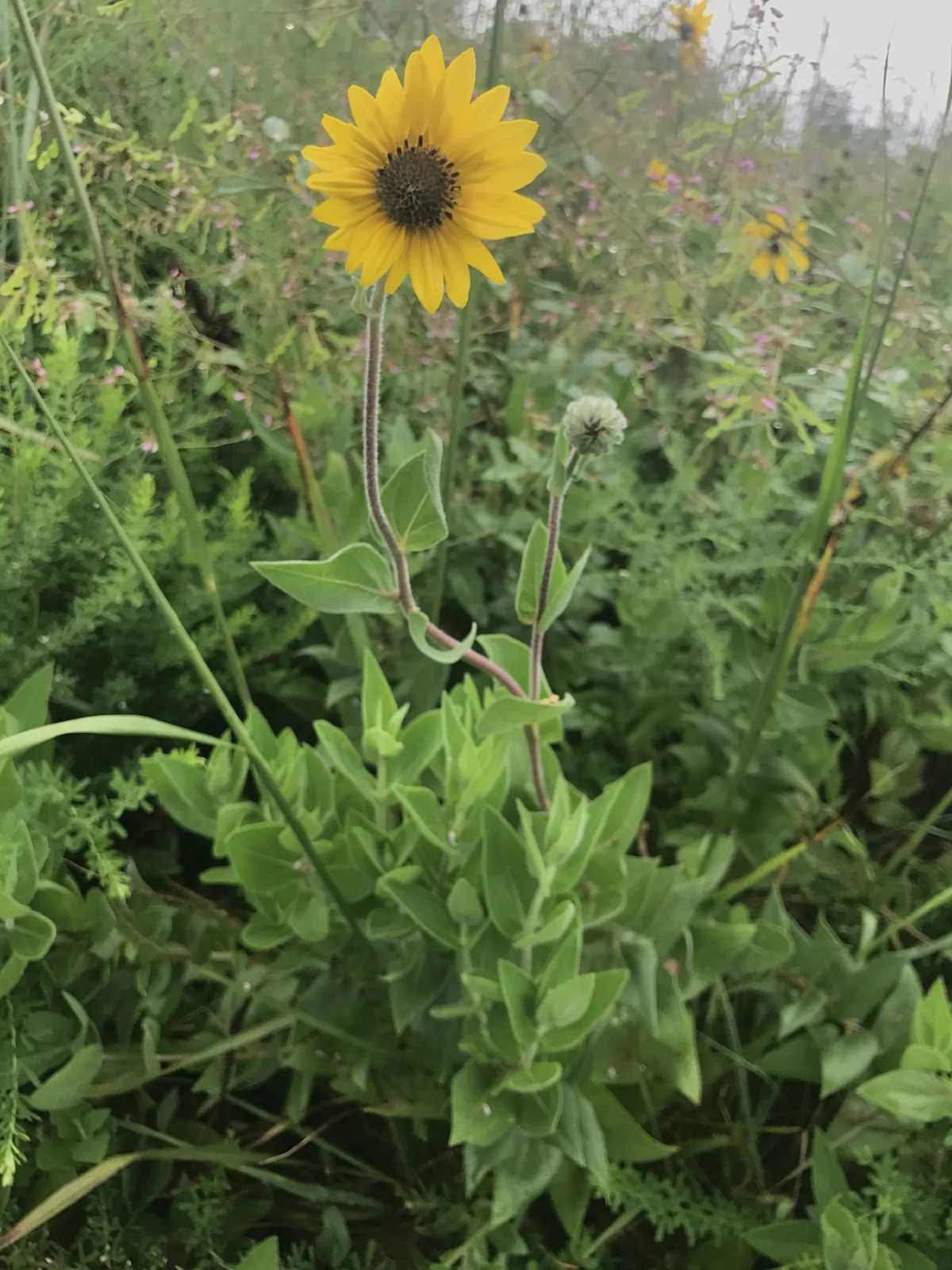
Helianthus mollis, ashy sunflower, is a low-water prairie forb that produces bright yellow blooms from July through September in full sun.
Toxicity unknown
Ashy Sunflower (Helianthus mollis) is not listed by the ASPCA Animal Poison Control Center (opens in new tab) or the other sources we check, so we have no verdict for it either way. Absence from those lists is not a clearance. If your pet shows symptoms after eating any plant, call the ASPCA at (888) 426-4435.
Light
full sun
Water
low
Size
24"–48" H × 12"–24" W
Bloom
Jul, Aug, Sep
Native to
AL, AR, DE, GA and 26 more states
Pollinators
bees, butterflies, beetles
Before you buy
Your city may pay you to plant this
Cities and water utilities offer rebates for replacing lawn with native and water-wise plants. We track 459 programs across 44 states, each with a link to the provider and the date we last checked it.
Find rebates in your areaPicture natives in your own yard
Upload a photo of your yard and Patch Vision shows a rendering of it planted with natives for your region, like Ashy Sunflower.


Browse plants for this ecoregion
Ashy sunflower is a native perennial with soft, grayish-green foliage and bright yellow daisy-like flowers that bloom from summer into fall. It forms neat clumps and spreads slowly, making it well-suited for sunny borders and prairie-style gardens. The drought-tolerant plant requires minimal care once established.
Growing Ashy Sunflower
Grow Ashy Sunflower in full sun and low water. Mature plants reach 24 to 48 inches tall and spread 12 to 24 inches wide. Expect low maintenance to keep it looking intentional in a front yard.
How to care for Ashy Sunflower, by region
How to care for Ashy Sunflower where it is actually grown: year-round basics plus what to do each season, region by region, with the sources for each.
Care guidance last updated: August 2026
Cross Timbers (includes Fort Worth, TX)
Year-round
Ashy sunflower is a tough, rhizome-spreading native perennial that suits this area's sandy Cross Timbers soils, given full sun and room to spread.
- Ashy sunflower (Helianthus mollis) is native to Texas and much of the central and eastern US, growing naturally in prairies, open woods, and roadsides, habitat this Fort Worth area Cross Timbers ecoregion still has plenty of.
- It wants full sun and dry to medium, well drained soil. The sandy, well-drained soils common in this Cross Timbers area are actually a good match for this plant's natural preference over heavy wet clay.
- It spreads by underground rhizomes and by self-seeding, forming colonies over a few seasons. Give it a bed of its own, or plan to divide it every 3 to 4 years if you want to keep it contained.
- Once established it is drought tolerant and should not be watered or fertilized on a regular schedule. Extra water and fertilizer make the stems grow tall, floppy, and top heavy.
- The ASPCA lists sunflower (Helianthus) as not on its toxic plant list for dogs, cats, or horses.
Because it spreads by rhizomes, an HOA-conscious approach is to plant it in a defined bed with a mowed edge or root barrier rather than letting it run into a shared sightline or neighboring yard.
Fall
Fall is peak bloom. A light deadheading keeps the bed tidy, while leaving some seed heads up feeds birds through the cooler months.
- Bloom continues into early fall. Deadheading spent flower heads limits how many volunteer seedlings show up next year and keeps a front-facing bed looking neat.
- Leaving a portion of the seed heads standing gives finches and other seed-eating birds a food source into the cooler months.
- The Fort Worth area's average first fall frost is around November 14. Foliage blackens quickly after the first hard freeze.
- Fall, once the plant goes dormant, is also a fine time to divide and relocate rhizome offsets if the colony has spread further than you want.
Deadheading the front-most stems while leaving a few seed heads toward the back of the bed balances a tidy street view with wildlife value.
Winter
The plant is dormant and winter hardy here. Cut back any dead stems left standing before new growth starts in spring.
- This species is winter hardy through the USDA zone 8 winters typical of the Fort Worth area. The rhizomes survive underground through the coldest months.
- If old stems were left standing over winter for wildlife or seed heads, cut them back to a few inches above the ground in late winter, before new shoots emerge around the average last frost date of March 21.
- No watering or fertilizing is needed during dormancy.
- Winter, while the bed is bare, is a good time to install or repair a root barrier or defined edge before the rhizomes push out new growth in spring.
Clearing dead stalks in late winter keeps the bed from reading as neglected to neighbors before spring growth fills back in.
Spring
Spring is when new shoots emerge from the rhizomes, and it is a good window to divide or transplant before growth gets tall.
- In the Fort Worth area, the average last spring frost is around March 21. New shoots typically emerge from the rhizomes as soil warms in the weeks around and after that date.
- This is a good window to dig and divide a crowded clump, or to move volunteer seedlings, while the plant is still short and easy to handle.
- Plant or divide into full sun with well drained soil. The sandy soils common in this Cross Timbers area already drain well, so a raised bed or heavy soil amendment usually is not needed here.
- Skip fertilizer at planting time. This species is adapted to lean, sandy soils, and extra nutrients just push weak, floppy growth.
Installing an edging strip or root barrier now, before the season's new shoots spread, keeps the bed looking intentional to neighbors and any HOA reviewer.
Summer
Summer is the main growing and early blooming season, and cutting the stems back by about a third in early summer keeps the plant shorter and sturdier.
- Flowering runs from roughly June through September, with the heaviest bloom in mid to late summer.
- Cutting stems back by about one third in early summer, before flower buds form, produces a bushier, shorter plant that is less likely to flop in wind or summer thunderstorms.
- Stay hands off on watering and fertilizer once the plant is established. It is genuinely drought tolerant, and extra summer water tends to cause tall, weak stems that lean or fall over right as they bloom.
- The flowers are a documented strong pollen and nectar source for native bees, so this is a good plant for a pollinator corner of the yard.
Sources: Lady Bird Johnson Wildflower Center - Helianthus mollis, ASPCA - Toxic and Non-Toxic Plants: Sunflower, Illinois Wildflowers - Downy Sunflower (Helianthus mollis) (community tip), BRIT Ecoscapes - Western Cross Timbers, ufseeds.com - Fort Worth, Texas Vegetable Planting Calendar, Missouri Botanical Garden Plant Finder - Helianthus mollis
Texas Blackland Prairies (includes Dallas, TX)
Year-round
Ashy sunflower is a hardy native perennial that spreads by rhizomes, and in this area's heavy Blackland clay it does best with attention to drainage.
- Ashy sunflower (Helianthus mollis) is native to Texas and much of the central and eastern US, growing naturally in prairies, open woods, and roadsides.
- It wants full sun and prefers dry to medium, well drained soil. This Dallas area Blackland Prairie ecoregion is known for heavy black cracking clay soils, which hold water longer and swell and crack as they dry, conditions this plant handles less well than sandier ground.
- Plant it on slightly higher ground, in a raised bed, or in soil opened up with compost so water does not sit around the crown after rain.
- It spreads by underground rhizomes and by self-seeding into colonies. Give it its own bed, or plan to divide it every 3 to 4 years to keep it contained.
- The ASPCA lists sunflower (Helianthus) as not on its toxic plant list for dogs, cats, or horses.
Because it spreads by rhizomes, an HOA-conscious approach is to plant it in a defined, edged bed rather than letting it colonize toward a shared property line.
Fall
Fall is peak bloom. Deadhead for a tidy look and leave some seed heads for birds before the first freeze.
- Bloom continues into early fall. Deadheading spent flower heads limits self-seeding and keeps a visible bed looking tidy.
- Leaving some seed heads standing feeds finches and other seed-eating birds into the cooler months.
- The Dallas area's average first fall frost is around November 14. Foliage blackens soon after the first hard freeze.
- As clay soil starts to crack with fall dry-down, check that any nearby edging or root barrier has not shifted, since clay movement can open gaps rhizomes exploit.
Deadheading front-facing stems while leaving a few seed heads further back balances curb appeal with wildlife value.
Winter
The plant is dormant and winter hardy here. Cut back dead stems before spring growth starts, and expect the clay to crack open in dry winter spells.
- This species is winter hardy through the USDA zone 8 winters typical of the Dallas area. Rhizomes survive underground through the coldest months.
- If stems were left up for wildlife, cut them back to a few inches above ground in late winter, before new shoots emerge around the average last frost date of March 21.
- Blackland clay can crack noticeably during dry winter spells. Cracks near the bed edge are worth checking, since they can let rhizomes travel further than expected.
- No watering or fertilizing is needed during dormancy.
Clearing dead stalks and checking the bed edge in late winter keeps the planting looking maintained ahead of spring growth.
Spring
Spring is when new shoots emerge and a good window to divide, and Blackland clay needs a little extra drainage prep before planting.
- In the Dallas area, the average last spring frost is around March 21. New shoots emerge from the rhizomes as soil warms afterward.
- Heavy Blackland clay stays wet longer after spring rains than sandier soils nearby. Working compost into the planting hole, or planting on a slight mound, helps keep the crown from sitting in standing water.
- This is a good window to divide a crowded clump or move volunteer seedlings, while the plant is still short.
- Skip fertilizer at planting. Rich, wet clay combined with fertilizer tends to push tall, weak growth that falls over later in the season.
A defined, slightly raised planting area also reads as more intentional than a low spot that stays muddy after rain.
Summer
Summer is the main growing and early blooming season. Cutting stems back by about a third in early summer helps in heavy clay where plants can lean.
- Flowering runs roughly June through September, heaviest in mid to late summer.
- Cutting stems back by about one third in early summer, before buds form, keeps the plant shorter and sturdier, which matters more in clay soil where roots work harder against summer dry-down and cracking.
- Do not add supplemental water or fertilizer once established. This species is drought tolerant, and Blackland clay already holds moisture longer than sandy soil, so extra water raises the risk of root rot and floppy stems.
- The flowers are a documented strong pollen and nectar source for native bees.
Sources: Lady Bird Johnson Wildflower Center - Helianthus mollis, ASPCA - Toxic and Non-Toxic Plants: Sunflower, Illinois Wildflowers - Downy Sunflower (Helianthus mollis) (community tip), Ellis County Master Gardener Association (Texas A&M AgriLife Extension) - Love your Blackland Soil, ufseeds.com - Dallas, Texas Vegetable Planting Calendar, Missouri Botanical Garden Plant Finder - Helianthus mollis
In an HOA neighborhood
Ashy Sunflower is an HOA-friendly choice. Maintenance level: low. Tidiness: 4 out of 5.
Works well in: front yard, foundation, street edge, mid zone.
- Goes dormant in winter leaving bare stems
Wildlife value
This sunflower provides nectar for bees, butterflies, and beetles during its long summer bloom period. Birds enjoy the seeds in fall, making it valuable for year-round wildlife support.
Common questions
- How much sun does ashy sunflower need?
- Ashy sunflower grows best in full sun and flowers most heavily when it receives at least six hours of direct light each day.
- When does ashy sunflower bloom?
- Ashy sunflower typically blooms from July through September, with tall stems topped by bright yellow flower heads.
- What pollinators visit ashy sunflower?
- Bees, butterflies, and beetles are the most common visitors to ashy sunflower, drawn to its pollen and nectar.
- How much water does ashy sunflower need?
- Ashy sunflower tolerates low moisture once established and grows well in dry to medium prairies and open grasslands.
- Is Ashy Sunflower HOA-friendly?
- Ashy Sunflower is generally an HOA-friendly choice in the right placement, with low maintenance.
These answers were drafted with an AI model from this plant's data. Verify care details with a local expert.
Native range data from vouchered herbarium specimen records and regional native plant society lists. Pollinator and host plant associations compiled from GBIF, iNaturalist, and published ecological literature.
If something looks wrong
Common plant problems, and what to check first
These come up on almost any plant. Each guide lists the likely causes in the order they are worth ruling out, with one thing to check before you act on any of them, and links to the source it came from.
- It is dying right after planting
- Leaves turning yellow
- Wilting even though I watered it
- Brown crispy leaf tips
- Bugs on the plant
Ready to grow Ashy Sunflower? Add it to your garden in Pollinator Patch to track it and get season-by-season care guidance.