Plain-leaf Pussytoes
Antennaria parlinii
Last reviewed: October 2026
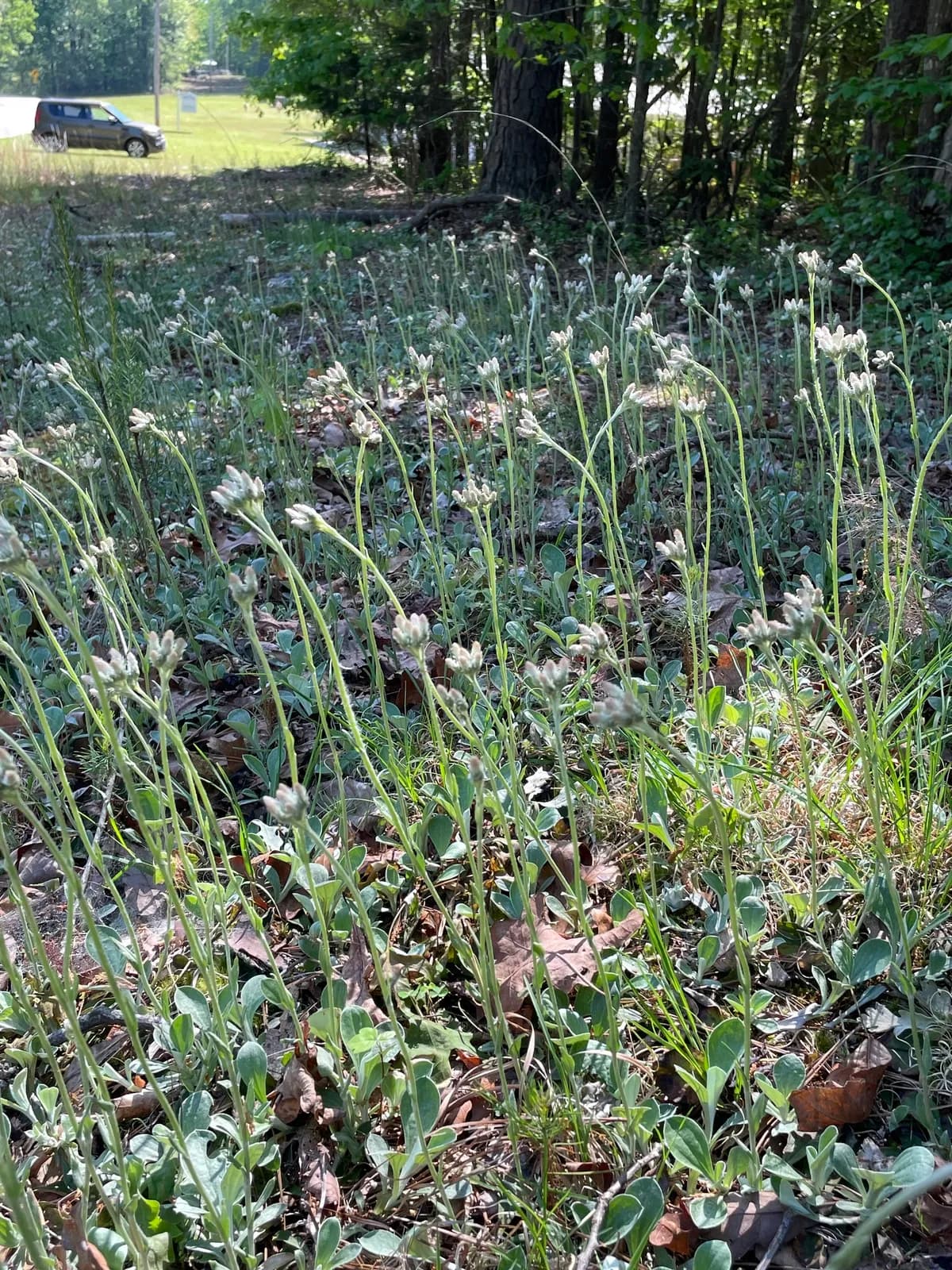
Antennaria parlinii is a low-growing forb with fuzzy basal leaves and white to pinkish flower heads in May and June. It thrives in dry, open sites with full sun and well-drained soil.
Toxicity unknown
Plain-leaf Pussytoes (Antennaria parlinii) is not listed by the ASPCA Animal Poison Control Center (opens in new tab) or the other sources we check, so we have no verdict for it either way. Absence from those lists is not a clearance. If your pet shows symptoms after eating any plant, call the ASPCA at (888) 426-4435.
Light
full sun
Water
low
Size
4"–12" H × 6"–12" W
Bloom
May, Jun
Native to
AL, AR, CT, DE and 31 more states
Pollinators
bees, beetles
Before you buy
Your city may pay you to plant this
Cities and water utilities offer rebates for replacing lawn with native and water-wise plants. We track 459 programs across 44 states, each with a link to the provider and the date we last checked it.
Find rebates in your areaPicture natives in your own yard
Upload a photo of your yard and Patch Vision shows a rendering of it planted with natives for your region, like Plain-leaf Pussytoes.


Browse plants for this ecoregion
Plain-leaf pussytoes is a low-growing native groundcover with silvery-green foliage and small, fuzzy white flower clusters in late spring. This drought-tolerant perennial spreads slowly to form neat mats, making it useful for rock gardens or as a lawn alternative in sunny areas. The compact size and tidy growth habit work well in formal landscapes.
Growing Plain-leaf Pussytoes
Grow Plain-leaf Pussytoes in full sun and low water. Mature plants reach 4 to 12 inches tall and spread 6 to 12 inches wide. Expect low maintenance to keep it looking intentional in a front yard.
How to care for Plain-leaf Pussytoes, by region
How to care for Plain-leaf Pussytoes where it is actually grown: year-round basics plus what to do each season, region by region, with the sources for each.
Care guidance last updated: October 2026
Acadian Plains and Hills (includes Bangor, ME)
Year-round
Year-round care for plain-leaf pussytoes around Bangor, ME: sun to part shade and lean, dry soil that drains well.
- Plant it in full sun to part shade.
- Lean, gritty or rocky soil that drains well is the key. It is hard to grow unless the soil is lean, dry, and well drained.
- Keep it on the dry to medium side. It needs little water once it settles in.
- Skip compost and fertilizer. Rich soil works against it.
- It stays low, about 6 to 12 inches tall and 9 to 18 inches wide, with small flower heads in spring.
- It is low maintenance and has no serious insect or disease problems.
Its low silvery mat looks neat as an edging or in a gravelly bed.
Sources: Missouri Botanical Garden Plant Finder: Antennaria parlinii, Lady Bird Johnson Wildflower Center: Antennaria parlinii
Cross Timbers (includes Fort Worth, TX)
Year-round
Plain-leaf pussytoes is a low, silvery perennial that likes lean, dry ground and full sun. In Dallas-Fort Worth it does best in well-drained soil, either a sandier patch or clay lightened with grit, and it should not sit wet.
- Plant in full sun to light afternoon shade in soil that drains fast
- On heavy clay, mound the bed or mix in coarse sand or fine gravel
- Water only to establish it, then keep it on the dry side
- Let the stolons spread into a mat and pull back any that wander
Fall
Fall rain and cooler air help the mats recover. It is a good time to tidy up and fill gaps.
- Trim off any dead or browned leaves
- Move rooted runners to fill bare spots
- Skip fertilizer
- Water only if the weather turns dry for several weeks
Winter
In winter the low silvery mat rests and needs almost nothing. Poor drainage is a bigger risk than cold.
- Do not water on a schedule
- Check that water is not pooling around the mat after heavy rain
- Keep fallen leaves from smothering the mat
- Wait until late winter to clean up damaged growth
Spring
Spring is bloom time, with small white flowers on woolly stalks. It is also the best window to plant or divide.
- Plant or divide new patches as the weather warms
- Water every 5 to 7 days for the first few weeks, then taper off
- Skip rich compost and fertilizer, which makes plants floppy
- Leave spent flower stalks until they turn papery
Summer
Texas summers are the hardest season for this plant. Keep it dry rather than wet, and give it a break from the hottest afternoon sun if the leaves scorch.
- Water deeply only during long dry spells, about every 2 weeks
- Water at the base and avoid wetting the leaf mat
- Add a thin layer of gravel, not wood mulch, around the mat
- Expect some browning at the edges in peak heat
Sources: Lady Bird Johnson Wildflower Center: Antennaria parlinii
Erie Drift Plain (includes Buffalo, NY)
Year-round
Year-round care for plain-leaf pussytoes around Buffalo, NY: sun to part shade and lean, dry soil that drains well.
- Plant it in full sun to part shade.
- Lean, gritty or rocky soil that drains well is the key. It is hard to grow unless the soil is lean, dry, and well drained.
- Keep it on the dry to medium side. It needs little water once it settles in.
- Skip compost and fertilizer. Rich soil works against it.
- It stays low, about 6 to 12 inches tall and 9 to 18 inches wide, with small flower heads in spring.
- It is low maintenance and has no serious insect or disease problems.
Its low silvery mat looks neat as an edging or in a gravelly bed.
Sources: Missouri Botanical Garden Plant Finder: Antennaria parlinii, Lady Bird Johnson Wildflower Center: Antennaria parlinii
Interior River Valleys and Hills (includes Peoria, IL)
Year-round
A low, mat-forming groundcover for a dry, sunny to lightly shaded spot. It spreads on its own by short runners and needs almost no upkeep once it settles in.
- Give it full sun to a little afternoon shade. This is one of the few natives that actually prefers dry, poor soil over a rich garden bed.
- Plant it in sandy, rocky, or clay soil as long as water drains away quickly. A soggy spot will rot the roots faster than cold or heat ever will.
- Space plants about 12 to 18 inches apart. It spreads on its own by short runners called stolons and fills in gaps over a season or two.
- The fuzzy, rounded flower heads look like a row of tiny kitten paws lined up on short stalks in spring, which is where the common name pussytoes comes from.
- Once it is established, mostly leave it alone. Skip regular fertilizer and skip regular watering unless the area is in a real drought.
- This plant is native here in Illinois, according to the Lady Bird Johnson Wildflower Center.
Fall
Fall is a second good planting and dividing window, and the low foliage mat sticks around instead of dying back for winter.
- Early to mid fall, before the ground turns cold, is a good second window for planting new pussytoes or digging up and dividing an established patch.
- Leave the basal foliage mat in place through fall. It stays low and green well into winter instead of dying back like many perennials do.
- Rake fallen tree leaves off the mat so the foliage still gets light, but there is no need to cut this plant back in fall.
- Fall rain is usually enough on its own, so hold off on extra watering unless the season turns unusually dry.
Winter
This groundcover stays low and mostly green through a Peoria winter and does not need any winter protection.
- The foliage mat keeps its silvery green color and stays visible through winter instead of dying back completely, so the bed will not look bare.
- No mulching or covering is needed for winter protection. This plant is hardy through Illinois winters and prefers to stay on the dry side even in cold weather.
- Avoid winter spots where snowmelt or a downspout leaves the soil soggy for long stretches. Wet winter soil is harder on this plant than the cold itself.
- New spring growth and flower stalks rise from the same foliage mat once the weather warms, so there is nothing to replant.
Spring
Spring is bloom time and the plant's fastest-spreading stretch, so it is also the best window to plant it or rein in the mat's edges.
- Flower heads open in March and April, right at the start of spring, per the Lady Bird Johnson Wildflower Center.
- Plant new starts or divisions once the soil has dried out after the last frost, usually late April in the Peoria area.
- The mat spreads fastest in spring as the short runners push outward. If you want a clean edge along a walkway or lawn line, trim runners back now instead of waiting.
- Skip extra watering during spring rains. This plant would rather sit on the dry side than in wet soil.
- If soil near the plant stays wet after spring storms, work in a little coarse sand or gravel to help it drain.
Trim the spreading runners back from walkways and lawn edges in spring before the mat creeps further than you want.
Summer
Once it has a full year of roots down, this plant shrugs off a Peoria summer and barely needs a hose.
- In its first summer, give it an occasional deep watering during a dry stretch so the roots can finish getting established.
- After year one, an established plant handles summer heat well and does not need regular watering except in a severe dry spell.
- The low foliage mat stays green through summer even after the spring flower stalks fade and dry out.
- You can leave the dried flower stalks standing for texture, or snip them off once they turn brown. This plant does not need deadheading to rebloom this season.
- Keep summer mulch light and pulled back a bit from the crown. This plant does better in lean, dry soil than in a heavily mulched bed that stays damp.
Sources: Antennaria parlinii (Parlin's pussytoes), Native Plant Database, Lady Bird Johnson Wildflower Center, Antennaria parlinii - Pussytoes, Missouri Wildflowers Nursery, The Winter Foliage of Parlin's Pussytoes, Meristem Horticulture (community tip)
Northeastern Coastal Zone (includes New York, NY)
Year-round
Year-round care for plain-leaf pussytoes around New York, NY: sun to part shade and lean, dry soil that drains well.
- Plant it in full sun to part shade.
- Lean, gritty or rocky soil that drains well is the key. It is hard to grow unless the soil is lean, dry, and well drained.
- Keep it on the dry to medium side. It needs little water once it settles in.
- Skip compost and fertilizer. Rich soil works against it.
- It stays low, about 6 to 12 inches tall and 9 to 18 inches wide, with small flower heads in spring.
- It is low maintenance and has no serious insect or disease problems.
Its low silvery mat looks neat as an edging or in a gravelly bed.
Sources: Missouri Botanical Garden Plant Finder: Antennaria parlinii, Lady Bird Johnson Wildflower Center: Antennaria parlinii
Northern Allegheny Plateau (includes Binghamton, NY)
Year-round
Year-round care for plain-leaf pussytoes around Binghamton, NY: sun to part shade and lean, dry soil that drains well.
- Plant it in full sun to part shade.
- Lean, gritty or rocky soil that drains well is the key. It is hard to grow unless the soil is lean, dry, and well drained.
- Keep it on the dry to medium side. It needs little water once it settles in.
- Skip compost and fertilizer. Rich soil works against it.
- It stays low, about 6 to 12 inches tall and 9 to 18 inches wide, with small flower heads in spring.
- It is low maintenance and has no serious insect or disease problems.
Its low silvery mat looks neat as an edging or in a gravelly bed.
Sources: Missouri Botanical Garden Plant Finder: Antennaria parlinii, Lady Bird Johnson Wildflower Center: Antennaria parlinii
South Central Plains (includes Beaumont, TX)
Year-round
Parlin's pussytoes is a low, fuzzy, dry-loving groundcover. Beaumont's wet, humid weather is a stretch for it, so treat it as a trial plant.
- It likes full sun, dry soil and low water, so give it your driest, sunniest spot.
- It does well in poor, shallow, gravelly or sandy soil and does not need fertilizer.
- Its listed hardiness range runs from zone 3a to 8b, so a Gulf Coast yard is outside what the nurseries list. Expect it might not last.
- Good drainage matters most. A raised mound or gravel mix helps in rainy Beaumont.
Fall
Fall is a quiet time. Keep it dry and let it rest.
- No extra water or feeding is needed. It is low water use.
- Keep fallen leaves from smothering the low mat, since it likes sun and dry soil.
- Spreading is mainly by short rhizomes, so a good mat fills in slowly.
Winter
Winter is easy. Mild Beaumont cold is not the worry, soggy soil is.
- The listed hardiness goes down to zone 3, so cold is not the concern.
- Keep the soil on the dry side and well drained through wet winter stretches.
- No feeding or pruning is needed.
Spring
Spring is bloom time, so keep it dry and let it flower.
- The Wildflower Center lists bloom in March and April, with white flowers.
- Do not add water or fertilizer to push growth. It prefers dry conditions.
- Check that spring rains are not pooling around the mat.
Summer
Beaumont summers are hot and humid, the hardest season for this plant.
- It is listed as low water use and tolerant of drought, so skip routine watering.
- Wet, humid heat is the likely trouble. Watch for mushy or browning patches.
- If a patch dies, replace it with something suited to your wet summers rather than watering more.
Sources: Lady Bird Johnson Wildflower Center, Antennaria parlinii, Toadshade Wildflower Farm, Antennaria parlinii
Texas Blackland Prairies (includes Dallas, TX)
Year-round
Plain-leaf pussytoes is a low, silvery perennial that likes lean, dry ground and full sun. In Dallas-Fort Worth it does best in well-drained soil, either a sandier patch or clay lightened with grit, and it should not sit wet.
- Plant in full sun to light afternoon shade in soil that drains fast
- On heavy clay, mound the bed or mix in coarse sand or fine gravel
- Water only to establish it, then keep it on the dry side
- Let the stolons spread into a mat and pull back any that wander
Fall
Fall rain and cooler air help the mats recover. It is a good time to tidy up and fill gaps.
- Trim off any dead or browned leaves
- Move rooted runners to fill bare spots
- Skip fertilizer
- Water only if the weather turns dry for several weeks
Winter
In winter the low silvery mat rests and needs almost nothing. Poor drainage is a bigger risk than cold.
- Do not water on a schedule
- Check that water is not pooling around the mat after heavy rain
- Keep fallen leaves from smothering the mat
- Wait until late winter to clean up damaged growth
Spring
Spring is bloom time, with small white flowers on woolly stalks. It is also the best window to plant or divide.
- Plant or divide new patches as the weather warms
- Water every 5 to 7 days for the first few weeks, then taper off
- Skip rich compost and fertilizer, which makes plants floppy
- Leave spent flower stalks until they turn papery
Summer
Texas summers are the hardest season for this plant. Keep it dry rather than wet, and give it a break from the hottest afternoon sun if the leaves scorch.
- Water deeply only during long dry spells, about every 2 weeks
- Water at the base and avoid wetting the leaf mat
- Add a thin layer of gravel, not wood mulch, around the mat
- Expect some browning at the edges in peak heat
Sources: Lady Bird Johnson Wildflower Center: Antennaria parlinii
In an HOA neighborhood
Plain-leaf Pussytoes is an HOA-friendly choice. Maintenance level: low. Tidiness: 4 out of 5.
Works well in: front yard, foundation, street edge, mid zone.
Wildlife value
The flowers attract small native bees and beetles during the May-June bloom period. As a native plant, it provides habitat for specialized insects that depend on regional flora.
Common questions
- When does Plain-leaf Pussytoes bloom?
- Antennaria parlinii typically flowers in May and June, producing small clustered heads on upright stems above a mat of basal leaves.
- What kind of light and soil does this plant need?
- It grows best in full sun to part shade on dry to medium, well-drained soils, often in open woodlands, meadows, and rocky or sandy clearings.
- What insects visit Plain-leaf Pussytoes flowers?
- Small bees and beetles are the most common visitors to the flower heads of Antennaria parlinii, drawn to the compact clusters during its spring bloom period.
- Is this a good low-maintenance groundcover?
- Yes. Its fuzzy, spreading foliage forms a dense low mat that holds up well in dry, sunny spots with minimal watering once established.
- Is Plain-leaf Pussytoes HOA-friendly?
- Plain-leaf Pussytoes is generally an HOA-friendly choice in the right placement, with low maintenance.
These answers were drafted with an AI model from this plant's data. Verify care details with a local expert.
Native range data from vouchered herbarium specimen records and regional native plant society lists. Pollinator and host plant associations compiled from GBIF, iNaturalist, and published ecological literature.
If something looks wrong
Common plant problems, and what to check first
These come up on almost any plant. Each guide lists the likely causes in the order they are worth ruling out, with one thing to check before you act on any of them, and links to the source it came from.
- It is dying right after planting
- Leaves turning yellow
- Wilting even though I watered it
- Brown crispy leaf tips
- Bugs on the plant
Ready to grow Plain-leaf Pussytoes? Add it to your garden in Pollinator Patch to track it and get season-by-season care guidance.