Compass Plant
Silphium laciniatum
Last reviewed: September 2026
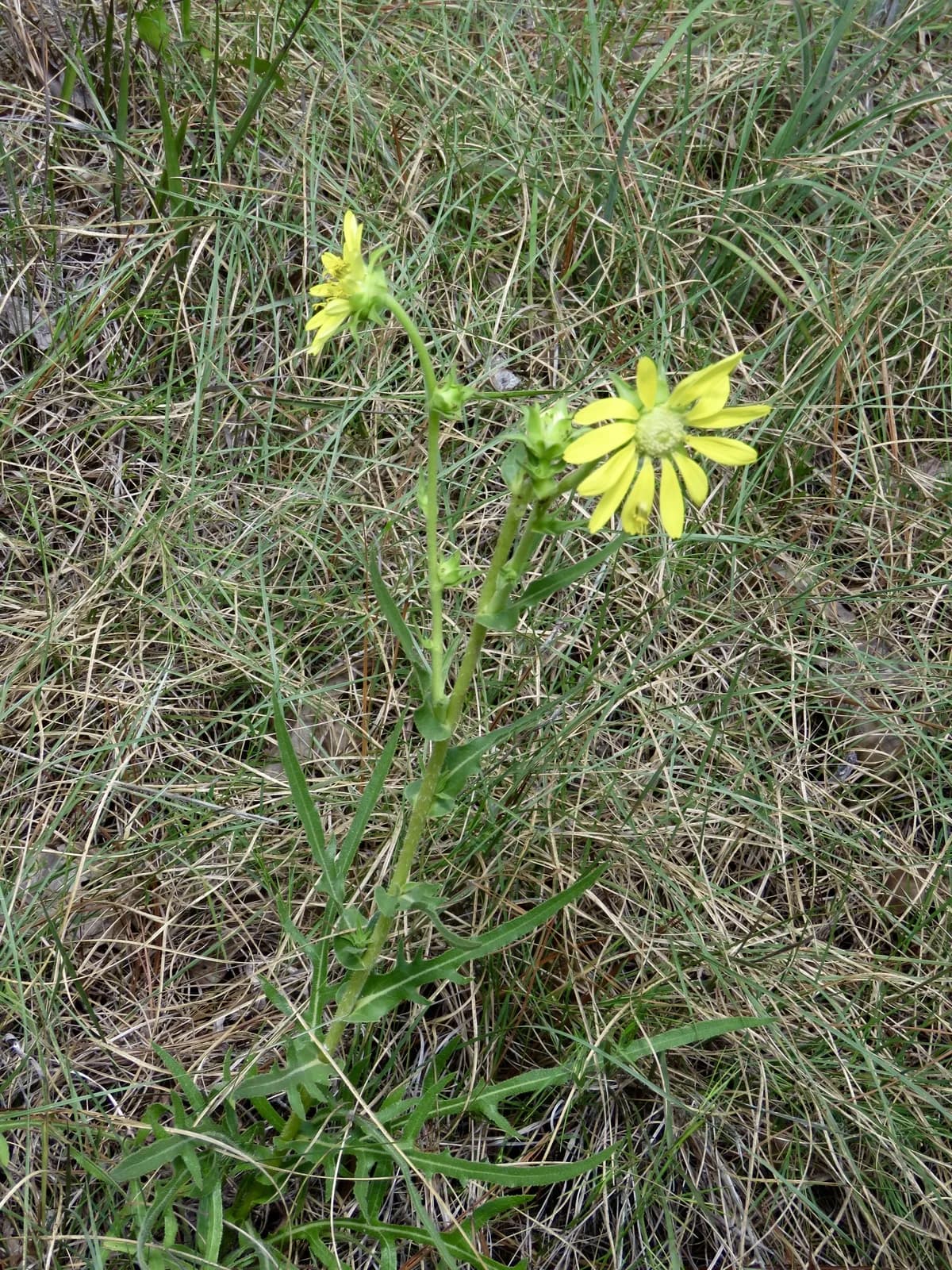
Compass plant is a tall prairie forb with bright yellow flowers from June through September, thriving in dry to medium soils and full sun across midwestern and southern prairie regions.
Toxicity unknown
Compass Plant (Silphium laciniatum) is not listed by the ASPCA Animal Poison Control Center (opens in new tab) or the other sources we check, so we have no verdict for it either way. Absence from those lists is not a clearance. If your pet shows symptoms after eating any plant, call the ASPCA at (888) 426-4435.
Light
full sun
Water
low
Size
48"–96" H × 24"–36" W
Bloom
Jun, Jul, Aug, Sep
Native to
AL, AR, IA, IL and 18 more states
Pollinators
bees, butterflies, beetles
Deer
Resistant (per Prairie Moon Nursery)
Before you buy
Your city may pay you to plant this
Cities and water utilities offer rebates for replacing lawn with native and water-wise plants. We track 452 programs across 44 states, each with a link to the provider and the date we last checked it.
Find rebates in your areaBrowse plants for this ecoregion
Polarplant is a tall native wildflower that can reach 8 feet in height with deeply lobed leaves and bright yellow daisy-like flowers. It blooms from summer through early fall and is drought tolerant once established. This is a dramatic prairie plant that makes a bold statement in the landscape.
Growing Compass Plant
Grow Compass Plant in full sun and low water. Mature plants reach 48 to 96 inches tall and spread 24 to 36 inches wide. Expect low maintenance to keep it looking intentional in a front yard.
How to care for Compass Plant, by region
How to care for Compass Plant where it is actually grown: year-round basics plus what to do each season, region by region, with the sources for each.
Care guidance last updated: July 2026
Cross Timbers (includes Fort Worth, TX)
Year-round
Compass plant is a tall prairie perennial that fits the Cross Timbers around Fort Worth. It sends down a woody taproot that can reach past 15 feet, so once it is settled it handles the dry, well drained clay and sandy soils of this region with very little help from you. Give it full sun and room to stand up to about 8 to 10 feet, and it will bloom yellow in mid to late summer.
- Native to the Cross Timbers per the Native Plant Society of Texas, which lists Silphium laciniatum for this ecoregion.
- Plant it in full sun with well drained soil. It takes clay, sand, and loam as long as the ground is not soggy.
- Water it while the taproot is getting established the first year or two, then it is very drought tolerant per the Lady Bird Johnson Wildflower Center.
- It is slow to bloom from seed, often 3 to 4 years, so start with a nursery plant if you want flowers sooner.
- The large yellow flowers feed native bees, bumble bees, and butterflies per the Xerces Society and the Lady Bird Johnson Wildflower Center.
A single tall clump reads as an intentional back-of-border accent rather than a wild patch, which keeps it HOA-friendly when you give it a defined spot.
Fall
In fall compass plant finishes seeding and starts to go dormant in the Cross Timbers. You can leave the dried stalks standing for seed-eating birds, or cut and collect seed if you want more plants. Do not dig up or move the crown.
- Let seed heads dry on the plant if you want birds to feed or want to collect seed for sowing.
- Fall-sown seed gets a natural cold period over winter, which helps it sprout in spring.
- You can cut spent stalks back now or leave them for winter structure and wildlife.
- No fertilizer needed. This is a lean-soil prairie plant that does fine without feeding.
Winter
Winter is quiet for compass plant in the Cross Timbers. The plant dies back to its crown and rests, living off that deep taproot. There is almost nothing to do. Bare ground around a dormant plant is normal and not a sign of trouble.
- The plant is fully dormant now. Empty-looking soil over the crown is expected, not a dead plant.
- Cut any remaining stalks down to a few inches in late winter before new spring growth starts.
- Skip winter watering. The taproot holds its own moisture.
- Leave the crown in place. Compass plant does not like being dug or divided.
Trimming the old stalks in late winter keeps the spot looking cared for during the dormant months, which reads as intentional to HOA-conscious neighbors.
Spring
Spring is when compass plant wakes up and sends up its big, deeply cut basal leaves. In the Cross Timbers this is the season to plant, divide is not really an option here, and to let the taproot get going before summer heat. Do not expect flowers yet on a young plant.
- Set out nursery transplants in early spring so the deep taproot can grow before the first hot, dry stretch.
- Water new plants every few days for the first several weeks, then taper off as the roots go down.
- Leave the emerging leaves alone. This plant resents disturbance and does not move well once established.
- A thin layer of mulch keeps spring soil moisture steady while roots establish.
Summer
Summer is the show. Compass plant sends up its tall bloom stalk and opens sunflower-like yellow flowers from about July through September in the Cross Timbers. The leaves famously line up north to south to dodge the midday sun, which is where the name comes from.
- Expect yellow, sunflower-like blooms roughly July through September per the Lady Bird Johnson Wildflower Center.
- Established plants need little to no extra water in summer thanks to that deep taproot.
- Stake tall stalks only if your spot is windy. In most yards the sturdy stems stand on their own.
- Leave some spent flowers to set seed. The large seeds feed birds and small mammals per the Lady Bird Johnson Wildflower Center.
- Summer flowers are a strong nectar and pollen source for native bees and bumble bees per the Xerces Society.
In peak bloom the tall yellow stalks give a tidy vertical accent, so keep it to a defined bed edge to stay HOA-friendly.
Sources: Native Plant Society of Texas, Silphium laciniatum profile (ecoregion list), Lady Bird Johnson Wildflower Center, Silphium laciniatum, USDA NRCS Plant Guide, Compass Plant (Silphium laciniatum), Prairie Moon Nursery, Silphium laciniatum dormancy and care, Xerces Society, native bees and prairie forbs
East Central Texas Plains (includes College Station, TX)
Year-round
Compass plant is native to the East Central Texas Plains, the Post Oak Savanna around College Station, including the Northern Post Oak Savanna. It grows in the sunny grassland openings between the oaks. Its deep taproot handles the sandy to clay soils and periodic dry spells here. Give it full sun for tall yellow summer blooms.
- Native to the East Central Texas Plains, including the Northern Post Oak Savanna, per the Native Plant Society of Texas.
- Best in sunny grassland openings with well drained sandy or clay soil.
- Very drought tolerant once its deep taproot is established per the Lady Bird Johnson Wildflower Center.
- Slow to bloom from seed, so a nursery plant reaches flowering sooner.
- Yellow summer flowers feed native bees, bumble bees, and butterflies per the Xerces Society and the Lady Bird Johnson Wildflower Center.
A single tall clump in a sunny opening reads as an intentional accent rather than a wild stand, which keeps it HOA-friendly.
Fall
In fall, compass plant in the Post Oak Savanna finishes seeding and begins to go dormant. Leave heads for birds or collect seed. No fertilizer needed for this lean-soil prairie plant.
- Let seed heads dry to feed birds or to collect seed for fall sowing.
- Fall-sown seed gets its winter chill naturally in this region.
- Cut back or leave stalks. Standing stalks add winter structure and cover.
- Skip fertilizer. This plant does fine in poor soil without feeding.
Winter
Winter is dormancy for compass plant in the Post Oak Savanna. It dies back to the crown and rests on its taproot. There is little to do beyond a late-winter trim. Bare ground over the crown is expected.
- The plant is dormant. Empty-looking soil over the crown is normal, not a dead plant.
- Trim leftover stalks to a few inches in late winter before new growth.
- Do not water. The deep taproot carries it through winter.
- Leave the crown in place, since compass plant dislikes digging or dividing.
Trimming the old stalks in late winter keeps the dormant spot looking intentional for HOA-conscious neighbors.
Spring
Spring is planting and leaf-out time for compass plant in the Post Oak Savanna. The big rough basal leaves appear and the taproot gets to work. Pick a sunny opening away from tree shade and water new plants while they root in.
- Plant transplants in early spring in a full-sun opening, not under the oak canopy.
- Water new plants every few days at first, then taper as roots establish.
- Do not move established crowns. This plant resents transplanting.
- A light mulch holds spring soil moisture on sandy sites.
Summer
Summer brings tall bloom stalks and yellow sunflower-like flowers to compass plant in the Post Oak Savanna, roughly July through September. The leaves align north to south to duck the midday sun, which helps in the hot, humid summers here.
- Yellow blooms appear about July through September per the Lady Bird Johnson Wildflower Center.
- Established plants need little to no extra summer water.
- The summer flowers are a strong nectar and pollen source for native and bumble bees per the Xerces Society.
- Leave some seed heads to ripen. Birds and small mammals eat the large seeds per the Lady Bird Johnson Wildflower Center.
The upright yellow stalks read as a clean vertical accent in summer, so keep the planting to a defined bed to stay HOA-friendly.
Sources: Native Plant Society of Texas, Silphium laciniatum (East Central Texas Plains, Northern Post Oak Savanna), Lady Bird Johnson Wildflower Center, Silphium laciniatum, Prairie Moon Nursery, Silphium laciniatum growing notes, USDA NRCS Plant Guide, Compass Plant (Silphium laciniatum), Xerces Society, native bees and prairie forbs
Edwards Plateau (includes San Antonio, TX)
Year-round
Compass plant is native to the Edwards Plateau around San Antonio, where it grows on the dry limestone prairies of the Hill Country. Its very deep taproot makes it well suited to the thin, well drained, often rocky soils here. Give it full sun and it will reward you with tall yellow summer blooms and almost no need for watering once settled.
- Native to the Edwards Plateau, including the Balcones Canyonlands, per the Native Plant Society of Texas.
- Well adapted to dry, well drained, rocky or clay limestone soils in full sun.
- Highly drought tolerant once established thanks to a taproot that can exceed 15 feet per the Lady Bird Johnson Wildflower Center.
- Slow from seed, so a nursery plant gets you to bloom faster.
- Yellow summer flowers feed native bees, bumble bees, and butterflies per the Xerces Society and the Lady Bird Johnson Wildflower Center.
A defined clump of tall yellow blooms works as a deliberate focal point in a Hill Country yard, keeping it HOA-friendly when it has its own spot.
Fall
By fall, compass plant on the Edwards Plateau has set seed and is heading toward dormancy. You can collect seed, leave heads for birds, or tidy the stalks. Skip fertilizer, since this lean-soil prairie plant does not want it.
- Let seed heads dry if you want to collect seed or feed seed-eating birds.
- Fall-sown seed gets its needed cold period naturally over the Hill Country winter.
- Cut back or leave stalks as you prefer. Standing stalks add winter structure.
- No fertilizer. This plant is adapted to poor, rocky soils and does fine without feeding.
Winter
Winter is the rest period for compass plant on the Edwards Plateau. It dies back to the crown and lives off its deep taproot. There is nothing to water and little to do beyond a late-winter trim of old stalks.
- The plant is dormant. Bare soil over the crown is normal and does not mean it died.
- Cut leftover stalks to a few inches in late winter before spring growth begins.
- Do not water. The taproot carries the plant through winter.
- Leave the crown undisturbed, since compass plant dislikes digging or dividing.
A late-winter trim of the old stalks keeps the spot looking deliberate through the dormant season for HOA-conscious neighbors.
Spring
In spring, compass plant on the Edwards Plateau pushes out its big rough basal leaves and puts energy into that taproot. This is planting season in the Hill Country. Water new plants through spring so the roots reach down before summer heat arrives.
- Plant nursery transplants in early spring so roots establish before the dry Hill Country summer.
- Water new plants every few days at first, then taper as they root in.
- Do not move or disturb established crowns. This plant resents transplanting.
- A light mulch helps hold spring moisture in thin, rocky soil.
Summer
Summer brings the tall bloom stalks and yellow sunflower-like flowers to compass plant across the Edwards Plateau, roughly July into September. The leaves orient north to south to dodge the harsh midday sun, a handy trait in the hot Hill Country.
- Yellow blooms appear about July through September per the Lady Bird Johnson Wildflower Center.
- Established plants shrug off Hill Country heat and need little to no extra water.
- The summer flowers are a strong nectar and pollen source for native and bumble bees per the Xerces Society.
- Leave some seed heads to ripen. Birds and small mammals eat the large seeds per the Lady Bird Johnson Wildflower Center.
The upright yellow stalks give a clean vertical accent in summer, so keep the planting to a defined bed to stay HOA-friendly.
Sources: Native Plant Society of Texas, Silphium laciniatum (Edwards Plateau, Balcones Canyonlands), Lady Bird Johnson Wildflower Center, Silphium laciniatum, USDA NRCS Plant Guide, Compass Plant (Silphium laciniatum), Prairie Moon Nursery, Silphium laciniatum growing notes, Xerces Society, native bees and prairie forbs
Erie Drift Plain (includes Cleveland, OH)
Year-round
Compass plant is a tall, long-lived prairie perennial with big yellow flowers and a deep taproot. In the Cleveland area it is easy to keep once it settles in, and the main jobs are watering it during its first year or two, leaving it mostly alone after that, and cutting it back on a schedule that keeps a front yard looking cared for.
- Give it full sun and well-drained soil. It sends down a very deep taproot, so pick the spot carefully because a mature plant is almost impossible to move.
- Water regularly the first year or two while the taproot builds. After that it is very drought tolerant and rarely needs watering in a normal Cleveland summer.
- A 2 to 3 inch mulch ring keeps weeds down and holds moisture while young, but keep mulch a few inches off the stems so they do not stay wet.
- It can grow 6 to 10 feet tall and may lean in wind or rich soil. A single stake or planting it near a fence or other tall plants keeps it upright, and letting a few seed heads stand feeds finches if you do not mind some self-seeding.
Fall
Fall is the choice point: cut it back now for a tidy look, or leave the seed heads for birds and winter interest. Both are fine, and the decision mostly comes down to how visible the plant is from the street.
- Decide on cutback timing. You can cut stalks to a few inches after the first hard frost, or leave them standing over winter and cut in spring instead.
- If you leave seed heads up, expect some self-seeding nearby. Snip the heads off before they drop if you do not want volunteers.
- Stop any watering. The plant is heading into dormancy and does not need it going into a Cleveland winter.
- Refresh the mulch ring on younger plants to protect the crown through freeze and thaw.
Reads as intentional and avoids a violation letter: a fall cutback right after the first hard frost keeps a front-yard bed neat through winter, so if you would rather not leave tall dried stalks facing the street, this is the clean-looking option.
Winter
Winter is a rest period. The plant is fully dormant and cold hardy through Cleveland winters, so there is almost nothing to do.
- Leave the deep-rooted crown alone. It is hardy well below Cleveland's coldest temperatures and needs no protection once established.
- If you left stalks standing, they give winter structure and feed finches. Cut them down in early spring instead.
- Do not water. A dormant plant in frozen or cold soil does not use it.
- Keep foot traffic and heavy snow piles off the crown so it is not crushed or left sitting in ice.
Reads as intentional and avoids a violation letter: if you chose to leave the tall winter stalks standing, keeping them upright and evenly spaced reads as a deliberate winter silhouette rather than a plant someone forgot to cut down.
Spring
Spring is cleanup and slow wake-up time. Around Cleveland the plant breaks dormancy later than many perennials, so do not panic if it is a bare crown into May.
- Cut last year's dead stalks down to a few inches in early spring before new growth pushes up, usually March into April in the Cleveland area.
- Pull spring weeds around the crown by hand so they do not compete while the plant is waking up.
- If you started a young plant recently, water it during dry spring stretches. An established plant needs no spring watering.
- Skip the fertilizer. Rich feeding just makes the tall stems floppier.
Reads as intentional and avoids a violation letter: an early-spring cutback of last year's dead stalks clears the winter litter before neighbors notice it, so the bed looks tended rather than neglected as the season starts.
Summer
Summer is bloom season. Cleveland plants flower yellow through July, August, and September, and a mature plant mostly takes care of itself.
- Let it bloom. This is when the tall yellow flower spikes open, so leave the flower stalks up.
- Water only during a real drought, and only for plants still in their first year or two. Established plants pull moisture from the deep taproot.
- Watch tall stems in summer storms off Lake Erie. If a stalk starts leaning, tie it loosely to a single stake rather than letting it fold over.
- You can snip a few spent flower heads to tidy the front of the bed, but leave some standing if you want birds and self-seeding later.
Reads as intentional and avoids a violation letter: light deadheading of the front-facing spent blooms keeps a curbside plant looking maintained during peak season without cutting the whole plant back.
Sources: Lady Bird Johnson Wildflower Center Silphium laciniatum, GrowItBuildIt Compass Plant guide (community tip), Chicago Botanic Garden Silphium laciniatum
Texas Blackland Prairies (includes Dallas, TX)
Year-round
Compass plant is a signature plant of the Texas Blackland Prairies around Dallas. It grows right alongside little bluestem and Indian grass in the deep clay soils here. Its 15-foot-plus taproot handles the shrink-and-swell clay and periodic drought well. Give it full sun and space to reach 8 to 10 feet tall.
- A characteristic Blackland Prairie species per the Lady Bird Johnson Wildflower Center and Texas Parks and Wildlife, growing with little bluestem and Indian grass.
- Handles the region's heavy clay as long as it drains and gets full sun.
- In clay it can take 4 or more years to bloom from seed because it drills its taproot down first.
- Very drought tolerant once established per the Lady Bird Johnson Wildflower Center.
- Yellow summer flowers feed native bees, bumble bees, and butterflies per the Xerces Society and the Lady Bird Johnson Wildflower Center.
As one of the classic Blackland Prairie wildflowers, a defined clump gives a recognizable, intentional look that stays HOA-friendly.
Fall
In fall, compass plant on the Blackland Prairie finishes seeding and heads into dormancy. Leave heads for birds or collect seed to spread the prairie look. No feeding needed, since this plant thrives in lean soil.
- Let seed heads dry to feed birds or to collect seed for fall sowing.
- Fall-sown seed gets its needed winter chill naturally in North Texas.
- Cut back or leave the stalks. Standing stalks give winter structure and wildlife cover.
- Skip fertilizer. Rich feeding is not needed for this prairie plant.
Winter
Winter is dormancy for compass plant on the Blackland Prairie. It dies back to the crown and rests on its deep taproot. There is little to do beyond a late-winter cleanup of old stalks. Bare ground over the crown is normal.
- The plant is dormant now. Empty soil over the crown does not mean it died.
- Trim leftover stalks to a few inches in late winter before spring growth.
- Do not water. The taproot handles winter on its own.
- Leave the crown alone, since compass plant dislikes being dug or divided.
A late-winter trim keeps the dormant spot looking cared for through the off season for HOA-conscious neighbors.
Spring
Spring in the Blackland Prairie is when compass plant sends up its large rough leaves and works on its taproot. This is the time to plant in the Dallas area. Young plants focus on roots, not flowers, so be patient the first year or two.
- Set out transplants in early spring so the taproot can dig into the clay before summer.
- Water new plants regularly through spring while roots establish, then taper off.
- Do not disturb or move established crowns. This plant does not transplant well.
- In heavy clay, expect slow early growth as the taproot goes deep first.
Summer
Summer is peak season for compass plant on the Blackland Prairie. Tall stalks rise above the grasses and open yellow sunflower-like flowers from roughly July through September. The leaves turn edge-on to the midday sun, aligning north to south.
- Yellow blooms run about July through September per the Lady Bird Johnson Wildflower Center.
- Established plants need little to no summer watering in Blackland clay.
- The flowers are a strong nectar and pollen source for native bees and bumble bees per the Xerces Society.
- Leave some seed heads to ripen. Birds and small mammals eat the large seeds per the Lady Bird Johnson Wildflower Center.
The upright yellow bloom stalks give a tidy vertical accent in summer, so a defined bed keeps it HOA-friendly.
Sources: Lady Bird Johnson Wildflower Center, Silphium laciniatum, Texas Parks and Wildlife Magazine, Compass Plant / Blackland Prairie, Native Plant Society of Texas, Silphium laciniatum, USDA NRCS Plant Guide, Compass Plant (Silphium laciniatum), Xerces Society, native bees and prairie forbs, Prairie Moon Nursery, Silphium laciniatum growing notes
Western Gulf Coastal Plain (includes Houston, TX)
Year-round
Compass plant is native to the Gulf Coast Prairies and Marshes around Houston, specifically the upper coastal tallgrass prairie, not the wet marsh itself. It wants a sunny, well drained prairie spot. Its deep taproot handles the region's clay and periodic dry spells, and it blooms tall and yellow in summer.
- Native to the Gulf Coast Prairies and Marshes per the Native Plant Society of Texas, on the upper coastal tallgrass prairie.
- Plant it in full sun on a well drained site, not in low, soggy marshy ground.
- Very drought tolerant once its deep taproot is established per the Lady Bird Johnson Wildflower Center.
- Slow from seed, so a nursery plant blooms sooner.
- Yellow summer flowers feed native bees, bumble bees, and butterflies per the Xerces Society and the Lady Bird Johnson Wildflower Center.
A defined clump of tall yellow blooms gives an intentional coastal-prairie accent that stays HOA-friendly when it has its own spot.
Fall
In fall, compass plant on the Gulf Coast prairie finishes seeding and starts going dormant. Leave heads for birds or collect seed. No feeding needed for this lean-soil prairie plant.
- Let seed heads dry to feed birds or collect seed for fall sowing.
- Fall-sown seed gets a natural cool period over the mild coastal winter.
- Cut back or leave stalks. Standing stalks add structure and wildlife cover.
- Skip fertilizer. This plant does fine in lean soil.
Winter
Winter is a quiet rest for compass plant on the Gulf Coast prairie. It dies back to the crown and lives off its taproot. Coastal winters are mild, so it may be a short dormancy. There is little to do beyond a late-winter trim.
- The plant is dormant. Bare soil over the crown is normal, not a dead plant.
- Trim leftover stalks to a few inches in late winter before spring growth.
- Do not water. The taproot handles the mild coastal winter on its own.
- Leave the crown in place, since compass plant dislikes digging or dividing.
A late-winter trim keeps the dormant spot looking cared for through the off season for HOA-conscious neighbors.
Spring
Spring is leaf-out and planting time for compass plant on the Gulf Coast prairie. The big rough leaves appear and the taproot digs in. Choose a sunny, well drained spot and water new plants through the spring rains and dry spells.
- Plant transplants in early spring on a full-sun, well drained site.
- Water new plants while roots establish, then taper off.
- Avoid low spots that stay wet. This plant wants drainage, not standing water.
- Do not move established crowns. This plant does not transplant well.
Summer
Summer is peak bloom for compass plant on the Gulf Coast prairie, with tall stalks and yellow sunflower-like flowers from roughly July through September. The leaves orient north to south to duck the strong midday sun in the humid coastal heat.
- Yellow blooms run about July through September per the Lady Bird Johnson Wildflower Center.
- Established plants need little to no extra summer water.
- The summer flowers are a strong nectar and pollen source for native and bumble bees per the Xerces Society.
- Leave some seed heads to ripen. Birds and small mammals eat the large seeds per the Lady Bird Johnson Wildflower Center.
The tall yellow stalks give a clean vertical accent in summer, so a defined bed keeps it HOA-friendly.
Sources: Native Plant Society of Texas, Silphium laciniatum (Gulf Coast Prairies and Marshes), Lady Bird Johnson Wildflower Center, Silphium laciniatum, Prairie Moon Nursery, Silphium laciniatum growing notes, Xerces Society, native bees and prairie forbs, USDA NRCS Plant Guide, Compass Plant (Silphium laciniatum)
Want these tasks as reminders timed to your yard? Pollinator Patch turns this guidance into a season-by-season care plan for the plants you actually grow.
In an HOA neighborhood
Compass Plant takes more care to keep looking intentional in a front yard. Maintenance level: low. Consider it for backyard or mid-zone beds rather than the street edge.
Works well in: backyard only.
- Extremely tall height appears wild and uncontrolled
- Can look weedy when dormant
- May be mistaken for a weed by neighbors
Wildlife value
The large yellow flowers attract bees, butterflies, and beetles throughout the long blooming season. Seeds provide food for birds in fall and winter.
Common questions
- When does compass plant bloom?
- Compass plant typically flowers from June through September, with bright yellow daisy-like blooms held on stiff stalks that can reach six feet or more.
- What pollinators visit compass plant?
- Bees, butterflies, and beetles regularly visit the flowers for pollen and nectar, making it a useful addition to prairie and pollinator gardens.
- How much water does compass plant need?
- Compass plant has a very deep taproot, sometimes extending ten feet or more, which allows it to tolerate low water conditions and long dry spells once established.
- What growing conditions does compass plant prefer?
- It grows best in full sun with well drained soil and is commonly found in tallgrass prairies, roadsides, and open meadows with dry to medium moisture.
- Is Compass Plant HOA-friendly?
- Compass Plant takes more care to look intentional in a front yard. Consider it for backyard or mid-zone beds rather than the street edge.
These answers were drafted with an AI model from this plant's data. Verify care details with a local expert.
Native range data from the World Checklist of Vascular Plants (Kew). Pollinator and host plant associations compiled from GBIF, iNaturalist, and published ecological literature.
If something looks wrong
Common plant problems, and what to check first
These come up on almost any plant. Each guide lists the likely causes in the order they are worth ruling out, with one thing to check before you act on any of them, and links to the source it came from.
- It is dying right after planting
- Leaves turning yellow
- Wilting even though I watered it
- Brown crispy leaf tips
- Bugs on the plant
Ready to grow Compass Plant? Add it to your garden in Pollinator Patch to track it and get season-by-season care guidance.
Planning a bed around it? Start a free plan with this plant
Not sure where to start? Take the 2-minute yard quiz