Purple Lovegrass
Eragrostis spectabilis
Last reviewed: October 2026
Purple lovegrass is a warm season bunchgrass that produces airy, reddish purple seed heads from July through September. It thrives in full sun and dry, sandy soil, making it a good fit for meadows and roadside plantings.
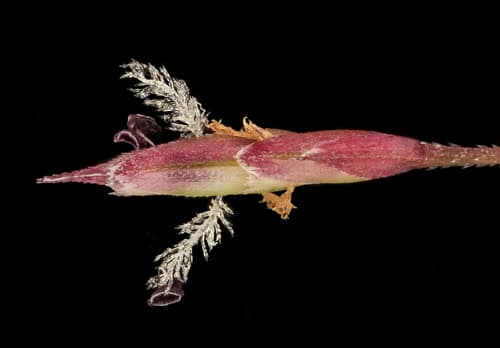
Toxicity unknown
Purple Lovegrass (Eragrostis spectabilis) is not listed by the ASPCA Animal Poison Control Center (opens in new tab) or the other sources we check, so we have no verdict for it either way. Absence from those lists is not a clearance. If your pet shows symptoms after eating any plant, call the ASPCA at (888) 426-4435.
The USDA PLANTS Database (opens in new tab) does not flag Purple Lovegrass as toxic to livestock.
Light
full sun
Water
low
Size
6"–18" H × 6"–12" W
Bloom
Jun, Jul, Aug
Native to
AL, AR, AZ, CO and 36 more states
Pollinators
bees, beetles, butterflies
Deer
Resistant (per Prairie Moon Nursery)
Before you buy
Your city may pay you to plant this
Cities and water utilities offer rebates for replacing lawn with native and water-wise plants. We track 459 programs across 44 states, each with a link to the provider and the date we last checked it.
Find rebates in your areaPicture natives in your own yard
Upload a photo of your yard and Patch Vision shows a rendering of it planted with natives for your region, like Purple Lovegrass.


Browse plants for this ecoregion
Purple love grass is a compact native ornamental grass that forms neat clumps with fine-textured foliage. In late summer, it produces distinctive purple-tinted seed heads that create an airy, cloud-like appearance above the grass blades.
Growing Purple Lovegrass
Grow Purple Lovegrass in full sun and low water. Mature plants reach 6 to 18 inches tall and spread 6 to 12 inches wide. Expect low maintenance to keep it looking intentional in a front yard.
How to care for Purple Lovegrass, by region
How to care for Purple Lovegrass where it is actually grown: year-round basics plus what to do each season, region by region, with the sources for each.
Care guidance last updated: October 2026
Atlantic Coastal Pine Barrens (includes Riverhead, NY)
Year-round
Purple lovegrass is a small, tough grass that loves full sun and lean, dry, sandy soil.
- Give it 6 or more hours of sun and well-drained, slightly dry soil.
- It handles drought, heat, poor soil and salt, which suits coastal Long Island.
- It forms small clumps and spreads slowly.
- Occasional aphids, spittlebugs or leaf spot can show up but rarely matter.
Compact clumps with a pink haze in late summer look neat along a front walk.
Fall
Fall brings the airy seed heads and rusty color, so enjoy them and leave them be.
- Let the seed heads stand for color and for birds and insects.
- Leave fallen leaves off the crown so it stays dry.
- Avoid late fertilizing or heavy mulch on the crown.
Winter
The grass goes dormant in winter and needs no protection.
- Leave the dry clumps standing through winter for shelter and looks.
- Cut back to a few inches in late winter before new growth begins.
- Good drainage matters more than cover, since wet winter soil is the main risk.
Spring
Spring is when this warm-season grass wakes up late, so be patient.
- New growth starts once the soil warms, often in May.
- Plant or divide in spring in a sunny, well-drained spot.
- Water new plants every week or so until established.
Summer
Summer is easy because the grass likes heat and dry soil.
- Once established it rarely needs watering, even in sandy soil.
- Skip fertilizer, since rich soil makes it floppy.
- Watch for aphids or spittlebugs and rinse them off with a hose if needed.
Sources: NC State Extension Plant Toolbox: Eragrostis spectabilis
Central Corn Belt Plains (includes Chicago, IL)
Year-round
Siting, soil, water, and size for purple lovegrass in Chicago.
- Lady Bird Johnson Wildflower Center describes purple lovegrass as found across most states east of the Rockies, including the Midwest.
- Plant in full sun, at least 6 hours a day, in well-drained sandy or average soil. It tolerates poor soil and clay.
- It stays small, about 8 to 18 inches tall and 10 to 16 inches wide, so use it at the front of a bed.
- Water new plants regularly the first season. Once established it is drought tolerant.
- It spreads by rhizomes and can self-seed, so expect a few volunteers.
Fall
Fall bloom and seed for Chicago.
- The purple haze peaks August through October, right when many gardens fade.
- Leave the seed heads standing so seeds can ripen and birds can use them.
- Seeds spread on the wind and the plant can break off and tumble, so expect some spread.
- Fall is fine for dividing clumps if you want more plants.
Winter
Winter dormancy for Chicago.
- The grass goes dormant and turns tan after frost. Cold does not bother it.
- Leave the dry foliage through winter for texture and to shelter overwintering insects.
- No watering or protection is needed in the ground.
- Cut it back in late winter or early spring when you tidy up.
Spring
Spring cleanup and growth for Chicago.
- Cut back last year's brown foliage in early spring before new growth starts, which in Chicago is often April.
- New tufts fill in slowly. Do not fertilize, since rich soil makes it floppy.
- Spring is a good planting time. Water weekly until roots take hold.
- Pull or move any self-sown seedlings you do not want while they are small.
Summer
Summer care and upcoming bloom for Chicago.
- Established plants need little water. Only water new plantings during dry weeks.
- Full sun and good drainage are what keep it upright and compact.
- Flowering starts around August, when fine reddish-purple flower clouds rise above the tufts.
- If used as a lawn alternative, it can be mowed a few times a year, but it will not handle heavy foot traffic.
Cut back messy tufts before they flop over the sidewalk edge for a cleaner look from the street.
Sources: Lady Bird Johnson Wildflower Center: Eragrostis spectabilis, NC State Extension Gardener Plant Toolbox: Eragrostis spectabilis
Central Great Plains (includes Oklahoma City, OK)
Year-round
Year-round care for purple love grass around Oklahoma City, OK: full sun, sandy well-drained soil, little water.
- Give it full sun and sandy, well-drained soil.
- Water use is low once it is established.
- It grows 8 to 18 inches tall, with reddish-purple flower clouds from August into October.
- It spreads by rhizomes and will reseed if the seed is allowed to ripen.
- Cut back dead foliage before spring growth begins.
A low grass with a clean spring cut back reads as a deliberate edging. Remove seedlings that stray past the bed to keep it HOA-friendly.
Sources: Lady Bird Johnson Wildflower Center: Eragrostis spectabilis, Native Plant Society of Texas: Eragrostis spectabilis
Cross Timbers (includes Fort Worth, TX)
Year-round
Purple love grass is a native warm-season clump grass that suits the sandy Cross Timbers soils around Fort Worth. It grows low and mounded and sends up a fine reddish-purple seed cloud in late summer. Full sun and lean, well-drained ground are all it asks for.
- Give it full sun and sandy or gravelly, well-drained soil, the kind of ground common across the Cross Timbers (Native Plant Society of Texas, npsot.org).
- It is a larval host plant for the Zabulon skipper butterfly, so a stand supports the next generation, not only nectar-feeding adults (Butterflies and Moths of North America, butterfliesandmoths.org).
- It is a low-water grass once established and shrugs off poor, dry soil (Lady Bird Johnson Wildflower Center, wildflower.org).
- Space clumps about 12 to 18 inches apart for a soft, connected mass.
- It is not on the ASPCA list of plants toxic to dogs or cats (ASPCA Animal Poison Control Center, aspca.org).
Its neat mounded shape and clean edges read as a deliberate planting, which keeps it HOA-friendly in a front bed or along a path.
Fall
Fall is the main event. The seed heads turn bronzy purple-red and the clump takes on warm color before the seed panicles snap off and tumble across the yard in the wind.
- Leave it standing through fall. The color and tumbling seed heads are the reason to grow it.
- Let some seed scatter to fill in gaps naturally over time.
- Wait to cut it back. The standing clump adds fall and early-winter texture.
The warm bronzy-purple fall color reads as an intentional seasonal accent, good curb appeal without looking messy.
Winter
Winter is dormancy. The grass fades to tan and rests. That is healthy behavior for this native, not a sign of trouble.
- Tan winter color is normal dormancy. The plant is alive and will green up in spring.
- Leave the dry clump standing for winter texture and cover for small wildlife.
- If you want a clean look, cut it back in late winter, right before new growth starts.
Spring
Spring is for cutting back and planting. Trim off the old dormant clump before new blades push, and set out new plants while the ground is still cool and moist.
- Cut last year's dry clump down to a few inches in late winter or early spring before fresh green appears.
- Plant new clumps in spring so they root before Fort Worth summer heat arrives.
- Water new plantings regularly for the first few weeks, then ease off.
- Do not fertilize. Lean, sandy soil gives you a tighter, better-looking clump than rich soil.
Summer
Summer is hands-off. The clump grows through the heat and begins its reddish-purple seed haze in late summer. Established plants need little to no extra water.
- Let it live on rainfall once established. It is built for hot, dry Cross Timbers summers.
- Do not trim in summer. You would cut off the airy seed display that is just starting to form.
- Give a new, first-year plant a deep soak every week or two only if it looks stressed.
Sources: Native Plant Society of Texas, Eragrostis spectabilis, Butterflies and Moths of North America, Zabulon skipper host plants, Lady Bird Johnson Wildflower Center, Eragrostis spectabilis, ASPCA, Toxic and Non-Toxic Plants
East Central Texas Plains (includes College Station, TX)
Year-round
Purple love grass is right at home in the Post Oak Savanna around College Station, where sandy soils and open woods are its classic habitat. It forms a low mound and sends up an airy reddish-purple seed cloud in late summer. Give it full sun and sandy, well-drained ground.
- Plant it in full sun in sandy, well-drained soil. Sandy fields and open woods are its natural habitat, which describes the Post Oak Savanna (Native Plant Society of Texas, npsot.org).
- It is a larval host plant for the Zabulon skipper butterfly, feeding caterpillars as well as nectar-seeking adults (Butterflies and Moths of North America, butterfliesandmoths.org).
- It is a low-water grass that thrives on lean, sandy soil once established (Lady Bird Johnson Wildflower Center, wildflower.org).
- Space clumps about 12 to 18 inches apart for a soft, connected mass.
- It is not on the ASPCA list of plants toxic to dogs or cats (ASPCA Animal Poison Control Center, aspca.org).
A low mounded clump grass with clean edges reads as an intentional planting, keeping it HOA-friendly in a front bed.
Fall
Fall is the highlight. The seed heads turn bronzy purple-red and the clump colors up, then the panicles break off and tumble across the ground in the wind.
- Leave it standing through fall for the color and the tumbling seed heads.
- Let some seed scatter if you want it to fill in on its own in sandy ground.
- Wait to cut it back so you get the full fall show.
The bronzy-purple fall color reads as a deliberate seasonal accent with real curb appeal.
Winter
Winter is dormancy. The grass fades to tan and rests until spring. That is normal for this native.
- Tan winter color is normal dormancy, not a dead plant.
- Leave the dry clump standing for winter texture and small-wildlife cover.
- For a tidy look, cut it back in late winter just before new growth starts.
Spring
Spring is for cleanup and planting. Cut the old clump back before new blades push, and set out new plants while the sandy soil still holds spring moisture.
- Trim last year's dormant clump to a few inches in late winter or early spring before fresh green appears.
- Plant new clumps in spring so they root before summer heat.
- Water new plantings regularly for the first few weeks, then reduce.
- Skip fertilizer. Lean, sandy Post Oak Savanna soil suits it fine.
Summer
Summer is easy. The clump grows through the heat and starts its reddish-purple seed haze in late summer. Established plants need little extra water.
- Let established plants run on rainfall through the hot summer.
- Do not trim in summer, or you cut off the forming seed display.
- Deep-soak a first-year plant every week or two only if it looks stressed.
Sources: Native Plant Society of Texas, Eragrostis spectabilis, Butterflies and Moths of North America, Zabulon skipper host plants, Lady Bird Johnson Wildflower Center, Eragrostis spectabilis, ASPCA, Toxic and Non-Toxic Plants
Edwards Plateau (includes San Antonio, TX)
Year-round
Purple love grass is a low native clump grass that grows in the sandy and gravelly pockets of the Edwards Plateau around San Antonio. It stays mounded and low and sends up a reddish-purple seed cloud in late summer. Give it full sun and well-drained ground.
- Plant it in full sun in the sandier or gravelly, well-drained spots of your yard. It grows across the Edwards Plateau in those conditions (Native Plant Society of Texas, npsot.org).
- It is a larval host plant for the Zabulon skipper butterfly, feeding caterpillars as well as adult butterflies (Butterflies and Moths of North America, butterfliesandmoths.org).
- It leans toward sandy rather than chalky soil, so a well-drained, lower-lime pocket suits it best (Lady Bird Johnson Wildflower Center, wildflower.org).
- It is a low-water grass once established.
- It is not on the ASPCA list of plants toxic to dogs or cats (ASPCA Animal Poison Control Center, aspca.org).
A compact, mounded grass with tidy edges reads as an intentional planting, which keeps it HOA-friendly in a front bed.
Fall
Fall is the highlight. The seed heads turn bronzy purple-red and the clump colors up, then the panicles break off and tumble across the ground in the wind.
- Leave it standing through fall for the color and the tumbling seed heads.
- Let some seed scatter if you want it to fill in on its own.
- Hold off cutting it back so you get the full fall show.
The bronzy-purple fall color gives a clean seasonal accent that looks planned, not neglected.
Winter
Winter is dormancy. The grass turns tan and rests until spring. That is normal for this native.
- Tan winter color means dormant, not dead. New growth returns in spring.
- Leave the dry clump up for winter texture and small-wildlife cover.
- For a tidy look, cut it back in late winter just before new growth starts.
Spring
Spring is for cleanup and planting. Cut down the old clump before new green pushes, and set out new plants while the soil is still cool and holding moisture.
- Trim last year's dormant clump to a few inches in late winter or early spring before fresh blades appear.
- Plant new clumps in spring so they establish before Hill Country summer heat.
- Water new plantings regularly for a few weeks, then reduce as they root in.
- Skip fertilizer. Lean, well-drained soil produces a tighter, better clump.
Summer
Summer is low effort. The clump grows through the heat and starts its reddish-purple seed haze in late summer. Established plants ask for very little water.
- Let established plants run on rainfall. This grass handles hot, dry San Antonio summers well.
- Do not cut it in summer or you lose the airy seed display forming in late summer.
- Water a first-year plant deeply every week or two only if it shows stress.
Sources: Native Plant Society of Texas, Eragrostis spectabilis, Butterflies and Moths of North America, Zabulon skipper host plants, Lady Bird Johnson Wildflower Center, Eragrostis spectabilis, ASPCA, Toxic and Non-Toxic Plants
High Plains (includes Lubbock, TX)
Year-round
Purple love grass is a low, clumping warm-season native grass that fits the sandy High Plains soils around Lubbock. It stays under about knee height and puts up an airy reddish-purple seed cloud in late summer. It wants full sun and very little water once it has roots down.
- Plant it in full sun on sandy or gravelly, well-drained ground. It handles the dry, open conditions of the Llano Estacado (Native Plant Society of Texas, npsot.org).
- It is a larval host plant for the Zabulon skipper butterfly, so a patch feeds caterpillars, not just adults (Butterflies and Moths of North America, butterfliesandmoths.org).
- Water it to get it started, then back off. It is a low-water grass built for tough, poor soils (Lady Bird Johnson Wildflower Center, wildflower.org).
- It is a clump grass, so space plants about 12 to 18 inches apart if you want them to knit into a soft mass.
- It is not on the ASPCA list of plants toxic to dogs or cats (ASPCA Animal Poison Control Center, aspca.org).
A tidy, low clump grass reads as intentional planting rather than a weed, which keeps it HOA-friendly along a bed edge or walkway.
Fall
Fall is the peak show. The seed heads glow bronzy purple-red and the whole clump takes on warm color, then the seed panicles break off and tumble across the ground in the wind.
- Leave the plant standing through fall. The color and the tumbling seed heads are the best part of the year.
- Let some seed heads scatter if you want more plants. This is how it spreads on its own in sandy ground.
- Hold off on cutting it back. The dry clump gives winter cover for small wildlife.
The bronzy fall color and neat mounded shape give real curb appeal without looking overgrown.
Winter
Winter is downtime. The grass goes dormant and tan on the High Plains. That is normal, not a dead plant. You can leave it standing or cut it late in the season.
- Dormant tan color in winter is expected. The roots are alive and will push new growth in spring.
- You can leave the dry clump up all winter for texture and wildlife cover.
- If you prefer a clean look, wait until late winter to cut it back so you get the full off-season standing display first.
Spring
Spring is planting and cleanup time for purple love grass on the High Plains. Cut back last year's dry clump before new green pushes, and get new plants in the ground while soil still holds some moisture.
- Cut the old dormant clump down to a few inches in late winter or very early spring, before fresh blades appear.
- Set out new plants in spring so roots can establish before the hot, dry stretch hits Lubbock.
- Water new spring plantings regularly for the first few weeks, then taper off as they root in.
- Skip fertilizer. This grass does better in lean, sandy soil than in rich, fed soil.
Summer
Summer is the easy season. The clump greens up and grows, and by late summer it starts throwing its reddish-purple seed haze. It needs almost nothing from you once established.
- Let it ride on rainfall. Established plants handle High Plains summer heat and drought with little or no extra water.
- Do not shear it in summer. The whole point is the airy purple seed cloud that forms in late summer.
- If a new plant looks stressed in peak heat, a deep soak every week or two is plenty.
Sources: Native Plant Society of Texas, Eragrostis spectabilis, Butterflies and Moths of North America, Zabulon skipper host plants, Lady Bird Johnson Wildflower Center, Eragrostis spectabilis, ASPCA, Toxic and Non-Toxic Plants
Huron/Erie Lake Plains (includes Toledo, OH)
Year-round
Purple lovegrass is a low, tough bunchgrass that thrives on neglect. In a Toledo yard it wants full sun, lean well drained soil, and almost nothing from you once it settles in.
- Plant it in full sun. It gets thin and floppy in shade.
- It prefers sandy, gravelly, or lean soil over rich garden soil, and it does not want to sit in a wet spot.
- Water it regularly through the first season while roots establish, then let rainfall take over. It handles Toledo's dry summer stretches well once rooted.
- It typically grows one to two feet tall as a tidy tuft, so it fits a small front bed without spreading aggressively.
- It is not on the ASPCA's toxic plant list for dogs or cats, so it is a low worry choice near pets, though any grass eaten in large amounts can still upset a stomach.
Fall
Fall is when purple lovegrass earns its name. The reddish purple seed heads peak right around Toledo's first frost window.
- Expect the hazy, reddish purple bloom cloud from August into October, at its showiest before Toledo's first frost, which typically arrives in mid October.
- Leave the seed heads standing. They are the whole point of this grass in fall and they also feed birds through the season.
- The seed heads are fragile and will eventually break off and tumble in the wind on their own, so a few blowing into the lawn is normal.
- Do not cut the plant back now. Save that job for late winter or early spring.
A full, upright stand of purple seed heads in a defined bed reads as an intentional fall planting rather than an overgrown patch, which helps keep it HOA-friendly.
Winter
Winter is a rest period. Leave the dried clump standing through the cold months in Toledo and save the cleanup for early spring.
- The blades die back and turn tan or bronze, but the roots stay protected through freezing temperatures. This grass handles Toledo winters fine.
- Leaving the dried clump up through winter gives some shelter and forage for birds and other wildlife.
- Hold off on any pruning until late winter or very early spring, right before new growth starts.
- If a street facing bed needs to look tidier through winter, you can trim the dried clump back anytime after it has fully browned. It will not hurt the plant.
A trimmed, low, tidy dried clump through winter reads as an intentional planting bed instead of a neglected patch, which helps a front facing bed avoid a violation letter.
Spring
Spring in Toledo is cutback and cleanup time for purple lovegrass, done before the new warm season growth pushes up.
- Cut the dried clump back close to the ground in late winter or very early spring, before new blades emerge. Toledo's last frost usually lands in the last week of April, so aim to finish this well before then.
- This is a warm season grass, so do not expect green growth right away. It typically stays quiet until the soil warms up in May.
- If you want more plants, divide an established clump now while it is still dormant and replant divisions in a sunny, well drained spot.
- Skip the fertilizer. Lean soil is what keeps this grass compact and upright instead of floppy.
Cutting the old tan clump down before spring green up reads as an intentional, cared for bed instead of a leftover weed patch, which helps it stay HOA-friendly.
Summer
Summer is the easy season. Purple lovegrass is actively growing and needs very little from you through Toledo's warm months.
- Once established, skip supplemental watering except during an extended dry spell. This grass handles heat and drought well.
- Leave it alone otherwise. No fertilizer, no staking, and no mid summer trimming needed.
- Watch for aphids or spittlebugs on the blades. A strong spray of water from the hose usually knocks them off without needing a spray.
- By late summer the first hints of the airy purple seed heads start to show, right on schedule for its bloom period.
Sources: Lady Bird Johnson Wildflower Center, Eragrostis spectabilis, USDA NRCS Plant Fact Sheet, Purple Lovegrass, ASPCA Toxic and Non-Toxic Plant List, Dogs, Epic Gardening, Purple Love Grass Care Guide (community tip)
Interior Plateau (includes Cincinnati, OH)
Year-round
Purple lovegrass is a low, tough bunchgrass that thrives on neglect. In a Cincinnati yard it wants full sun, lean well drained soil, and almost nothing from you once it settles in.
- Plant it in full sun. It gets thin and floppy in shade.
- It prefers sandy, gravelly, or lean soil over rich garden soil, and it does not want to sit in a wet spot.
- Water it regularly through the first season while roots establish, then let rainfall take over. It handles Cincinnati's humid, sometimes dry summer stretches well once rooted.
- It typically grows one to two feet tall as a tidy tuft, so it fits a small front bed without spreading aggressively.
- It is not on the ASPCA's toxic plant list for dogs or cats, so it is a low worry choice near pets, though any grass eaten in large amounts can still upset a stomach.
Fall
Fall is when purple lovegrass earns its name. The reddish purple seed heads peak while Cincinnati's growing season is still holding on.
- Expect the hazy, reddish purple bloom cloud from August into October. Cincinnati's first frost typically holds off until late October, so there is usually a long stretch to enjoy the display.
- Leave the seed heads standing. They are the whole point of this grass in fall and they also feed birds through the season.
- The seed heads are fragile and will eventually break off and tumble in the wind on their own, so a few blowing into the lawn is normal.
- Do not cut the plant back now. Save that job for late winter or early spring.
A full, upright stand of purple seed heads in a defined bed reads as an intentional fall planting rather than an overgrown patch, which helps keep it HOA-friendly.
Winter
Winter is a rest period. Leave the dried clump standing through the cold months in Cincinnati and save the cleanup for early spring.
- The blades die back and turn tan or bronze, but the roots stay protected through freezing temperatures. This grass handles Cincinnati winters fine.
- Leaving the dried clump up through winter gives some shelter and forage for birds and other wildlife.
- Hold off on any pruning until late winter or very early spring, right before new growth starts.
- If a street facing bed needs to look tidier through winter, you can trim the dried clump back anytime after it has fully browned. It will not hurt the plant.
A trimmed, low, tidy dried clump through winter reads as an intentional planting bed instead of a neglected patch, which helps a front facing bed avoid a violation letter.
Spring
Spring in Cincinnati is cutback and cleanup time for purple lovegrass, done before the new warm season growth pushes up.
- Cut the dried clump back close to the ground in late winter or very early spring, before new blades emerge. Cincinnati's last frost usually lands around mid April, a bit earlier than points north in Ohio, so plan the cutback for before then.
- This is a warm season grass, so do not expect green growth right away. It typically stays quiet until the soil warms up, often into May.
- If you want more plants, divide an established clump now while it is still dormant and replant divisions in a sunny, well drained spot.
- Skip the fertilizer. Lean soil is what keeps this grass compact and upright instead of floppy.
Cutting the old tan clump down before spring green up reads as an intentional, cared for bed instead of a leftover weed patch, which helps it stay HOA-friendly.
Summer
Summer is the easy season. Purple lovegrass is actively growing and needs very little from you through Cincinnati's warm, humid months.
- Once established, skip supplemental watering except during an extended dry spell. This grass handles heat and drought well.
- Leave it alone otherwise. No fertilizer, no staking, and no mid summer trimming needed.
- Watch for aphids or spittlebugs on the blades. A strong spray of water from the hose usually knocks them off without needing a spray.
- By late summer the first hints of the airy purple seed heads start to show, right on schedule for its bloom period.
Sources: Lady Bird Johnson Wildflower Center, Eragrostis spectabilis, USDA NRCS Plant Fact Sheet, Purple Lovegrass, ASPCA Toxic and Non-Toxic Plant List, Dogs, Epic Gardening, Purple Love Grass Care Guide (community tip)
Interior River Valleys and Hills (includes Peoria, IL)
Year-round
Purple love grass is a low bunchgrass that suits sunny, well drained Peoria beds, best known for the airy purple-pink haze its seed heads create in late summer and fall.
- Plant in full sun to part sun in well drained soil, sandy or lean soil is ideal but it adapts to average garden soil.
- Forms a low clump around eighteen inches tall, taller when in bloom.
- Drought tolerant once established, needing little supplemental water.
- Spreads slowly by rhizome and light reseeding, so it stays well behaved rather than aggressive.
- Foliage turns orange and bronze in fall for extended seasonal interest.
Its neat clumping habit and showy but non-weedy look make it an easy ornamental grass choice for an HOA-conscious yard.
Fall
Fall is the showiest season for purple love grass, with a haze of purple-pink seed heads and bronze color.
- Seed heads open into a distinctive purple-pink haze in late summer into fall.
- Leave the seed heads in place for visual interest and for birds that feed on the seed.
- Foliage shifts to orange and bronze tones as temperatures cool.
- Light reseeding around the clump is normal and helps it spread slowly over time.
Winter
Purple love grass goes dormant after frost, but the standing foliage still adds winter interest.
- Foliage goes dormant after the first hard frost.
- Leave the dried clump standing through winter for texture and wildlife cover.
- Cut back to a few inches above the ground in late winter, before new spring growth starts.
- No mulching or winter protection is generally needed for an established clump.
Spring
Purple love grass greens up late in spring as Peoria soil warms.
- Cut back old, dead growth from the previous year before new shoots emerge.
- New growth typically appears later than cool season lawn grasses, since this is a warm season species.
- No fertilizer is needed, since rich soil can make the clump floppy.
- Divide crowded clumps in spring if you want to spread it to new spots.
Summer
Purple love grass handles summer heat well once its roots are established.
- Water occasionally during the first summer to help roots establish.
- Established plants are drought tolerant and need no regular watering.
- Avoid heavy fertilizer or rich soil amendments, which can cause it to flop.
- Good airflow around the clump helps keep it looking tidy through humid weather.
Sources: USDA PLANTS Profile: Eragrostis spectabilis, ASPCA Toxic and Non-Toxic Plants List, NC State Extension Gardener Plant Toolbox: Eragrostis spectabilis
Mississippi Alluvial Plain (includes Memphis, TN)
Year-round
Purple love grass is a native Tennessee bunchgrass that fits well into sunny, well drained Memphis beds, best known for the airy purple-pink haze its seed heads create in late summer and fall.
- Plant in full to part sun in well drained soil, sandy or lean soil is ideal but it adapts to average garden soil.
- Forms a low clump around eighteen inches tall, taller when in bloom.
- Drought tolerant once established, needing little supplemental water in Memphis summers.
- Spreads slowly by rhizome and light reseeding, so it stays well behaved rather than aggressive.
- Foliage turns orange and bronze in fall for extended seasonal interest.
Its neat clumping habit and showy but non-weedy look make it an easy native swap for an ornamental grass bed in an HOA-conscious yard.
Fall
Fall is the showiest season for purple love grass in Memphis, with a haze of purple-pink seed heads and bronze fall color.
- Seed heads open into a distinctive purple-pink haze in late summer into fall.
- Leave the seed heads in place for visual interest and for birds that feed on the seed.
- Foliage shifts to orange and bronze tones as temperatures cool.
- Light reseeding around the clump is normal and helps it spread slowly over time.
Winter
Purple love grass goes dormant after frost in Memphis but the standing foliage still adds winter interest.
- Foliage goes dormant after the first fall frost, averaging around early November in Memphis.
- Leave the dried clump standing through winter for texture and wildlife cover.
- Cut back to a few inches above the ground in late winter, before new spring growth starts.
- No mulching or winter protection is needed since it is well adapted to Memphis winters.
Spring
Purple love grass greens up as Memphis soil warms in mid to late spring.
- Cut back old, dead growth from the previous year before new shoots emerge.
- New growth typically appears later than cool season lawn grasses, since this is a warm season species.
- No fertilizer is needed, since rich soil can make the clump floppy.
- Divide crowded clumps in spring if you want to spread it to new spots.
Summer
Purple love grass handles Memphis's hot, humid summer well, especially once its roots are established.
- Water occasionally during the first summer to help roots establish.
- Established plants are drought tolerant and need no regular watering even in Memphis's summer heat.
- Avoid heavy fertilizer or rich soil amendments, which can cause it to flop.
- Good airflow around the clump helps keep it looking tidy through the humid season.
Sources: USDA PLANTS Profile: Eragrostis spectabilis, ASPCA Toxic and Non-Toxic Plants List, NC State Extension Gardener Plant Toolbox: Eragrostis spectabilis, National Weather Service Memphis: Frost and Freeze Data
Mississippi Valley Loess Plains (includes Memphis, TN)
Year-round
Purple love grass is a low-maintenance native bunchgrass that wants full sun and well-drained soil, and it needs very little care once it settles in.
- Give it at least 6 hours of direct sun a day. It gets thin and floppy in shade.
- Well-drained soil matters more than rich soil. It handles sandy, dry, or infertile ground better than damp or heavy clay.
- Skip regular watering and fertilizer once it is established. It is built to get through hot, dry stretches on its own.
- It is native to Tennessee, so it fits into a native yard plan without extra soil amending.
- It is a warm-season grass, so it looks brown and dormant for part of the year. That is normal, not a sign of a dying plant.
Fall
Fall is when purple love grass earns its name, with reddish-purple seed heads at their showiest through Memphis's cooler weeks before the average November frost.
- Peak bloom color runs into October, giving weeks of reddish-purple haze before Memphis's average November 3 first frost.
- Once the seed heads dry out, the whole flower cluster can break off and roll like a small tumbleweed.
- Foliage shifts to orange and bronze tones as nights cool. That is normal fall color, not stress.
- To let it reseed for a fuller patch next year, leave the seed heads in place until they scatter on their own.
The dry seed heads can break loose and tumble like small tumbleweeds. Cutting the flowering stems back before they fully mature keeps them from blowing into a neighbor's yard or a shared area, an easy way to keep the planting looking intentional.
Winter
This grass goes fully dormant through a Memphis winter, so the main task is deciding when to cut back the tan winter growth.
- Expect tan, dry foliage through winter after the average November 3 first frost. This is normal dormancy for a warm-season grass, not dieback.
- The dry clump can stay standing through winter for texture, or be cut back in fall if a tidier look matters more right away.
- Cut old growth to a few inches above the ground before new blades start in spring, using sharp shears or a mower blade for a clean cut.
- No winter watering or protection is needed. Memphis winters rarely get cold enough to hurt this grass's dormant crown.
Spring
In Memphis, this grass is one of the last things in the yard to wake up in spring, so patience matters more than action.
- Memphis's average last frost is around March 30, but this grass will not show much growth until well after that, often not until May. Do not assume it died over winter.
- If last year's dry stems are still standing, cut them back now to a few inches above the ground before new blades come up.
- Skip heavy spring watering. Memphis spring rainfall is usually enough, and soggy ground is more of a risk to this grass than dry ground.
- New growth starts as thin green blades at the base of last year's clump. A slow start does not mean the plant needs replacing.
Summer
Memphis summer heat and humidity are exactly what this grass wants, so the main job is staying hands off.
- No supplemental water is needed once the plant is past its first year, even through Memphis's hot, humid July and August stretches.
- Humidity can bring aphids, leaf spot, or spittlebugs. These are usually cosmetic and rarely need treatment on an established clump.
- Resist the urge to fertilize for a fuller look. Rich soil and extra feeding tend to make this grass floppy instead of full.
- Flower panicles start showing reddish purple color late in summer, typically by August.
Sources: Lady Bird Johnson Wildflower Center - Eragrostis spectabilis, NC State Extension Plant Toolbox - Eragrostis spectabilis, National Weather Service Memphis - Average Frost/Freeze Dates
Northeastern Coastal Zone (includes New York, NY)
Year-round
Purple love grass is a small clumping grass that is native to New York, including all five New York City boroughs and the surrounding counties. It wants the two things a city front yard often has plenty of: full sun and lean, gritty, fast-draining soil. It stays about knee high or lower, then throws a purple-red haze of seed heads from roughly late July into September. Around New York it is a warm-season grass, which means it sleeps late in spring and does most of its growing in the hot months. It handles drought and road salt better than most garden plants, so it works next to sidewalks and driveways where de-icer lands. The one thing it will not forgive is rich, soggy, or shaded ground, where it flops and thins out.
- Give it at least six hours of direct sun a day.
- Plant it in sandy, gravelly, or plain lean soil, never in a wet low spot.
- Skip fertilizer completely, since rich soil makes it flop open.
- Water only to get it rooted the first season, then leave it alone.
- Expect a 12 to 18 inch mound with a purple haze above it in late summer.
The low, tidy mound and the short purple bloom haze read as an intentional, calm planting from the street, which makes this an easy HOA-friendly choice for a small front bed or a strip along a walk.
Fall
Through September the purple haze fades to a soft bronze and brown, and the whole seed head eventually snaps off the plant and rolls away like a tumbleweed. In a small city yard that matters, because those seed heads pile against fences, stoops, and parked cars, and they drop seedlings wherever they stop. If you do not want volunteers, shear the flower stalks off in early to mid September before the seed finishes ripening, and leave the leaf mound itself alone. If you do want more of it, or you like the look, let it go and just rake up strays. First frost near New York City usually lands in early November, and frost is not a problem for this plant. Do not cut the clump to the ground now, because the standing tuft protects the crown through a cold, wet winter and the cutback belongs in spring instead.
- Shear only the flower stalks in early to mid September if you do not want self-seeding.
- Leave the leaf mound standing rather than cutting the plant to the ground.
- Rake up loose seed heads that blow against fences, walks, and steps.
- Stop watering entirely once nights turn cool in October.
- Do not add mulch over the crown, since it holds winter wet against the base.
Loose seed heads tumbling onto a sidewalk or a neighbor's driveway is the one messy-looking moment this plant has, so a September stalk trim plus one raking keeps a street-facing bed looking intentional.
Winter
Winter care here is mostly about what you do not do. Leave the tan clump standing, because the old blades shed water off the crown and shield it during the freeze and thaw swings that a New York winter delivers. The bigger issue in the city is de-icer. This grass handles salt better than most garden plants, which is exactly why it works along a sidewalk strip, but salt still builds up in soil over several winters and it is worth limiting. Do not shovel or pile salted snow directly onto the clump, and steer runoff from a salted walk or driveway away from the bed if you can. If you handle the de-icing yourself, mix in sand or use a low-sodium product near the planting. There is nothing to water, feed, or prune between the first frost in early November and your spring cutback.
- Leave the tan clump standing all winter and do not cut it down.
- Pile shoveled, salted snow somewhere other than on top of the plant.
- Steer runoff from a salted walk or driveway away from the bed.
- Use sand or a low-sodium de-icer on the pavement closest to the planting.
- Do not water, feed, or prune anything until late March.
The upright tan clump holds a neat, deliberate shape through winter, so leaving it standing reads as a planned four-season bed rather than neglected growth.
Spring
Around New York City the last frost lands near mid April, so late March into early April is your window to cut the old brown clump back to about three inches before any green shows. Do it before new growth starts, because once the new blades push up you will slice their tips and the clump looks chewed all summer. This grass is a late riser, so do not panic if the crown still looks dead in early May while everything else is leafing out. If your plant sits within about 30 feet of a salted street, sidewalk, or driveway, soak the soil deeply in early spring, roughly six inches of water over a few sessions, to flush winter de-icer salt down past the roots. Early spring is also the time to dig and divide a clump that has gotten wide and hollow in the middle, or to plant a new one once the soil has warmed. If cool-season weeds crowded in over winter, pull them now while the grass is still short and easy to see around.
- Cut last year's brown clump to about three inches in late March or early April.
- Do not cut once new green blades have started, or the tips stay ragged all year.
- Soak salted-side plantings deeply in early spring to wash de-icer out of the root zone.
- Divide crowded or hollow-centered clumps now and replant the outer pieces.
- Weed out cool-season grasses and weeds while the clump is still low.
Doing the cutback in one pass in late March keeps the bed from spending April looking half-groomed, which is the part neighbors notice on a small front-yard strip.
Summer
New York summers are hot and sticky with rain spread through the season, and that steady moisture plus still city air is the main thing that bothers this grass. It is drought tolerant, so in a normal week of summer rain you should not water it at all, and an established clump can go through a dry stretch untouched. Only water a plant put in this year, and then water the soil at the base rather than spraying the leaves, because wet foliage in humid air invites leaf spot. Leaf spot, aphids, and spittlebugs are the occasional pests here, and they are usually a sign of crowding rather than a real emergency. Give each clump about 18 inches of open space so air moves through instead of sitting in the leaves. The purple seed head haze usually starts showing in late July and builds through August and September, so resist the urge to trim anything during this stretch.
- Do not water an established clump unless the soil is dry several inches down.
- Water new plants at the base only, never over the top of the leaves.
- Leave about 18 inches of open space around each clump for airflow.
- Check for aphids, spittlebug foam, and leaf spot, and thin crowding rather than spraying.
- Do not trim or shear once the purple seed heads start forming in late July.
Sources: New York Flora Atlas, Eragrostis spectabilis (native status and county distribution), Lady Bird Johnson Wildflower Center, Eragrostis spectabilis, NC State Extension Gardener Plant Toolbox, Eragrostis spectabilis, Native Plant Trust Plant Finder, Eragrostis spectabilis (mow before seed maturity to limit self-seeding), University of Wisconsin Extension, Winter Salt Injury and Salt-tolerant Landscape Plants (snow piling, runoff, de-icer alternatives)
Northern Piedmont (includes Lancaster, PA)
Year-round
Purple lovegrass is a warm season native bunchgrass that wants full sun and lean, well drained soil, sandy or loamy is fine. It is confirmed native to Pennsylvania, and Lancaster's Piedmont soils and climate are well within its range. It needs no fertilizer and struggles in rich, wet beds.
- Full sun, at least 6 hours of direct light a day
- Well drained soil, tolerates sandy, loamy, or poor soil
- Skip fertilizer, rich soil makes it floppy and lets other plants crowd it out
- Established plants handle drought and need no regular watering
Fall
Fall is peak bloom, the fine reddish purple flower panicles that give this grass its name open from August into October, and the foliage often turns orange or bronze. Leave the seed heads and foliage standing now rather than cutting back, the one cutback of the year happens later, in late winter.
- Bloom color continues into October in most years
- Foliage often shifts to orange or bronze tones
- Leave the plant standing through fall and winter, do not cut back yet
- If self seeding in a tight bed is a concern, snip a few spent panicles before they shatter
Leaving the plant standing through fall is normal care for this grass, not neglect, a defined bed edge around it helps that read clearly from the street.
Winter
The dried tan clump and seed heads stand through winter as this grass's dormant look, that is expected, not a sign of a dead or neglected plant. Wait until late winter or very early spring to do the single yearly cutback, cutting the old foliage down to 3 to 4 inches before new blades start.
- Leave the dormant clump standing all winter, do not cut back now
- Plan the one yearly cutback for late winter to early spring, around February in most years
- Cut to 3 to 4 inches above ground with sharp shears or pruners
- A crisp, defined edge around the dormant clump helps it read as an intentional part of the yard
A standing dormant grass clump can look unkempt to a passerby without a defined edge, keeping a clean bed line and sticking to the late winter cutback schedule keeps this reading as intentional care instead of neglect.
Spring
This is a warm season grass, so it wakes up later than cool season lawns and ornamentals, new blades usually do not show until soil warms past 60 degrees Fahrenheit in mid to late spring. Do the one big yearly cutback now, before new growth starts, cutting last year's dried foliage down to 3 to 4 inches.
- Cut old dried foliage to 3 to 4 inches above the ground before new blades emerge
- Do this cutback in late winter to early spring, not in fall
- Do not expect green growth right away, it lags behind cool season plants until soil warms
- No fertilizer needed as growth resumes
Cutting back the old growth on a normal spring schedule reads as intentional bed care, not a plant left to go to seed.
Summer
Mid to late summer is this grass's active growing season. Established clumps in Lancaster's climate need no supplemental water except during an extended dry spell in the plant's first year, and a wetter spot will make the foliage flop instead of standing up.
- No regular watering needed once established, beyond the first year
- Keep it out of spots that stay damp after rain, it prefers dry to medium soil
- Flower panicles begin opening by August, the first sign the season's growth is complete
Sources: Lady Bird Johnson Wildflower Center, Eragrostis spectabilis plant profile, NC State Extension Gardener Plant Toolbox, Eragrostis spectabilis, USDA PLANTS Database, Eragrostis spectabilis profile, Buncombe County Master Gardener Volunteers, NC Cooperative Extension, cutting back ornamental grasses
Piedmont (includes Atlanta, GA)
Year-round
Purple love grass is native to Georgia's sandy open sites and does well in Atlanta yards with full sun and lean, well-drained soil.
- Give it at least six hours of direct sun a day and soil that drains fast, sandy or gravelly ground it likes best.
- Established plants handle Atlanta's summer dry spells without extra watering.
- It stays low, eight to eighteen inches tall, and forms tidy clumps rather than spreading aggressively.
- Native to Georgia's dry, sandy open sites including old fields and roadsides.
Fall
Late summer into fall is when purple love grass earns its name, with airy red-purple seed heads that show best in September and October.
- Bloom color peaks August through October in the Atlanta area.
- In a defined bed or border this reads as a planned feature, not an overgrown patch.
- The seed heads eventually break off and tumble like small tumbleweeds, so sweep them off a driveway or walkway once they drop.
- No deadheading is needed if you want it to reseed and fill in over time.
The purple-red haze looks best, and most clearly intentional, when the clump sits inside an edged bed rather than loose in open turf.
Winter
The grass goes dormant and fades to tan through Atlanta's mild winters, and is best left standing until the late-winter cutback.
- Foliage browns after the first fall frost, typically by mid-November.
- Leaving the dormant clump in place adds winter texture and gives small birds and mammals cover and seed to feed on.
- Hold off on cutting it back until late winter, cutting too early removes winter interest for no benefit.
- It tolerates Atlanta's occasional hard freezes without special protection.
A dormant clump can look untidy to a neighbor who doesn't garden, a defined edge or low border signals it's intentional, not neglected.
Spring
Cut the old winter growth back hard in late winter to early spring, before new blades push up, to keep the clump looking intentional.
- In the Atlanta area this means cutting back sometime before the average last frost in late March.
- Trim the whole clump down to a few inches above the ground.
- New growth is slow to start since this is a warm-season grass, don't expect green blades until the soil warms in April or May.
- Divide crowded clumps now if you want more plants.
A hard cutback in late winter reads as deliberate yard care rather than a dead patch, which matters most on a front-facing bed.
Summer
Once established, purple love grass shrugs off Atlanta's hot, humid summers with no supplemental water.
- This is the plant's active growing season, and it needs no fertilizer or regular irrigation in average conditions.
- Watch for aphids, spittlebugs, or leaf spot, all occasional and rarely serious enough to treat.
- Good drainage matters more than watering, standing water after a heavy Atlanta thunderstorm is the bigger risk.
- Avoid mowing or foot traffic through the clump while it's actively growing.
Sources: Lady Bird Johnson Wildflower Center, Native Plants Database: Eragrostis spectabilis, NC State Extension Gardener Plant Toolbox: Eragrostis spectabilis (Purple Lovegrass)
Ridge and Valley (includes Harrisburg, PA)
Year-round
Purple Love Grass is a low, tough grass that likes full sun and poor, dry, sandy soil. It is native to Pennsylvania and needs very little care once settled.
- Give it full sun and well-drained sandy or gravelly soil. Rich, moist soil makes it struggle.
- Once established it handles dry spells well, so skip fertilizer and heavy watering.
- Birds use the dry seed heads for nesting, and it is a host plant for the paradoxical grass moth.
Fall
Fall is when the reddish-purple flower clouds show off, then you choose whether to let it reseed.
- Enjoy the blooms from late summer into fall.
- To stop self-seeding, cut flower stalks to the ground before seeds ripen.
- Leave the stalks if you want it to spread and the dry seed heads for birds.
If neat edges matter, cut the stalks before seeds ripen to keep the bed tidy and stop reseeding.
Winter
Winter needs almost nothing. The plant handles cold and the tan stems add some interest.
- Do not water or fertilize.
- Leave the dried stems standing until early spring, then cut them back.
- Keep heavy mulch off the crown so it stays dry.
Spring
Spring is the time to tidy up old growth and plant or divide clumps in Harrisburg.
- Mow or cut last year's stems low in early spring before new growth starts.
- Plant new seedlings or divide clumps now, and water weekly until roots settle.
- Skip fertilizer. Poor soil keeps the clumps tight.
Summer
Summer is easy. This grass likes heat and dry spells once it is settled in.
- Established plants rarely need water. Overwatering makes them floppy.
- Newly planted clumps can use a deep soak every week or so in a hot dry stretch.
- Flower stalks start rising in late summer.
Sources: Native Plant Trust - Eragrostis spectabilis (purple lovegrass), Lady Bird Johnson Wildflower Center - Eragrostis spectabilis
South Central Plains (includes Beaumont, TX)
Year-round
Purple love grass is a natural fit for the Piney Woods around Beaumont, where sandy fields, pine flatwoods, and open woodland are its core habitat. It forms a low mound and sends up an airy reddish-purple seed cloud in late summer. Give it full sun and sandy, well-drained soil.
- Plant it in full sun in sandy, well-drained soil. Pine woodlands and sandy fields are exactly its natural habitat (Native Plant Society of Texas, npsot.org).
- It is a larval host plant for the Zabulon skipper butterfly, feeding caterpillars as well as adult butterflies (Butterflies and Moths of North America, butterfliesandmoths.org).
- It is a low-water grass that thrives on lean, sandy East Texas soil once established (Lady Bird Johnson Wildflower Center, wildflower.org).
- Space clumps about 12 to 18 inches apart for a soft mass.
- It is not on the ASPCA list of plants toxic to dogs or cats (ASPCA Animal Poison Control Center, aspca.org).
A low mounded clump grass with clean edges reads as intentional, keeping it HOA-friendly in a front-yard bed.
Fall
Fall is the highlight. The seed heads turn bronzy purple-red and the clump colors up, then the panicles break off and tumble across the ground in the wind.
- Leave it standing through fall for the color and the tumbling seed heads.
- Let some seed scatter if you want it to fill in on its own in sandy ground.
- Wait to cut it back so you get the full fall show.
The bronzy-purple fall color reads as a deliberate seasonal accent with real curb appeal.
Winter
Winter is dormancy. The grass fades to tan and rests until spring. That is normal for this native.
- Tan winter color is normal dormancy, not a dead plant.
- Leave the dry clump up for winter texture and small-wildlife cover.
- For a clean look, cut it back in late winter just before new growth starts.
Spring
Spring is for cleanup and planting. Cut the old clump back before new blades push, and plant new clumps into the warm, moist sandy soil.
- Trim last year's dormant clump to a few inches in late winter or early spring before fresh green appears.
- Plant new clumps in spring so they root before the humid summer.
- Water new plantings for the first few weeks, then reduce, and avoid soggy soil.
- Skip fertilizer. Lean, sandy Piney Woods soil suits it well.
Summer
Summer is easy. The clump grows through the heat and humidity and begins its reddish-purple seed haze in late summer. Good drainage matters more than watering.
- Let established plants run on rainfall. East Texas summers usually supply enough.
- Keep it out of standing water. Soggy soil is harder on this grass than dry spells.
- Do not trim in summer, or you cut off the seed display forming late in the season.
Sources: Native Plant Society of Texas, Eragrostis spectabilis, Butterflies and Moths of North America, Zabulon skipper host plants, Lady Bird Johnson Wildflower Center, Eragrostis spectabilis, ASPCA, Toxic and Non-Toxic Plants
Southeastern Plains (includes Tallahassee, FL)
Year-round
Purple love grass is native across Florida, including the Tallahassee area, and it grows naturally in the state's sandhills and pine flatwoods. It is built for dry, fast-draining sand, so the real trick in a humid North Florida yard is giving it that same quick drainage rather than treating the humidity itself as the problem.
- Plant it in full sun in plain sandy or sandy-loam soil that drains fast. Skip compost-heavy or clay-amended beds, since rich damp soil is what causes this grass to rot, not Florida's humidity on its own.
- Pick the driest, highest spot available in the yard. A low area that holds water after a summer downpour is the main risk here.
- Once established it needs no supplemental water and no fertilizer. Watering or feeding it like a lawn works against it.
- It stays low, roughly 1 to 2 feet tall, and forms a loose clump rather than spreading like turf grass.
The reddish-purple seed haze that shows up late summer into fall reads as an intentional ornamental grass, not an overgrown patch, which makes it an easy HOA-friendly focal point in a front bed.
Fall
This is the plant's peak season. The airy, reddish-purple seed clouds it is grown for reach full display roughly from August into October.
- Peak bloom runs late summer into fall. The fine, reddish-purple flower and seed clouds are at their fullest and most visible now.
- Let the seed heads ripen and dry on the plant instead of cutting them for arrangements. They eventually break loose and tumble like a small tumbleweed, which is how the grass reseeds itself.
- No care is needed this season. It is the hands-off payoff after a summer of low maintenance.
Winter
The clump fades to tan or bronze and goes dormant for the season. Tallahassee's mild zone 8b to 9a winters mean it needs no protection.
- The clump dries to a tan or bronze color and goes fully dormant. Leave it standing through winter for structure and for seed-eating birds.
- Mild North Florida winters mean the crown comes through fine without mulching or covering.
- Wait until late winter or very early spring to cut the old growth back, right before new blades start.
Spring
New blue-green blades push up from the dormant winter clump as the weather warms. This is the best window to plant new starts before Tallahassee's summer heat and humidity build up.
- Rake out or cut back last year's dried tan foliage before new growth picks up, the same as other warm-season grasses.
- Spring is the best time to plant plugs or transplants, giving roots time to settle before the heaviest summer rain arrives.
- Skip fertilizer. Extra nitrogen in spring tends to produce weak, floppy growth on this grass.
Summer
Through Tallahassee's hot, humid summer the grass keeps growing steadily, and by late summer it starts pushing up the first hints of its signature purple-red seed haze.
- Expect to skip watering once the plant is established, even in a dry stretch. This grass wants dry soil, not extra irrigation.
- Watch drainage after heavy summer thunderstorms. Standing water for more than a day or two in a low spot is the biggest threat to the plant, not the humidity in the air.
- By late summer the first diffuse reddish-purple flower clouds appear at the top of the clump, the start of its signature look.
Sources: USDA PLANTS Database - Eragrostis spectabilis profile, Lady Bird Johnson Wildflower Center - Eragrostis spectabilis, Florida Wildflower Foundation - Purple lovegrass profile
Southeastern Wisconsin Till Plains (includes Milwaukee, WI)
Year-round
Purple love grass is native to Wisconsin's dry, sandy open ground and works in Milwaukee-area yards with full sun and fast-draining soil.
- Needs at least six hours of direct sun and soil that drains quickly, sandy or gravelly sites suit it best.
- Southeast Wisconsin's clay-heavy soils benefit from added sand or grit where you plant it.
- Stays low and clump-forming, roughly eight to eighteen inches tall, and does not spread aggressively.
- Native to Wisconsin's sandy prairies, old fields, and roadsides.
Fall
Bloom comes late in the Milwaukee area, often just weeks before the first fall frost, so the purple haze can be short-lived in a cold year.
- Expect the reddish-purple seed heads from late summer into September.
- Wisconsin's average first frost, typically late September into October, can cut the bloom display short in a cold year.
- The seed heads break loose and tumble once dry, sweep them off hardscape before they scatter.
- Leave seed heads in place if you want the clump to fill in by self-seeding.
In a front bed, the fall color reads as a deliberate late-season feature, especially if it's edged, rather than something left to go to seed.
Winter
The clump goes fully dormant and tan through Wisconsin's cold winter and is hardy to the cold in the Milwaukee area.
- Foliage browns after the first fall frost and stays dormant until spring cutback.
- The species is documented as cold hardy into USDA zone 5, which covers the Milwaukee area, so no winter protection is needed.
- Leaving the dormant clump standing through winter adds structure above the snow and gives birds a seed source.
- Do not cut it back until late winter or early spring, right before new growth starts.
A standing dormant clump can look neglected against a tidy winter lawn, a defined edge or nearby evergreen planting helps it read as intentional.
Spring
Cut back last year's dead growth in early to mid spring, before new blades emerge, since Milwaukee's cool soil delays green-up until the weather is reliably warm.
- Trim the clump down to a few inches above ground before new growth starts, generally by late April in the Milwaukee area.
- As a warm-season grass it stays dormant-looking well after Wisconsin's average last frost in early May, that's normal, not a problem.
- This is also the best window to divide an overgrown clump.
- Avoid working wet spring soil around the crown, it can compact the sandy drainage this grass needs.
Cutting the old growth back early keeps the bed looking tended through the slow spring green-up, when a dormant clump can otherwise look dead.
Summer
Milwaukee's warm, humid summer is this grass's main growing season, and established plants need no extra water.
- Active growth runs through the warm months, with no regular watering or feeding needed once roots are established.
- Good drainage matters more than rainfall, avoid low spots that hold water after summer storms.
- Occasional aphids, spittlebugs, or leaf spot can show up but rarely need treatment.
- Keep foot traffic off the clump while it's filling in.
Sources: Lady Bird Johnson Wildflower Center, Native Plants Database: Eragrostis spectabilis, NC State Extension Gardener Plant Toolbox: Eragrostis spectabilis (Purple Lovegrass)
Southern Coastal Plain (includes Orlando, FL)
Year-round
Purple love grass is native to Central Florida's sandhills and flatwoods and grows larger here than in the northern part of its range.
- Needs full sun and sandy, well-drained soil, and tolerates short dry spells and brief soggy periods, but not standing water or salt exposure.
- In Florida it typically reaches two to four feet tall, noticeably bigger than the eight to eighteen inches it reaches farther north.
- Forms dense, well-behaved clumps and does not spread aggressively.
- Native to Florida's flatwoods, sandhills, and disturbed sandy sites statewide, including the Orlando area.
Fall
Fall is bloom season in Central Florida, with the plant's purple-pink haze showing October into November.
- Flowering runs later here than farther north, typically October and November rather than August.
- The airy purple-pink seed heads are the plant's showiest feature and read clearly as ornamental in a defined bed.
- Seed heads eventually detach and tumble once dry, sweep them off a driveway or patio before they scatter.
- It also serves as a host plant for zabulon skipper caterpillars, so leaving spent seed heads through fall supports that species.
The fall purple haze is the plant's best curb-appeal moment in Central Florida, most effective inside an edged bed rather than loose in a lawn.
Winter
The plant goes dormant and tan through Orlando's mild winter, even though hard freezes are rare here.
- Dormancy is triggered by shorter days, not just cold, so expect the clump to brown even in a mild Central Florida winter.
- Leave the dormant clump standing rather than cutting it back right away, wait until the very end of winter.
- Occasional frost or a light freeze is possible in the Orlando area in January, established plants handle it without protection.
- New spring growth won't show until the late-winter cutback and warming soil bring it back.
A tan dormant clump reads differently from a dead one to most neighbors, but a defined edge helps it look intentional through winter.
Spring
In Central Florida, prune the dormant winter growth back to a few inches above ground at the very end of winter, just before new spring growth starts.
- Orlando's winters are mild and mostly frost-free, so watch the plant itself, not the calendar, for when new green blades start pushing through.
- Cutting too early, while a late-winter cold snap is still possible, exposes the crown for no benefit.
- This is also the best time to divide a crowded clump.
- Water new divisions regularly for the first couple of weeks, established plants need it, new ones don't yet.
The late-winter cutback keeps the bed looking tended right before spring, when a leftover dormant clump would otherwise look dead.
Summer
Orlando's hot, wet summer is peak growing season, and an established clump needs no supplemental irrigation even in a dry stretch.
- Active growth continues through Florida's summer rainy season, June through September.
- It tolerates brief soggy soil after heavy rain but not standing water, plant it where a bed drains within a day.
- No regular fertilizing is needed.
- It is not salt tolerant, keep it away from irrigation water or soil with salt buildup.
Sources: Florida Native Plant Society: Eragrostis spectabilis (Purple Lovegrass), UF/IFAS Gardening Solutions: Lovegrass
Southern Texas Plains (includes McAllen, TX)
Year-round
Purple love grass is a low native warm-season clump grass that fits the sandy, well-drained ground of the South Texas Plains around McAllen. It grows in mesquite and acacia grasslands and throws a reddish-purple seed cloud in late summer. Full sun and lean soil are all it needs.
- Give it full sun and sandy or gravelly, well-drained soil. It grows in the Prosopis and acacia grasslands typical of South Texas (Native Plant Society of Texas, npsot.org).
- It is a larval host plant for the Zabulon skipper butterfly, so a patch supports caterpillars as well as adults (Butterflies and Moths of North America, butterfliesandmoths.org).
- It is a low-water grass built for hot, dry conditions once established (Lady Bird Johnson Wildflower Center, wildflower.org).
- Space clumps about 12 to 18 inches apart for a soft mass.
- It is not on the ASPCA list of plants toxic to dogs or cats (ASPCA Animal Poison Control Center, aspca.org).
Its low mounded form and neat edges read as a chosen planting, keeping it HOA-friendly in a front-yard bed.
Fall
Fall is the best show. The seed heads glow bronzy purple-red and the clump colors up, then the panicles break off and tumble across the ground in the wind.
- Leave it standing through fall for the color and the tumbling seed heads.
- Let some seed scatter if you want it to fill in naturally.
- Wait to cut it back so you enjoy the full fall display.
The warm fall color reads as a deliberate seasonal accent, good curb appeal without looking unkempt.
Winter
Winter is quiet. The grass fades to tan and rests. In the mild Valley it may hold some standing structure. Dormancy is normal.
- Tan winter color is normal dormancy, not a dead plant.
- Leave the dry clump up for texture and small-wildlife cover.
- For a clean look, cut it back in late winter just before new growth starts.
Spring
Spring is for cleanup and planting. Cut the old clump back before new blades push, and get new plants in while soil moisture lasts, because the Valley heats up fast.
- Trim last year's dormant clump to a few inches in late winter or early spring before new green shows.
- Plant new clumps early in spring so they root well before intense Valley heat.
- Water new plantings regularly for the first few weeks, then cut back.
- Do not fertilize. This grass performs better in lean, sandy soil.
Summer
Summer is easy. The clump grows through the heat and begins its reddish-purple seed haze in late summer. Established plants need almost no extra water.
- Let established plants live on rainfall. They handle the hot, dry South Texas summer.
- Do not shear it in summer, or you cut off the seed display forming late in the season.
- Deep-soak a first-year plant every week or two only if it looks stressed in peak heat.
Sources: Native Plant Society of Texas, Eragrostis spectabilis, Butterflies and Moths of North America, Zabulon skipper host plants, Lady Bird Johnson Wildflower Center, Eragrostis spectabilis, ASPCA, Toxic and Non-Toxic Plants
Texas Blackland Prairies (includes Dallas, TX)
Year-round
Purple love grass is a low native clump grass that grows in the Texas Blackland Prairies around Dallas, favoring the sandier and well-drained spots. It forms a low mound and sends up a reddish-purple seed cloud in late summer. It wants full sun and little water.
- Plant it in full sun in a well-drained, sandier pocket. It occurs across the Blackland Prairies of North Texas (Native Plant Society of Texas, npsot.org).
- It is a larval host plant for the Zabulon skipper butterfly, supporting caterpillars along with adult butterflies (Butterflies and Moths of North America, butterfliesandmoths.org).
- It prefers well-drained ground, so avoid a low, heavy, soggy clay spot (Lady Bird Johnson Wildflower Center, wildflower.org).
- It is a low-water grass once established.
- It is not on the ASPCA list of plants toxic to dogs or cats (ASPCA Animal Poison Control Center, aspca.org).
A low, mounded clump grass with clean edges reads as intentional, keeping it HOA-friendly along a walk or bed edge.
Fall
Fall is the peak. The seed heads turn bronzy purple-red and the clump colors up, then the panicles break off and tumble across the yard in the wind.
- Leave it standing through fall for the color and the tumbling seed heads.
- Let some seed scatter if you want it to spread on its own.
- Hold off cutting it back so you get the full fall show.
The bronzy-purple fall color gives a tidy seasonal accent that looks planned.
Winter
Winter is dormancy. The grass turns tan and rests until spring. That is normal for this native.
- Tan winter color is normal dormancy, not a dead plant.
- Leave the dry clump up for winter texture and wildlife cover.
- For a clean look, cut it back in late winter right before new growth begins.
Spring
Spring is for cutback and planting. Trim the old dormant clump before new blades push, and plant new clumps while the soil is cool and moist.
- Cut last year's clump to a few inches in late winter or early spring before fresh green appears.
- Plant new clumps in spring so they root in before Dallas summer heat.
- Water new plantings regularly for the first few weeks, then taper off.
- Do not fertilize. Lean, well-drained soil gives a tighter, cleaner clump.
Summer
Summer is hands-off. The clump grows and, in late summer, begins the reddish-purple seed haze. Established plants need little to no extra water.
- Let established plants run on rainfall through the hot North Texas summer.
- Do not cut it in summer or you remove the seed display that is forming.
- Deep-soak a first-year plant every week or two only if it looks stressed.
Sources: Native Plant Society of Texas, Eragrostis spectabilis, Butterflies and Moths of North America, Zabulon skipper host plants, Lady Bird Johnson Wildflower Center, Eragrostis spectabilis, ASPCA, Toxic and Non-Toxic Plants
Western Allegheny Plateau (includes Pittsburgh, PA)
Year-round
Purple love grass is documented as native to Pennsylvania statewide, though it has historically been most common in the southeastern part of the state rather than the Pittsburgh area. It evolved for dry, sandy ground, and most Pittsburgh yards sit on clay, which is the real cultivation challenge here. It does not thrive in untouched heavy clay and needs help with drainage to settle in.
- Give it full sun and the driest, best-drained spot in the yard. A slope, raised bed, or berm beats a low, flat clay area.
- If the planting spot is heavy clay, work in coarse sand or a gritty soil amendment to loosen it before planting, rather than adding compost or topsoil, which holds even more moisture.
- Once established it is drought tolerant and needs no fertilizer. Rich, damp clay is what causes this grass to rot and struggle, not Pittsburgh's cold winters.
- It stays low, roughly 1 to 2 feet tall (taller once it flowers), and forms a loose clump rather than spreading like turf.
The reddish-purple seed haze that shows up late summer into fall reads as an intentional ornamental grass, which makes it an easy HOA-friendly accent even in a small front bed.
Fall
Late summer into fall is peak season, when the plant's signature wispy, reddish-purple seed clouds top the clump and the foliage itself shifts toward copper.
- Peak bloom runs from late summer into fall, with fine reddish-purple flower and seed heads topping the clump while the leaves shift from green toward copper.
- Let the seed heads dry and ripen on the plant rather than cutting them for arrangements. They eventually break off and tumble, which is part of how the grass spreads.
- No care is needed this season. This is the payoff display after a season of being left alone.
Winter
The clump dries to tan or bronze and goes fully dormant through Pittsburgh's cold winter. It handles zone 6a to 6b cold without any protection.
- The clump dries to a tan or bronze color and goes fully dormant. It is hardy through Pittsburgh's zone 6a to 6b winters without mulching or covering.
- Leave the dried foliage and seed heads standing through winter. They hold up under snow and give seed-eating birds something to feed on.
- Cut the old growth back in late winter, right before new blades start in spring, the same as any warm-season ornamental grass.
Spring
New growth resumes as the soil warms into April and May. This is the best window to plant new starts or work grit into a clay planting spot before summer.
- Cut back last year's dried growth in early spring before new blades emerge, standard practice for warm-season grasses.
- Spring is the best time to plant new starts or to mix sand or grit into a clay spot, so roots meet loosened soil while they are establishing.
- Skip fertilizer. This grass performs best in low-fertility soil, and Pittsburgh clay is usually rich enough on its own.
Summer
Growth is steady through Pittsburgh's humid summer, and flowering panicles start to appear later in the season.
- Water only during an extended dry spell in the first year. Once established, this grass does not want extra summer water, especially in clay that already holds moisture longer than sand.
- Watch for standing water after heavy summer storms. Clay drains slowly, and a spot that stays soggy for more than a day or two is the biggest risk to the plant here.
- By late summer the first reddish-purple seed clouds start appearing at the top of the clump.
Sources: USDA PLANTS Database - Eragrostis spectabilis profile, Flora of Pennsylvania - Eragrostis spectabilis, NC State Extension Gardener Plant Toolbox - Eragrostis spectabilis, Penn State Extension - Warm Season, Native Ornamental Grasses for the Home Garden, Lady Bird Johnson Wildflower Center - Eragrostis spectabilis
Western Corn Belt Plains (includes Des Moines, IA)
Year-round
Purple lovegrass is a native, warm season bunchgrass that suits the sandy to well drained soils around Des Moines. It grows as a low, fine textured mound and asks for very little water or fertilizer once it is established.
- Give it full sun and well drained soil. Lean or sandy soil works better than a rich garden bed.
- Water only while a new plant is getting established. Mature clumps handle Iowa's dry summer stretches on their own.
- Skip fertilizer. Extra nutrients tend to make the clump floppy instead of full and upright.
- Expect a low, mounding clump around 8 to 18 inches tall that spreads slowly by seed and short rhizomes.
- This grass is native to Iowa, so it fits naturally into a front yard native planting.
Fall
Fall is when purple lovegrass earns its name, with airy reddish purple seed clouds hovering over the foliage from August into October. The seed heads eventually break loose and tumble like a small tumbleweed.
- Enjoy the bloom. The reddish purple seed heads are the main seasonal show for this grass.
- Cut the flower stalks off before the seeds fully mature if you want to limit volunteer seedlings next year.
- Leave the seed heads in place if you like the look and do not mind a few seedlings showing up nearby.
- Foliage fades to tan as nights cool, which is normal for a warm season grass going dormant.
Trimming spent flower stalks before they scatter seed keeps a street facing bed looking neat and controlled, which reads as HOA-conscious.
Winter
Purple lovegrass goes fully dormant over the Des Moines winter. The tan foliage can be left standing for texture or cut back for a tidier look, and either choice is fine for the plant.
- The plant is dormant. No watering, fertilizing, or other care is needed through winter.
- Leaving the dried clump standing through winter adds texture to the bed, especially after snow.
- For a tidier winter look near the street, cut the clump back to a few inches instead of leaving it standing.
- If you leave it standing, plan the main cutback for early spring, before new growth starts.
Either leaving the seed heads up for winter texture or cutting the clump low reads as an intentional, HOA-friendly choice rather than a neglected bed.
Spring
Spring is cutback and cleanup time for purple lovegrass in the Des Moines area. Cutting back the old growth before new blades emerge keeps the clump healthy and neat looking.
- Cut the dried foliage back to a few inches above the ground in early spring, before new growth starts.
- Use sharp shears or hedge trimmers so the cut is clean across the whole clump.
- If the center of an older clump looks thin or dead, divide it in early spring right as new growth appears.
- Green blades are slow to show up since this is a warm season grass. Do not expect growth until the weather warms.
Cutting the clump back in early spring keeps the front yard tidy right as the growing season starts, which reads as intentional and HOA-friendly.
Summer
Through the Iowa summer, purple lovegrass fills in as a low, fine leaved mound and needs very little from the gardener. Its main show, the reddish purple seed haze, does not begin until late summer.
- Let it be. Established clumps tolerate heat and dry spells without extra watering.
- No fertilizer needed. Lean soil and summer heat are exactly what this grass prefers.
- Watch for the first hints of the airy, reddish purple flower clouds starting in August.
- If a clump looks pale or weak, check for too much shade or overly rich soil rather than assuming a pest problem.
Sources: Eragrostis spectabilis, Native Plant Database, Lady Bird Johnson Wildflower Center, Eragrostis spectabilis, NC State Extension Gardener Plant Toolbox, Yard and Garden: Ornamental Grasses, Iowa State University Extension and Outreach
Western Gulf Coastal Plain (includes Houston, TX)
Year-round
Purple love grass is a low native clump grass that grows in the Gulf Coast Prairies and Marshes around Houston, favoring the sandier, well-drained spots. It forms a low mound and sends up a reddish-purple seed cloud in late summer. It wants full sun and does not want wet feet.
- Plant it in full sun in a well-drained, sandier spot. It occurs across the Gulf Coast Prairies and Marshes (Native Plant Society of Texas, npsot.org).
- It is a larval host plant for the Zabulon skipper butterfly, supporting caterpillars as well as adult butterflies (Butterflies and Moths of North America, butterfliesandmoths.org).
- It likes well-drained ground, so avoid a soggy low spot in the rainy Gulf climate (Lady Bird Johnson Wildflower Center, wildflower.org).
- It is a low-water grass once established.
- It is not on the ASPCA list of plants toxic to dogs or cats (ASPCA Animal Poison Control Center, aspca.org).
A neat, low mounded grass reads as an intentional planting, keeping it HOA-friendly in a Houston front bed.
Fall
Fall is the best show. The seed heads glow bronzy purple-red and the clump colors up, then the panicles break off and tumble across the ground in the wind.
- Leave it standing through fall for the color and the tumbling seed heads.
- Let some seed scatter if you want it to fill in on its own.
- Hold off cutting it back so you enjoy the full fall display.
The warm bronzy-purple fall color reads as a planned seasonal accent, not neglect.
Winter
Winter is dormancy. The grass fades to tan and rests. In mild Gulf winters it may hold some standing form. That is normal for this native.
- Tan winter color is normal dormancy, not a dead plant.
- Leave the dry clump up for winter texture and small-wildlife cover.
- For a clean look, cut it back in late winter just before new growth starts.
Spring
Spring is for cleanup and planting. Cut the old clump back before new blades push, and set out new plants in the warming, moist spring soil.
- Trim last year's dormant clump to a few inches in late winter or early spring before fresh green appears.
- Plant new clumps in spring so they establish before the humid summer.
- Water new plantings for the first few weeks, then taper off, and avoid keeping them soggy.
- Do not fertilize. Lean, well-drained soil gives a cleaner clump.
Summer
Summer is low effort. The clump grows through heat and humidity and begins its reddish-purple seed haze in late summer. Established plants need little extra water, and good drainage matters more than watering here.
- Let established plants run on rainfall. Gulf summers usually supply plenty.
- Make sure water drains away. Standing water hurts this grass more than dry spells do.
- Do not cut it in summer, or you remove the seed display forming late in the season.
Sources: Native Plant Society of Texas, Eragrostis spectabilis, Butterflies and Moths of North America, Zabulon skipper host plants, Lady Bird Johnson Wildflower Center, Eragrostis spectabilis, ASPCA, Toxic and Non-Toxic Plants
In an HOA neighborhood
Purple Lovegrass is an HOA-friendly choice. Maintenance level: low. Tidiness: 4 out of 5.
Works well in: front yard, foundation, street edge, mid zone.
Wildlife value
The flowers attract bees and beetles during its summer bloom period. Seeds provide food for birds in fall and winter.
Common questions
- When does purple lovegrass bloom?
- Purple lovegrass typically flowers from July through September, producing diffuse, cloud like panicles that shift from green to a reddish purple as they mature.
- What kind of light and soil does purple lovegrass need?
- This grass grows best in full sun and prefers dry, sandy or gravelly soils with good drainage. It tolerates poor, infertile ground and some light afternoon shade.
- How much water does purple lovegrass need once established?
- Once established, purple lovegrass is drought tolerant and needs little supplemental water. It handles occasional medium moisture but performs best in low water conditions.
- What pollinators use purple lovegrass?
- The small flowers and seed heads of purple lovegrass attract bees and beetles, which visit the plant during its summer bloom period.
- Is purple lovegrass evergreen?
- No, purple lovegrass is deciduous. The foliage dies back after frost and fresh blades emerge again in spring.
- Is Purple Lovegrass toxic to livestock?
- The USDA PLANTS Database does not flag Purple Lovegrass as toxic to livestock.
- Is Purple Lovegrass HOA-friendly?
- Purple Lovegrass is generally an HOA-friendly choice in the right placement, with low maintenance.
These answers were drafted with an AI model from this plant's data. Verify care details with a local expert.
Native range data from vouchered herbarium specimen records and regional native plant society lists. Pollinator and host plant associations compiled from GBIF, iNaturalist, and published ecological literature.
If something looks wrong
Common plant problems, and what to check first
These come up on almost any plant. Each guide lists the likely causes in the order they are worth ruling out, with one thing to check before you act on any of them, and links to the source it came from.
- It is dying right after planting
- Leaves turning yellow
- Wilting even though I watered it
- Brown crispy leaf tips
- Bugs on the plant
Ready to grow Purple Lovegrass? Add it to your garden in Pollinator Patch to track it and get season-by-season care guidance.