Green Antelopehorns
Asclepias viridis
Last reviewed: October 2026
Asclepias viridis, or green antelopehorns, is a low-growing forb that blooms May through July in prairies, glades, and roadsides across the central and southeastern United States, favoring full sun and low-water, well-drained soils.
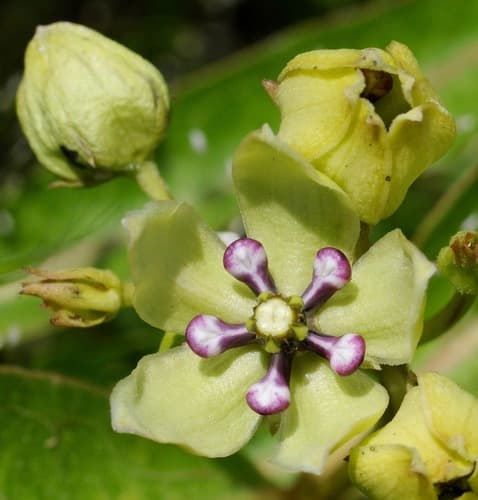
Green Antelopehorns is toxic to dogs and cats.
Listed as toxic by the ASPCA Animal Poison Control Center (opens in new tab) (last reviewed 2026-05-21). If your pet has been exposed, call the ASPCA Animal Poison Control Center at (888) 426-4435 and your veterinarian's emergency line.
Pollinator Patch flags toxic plants so you can choose a pet-safe native alternative for your yard.
Native swaps for a yard with pets
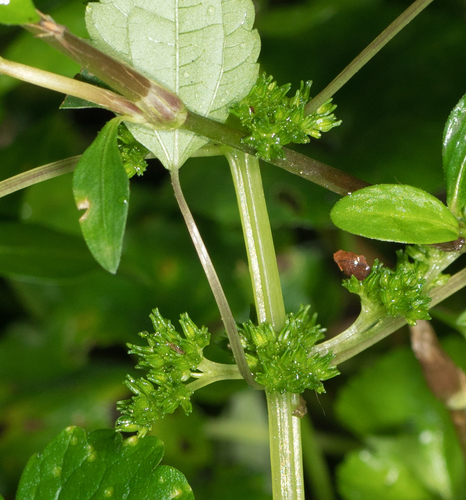
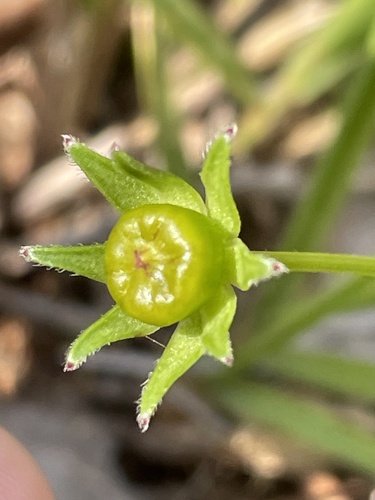
Green Antelopehorns is listed as toxic to dogs by the ASPCA Animal Poison Control Center. These natives fill a similar role in a planting and are not on the ASPCA toxic plant list for dogs or cats. Each plant's page carries its dated record.

Light
full sun
Water
low
Size
18"–24" H × 12"–24" W
Bloom
May, Jun, Jul
Native to
AL, AR, FL, GA and 14 more states
Pollinators
bees, butterflies, wasps, moths
Before you buy
Your city may pay you to plant this
Cities and water utilities offer rebates for replacing lawn with native and water-wise plants. We track 459 programs across 44 states, each with a link to the provider and the date we last checked it.
Find rebates in your areaPicture natives in your own yard
Upload a photo of your yard and Patch Vision shows a rendering of it planted with natives for your region, like Green Antelopehorns.


Browse plants for this ecoregion
Antelope-horns is a compact milkweed with unique green and white flowers that bloom from May through July. This drought-tolerant native grows in neat clumps and requires minimal care once established. The plant goes dormant in winter, disappearing completely until spring regrowth.
Growing Green Antelopehorns
Grow Green Antelopehorns in full sun and low water. Mature plants reach 18 to 24 inches tall and spread 12 to 24 inches wide. Expect low maintenance to keep it looking intentional in a front yard.
How to care for Green Antelopehorns, by region
How to care for Green Antelopehorns where it is actually grown: year-round basics plus what to do each season, region by region, with the sources for each.
Care guidance last updated: September 2026
Chihuahuan Deserts (includes El Paso, TX)
Year-round
Green antelopehorn milkweed is a low, clump-forming perennial from dry prairies and roadsides across the central and eastern United States. It is documented as native to Texas broadly, but it is not specifically confirmed in the El Paso area or the Chihuahuan Desert borderlands, so treat it here as an adapted dryland perennial rather than a locally native one.
- Plant in full sun in fast-draining soil. It tolerates poor, rocky, or limestone-based soil and does not need amending in El Paso's alkaline ground.
- Give it occasional deep water through the hottest months rather than frequent shallow watering. Lady Bird Johnson Wildflower Center lists it as a low-water-use plant.
- Milkweeds in the Asclepias genus, including this species, are the required host plant for monarch caterpillars. Leave some plants unclipped through the growing season so caterpillars can feed.
- All parts of milkweed contain compounds the ASPCA lists as toxic to dogs, cats, and horses. Site it away from areas pets chew on and rinse hands after handling cut stems.
Fall
Fall brings milder temperatures and El Paso's longest stretch of reliable dry weather, a good time to leave seed heads standing and reduce watering as the plant heads toward winter dormancy.
- Cut back watering to every 3 to 4 weeks as temperatures drop after October.
- Leave dried stems and pods standing through fall. They release seed over time and offer some shelter for overwintering insects.
- This is a good window to divide and transplant established clumps, since the plant is not actively flowering.
- El Paso's first frost typically arrives around mid-November. Stop fertilizing at least six weeks before it.
Winter
This milkweed dies back to the ground in winter and relies on its taproot to survive El Paso's cold snaps, needing little from a caregiver besides patience.
- Do not water on a regular schedule in winter. The dormant crown needs almost no supplemental moisture.
- Leave the dead stalks in place rather than cutting them to the ground. They mark the plant's location and offer a small amount of frost buffering for the crown.
- El Paso's zone 8a to 8b winters typically bottom out between 10 and 20 degrees Fahrenheit, with occasional harder freezes in an unusual winter. A dormant, well-rooted plant should tolerate this without protection.
- Wait until new growth appears in spring, often not until April, before assuming a clump is dead.
Spring
Spring is the natural bloom window for green antelopehorn milkweed in the Southwest, and in El Paso's dry, windy spring this is also when new growth needs the most consistent moisture to get established.
- Water newly planted or divided clumps twice a week through March and April while roots establish, then taper off.
- Expect flowering to begin in April, among the earliest milkweeds to bloom, so watch new growth for butterfly eggs.
- El Paso's spring dust storms and wind can dry out young leaves fast. A layer of gravel mulch around the base helps hold soil moisture without trapping stem rot.
- Established clumps are slow to emerge. Do not assume a plant is dead if it has not leafed out by mid-March, wait until late April before replacing it.
Its low, tidy clumping habit under two feet reads as an HOA-friendly front-bed perennial once established.
Summer
Summer in El Paso means long stretches of triple-digit heat and very low humidity, conditions this milkweed tolerates well once established, but young or thirsty plants can go dormant early if the soil dries out completely for too long.
- Deep-water every 10 to 14 days during peak summer heat, more often for plants in their first year.
- Seed pods form after bloom. Let a few mature and split for self-seeding if you want more plants, or remove them for a tidier look.
- This species often dies back to the crown by mid to late summer even with water. That is normal here, not a sign of disease.
- Water at soil level in the early morning rather than overhead in the afternoon, to cut down on evaporation loss.
Sources: Lady Bird Johnson Wildflower Center - Asclepias viridis, Xerces Society - Native Milkweeds, ASPCA Animal Poison Control - Milkweed, Texas A&M AgriLife Extension - El Paso County Master Gardeners
In an HOA neighborhood
Green Antelopehorns takes more care to keep looking intentional in a front yard. Maintenance level: low. Consider it for backyard or mid-zone beds rather than the street edge.
Works well in: backyard only.
- Flowers are green and inconspicuous, may appear weedy to untrained eye
- Completely dies back in winter leaving bare spots
- Milkweed family has reputation as 'weed' despite native status
Wildlife value
Host plant for monarch butterfly.
Essential host plant for monarch butterfly caterpillars and provides nectar for various bees, butterflies, and beneficial wasps. Part of the critical milkweed family that supports declining monarch populations.
Common questions
- When does green antelopehorns bloom?
- Green antelopehorns blooms from May through July, producing rounded clusters of green flowers with purple-tinged centers.
- What growing conditions does green antelopehorns need?
- It does best in full sun with well-drained soil and handles low-water conditions well, which suits the open prairies, glades, and roadsides where it is often found.
- What insects are attracted to green antelopehorns?
- Bees, butterflies, and wasps commonly visit the flowers for nectar during the plant's late spring and summer bloom period.
- How large does green antelopehorns get?
- It is a compact forb, usually staying under two feet tall with an upright clumping form.
- Is Green Antelopehorns toxic to dogs?
- Yes. Green Antelopehorns is listed as toxic to dogs by the ASPCA Animal Poison Control Center (aspca.org). If your pet has been exposed, call the ASPCA Animal Poison Control Center at (888) 426-4435.
- Is Green Antelopehorns toxic to cats?
- Yes. Green Antelopehorns is listed as toxic to cats by the ASPCA Animal Poison Control Center (aspca.org). If your cat has been exposed, call the ASPCA Animal Poison Control Center at (888) 426-4435.
- Is Green Antelopehorns HOA-friendly?
- Green Antelopehorns takes more care to look intentional in a front yard. Consider it for backyard or mid-zone beds rather than the street edge.
These answers were drafted with an AI model from this plant's data. Verify care details with a local expert.
Native range data from vouchered herbarium specimen records and regional native plant society lists. Pollinator and host plant associations compiled from GBIF, iNaturalist, and published ecological literature.
If something looks wrong
Common plant problems, and what to check first
These come up on almost any plant. Each guide lists the likely causes in the order they are worth ruling out, with one thing to check before you act on any of them, and links to the source it came from.
- It is dying right after planting
- Leaves turning yellow
- Wilting even though I watered it
- Brown crispy leaf tips
- Bugs on the plant
Pollinator Patch flags toxic plants like Green Antelopehorns and shows pet-safe natives for your ecoregion instead.