Southern Magnolia
Magnolia grandiflora
Last reviewed: September 2026
Southern magnolia is a broadleaf evergreen tree with large white flowers that bloom from March through May. It grows well in full sun and tolerates low water once established.
Toxicity unknown
Southern Magnolia (Magnolia grandiflora) is not listed by the ASPCA Animal Poison Control Center (opens in new tab) or the other sources we check, so we have no verdict for it either way. Absence from those lists is not a clearance. If your pet shows symptoms after eating any plant, call the ASPCA at (888) 426-4435.
The USDA PLANTS Database (opens in new tab) does not flag Southern Magnolia as toxic to livestock.
Light
full sun
Water
low
Size
600"–1320" H × 300"–360" W
Bloom
Mar, Apr, May
Native to
AL, FL, GA, LA and 4 more states
Before you buy
Your city may pay you to plant this
Cities and water utilities offer rebates for replacing lawn with native and water-wise plants. We track 452 programs across 44 states, each with a link to the provider and the date we last checked it.
Find rebates in your areaBrowse plants for this ecoregion
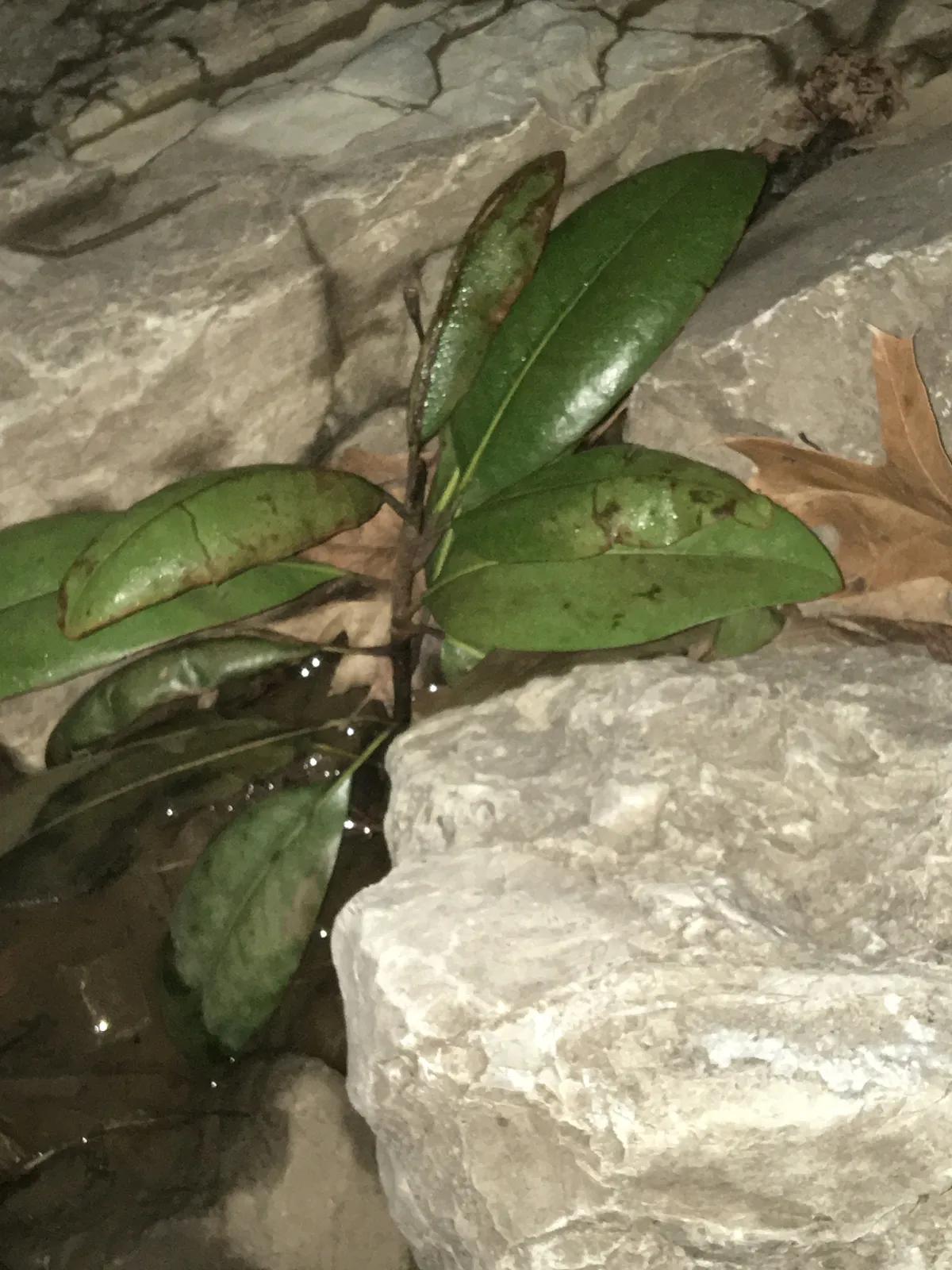
Southern Magnolia is a large evergreen tree prized for its glossy dark green leaves and fragrant white blooms in spring. This stately native can reach 60-110 feet tall with a 25-30 foot spread, making it suitable only for spacious properties. The tree produces large, showy flowers followed by cone-like seed pods.
Growing Southern Magnolia
Grow Southern Magnolia in full sun and low water. Mature plants reach 600 to 1320 inches tall and spread 300 to 360 inches wide. Expect low maintenance to keep it looking intentional in a front yard.
How to care for Southern Magnolia, by region
How to care for Southern Magnolia where it is actually grown: year-round basics plus what to do each season, region by region, with the sources for each.
Care guidance last updated: August 2026
Southern Coastal Plain (includes Orlando, FL)
Year-round
Southern Magnolia is a large, native evergreen tree in the Orlando area, valued for its glossy leaves and big fragrant white flowers, but it needs full sun and plenty of room to reach its mature size.
- Give it full sun to partial shade (6 or more hours of direct sun is ideal, though it tolerates 2 to 6 hours)
- Plant in moist, well drained soil; it adapts to acid, neutral, or alkaline pH but does poorly in soggy or flooded spots
- Expect a mature size of roughly 60 to 80 feet tall and 30 to 50 feet wide, so place it well away from the house, driveway, and power lines
- This tree is native to Central Florida, including the Orlando area, where it grows naturally in hammocks and slope forests south through Highlands County
- The ASPCA lists Magnolia as non-toxic to dogs, cats, and horses, though eating any plant material can still upset a pet's stomach
A mature Southern Magnolia reads as a classic, HOA-friendly shade tree, but its dense canopy drops leaves and seed pods year round and shades out nearly everything underneath it, so keep it off front walkways and away from foundation plantings.
Fall
Fall in Orlando is a good window to plant a Southern Magnolia as rain tapers off and the weather cools, while established trees mostly need continued cleanup of dropped leaves and pods.
- Rainfall drops off through October and November, so start checking soil moisture instead of relying on summer storms, watering deeply when the top few inches of soil are dry
- Fall through winter is a good window to plant a new Southern Magnolia in Central Florida, giving roots time to establish before next summer's heat
- Hold off on nitrogen fertilizer late in the season so the tree is not pushed into tender new growth right before the first frost, which averages around December 3 in the Orlando area
- Continue raking fallen leathery leaves and hard seed pods, since Southern Magnolia drops litter across multiple seasons, not just fall
Raking fallen leaves and hard seed pods off walkways and the driveway keeps the front yard looking tidy and avoids a slip hazard, without needing to prune the tree's natural shape.
Winter
Established Southern Magnolias handle Orlando's mild Zone 9a winters easily since the species is hardy well into USDA zone 7, but a young or newly planted tree still benefits from frost protection during a hard freeze.
- Southern Magnolia is hardy from about USDA zone 6a/7a through 10, so Orlando's Zone 9a winters are well within an established tree's tolerance
- Water the tree the day before a forecast freeze; well hydrated trees and soil hold heat better and resist cold injury compared to dry ones
- For a young or newly planted tree, cover it with a frost cloth or blanket ahead of a hard freeze and remove the covering once temperatures rise back above freezing
- A 2 to 3 inch mulch layer over the root zone, kept away from the trunk, adds some insulation against cold snaps
Spring
Spring in Orlando brings the start of magnolia's big white blooms along with a wave of old leaf drop as new growth comes in, so expect some litter even though the tree is evergreen.
- Southern Magnolia sheds many of its older leathery leaves in spring even as new growth flushes out, since being evergreen does not mean litter free
- Flowering begins in late spring with large, fragrant creamy white blooms roughly 8 to 12 inches across
- Orlando's average last spring frost is around February 5, so by the time flower buds open most years the frost risk has passed, but a late cold snap can still brown open flowers below about 30 degrees F
- Check new growth for scale insects such as magnolia scale; a heavy infestation can lead to sooty mold on the leaves
Summer
Summer is Orlando's rainy season, so an established Southern Magnolia usually needs little supplemental watering, but the same heat and humidity it tolerates well can also fuel scale insects and sooty mold on the leaves.
- Established magnolias tolerate Central Florida's summer heat and humidity well, but the tree dislikes standing water, so make sure summer downpours drain away from the root zone rather than pooling
- During hot, dry stretches with no recent rain, water deeply once a week rather than giving light daily sprinkles
- Sporadic white blooms can continue through summer on an established tree
- Keep a 2 to 3 inch mulch ring out to the drip line to hold soil moisture and moderate root zone temperature, keeping mulch off the trunk itself
Sources: NC State Extension Plant Toolbox: Magnolia grandiflora, Florida Wildflower Foundation: Southern Magnolia native range, Lady Bird Johnson Wildflower Center: Magnolia grandiflora, ASPCA: Magnolia toxicity to pets, UF/IFAS: Magnolia grandiflora, Southern Magnolia (ENH-530/ST371), Almanac.com: Frost dates for Orlando, FL (community tip)
Want these tasks as reminders timed to your yard? Pollinator Patch turns this guidance into a season-by-season care plan for the plants you actually grow.
In an HOA neighborhood
Southern Magnolia takes more care to keep looking intentional in a front yard. Maintenance level: low. Consider it for backyard or mid-zone beds rather than the street edge.
Works well in: backyard only.
- Tree size exceeds typical HOA-friendly range
Wildlife value
The large fragrant flowers attract beetles, which are the primary pollinators for magnolias. Birds feed on the red seeds when the cone-like pods open in fall.
Common questions
- How large does Magnolia grandiflora get?
- Southern magnolia typically grows into a large tree, often reaching 60 to 80 feet tall with a broad, dense canopy at maturity in landscape and forest settings.
- When does Southern magnolia bloom?
- Flowering generally occurs from March into May, with large, fragrant white blossoms opening on mature branches.
- Does Southern magnolia lose its leaves in winter?
- No. It is evergreen, keeping its thick, glossy leaves year round rather than dropping them seasonally.
- How much water does Southern magnolia need?
- Once established, it handles low water conditions reasonably well, though it also grows steadily with moderate, consistent moisture.
- What light conditions does Southern magnolia prefer?
- It performs best in full sun but can also grow acceptably in partly sunny or partly shaded locations.
- Is Southern Magnolia toxic to livestock?
- The USDA PLANTS Database does not flag Southern Magnolia as toxic to livestock.
- Is Southern Magnolia HOA-friendly?
- Southern Magnolia takes more care to look intentional in a front yard. Consider it for backyard or mid-zone beds rather than the street edge.
These answers were drafted with an AI model from this plant's data. Verify care details with a local expert.
Native range data from vouchered herbarium specimen records and regional native plant society lists. Pollinator and host plant associations compiled from GBIF, iNaturalist, and published ecological literature.
If something looks wrong
Common plant problems, and what to check first
These come up on almost any plant. Each guide lists the likely causes in the order they are worth ruling out, with one thing to check before you act on any of them, and links to the source it came from.
- It is dying right after planting
- Leaves turning yellow
- Wilting even though I watered it
- Brown crispy leaf tips
- Bugs on the plant
Ready to grow Southern Magnolia? Add it to your garden in Pollinator Patch to track it and get season-by-season care guidance.
Planning a bed around it? Start a free plan with this plant
Not sure where to start? Take the 2-minute yard quiz