American Holly
Ilex opaca
Last reviewed: October 2026
Ilex opaca, or American Holly, is an evergreen tree with glossy spiked leaves and red berries that blooms in May and June. It grows best in part sun with medium moisture in woodland and coastal settings.
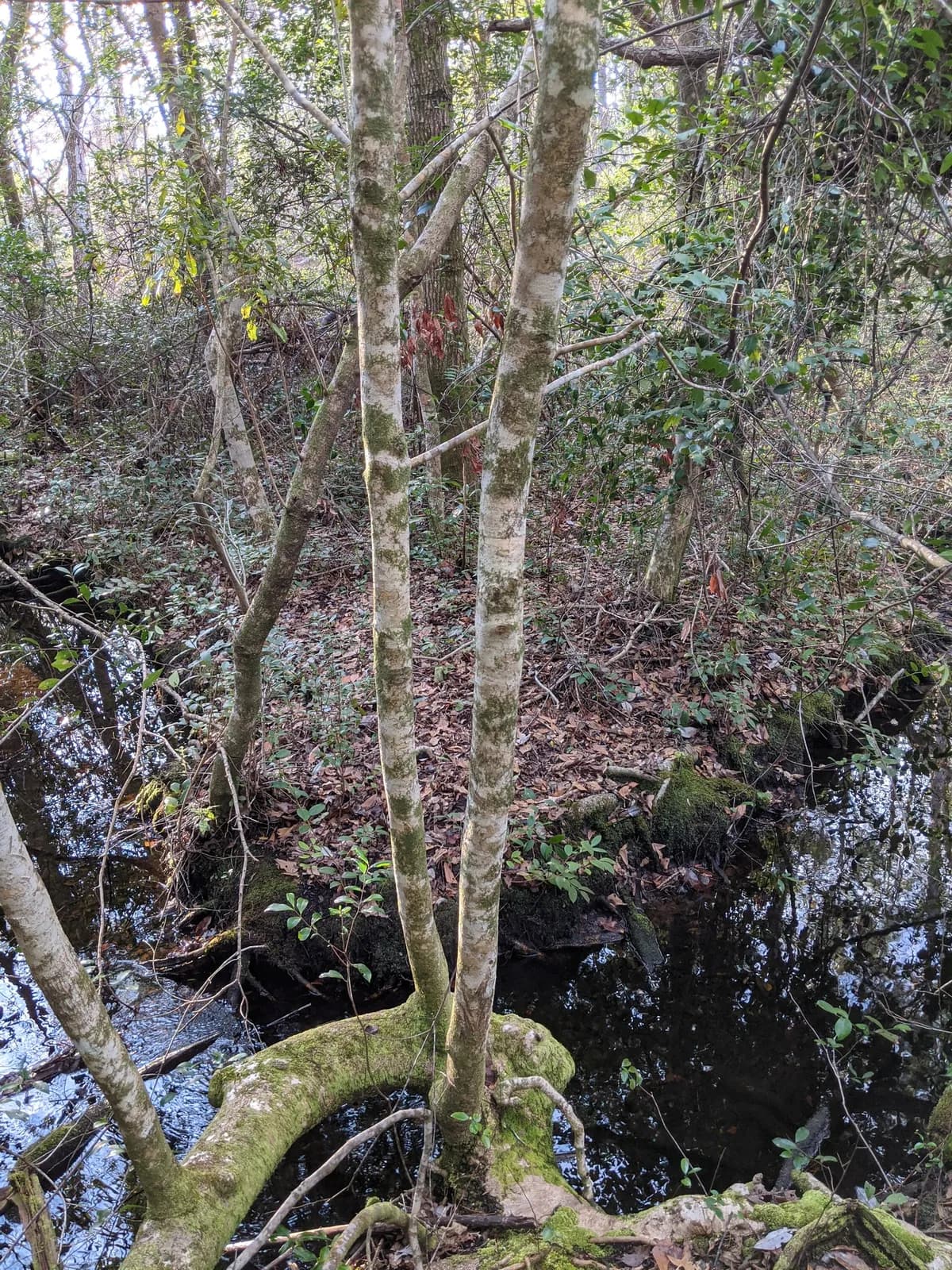
American Holly is toxic to dogs and cats.
Listed as toxic by the ASPCA Animal Poison Control Center (opens in new tab) (last reviewed 2026-05-21). If your pet has been exposed, call the ASPCA Animal Poison Control Center at (888) 426-4435 and your veterinarian's emergency line.
Pollinator Patch flags toxic plants so you can choose a pet-safe native alternative for your yard.
Native swaps for a yard with pets
American Holly is listed as toxic to dogs by the ASPCA Animal Poison Control Center. These natives fill a similar role in a planting and are not on the ASPCA toxic plant list for dogs or cats. Each plant's page carries its dated record.
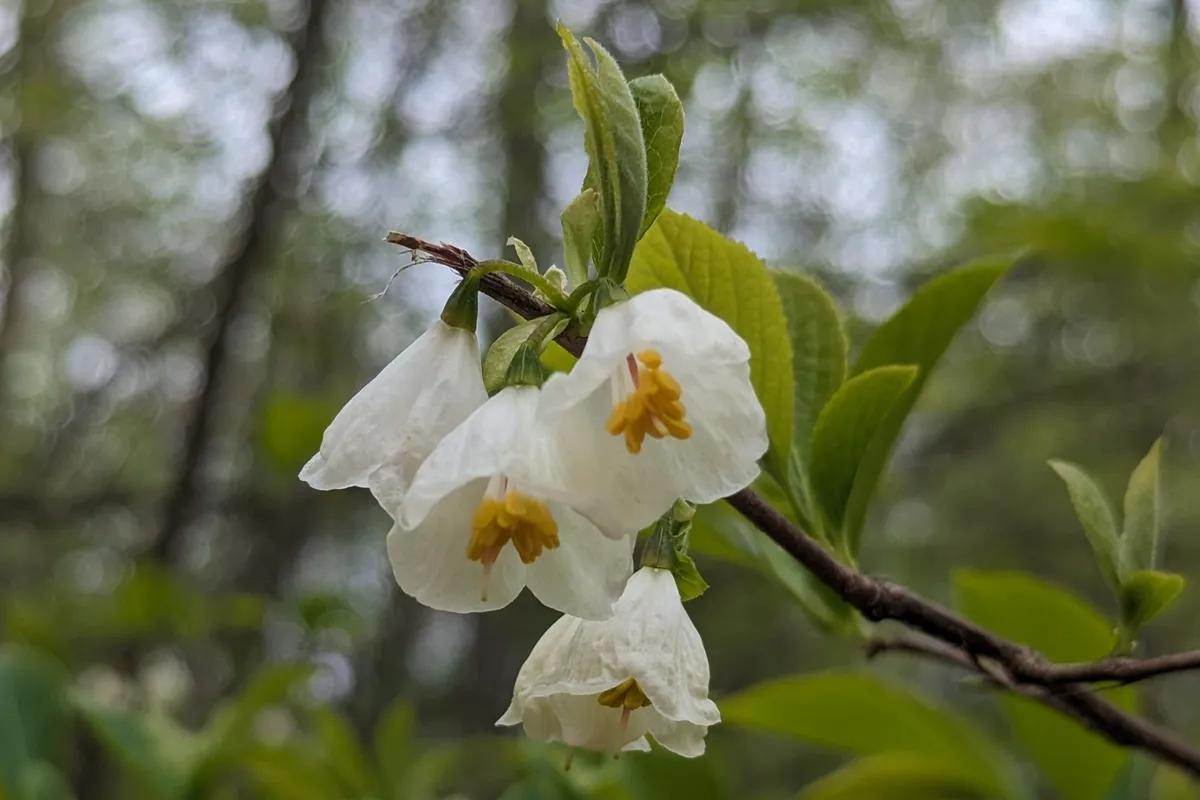
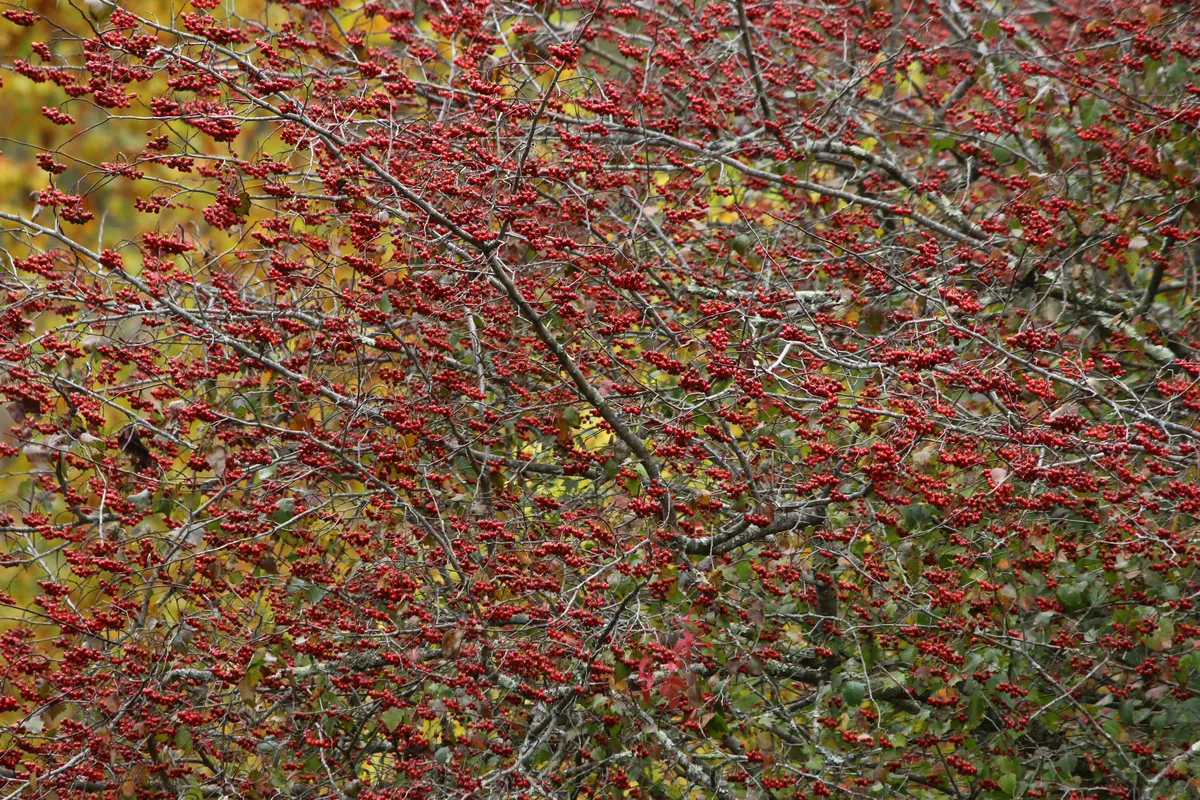
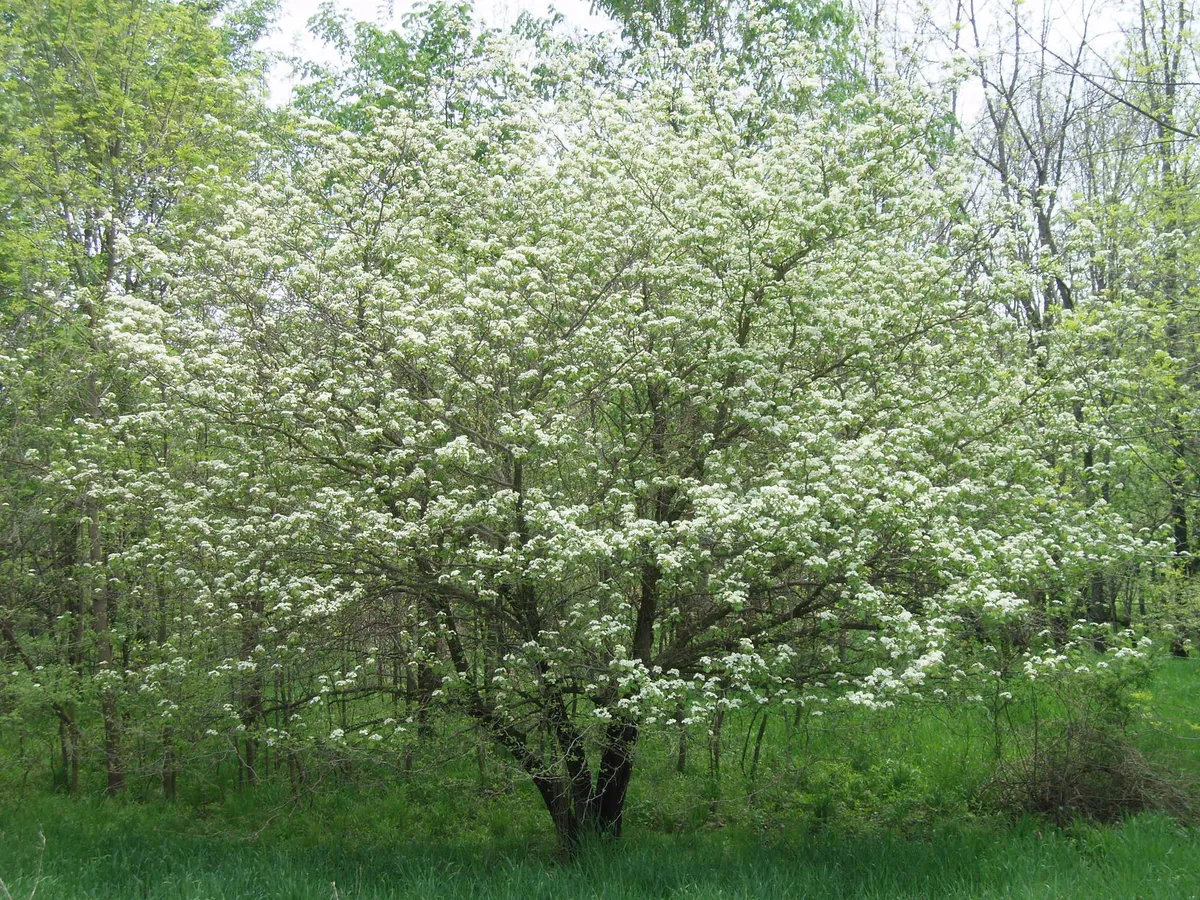
The USDA PLANTS Database (opens in new tab) does not flag American Holly as toxic to livestock.
Light
part sun
Water
medium
Size
180"–300" H × 180"–240" W
Bloom
Mar, Apr, May
Native to
AL, AR, CT, DE and 22 more states
Pollinators
bees, beetles, wasps, butterflies
Before you buy
Your city may pay you to plant this
Cities and water utilities offer rebates for replacing lawn with native and water-wise plants. We track 459 programs across 44 states, each with a link to the provider and the date we last checked it.
Find rebates in your areaPicture natives in your own yard
Upload a photo of your yard and Patch Vision shows a rendering of it planted with natives for your region, like American Holly.


Browse plants for this ecoregion
American holly is a stately evergreen tree with glossy, spiny dark green leaves and bright red berries on female plants. It grows slowly into a pyramidal shape and provides year-round structure and winter interest to the landscape.
Growing American Holly
Grow American Holly in part sun and medium water. Mature plants reach 180 to 300 inches tall and spread 180 to 240 inches wide. Expect moderate maintenance to keep it looking intentional in a front yard.
How to care for American Holly, by region
How to care for American Holly where it is actually grown: year-round basics plus what to do each season, region by region, with the sources for each.
Care guidance last updated: October 2026
Atlantic Coastal Pine Barrens (includes Riverhead, NY)
Year-round
American holly is a slow-growing evergreen tree that likes moist, neutral to acidic soil and shelter from winter wind.
- Plant in full sun to partial shade. In hot summers give it afternoon shade.
- Use moist, neutral to acidic soil. It tolerates occasionally wet or dry soil but not flooding, and yellow leaves can show up in alkaline soil.
- It is dioecious. Only female trees bear berries, and they need a nearby male.
- The ASPCA lists American holly as toxic to dogs, cats, and horses because of saponins.
Fall
Water well into fall to help prevent winter burn.
- Keep watering into mid or late November as long as the ground has not frozen. Newly planted evergreens may need around 2 inches of water per week, including rain.
- Protect it from cold winter winds and winter sun.
Winter
Shelter from wind and sun is the winter job.
- Protect it from cold winter winds and winter sun.
- Listed hardy in USDA zones 5a through 9b.
- It is slow growing, 40 to 60 feet tall and 10 to 20 feet wide, so avoid planting it where it will be crowded.
Spring
Spring is for checking leaf damage and soil drainage.
- Avoid poorly drained soil.
- Leaf scorch, twospotted spider mites, and soft scale are listed problems.
- Only female trees fruit, so confirm a male is nearby.
Summer
Give moisture and some afternoon shade in heat.
- In hot summer climates, give it afternoon shade.
- It prefers moist soil and tolerates occasional dry spells but not flooding.
- Watch for spider mites and soft scale insects.
Sources: NC State Extension Plant Toolbox, Ilex opaca, ASPCA, American Holly, UW Extension Dane County, fall watering to prevent winter burn
Southeastern Plains (includes Tallahassee, FL)
Year-round
American holly is a slow, tough evergreen tree that suits Tallahassee's climate well, and it is a different species from deciduous winterberry holly, so don't apply winterberry care advice to it.
- Give it full sun to partial shade, more sun means more berries on a female tree
- Plant in moist, well-drained, slightly acidic soil, it adapts to sand, loam, or clay as long as it isn't soggy
- Water deeply during dry spells, established trees are quite drought tolerant
- Needs very little pruning beyond removing dead or crossing branches
- Mulch to hold moisture, but keep mulch off the trunk itself
- The ASPCA lists American holly berries as toxic to dogs, cats, and horses (saponins), so keep grazing pets away from dropped berries
Its dense evergreen form and classic look make it a reliable, HOA-friendly privacy or accent tree year-round.
Fall
Fall is when a female American holly shows off its bright red berries, which look festive but are toxic to pets if eaten in quantity.
- The ASPCA lists holly berries as toxic to dogs, cats, and horses (saponins), with signs like vomiting and diarrhea, so keep grazing pets away from fallen berries
- Rake up dropped berries in areas where pets spend time
- Fall is a good time to plant a new holly tree so roots settle in before next summer
- Hold off on pruning until the tree goes fully dormant
Bright red winter berries are a classic, HOA-friendly seasonal touch, especially in a foundation planting.
Winter
Tallahassee winters are mild, and this evergreen holds its leaves and berries through the season with little care needed.
- Established trees tolerate the area's typical winter lows without protection
- This dormant season is the best window for any structural pruning
- Water occasionally during dry winter spells
- If you bring berried branches indoors for decor, keep them well out of reach of pets given the ASPCA's toxic listing
Spring
Spring brings a flush of new growth and small white flowers on American holly, which female trees turn into fall berries if a male tree is nearby.
- Water regularly to support the spring growth flush
- This is fine for minor shaping, but save any major pruning for dormancy
- Watch new growth for scale insects or leaf miner
- Only female trees produce berries, and they need a male tree nearby to pollinate
Summer
In Tallahassee's hot, humid summer an established American holly needs little beyond occasional deep watering and a good mulch layer.
- Deep water during extended dry spells, established trees otherwise handle summer heat well
- Keep mulch 2 to 3 inches deep and away from the trunk
- Spider mites can show up in hot, dry stretches, hose off foliage if you spot them
- Skip heavy fertilizing during peak summer heat
Sources: ASPCA Toxic and Non-Toxic Plants: American Holly, UF/IFAS Extension: Ilex opaca (American Holly)
In an HOA neighborhood
American Holly takes more care to keep looking intentional in a front yard. Maintenance level: moderate. Consider it for backyard or mid-zone beds rather than the street edge.
Works well in: backyard only.
Wildlife value
Host plant for henry's elfin, holly azure.
The small spring flowers attract bees, beetles, and wasps for pollination. The red berries are an important winter food source for birds including robins, cedar waxwings, and woodpeckers.
Common questions
- When does American Holly bloom?
- American Holly typically flowers in May and June, producing small white blossoms before the familiar red berries develop later in the season.
- What pollinates American Holly?
- American Holly flowers attract bees, beetles, and wasps, which move between male and female trees to enable fruit set.
- How much light does American Holly need?
- It grows best in part sun but tolerates a range from partial shade to full shade, making it useful as an understory or woodland edge tree.
- How much water does American Holly need?
- American Holly prefers medium, consistent soil moisture and can tolerate lower water once established, though it does not do well in very dry sites.
- Does American Holly stay green in winter?
- Yes, it is evergreen, holding its dark, spiny leaves throughout the year, which adds structure and winter interest to the landscape.
- Is American Holly toxic to dogs?
- Yes. American Holly is listed as toxic to dogs by the ASPCA Animal Poison Control Center (aspca.org). If your pet has been exposed, call the ASPCA Animal Poison Control Center at (888) 426-4435.
- Is American Holly toxic to cats?
- Yes. American Holly is listed as toxic to cats by the ASPCA Animal Poison Control Center (aspca.org). If your cat has been exposed, call the ASPCA Animal Poison Control Center at (888) 426-4435.
- Is American Holly toxic to livestock?
- The USDA PLANTS Database does not flag American Holly as toxic to livestock.
- Is American Holly HOA-friendly?
- American Holly takes more care to look intentional in a front yard. Consider it for backyard or mid-zone beds rather than the street edge.
These answers were drafted with an AI model from this plant's data. Verify care details with a local expert.
Native range data from vouchered herbarium specimen records and regional native plant society lists. Pollinator and host plant associations compiled from GBIF, iNaturalist, and published ecological literature.
If something looks wrong
Common plant problems, and what to check first
These come up on almost any plant. Each guide lists the likely causes in the order they are worth ruling out, with one thing to check before you act on any of them, and links to the source it came from.
- It is dying right after planting
- Leaves turning yellow
- Wilting even though I watered it
- Brown crispy leaf tips
- Bugs on the plant
Pollinator Patch flags toxic plants like American Holly and shows pet-safe natives for your ecoregion instead.