Sea Oats
Uniola paniculata
Last reviewed: August 2026
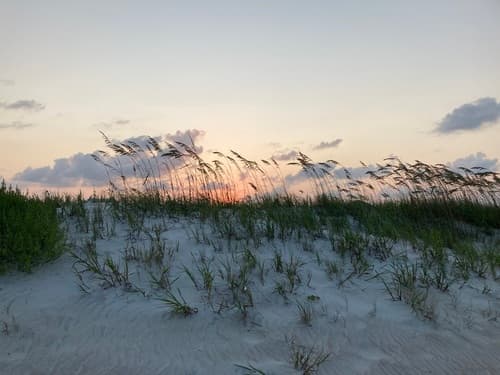
Sea oats is a tall dune grass suited to full sun and sandy, low water coastal soils, sending up golden seed head panicles from June through August.
Toxicity unknown
Sea Oats (Uniola paniculata) is not listed by the ASPCA Animal Poison Control Center (opens in new tab) or the other sources we check, so we have no verdict for it either way. Absence from those lists is not a clearance. If your pet shows symptoms after eating any plant, call the ASPCA at (888) 426-4435.
The USDA PLANTS Database (opens in new tab) does not flag Sea Oats as toxic to livestock.
Light
full sun
Water
low
Size
36"–84" H × 6"–12" W
Bloom
Jun, Jul, Aug
Native to
AL, DE, FL, GA and 7 more states
Before you buy
Your city may pay you to plant this
Cities and water utilities offer rebates for replacing lawn with native and water-wise plants. We track 452 programs across 44 states, each with a link to the provider and the date we last checked it.
Find rebates in your areaBrowse plants for this ecoregion
Sea oats is a tall, graceful grass that forms distinctive seed heads resembling oats in summer. This coastal native grows in narrow clumps and provides excellent texture and movement in the landscape with its upright growth habit.
Growing Sea Oats
Grow Sea Oats in full sun and low water. Mature plants reach 36 to 84 inches tall and spread 6 to 12 inches wide. Expect low maintenance to keep it looking intentional in a front yard.
How to care for Sea Oats, by region
How to care for Sea Oats where it is actually grown: year-round basics plus what to do each season, region by region, with the sources for each.
Care guidance last updated: September 2026
Western Gulf Coastal Plain (includes Houston, TX)
Year-round
Sea oats is a tall, clumping grass native to the Atlantic and Gulf Coast from Virginia to Texas that thrives in full sun and fast-draining sandy soil. In Houston's heavy clay yards, give it a raised bed or sand-amended spot rather than low-lying clay.
- Plant in full sun with at least 6 hours of direct light a day
- Give it sandy, sharply-drained soil, amend heavy Houston clay with coarse sand or use a raised bed
- Water regularly for the first 6 months after planting, then let rainfall take over
- Leave 12 to 24 inches of dead stems standing after cutting back so native bees can nest in the hollow stalks
- Expect slow, clumping growth reaching 4 to 8 feet tall
Its tidy, arching clumps and tan seed plumes read as an intentional ornamental grass rather than an overgrown patch, a good fit for an HOA-friendly front bed.
Fall
Fall is when the tan seed plumes mature and give sea oats its showiest look, and it is a low-effort season since the plant is slowing down for winter.
- Let the seed heads mature and dry on the plant for fall interest and reseeding
- Watering needs drop further as growth slows
- Skip fall pruning, dead stems left standing now shelter native bees over winter
- Watch for foot traffic damage if the bed borders a walkway, sea oats does not recover well from being trampled
Winter
Houston winters are short and mild, so sea oats mostly just goes tan and dormant rather than dying back hard. Leave it standing through winter.
- Do not cut back stems until late winter or early spring, standing dead stalks shelter native bees
- No watering needed during winter dormancy
- A hard freeze can brown the foliage further but established plants are root-hardy through Houston's zone 9a to 9b winters
- Skip mulch, sea oats is adapted to lean sandy soil, not moisture retention
Spring
Spring is when sea oats puts out fresh green blades after winter dormancy. This is the best time to finish cutting back last year's dead stems and to plant new divisions.
- Cut back any remaining dead stems to 12 to 24 inches before new growth fills in
- Divide overcrowded clumps now if you want to spread coverage
- Water newly planted or divided clumps regularly while roots establish
- Hold off on fertilizer, sea oats grows well in lean, sandy soil without it
Summer
Summer is peak growing and flowering season for sea oats in the Houston area, with drooping seed panicles forming in the heat. Established clumps need little supplemental water even through Gulf Coast humidity.
- Expect flower panicles to appear in early to mid summer
- Established plants, 6 or more months in the ground, can rely on rainfall, water only during extended dry spells
- Keep the crown out of standing water, Houston's clay pockets can hold water after summer downpours
- No routine fertilizing or spraying needed
Sources: Lady Bird Johnson Wildflower Center - Uniola paniculata, NC State Extension Plant Toolbox - Uniola paniculata
Want these tasks as reminders timed to your yard? Pollinator Patch turns this guidance into a season-by-season care plan for the plants you actually grow.
In an HOA neighborhood
Sea Oats takes more care to keep looking intentional in a front yard. Maintenance level: low. Consider it for backyard or mid-zone beds rather than the street edge.
Works well in: backyard only.
- Height exceeds typical HOA-friendly range
Wildlife value
The seed heads provide food for birds and small wildlife. As a native grass, it offers nesting material and habitat for various species.
Common questions
- How much sun does sea oats need?
- Sea oats grows best in full sun on open dunes and beach fronts, though it can tolerate part sun at the edges of maritime forests or shrub thickets.
- How much water does sea oats need?
- Once established, sea oats tolerates low water and fast-draining sandy soil, needing extra watering mainly while young plants are getting established.
- When does sea oats bloom?
- Sea oats produces its tall, arching seed head panicles from June through August, and those seed heads often persist into fall and winter.
- Does sea oats stay green all year?
- Sea oats is semi-evergreen, keeping some foliage through mild winters but often browning back in colder or drier stretches before regrowing in spring.
- Is Sea Oats toxic to livestock?
- The USDA PLANTS Database does not flag Sea Oats as toxic to livestock.
- Is Sea Oats HOA-friendly?
- Sea Oats takes more care to look intentional in a front yard. Consider it for backyard or mid-zone beds rather than the street edge.
These answers were drafted with an AI model from this plant's data. Verify care details with a local expert.
Native range data from vouchered herbarium specimen records and regional native plant society lists. Pollinator and host plant associations compiled from GBIF, iNaturalist, and published ecological literature.
If something looks wrong
Common plant problems, and what to check first
These come up on almost any plant. Each guide lists the likely causes in the order they are worth ruling out, with one thing to check before you act on any of them, and links to the source it came from.
- It is dying right after planting
- Leaves turning yellow
- Wilting even though I watered it
- Brown crispy leaf tips
- Bugs on the plant
Ready to grow Sea Oats? Add it to your garden in Pollinator Patch to track it and get season-by-season care guidance.
Planning a bed around it? Start a free plan with this plant
Not sure where to start? Take the 2-minute yard quiz