Chile Pequin
Capsicum annuum
Last reviewed: September 2026
Chile pequin is a small pepper shrub suited to full sun and low water once established, blooming from March through November in warm areas such as South Texas and coastal Louisiana.
Toxicity unknown
Chile Pequin (Capsicum annuum) is not listed by the ASPCA Animal Poison Control Center (opens in new tab) or the other sources we check, so we have no verdict for it either way. Absence from those lists is not a clearance. If your pet shows symptoms after eating any plant, call the ASPCA at (888) 426-4435.
Light
full sun
Water
low
Size
24"–36" H × 24"–24" W
Bloom
Mar, Apr, May, Jun, Jul, Aug, Sep, Oct, Nov
Native to
AL, AZ, LA, TX
Pollinators
bees, nectar insects
Before you buy
Your city may pay you to plant this
Cities and water utilities offer rebates for replacing lawn with native and water-wise plants. We track 452 programs across 44 states, each with a link to the provider and the date we last checked it.
Find rebates in your areaBrowse plants for this ecoregion
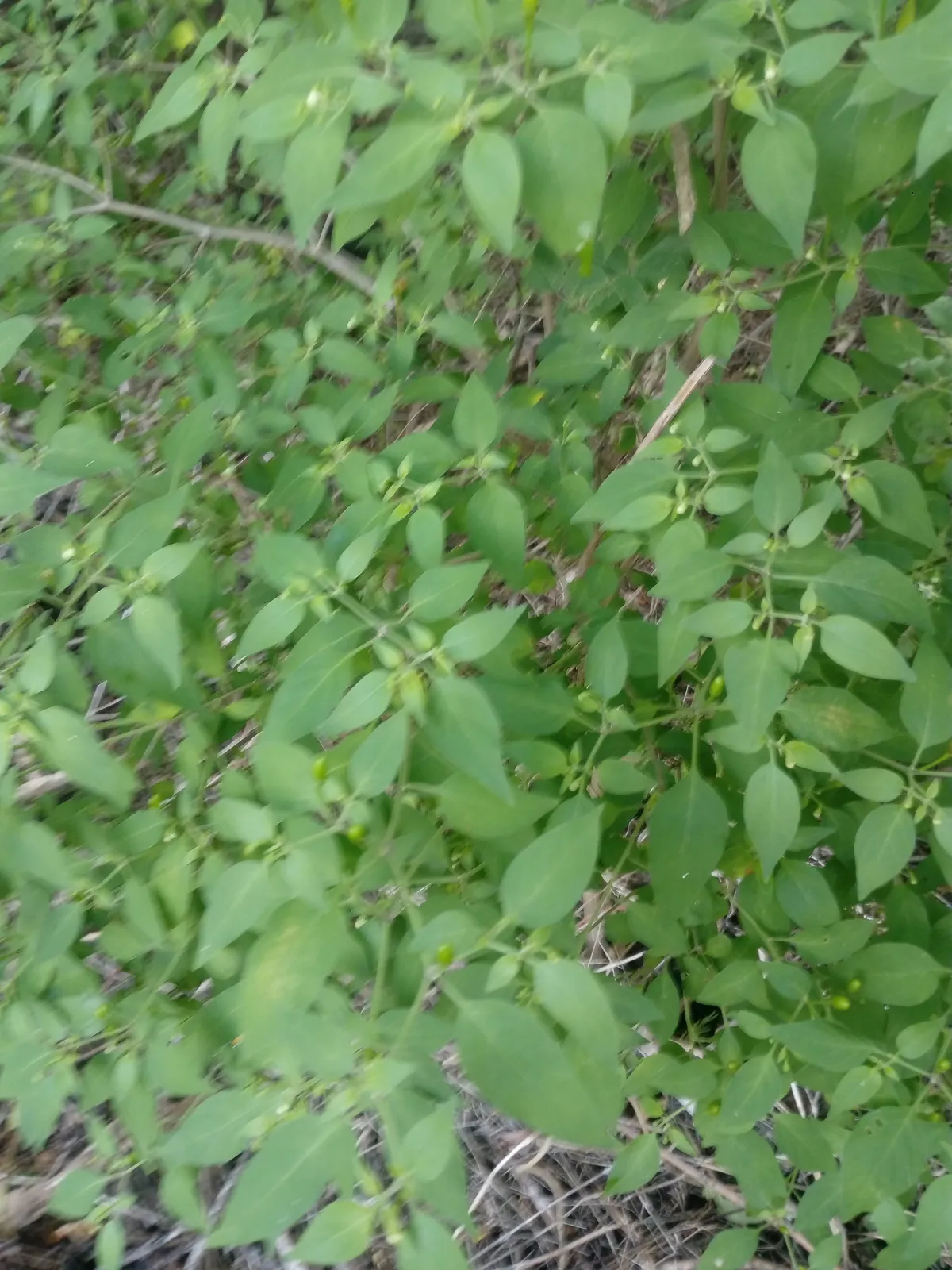
Chile Pequin is a compact native pepper that produces small, fiery red fruits loved by birds and people alike. This drought-tolerant perennial blooms continuously from spring through fall with small white flowers followed by ornamental peppers. The plant maintains a neat, bushy appearance and can be harvested for culinary use.
Growing Chile Pequin
Grow Chile Pequin in full sun and low water. Mature plants reach 24 to 36 inches tall and spread 24 to 24 inches wide. Expect low maintenance to keep it looking intentional in a front yard.
How to care for Chile Pequin, by region
How to care for Chile Pequin where it is actually grown: year-round basics plus what to do each season, region by region, with the sources for each.
Care guidance last updated: September 2026
Cross Timbers (includes Fort Worth, TX)
Year-round
Chile pequin is a compact, spicy native pepper that thrives on neglect once it is established. Give it full sun, well drained soil, and let it dry out between waterings.
- Plant in full sun (6 or more hours) in well drained soil; it tolerates heavy clay, sandy loam, caliche, or limestone as long as water does not stand.
- Water deeply about once a week through the first growing season to help roots establish, then taper off; an established plant is drought tough and mostly self sufficient.
- Space plants roughly 2 feet apart since a mature clump reaches about 2 feet tall and 2 feet wide.
- Wear gloves when handling ripe pods; the capsaicin inside is a strong eye and skin irritant, and the plant is not on the ASPCA toxic plant list for dogs or cats.
- Expect volunteer seedlings nearby, since birds eat the ripe red pods and spread the seed in their droppings.
Reads as a tidy, rounded shrub with small ornamental fruit; keep it pruned into a compact mound near a bed edge rather than letting it sprawl.
Fall
Fall is peak fruit season, with pods ripening red into November. It is also the better window to plant woody companions nearby, since North Texas favors autumn planting for trees and shrubs.
- Keep harvesting, or leave the ripe red pods for birds; picking encourages more fruit set into November.
- Taper off watering as temperatures cool in October; an established plant needs little to no supplemental water this time of year.
- Hold off on any hard pruning until after the first freeze so the plant can keep storing energy in its roots.
- Expect the first freeze around mid November in North Texas to blacken the top growth; that is normal for this plant and not a sign it has died.
- If seedlings from bird dropped seed have crowded the bed, this is a good time to thin them out.
Frost blackened foliage after the first freeze can look dead from the street until it is cut back in spring; a neat mulch ring around the base signals it is a maintained bed, not an abandoned one.
Winter
Winter tests the plant's cold hardiness. Light freezes are usually fine, but a hard freeze kills the top growth back to the ground, and the roots typically resprout the following spring.
- After a hard freeze blackens the foliage, leave the dead stems in place through winter; they help insulate the crown, and you will cut them back once new growth confirms the plant survived.
- Add 2 to 3 inches of mulch over the root zone before the first hard freeze (mid November) for extra winter protection.
- During an occasional severe Arctic outbreak, a frost cloth over the mulched crown gives extra insurance, especially for a plant in its first winter.
- Skip watering during a freeze; cold, wet soil around the crown raises the risk of the roots rotting.
- Do not judge the plant dead until mid to late spring, since it can be slow to resprout after a hard winter.
Bare, cut back stems through winter can look neglected from the curb; a light mulch ring and a crisp bed edge signal a maintained perennial bed rather than a dead one.
Spring
Spring is the best time to plant chile pequin from a nursery pot. If you already have one, this is when it resprouts from the roots after any winter dieback.
- Plant new transplants after the last frost (mid March in North Texas), directly in the ground or in a large pot.
- If an established plant died back to the ground over winter, cut off the dead brown top growth in March; the roots are often still alive and it will resprout.
- Do not assume a cut back plant is dead before mid to late April, since it can be slow to show new growth.
- In heavy black clay, plant high on a slight mound or amend the hole for drainage; in the sandier soils west of the metro, water new transplants more often since that soil dries out faster.
- Water new transplants every 3 to 4 days until you see new leaves, then cut back to a weekly deep soak.
A winter dormant clump can look bare or twiggy for a few weeks after cutback; a light layer of mulch around the base keeps the bed looking tended while it leafs out.
Summer
Summer heat does not bother an established chile pequin, but a first year plant needs a little help through the hardest weeks. Either way it keeps flowering and setting fruit all season.
- An established plant (in the ground more than one full year) rarely needs supplemental water even during 100 degree stretches; water only if leaves wilt and stay wilted by evening.
- Water a first summer plant once or twice a week during the hottest weeks (July and August), since young roots have not reached deep soil moisture yet.
- Green fruit begins ripening to bright red starting in mid to late summer and continues until the first frost.
- Skip fertilizer; it fruits and flowers best in lean soil, and heavy feeding produces more leaf than fruit.
- Keep 2 to 3 inches of mulch over the root zone to hold moisture and keep roots cooler.
Ripening red pods against green foliage read as ornamental color on a low, tidy shrub, with no extra grooming needed to keep the display neat.
Sources: Lady Bird Johnson Wildflower Center, Capsicum annuum, National Pesticide Information Center, Capsaicin General Fact Sheet, ASPCA, Toxic and Non-Toxic Plant List, Dogs, Central Texas Gardener, Chile Pequin and Chiltepin (community tip)
Mississippi Valley Loess Plains (includes Memphis, TN)
Year-round
Chile pequin grows easily in a pot or garden bed with full sun to part shade and light water, but Memphis winters are colder than it can reliably take outdoors long term.
- Give it full sun to part shade and well drained soil or a container with drainage holes. It is a low water plant, so let the top inch or two of soil dry out between waterings, especially in a pot.
- Feed lightly, a diluted all purpose fertilizer every few weeks during active growth is enough. Heavy fertilizing pushes leafy growth instead of fruit.
- In its warmer native range in the southern US, this species dies back to the root over winter and regrows in spring. Memphis is colder than that range, so an in ground planting can fail to come back at all rather than just dying back.
- For the best odds of keeping the same plant year to year in Memphis, grow it in a container you can move indoors before the first hard freeze instead of planting it directly in the ground.
- Capsicum annuum, the species chile pequin belongs to, does not appear by name on the ASPCA toxic or non toxic plant lists for dogs or cats.
Fall
Keep harvesting through fall, then decide before Memphis's early November frost whether to bring the plant in or let it go.
- Keep picking ripe peppers through fall. Regular harvesting keeps the plant producing right up until frost.
- Memphis's average first fall frost lands around November 3. If you want to keep the plant going, bring a potted one indoors before then, or root a few cuttings indoors as a backup.
- If you are not overwintering it, the first hard freeze will kill the top growth. At that point cut the blackened stems back to the ground, or pull the whole plant if it was grown in the ground as an annual.
- Clearing out frost killed stems after that first freeze, rather than leaving them standing, keeps a front yard bed looking tended through the rest of the season.
Cutting the frost killed stems back after the first freeze keeps a front yard planting HOA-friendly and tidy through winter, rather than leaving collapsed, blackened growth in view.
Winter
An indoor chile pequin slows way down over winter and needs less water and bright light, while a planting left outdoors in Memphis often will not make it through the season at all.
- If you brought a plant indoors before frost, give it your brightest window and let it dry out more between waterings than it would outdoors. It grows much slower in low winter light and does not need much water.
- Some leaf drop right after the move indoors is normal. New growth should pick back up as days get longer in late winter.
- Indoor heat dries the air out, which favors spider mites. Check leaf undersides now and then and rinse the plant off in the sink if you see fine webbing or stippled spots.
- This species can die back to the root and regrow the next year in its warmest native range, but Memphis winters run colder than that, so a planting left outdoors here often will not survive at all rather than just dying back.
Spring
Wait for Memphis's last frost before planting or moving chile pequin outside, and watch fresh spring growth for aphids.
- Memphis's average last spring frost is around March 30. Wait until after that to set plants outside or move a container back out, since a late cool snap can still show up into early April.
- If starting from seed, begin indoors roughly 8 to 10 weeks before that last frost date. Chile pequin seed germinates slowly, so give it several weeks before assuming it failed.
- Fresh spring growth attracts aphids. Check the undersides of leaves and new tips every week or two and knock any off with a strong spray of water.
- Hold off on heavy feeding until the plant is actively pushing new leaves, then a light fertilizer is enough to get it going again.
Summer
Memphis heat can stall flowering for a stretch in mid summer, so keep the plant watered and give it a little afternoon shade if you can.
- Memphis summer days regularly top 90 degrees. Daytime heat that high, especially combined with warm nights, can make the plant drop flowers before they set fruit. It typically starts setting again once temperatures ease.
- Water more often in the heat. Containers can dry out in a single hot afternoon, and a layer of mulch over garden soil helps hold moisture longer.
- A few hours of afternoon shade during the hottest stretch of summer can reduce flower drop and keep the plant from wilting during peak heat.
- Hot, dry weather favors spider mites. Look for fine webbing or pale, stippled leaves and rinse the foliage with water if you spot them.
Sources: Lady Bird Johnson Wildflower Center - Capsicum annuum var. glabriusculum, Eco Blossom Nursery - Chile Petin (Capsicum annuum) plant profile, ASPCA Toxic and Non-Toxic Plant List - Dogs, ASPCA Toxic and Non-Toxic Plant List - Cats, National Weather Service Memphis - Frost/Freeze Data, Pepper Geek - Overwintering Pepper Plants (community tip)
Southern Coastal Plain (includes Orlando, FL)
Year-round
Chile pequin (bird pepper) is a low, rounded native shrub for full sun and low water, and it can stay evergreen through a mild Orlando winter. It produces small, extremely hot red fruit, worth knowing about if kids or pets are around the yard.
- Plant in full sun in well-drained soil, sandy Central Florida soil suits it well without amending.
- Water to establish, then let the soil dry between waterings, soggy roots are the main way to lose this plant.
- Skip regular fertilizer or use one light, slow-release feeding in spring, heavy feeding pushes leaves over flowers and fruit.
- Pinch the tips of young plants to build a fuller, rounder shape instead of a leggy one.
- The ripe red fruit is extremely hot, among the hottest wild peppers in North America, so treat it as a look-don't-eat plant around young kids.
- ASPCA does not list true chili pepper (Capsicum) on its toxic or non-toxic plant list. A similarly named 'Ornamental Pepper' that turns up in ASPCA searches is a different plant, Solanum pseudocapsicum, and that one is listed as toxic. Peer-reviewed veterinary literature notes capsaicin can still irritate a pet's mouth and stomach if the fruit is chewed or eaten, so an ASPCA-clean search result is not the same as a determination for this species.
Regular tip-pinching keeps this an HOA-friendly rounded low shrub instead of a sprawling, leggy look.
Fall
Fall is peak fruit season in Orlando, the small green peppers ripen to bright red, and that is worth flagging for households with young kids or curious pets.
- Ripe red fruit peaks in October and November, right before frost risk returns in early December.
- The ripe fruit is extremely hot, among the hottest wild peppers in North America, keep an eye on young kids who might pick and taste one.
- ASPCA has no specific toxic listing for this species, but capsaicin in the fruit is a documented mouth and stomach irritant for pets per veterinary literature, so it is worth discouraging pets from chewing or eating it.
- No pruning needed now, let the plant carry its fruit display through fall.
- Watch the extended forecast in late November, a light frost cloth can protect the plant if an early cold snap arrives ahead of the average first frost date.
Bright red fall fruit reads as an intentional ornamental display rather than a messy hedge, good for curb appeal.
Winter
Winter in Orlando is mild but not frost-free, expect the plant to hold much of its evergreen foliage with occasional dieback after a cold snap.
- Orlando's average first frost lands around early December and the average last frost around mid-February, so a hard freeze is possible in this window.
- Leave frost-nipped foliage in place until new growth starts in spring, it helps protect the crown from further cold.
- Skip fertilizer entirely through winter, the plant is not actively growing.
- Water sparingly, winter is the dry season in Central Florida and this plant already prefers low water.
- If a hard freeze is forecast, covering the plant overnight with frost cloth can prevent dieback to the ground.
Frost-damaged growth left in place through winter can look untidy to a strict HOA eye, a short note about cold protection helps if it draws a comment.
Spring
Spring is when new growth resumes and flowering ramps up toward the summer peak in the Orlando area.
- After the last frost risk passes, usually by mid-February in Orlando, cut back any freeze-damaged tips to live green wood.
- New leaves and the first small white flowers typically show up by March as days warm.
- This is the best window for light shaping, the plant pushes strong new growth through spring and recovers fast.
- Water new spring growth a bit more often than the established low-water routine, fast-draining sandy soil dries out quickly.
- One light feeding now is enough for the year, more fertilizer trades flowers and fruit for extra leaves.
Spring cleanup of any winter dieback keeps the front-yard silhouette tidy heading into the growing season.
Summer
Summer is peak growth and flowering, but Orlando's daily thunderstorms and humidity call for good drainage more than extra watering.
- Central Florida's rainy season, roughly June through September, usually covers this plant's water needs, cut back or pause supplemental watering during a wet stretch.
- Full sun and heat are not a problem, this plant is built for exactly this kind of exposure.
- Watch low spots that stay soggy after storms, root or crown rot is the real summer risk here, not the heat.
- Flowers and green fruit both appear now, the fruit ripens to red later in the season.
- Deadheading spent flowers is optional and mostly a tidiness choice, it is not needed for the plant's health.
Deadheading spent blooms is optional but keeps the plant looking neater for a front-yard bed.
Sources: Florida Wildflower Foundation, Capsicum annuum var. glabriusculum, ASPCA, Toxic and Non-Toxic Plant List (Dogs), ASPCA, Toxic and Non-toxic Plants: Ornamental Pepper (Solanum pseudocapsicum), PubMed, Properties of capsaicin and its utility in veterinary and human medicine, UF/IFAS Extension, Specific Growing Zones, UF/IFAS Extension, Florida Gardening Calendar
Texas Blackland Prairies (includes Dallas, TX)
Year-round
Chile pequin is a compact, spicy native pepper that thrives on neglect once it is established. Give it full sun, well drained soil, and let it dry out between waterings.
- Plant in full sun (6 or more hours) in well drained soil; it tolerates heavy clay, sandy loam, caliche, or limestone as long as water does not stand.
- Water deeply about once a week through the first growing season to help roots establish, then taper off; an established plant is drought tough and mostly self sufficient.
- Space plants roughly 2 feet apart since a mature clump reaches about 2 feet tall and 2 feet wide.
- Wear gloves when handling ripe pods; the capsaicin inside is a strong eye and skin irritant, and the plant is not on the ASPCA toxic plant list for dogs or cats.
- Expect volunteer seedlings nearby, since birds eat the ripe red pods and spread the seed in their droppings.
Reads as a tidy, rounded shrub with small ornamental fruit; keep it pruned into a compact mound near a bed edge rather than letting it sprawl.
Fall
Fall is peak fruit season, with pods ripening red into November. It is also the better window to plant woody companions nearby, since North Texas favors autumn planting for trees and shrubs.
- Keep harvesting, or leave the ripe red pods for birds; picking encourages more fruit set into November.
- Taper off watering as temperatures cool in October; an established plant needs little to no supplemental water this time of year.
- Hold off on any hard pruning until after the first freeze so the plant can keep storing energy in its roots.
- Expect the first freeze around mid November in North Texas to blacken the top growth; that is normal for this plant and not a sign it has died.
- If seedlings from bird dropped seed have crowded the bed, this is a good time to thin them out.
Frost blackened foliage after the first freeze can look dead from the street until it is cut back in spring; a neat mulch ring around the base signals it is a maintained bed, not an abandoned one.
Winter
Winter tests the plant's cold hardiness. Light freezes are usually fine, but a hard freeze kills the top growth back to the ground, and the roots typically resprout the following spring.
- After a hard freeze blackens the foliage, leave the dead stems in place through winter; they help insulate the crown, and you will cut them back once new growth confirms the plant survived.
- Add 2 to 3 inches of mulch over the root zone before the first hard freeze (mid November) for extra winter protection.
- During an occasional severe Arctic outbreak, a frost cloth over the mulched crown gives extra insurance, especially for a plant in its first winter.
- Skip watering during a freeze; cold, wet soil around the crown raises the risk of the roots rotting.
- Do not judge the plant dead until mid to late spring, since it can be slow to resprout after a hard winter.
Bare, cut back stems through winter can look neglected from the curb; a light mulch ring and a crisp bed edge signal a maintained perennial bed rather than a dead one.
Spring
Spring is the best time to plant chile pequin from a nursery pot. If you already have one, this is when it resprouts from the roots after any winter dieback.
- Plant new transplants after the last frost (mid March in North Texas), directly in the ground or in a large pot.
- If an established plant died back to the ground over winter, cut off the dead brown top growth in March; the roots are often still alive and it will resprout.
- Do not assume a cut back plant is dead before mid to late April, since it can be slow to show new growth.
- In heavy black clay, plant high on a slight mound or amend the hole for drainage; in the sandier soils west of the metro, water new transplants more often since that soil dries out faster.
- Water new transplants every 3 to 4 days until you see new leaves, then cut back to a weekly deep soak.
A winter dormant clump can look bare or twiggy for a few weeks after cutback; a light layer of mulch around the base keeps the bed looking tended while it leafs out.
Summer
Summer heat does not bother an established chile pequin, but a first year plant needs a little help through the hardest weeks. Either way it keeps flowering and setting fruit all season.
- An established plant (in the ground more than one full year) rarely needs supplemental water even during 100 degree stretches; water only if leaves wilt and stay wilted by evening.
- Water a first summer plant once or twice a week during the hottest weeks (July and August), since young roots have not reached deep soil moisture yet.
- Green fruit begins ripening to bright red starting in mid to late summer and continues until the first frost.
- Skip fertilizer; it fruits and flowers best in lean soil, and heavy feeding produces more leaf than fruit.
- Keep 2 to 3 inches of mulch over the root zone to hold moisture and keep roots cooler.
Ripening red pods against green foliage read as ornamental color on a low, tidy shrub, with no extra grooming needed to keep the display neat.
Sources: Lady Bird Johnson Wildflower Center, Capsicum annuum, National Pesticide Information Center, Capsaicin General Fact Sheet, ASPCA, Toxic and Non-Toxic Plant List, Dogs, Central Texas Gardener, Chile Pequin and Chiltepin (community tip)
Western Gulf Coastal Plain (includes Houston, TX)
Year-round
Chile pequin is a small bushy pepper that handles Houston heat well, so the thing that decides success here is drainage, not cold. In the heavy clay gumbo common on the Gulf Coast, plant it on a raised berm or in a bed built up 6 to 8 inches so water never stands over the crown. It grows 2 to 4 feet tall and about as wide, and it takes full sun or part shade, which makes it easy to place. Water need is low once it has rooted in, with a deep soak only during long dry spells. In zone 9a it usually lives on as a perennial and returns from the roots even after a hard freeze.
- Give it 2 to 4 feet of room. Mature plants reach roughly 2 to 4 feet tall and 2 to 4 feet wide (City of Austin Grow Green).
- Plant into a bed raised 6 to 8 inches above the surrounding clay. The species tolerates clay and heavy clay but wants good drainage (Native Plant Society of Texas).
- Site it in full sun for the heaviest fruit set, or part shade to shade if you want the foliage more than the peppers (Lady Bird Johnson Wildflower Center).
- Water is low once established. Give a deep soak during extended dry spells rather than running a fixed timer (Lady Bird Johnson Wildflower Center).
- The small red fruit is edible and very hot. Wash your hands after picking, since capsaicin can cause brief skin irritation (NC State Extension Plant Toolbox).
- It is native to Texas, and birds eat the ripe fruit, which is how it seeds itself around a bed (Native Plant Society of Texas).
Chile pequin reseeds freely, so pull volunteers out of the lawn edge and keep the planting inside a defined bed with a clean border. A tidy edge is what makes it read as intentional and HOA-friendly.
Fall
Fall is the easiest stretch of the year for this plant on the Gulf Coast. Warm soil and cooler air let new plants root in quickly, and fruiting usually stays heavy into October or November. Keep picking ripe red peppers, and leave a few on the plant if you want birds and volunteer seedlings next year. Ease back on watering as the rain returns, since the risk on clay swings toward too wet again. Before the first freeze, which around Houston is normally early to mid December, lay 3 to 4 inches of mulch over the root zone.
- Mid August through September is the practical fall planting window for peppers in this part of Texas (Texas A&M AgriLife Extension).
- Mulch about 3 to 4 inches deep in fall to buffer the roots through winter cold (Native Plant Society of Texas).
- Save seed by drying ripened fruit and storing the seed in the refrigerator until planting (Lady Bird Johnson Wildflower Center).
- Leave a few ripe fruits on the plant. Birds eat them and carry the seed around the garden (Lady Bird Johnson Wildflower Center).
- Hold off on cutting anything back. The standing top growth shelters the crown when the first cold fronts arrive, and the real cutback belongs in late winter (City of Austin Grow Green).
Leaving spent growth standing under a thick mulch layer can read as neglect from the street. A crisp bed edge and an even mulch line keep the same plant looking deliberate.
Winter
Expect the top of the plant to brown after a hard freeze, and do not dig it out. In zone 9a the roots usually survive and push fresh growth in spring, so winter dieback here is normal rather than a dead plant. Keep the mulch layer sitting over the root zone through the cold months. Water only during a long dry warm spell, because cold soaked clay around the crown does more damage than the low air temperature does. Save the cutback for late winter, right before new growth starts.
- Leave freeze damaged top growth standing until late winter, then cut back to 3 to 6 inches just before new spring growth (City of Austin Grow Green).
- This species behaves as a perennial in the warmer parts of Texas and as an annual where winters run colder (Native Plant Society of Texas).
- Keep mulch over the crown through the cold months so a hard freeze has a harder time reaching the roots (Native Plant Society of Texas).
- Water sparingly. The plant needs good drainage, and wet cold clay around the crown is the bigger winter risk on the Gulf Coast (Native Plant Society of Texas).
- A container plant can be carried through winter in a bright sheltered indoor spot (Missouri Botanical Garden).
- Pruning refreshes an older plant after a mild winter, even in a year when nothing froze back (Lady Bird Johnson Wildflower Center).
Brown freeze damaged stems in a front bed look untidy for several weeks. If that matters on your street, cut back on the early side and mark the spot so nobody mistakes it for a dead gap and pulls it.
Spring
Spring starts with one job. Before new growth pushes, cut the plant back to 3 to 6 inches to clear whatever the winter browned. On the upper Gulf Coast that window is usually late February into early March, once nights stop dropping near freezing. If you are setting out new plants, wait until nights hold at or above 55F, which around Houston is normally mid February into March. Spring rain here arrives in heavy downpours, so watch a new planting after a storm and confirm water drains away from the crown instead of pooling on it.
- Cut back to 3 to 6 inches after freeze damage but before new spring growth appears (City of Austin Grow Green).
- Set out transplants once night temperatures stay at or above 55F, spacing plants 18 to 24 inches apart (Missouri Botanical Garden).
- Start seed indoors 6 to 8 weeks before the last frost. Soak seed overnight in lukewarm water first, and expect germination in 7 to 14 days (Native Plant Society of Texas).
- Do not plant where peppers, tomatoes, or eggplant grew last year. Rotating the spot lowers the odds of soil borne wilt and rot (Missouri Botanical Garden).
- After a downpour, check for water standing over the crown. Stem and root rot on wet clay is the failure mode here, not cold (Missouri Botanical Garden).
The late winter cutback leaves bare stubs for a few weeks. If the plant sits in a front bed, top the bed with fresh mulch so it still reads cared for while the new growth fills back in.
Summer
Gulf Coast heat is not the problem for this plant. Standing water is. Chile pequin keeps flowering and fruiting straight through the hot months, with white flowers running May through October and green fruit ripening to red. Water deeply and infrequently instead of a little every day, because roots sitting in soaked clay are what bring on stem and root rot. Mulch 2 to 3 inches deep to hold moisture and steady the soil temperature, pulling the mulch back about an inch from the stems. Plants in afternoon shade will look better through August, though they set fewer peppers than plants in full sun.
- Expect white flowers from May through October, with green fruit turning red as it ripens (Lady Bird Johnson Wildflower Center).
- Water deeply only when the top few inches of soil have dried. Water need stays low once the plant is established (Lady Bird Johnson Wildflower Center).
- Mulch between plants and pinch young growth to keep the habit bushy rather than leggy (Missouri Botanical Garden).
- Scout new growth weekly for aphids and whiteflies, and watch for fungal and bacterial leaf spot during humid stretches (Missouri Botanical Garden).
- Pick peppers as they turn red. Steady harvesting through the warm months keeps the plant producing (Texas A&M AgriLife Extension).
Sources: Lady Bird Johnson Wildflower Center, Capsicum annuum (Chile tepin), Native Plant Society of Texas, Capsicum annuum (Chile Pequin), City of Austin Grow Green Plant Guide, Chile Pequin, NC State Extension Gardener Plant Toolbox, Capsicum annuum, Missouri Botanical Garden Plant Finder, Capsicum annuum, Texas A&M AgriLife Extension, Easy Gardening: Peppers
Want these tasks as reminders timed to your yard? Pollinator Patch turns this guidance into a season-by-season care plan for the plants you actually grow.
In an HOA neighborhood
Chile Pequin is an HOA-friendly choice. Maintenance level: low. Tidiness: 4 out of 5.
Works well in: front yard, foundation, street edge, mid zone.
Wildlife value
Supports bees and other nectar-seeking insects with its extended bloom period. Birds, especially mockingbirds and cardinals, eagerly consume the small red peppers and help disperse seeds.
Common questions
- How much light does chile pequin need?
- Chile pequin grows best in full sun but also tolerates part sun or light shade, especially where it grows under the edge of taller shrubs or small trees.
- How often should chile pequin be watered?
- Once established, chile pequin handles low water well and prefers to dry out between waterings rather than sitting in constantly moist soil.
- When does chile pequin bloom?
- Chile pequin produces its small white flowers over a long season, generally from March into November in warm climates.
- What insects visit chile pequin flowers?
- Bees and other nectar seeking insects visit the small flowers of chile pequin throughout its bloom period.
- Is Chile Pequin HOA-friendly?
- Chile Pequin is generally an HOA-friendly choice in the right placement, with low maintenance.
These answers were drafted with an AI model from this plant's data. Verify care details with a local expert.
Native range data from the World Checklist of Vascular Plants (Kew). Pollinator and host plant associations compiled from GBIF, iNaturalist, and published ecological literature.
If something looks wrong
Common plant problems, and what to check first
These come up on almost any plant. Each guide lists the likely causes in the order they are worth ruling out, with one thing to check before you act on any of them, and links to the source it came from.
- It is dying right after planting
- Leaves turning yellow
- Wilting even though I watered it
- Brown crispy leaf tips
- Bugs on the plant
Ready to grow Chile Pequin? Add it to your garden in Pollinator Patch to track it and get season-by-season care guidance.
Planning a bed around it? Start a free plan with this plant
Not sure where to start? Take the 2-minute yard quiz