Whitetop Sedge
Rhynchospora colorata
Last reviewed: August 2026
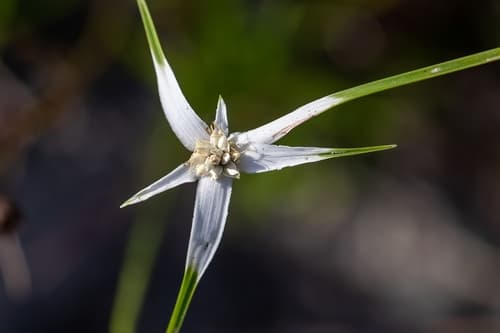
Whitetop sedge is a grass-like wetland plant with star-shaped white bracts that bloom from spring through summer in wet meadows, ditches, and pine savannas across the southeastern United States.
Toxicity unknown
Whitetop Sedge (Rhynchospora colorata) is not listed by the ASPCA Animal Poison Control Center (opens in new tab) or the other sources we check, so we have no verdict for it either way. Absence from those lists is not a clearance. If your pet shows symptoms after eating any plant, call the ASPCA at (888) 426-4435.
Light
full sun
Water
medium
Size
12"–24" H × 12"–24" W
Bloom
Mar, Apr, May, Jun, Jul, Aug
Native to
AL, AR, FL, GA and 7 more states
Pollinators
butterflies, bees
Before you buy
Your city may pay you to plant this
Cities and water utilities offer rebates for replacing lawn with native and water-wise plants. We track 452 programs across 44 states, each with a link to the provider and the date we last checked it.
Find rebates in your areaBrowse plants for this ecoregion
Whitetop Sedge is a compact native grass that forms neat clumps with distinctive white-topped flower clusters from spring through summer. This moisture-loving sedge maintains an attractive, tidy appearance year-round and works well in both formal and naturalistic garden settings.
Growing Whitetop Sedge
Grow Whitetop Sedge in full sun and medium water. Mature plants reach 12 to 24 inches tall and spread 12 to 24 inches wide. Expect low maintenance to keep it looking intentional in a front yard.
How to care for Whitetop Sedge, by region
How to care for Whitetop Sedge where it is actually grown: year-round basics plus what to do each season, region by region, with the sources for each.
Care guidance last updated: August 2026
Cross Timbers (includes Fort Worth, TX)
Year-round
Whitetop sedge is a low, grass-like native plant topped with small white star-shaped bracts from late spring through summer. It forms a tidy spreading patch that reads as an intentional groundcover, not a stray weed, once it fills in.
- Plant in full sun to light shade in spring so roots establish before the first triple-digit stretch in July and August.
- Give it consistent moisture, watering two to three times a week while it establishes, since it is naturally a moist-soil sedge and does not like drying out completely.
- In heavy black clay, plant it where water naturally collects or work in compost so the crown does not sit bone dry; in the sandier soils west of the metro, expect to water more often since that soil drains fast.
- Space new plants or divisions 12 to 18 inches apart; the spreading underground stems (rhizomes) will fill gaps in over one to two growing seasons.
- Divide crowded clumps every 2 to 3 years in early spring to keep the center of the patch from thinning out.
Fall
Fall is a lower-maintenance season for whitetop sedge as bloom winds down and the plant shifts into cooler-weather growth before winter dormancy.
- Reduce watering to about once a week as temperatures drop after the first cool fronts in October.
- Divide overcrowded clumps in September or October if you skipped a spring division, giving roots time to settle before the first frost around mid November.
- Leave the last of the season's white bracts in place through October; they fade naturally as the plant slows down.
- Clear fallen leaves off the crown so the sedge is not smothered heading into winter.
Winter
Whitetop sedge goes dormant or semi-dormant through North Texas winters, with foliage browning back after hard freezes.
- Expect foliage to brown and flatten after a hard freeze; this is normal winter dieback, not plant loss.
- Hold off on cutting the clump back until late February, since the old growth offers the crown some protection during Arctic cold snaps.
- Skip supplemental watering unless the soil stays bone dry for more than 2 to 3 weeks, since winter rainfall is usually enough.
- After a severe Arctic outbreak, check in early spring for new green growth at the base before assuming a clump did not survive.
Browned winter foliage can look neglected at a glance; keeping a clean bed edge around the clump helps it still read as a dormant planting rather than an unmowed patch.
Spring
Spring is the best time to plant whitetop sedge in North Texas, and established clumps put out fresh grassy growth as the white bracts begin to form.
- Plant new whitetop sedge between mid March (after last frost) and May so it has a full growing season to root in before summer heat.
- Water newly planted sedge every 2 to 3 days through April and May while roots establish.
- Cut back any winter-damaged or brown foliage left over from last year to about 3 to 4 inches in March before new growth pushes up.
- Top-dress with compost in March to help clay soils hold moisture through the coming summer.
- Watch for the first white star-shaped bracts to open by late April or May.
Fresh spring growth and the start of white blooms read as a deliberately planted bed, especially once old foliage is cut back in March rather than left ragged.
Summer
Summer is when whitetop sedge shows off its white star-shaped bracts, but North Texas heat and dry stretches make consistent water the main job.
- Water 2 to 3 times a week during July and August heat, more often for plants in fast-draining sandy soil, since this sedge does not tolerate going bone dry for long.
- Apply 2 to 3 inches of mulch around the base to hold soil moisture and keep roots cooler through 100 degree-plus afternoons.
- Deadhead spent bract clusters if a tidier look is wanted, though the seed heads can be left in place for visual interest.
- In heavy clay, check clumps after heavy summer storms; whitetop sedge tolerates wet feet, but standing water should not sit against the crown for more than a day or two.
Consistent watering keeps the white bracts and green blades looking full through the hottest months, which reads as active upkeep rather than a neglected bed.
Sources: Lady Bird Johnson Wildflower Center, Rhynchospora colorata, Native Plant Society of Texas, Rhynchospora colorata
Southeastern Plains (includes Tallahassee, FL)
Year-round
Whitetop sedge is a true sedge, not a grass, that forms tidy clumps topped with small white star-shaped bracts. In the Tallahassee area it grows naturally in wet flatwoods, ditches and pond edges, so it wants soil that stays consistently moist. Full sun gives the best bloom, though it also handles part shade.
- This is a sedge in the Cyperaceae family, not a turf grass, so it does not need mowing. Just cut the clump back once a year in winter.
- Keep the soil moist to occasionally wet. It tolerates sand, loam or clay and is not picky about soil quality, but it will not thrive in a dry bed.
- Full sun to part sun gives the fullest clump and the best show of white bracts. It will still grow in part shade with fewer blooms.
- Divide the clump by hand or with a shovel when it outgrows its space or gets crowded in the center. New divisions can be replanted or potted.
Its tidy, low clumping habit and distinctive white star-shaped bracts read as a deliberate accent plant, not a weed, which makes it a good pick for the edge of a moist HOA-friendly bed.
Fall
As fall arrives in Tallahassee, whitetop sedge's bloom tapers off and the plant begins settling into its fall-winter dormancy.
- Blooming winds down through fall. Do not expect the heavy bract show you saw in summer.
- Keep the soil from drying out completely, though the plant's water needs ease somewhat as growth slows.
- This is a normal seasonal slowdown, not a sign of trouble. No special action is needed beyond keeping the bed from drying out.
Winter
Winter in Tallahassee is typically mild for whitetop sedge, though the plant goes dormant this time of year. This is the one time of year it needs a hands-on trim.
- Cut the clump back in winter to clear out old growth and make room for fresh spring growth.
- The plant is dormant through fall and winter, so do not expect new growth or bloom until spring returns.
- Tallahassee's mild zone 8b/9a winters rarely kill this plant outright, but keep the bed from drying out completely even in the cooler months.
Spring
Spring is when whitetop sedge comes back to life around Tallahassee. Fresh green growth pushes up from the clump and the first white star bracts begin to open.
- Watch for new blades rising from the base of last year's clump. If you cut the old growth back in winter, this is when the fresh flush fills back in.
- Keep soil consistently moist as growth picks up. This is an active growing season for the plant, so let the bed dry out less than you would in winter.
- Blooming can start in spring and run into summer, so do not be surprised to see the white bracts appear before summer officially arrives.
Summer
Summer is peak season for whitetop sedge in the Tallahassee area. This is when the white star-shaped bracts are most visible, typically June through August.
- This is the main bloom window, June through August, when the white bracts are at their showiest.
- Tallahassee's hot, humid summer rain generally keeps this plant happy since it likes soil that stays moist to occasionally wet. During a dry stretch, add water rather than letting the bed dry out.
- Full sun in summer supports the fullest bloom. It will tolerate part shade but with a lighter bract display.
Sources: Florida Native Plant Society - Rhynchospora colorata, Lady Bird Johnson Wildflower Center - Rhynchospora colorata, USDA PLANTS Database - Rhynchospora colorata (RHCO7)
Texas Blackland Prairies (includes Dallas, TX)
Year-round
Whitetop sedge is a low, grass-like native plant topped with small white star-shaped bracts from late spring through summer. It forms a tidy spreading patch that reads as an intentional groundcover, not a stray weed, once it fills in.
- Plant in full sun to light shade in spring so roots establish before the first triple-digit stretch in July and August.
- Give it consistent moisture, watering two to three times a week while it establishes, since it is naturally a moist-soil sedge and does not like drying out completely.
- In heavy black clay, plant it where water naturally collects or work in compost so the crown does not sit bone dry; in the sandier soils west of the metro, expect to water more often since that soil drains fast.
- Space new plants or divisions 12 to 18 inches apart; the spreading underground stems (rhizomes) will fill gaps in over one to two growing seasons.
- Divide crowded clumps every 2 to 3 years in early spring to keep the center of the patch from thinning out.
Fall
Fall is a lower-maintenance season for whitetop sedge as bloom winds down and the plant shifts into cooler-weather growth before winter dormancy.
- Reduce watering to about once a week as temperatures drop after the first cool fronts in October.
- Divide overcrowded clumps in September or October if you skipped a spring division, giving roots time to settle before the first frost around mid November.
- Leave the last of the season's white bracts in place through October; they fade naturally as the plant slows down.
- Clear fallen leaves off the crown so the sedge is not smothered heading into winter.
Winter
Whitetop sedge goes dormant or semi-dormant through North Texas winters, with foliage browning back after hard freezes.
- Expect foliage to brown and flatten after a hard freeze; this is normal winter dieback, not plant loss.
- Hold off on cutting the clump back until late February, since the old growth offers the crown some protection during Arctic cold snaps.
- Skip supplemental watering unless the soil stays bone dry for more than 2 to 3 weeks, since winter rainfall is usually enough.
- After a severe Arctic outbreak, check in early spring for new green growth at the base before assuming a clump did not survive.
Browned winter foliage can look neglected at a glance; keeping a clean bed edge around the clump helps it still read as a dormant planting rather than an unmowed patch.
Spring
Spring is the best time to plant whitetop sedge in North Texas, and established clumps put out fresh grassy growth as the white bracts begin to form.
- Plant new whitetop sedge between mid March (after last frost) and May so it has a full growing season to root in before summer heat.
- Water newly planted sedge every 2 to 3 days through April and May while roots establish.
- Cut back any winter-damaged or brown foliage left over from last year to about 3 to 4 inches in March before new growth pushes up.
- Top-dress with compost in March to help clay soils hold moisture through the coming summer.
- Watch for the first white star-shaped bracts to open by late April or May.
Fresh spring growth and the start of white blooms read as a deliberately planted bed, especially once old foliage is cut back in March rather than left ragged.
Summer
Summer is when whitetop sedge shows off its white star-shaped bracts, but North Texas heat and dry stretches make consistent water the main job.
- Water 2 to 3 times a week during July and August heat, more often for plants in fast-draining sandy soil, since this sedge does not tolerate going bone dry for long.
- Apply 2 to 3 inches of mulch around the base to hold soil moisture and keep roots cooler through 100 degree-plus afternoons.
- Deadhead spent bract clusters if a tidier look is wanted, though the seed heads can be left in place for visual interest.
- In heavy clay, check clumps after heavy summer storms; whitetop sedge tolerates wet feet, but standing water should not sit against the crown for more than a day or two.
Consistent watering keeps the white bracts and green blades looking full through the hottest months, which reads as active upkeep rather than a neglected bed.
Sources: Lady Bird Johnson Wildflower Center, Rhynchospora colorata, Native Plant Society of Texas, Rhynchospora colorata
Western Gulf Coastal Plain (includes Houston, TX)
Year-round
Starrush whitetop is native to the Texas Gulf Coast and wants consistently wet feet, which makes it a good match for Houston's clay soil and heavy rain.
- Keep soil consistently moist to wet while establishing. It is not a drought plant.
- Once established it still wants consistently moist to wet soil, and it tolerates short stretches of standing water.
- Site it in a low spot, rain garden, or pond edge where Houston's downpours naturally collect.
- Mulch lightly and keep it off the crown. Piled mulch in our humid heat can trap moisture and encourage rot at the base.
- The most common mistake is planting it in a regular dry front bed. It's a wetland sedge, not a foundation plant, and it browns out fast if it dries between waterings.
Because it needs a consistently wet spot, tuck it into a rain garden or low corner rather than the main dry front bed so it stays green and full instead of browning out and looking neglected.
Fall
Fall in Houston stays warm and can still bring tropical rain, so this season is more about watching drainage than watering.
- Growth slows as days shorten. This is still a fine window to divide congested clumps.
- After heavy fall rain or a tropical system, check that water isn't standing stagnant for days at a time.
- Continue watching soil moisture through any dry stretches in October and November.
- No cutback needed yet. Wait for winter dormancy.
Winter
Houston winters are mild but can bring a hard freeze some years, and that shapes this plant's winter care.
- Foliage may brown back after a hard freeze, even though most Houston winters stay mild.
- Cut back dead growth in late winter to make room for fresh spring growth.
- Mulch the base ahead of any forecast hard freeze for extra insulation.
- Reduce watering frequency in cooler weather, but don't let the soil dry out completely.
Spring
Houston's mild spring is the best window to plant or divide this sedge before summer heat sets in.
- Plant or divide from March through May while temperatures are still mild.
- New growth resumes quickly once soil warms.
- Divide clumps now if they've outgrown their space.
- Keep soil moist through any dry spring weeks. Spring rain in Houston can be uneven.
Summer
Summer is when starrush whitetop truly shines, thriving in the same heat and humidity that stresses out drier plants, with its white star-shaped bracts on full display.
- Blooms run June through August with distinctive white, star-shaped bracts.
- Keep soil consistently moist between rain events, even in a normally wet spot, during a Houston heat wave.
- This plant tolerates standing water, so it can handle a heavy summer downpour without harm.
- Divide or share extra clumps if growth gets crowded during the summer growth flush.
Sources: Lady Bird Johnson Wildflower Center - Rhynchospora colorata, Texas A&M AgriLife Extension - Harris County Perennials & Freeze Protection Guide
Want these tasks as reminders timed to your yard? Pollinator Patch turns this guidance into a season-by-season care plan for the plants you actually grow.
In an HOA neighborhood
Whitetop Sedge is an HOA-friendly choice. Maintenance level: low. Tidiness: 4 out of 5.
Works well in: front yard, mid zone.
- Cut back in late winter
Wildlife value
The long blooming season provides nectar for butterflies and bees from spring through late summer. Seeds also provide food for various songbirds.
Common questions
- When does whitetop sedge bloom?
- Whitetop sedge typically flowers from March through August, with its distinctive white star-shaped bracts appearing most heavily in late spring and early summer.
- What kind of light does whitetop sedge need?
- It grows best in full sun but tolerates part sun and part shade, especially where soil moisture stays consistently high.
- How much water does whitetop sedge require?
- This sedge prefers consistently moist to wet soil and does well in boggy areas, pond margins, and low spots that hold water after rain.
- What pollinators visit whitetop sedge?
- The small flowers tucked among the white bracts attract butterflies and bees, which visit for nectar during the blooming season.
- Is whitetop sedge a true grass?
- No, despite its grass-like blades and common name, it is a sedge in the Cyperaceae family rather than a true grass.
- Is Whitetop Sedge HOA-friendly?
- Whitetop Sedge is generally an HOA-friendly choice in the right placement, with low maintenance.
These answers were drafted with an AI model from this plant's data. Verify care details with a local expert.
Native range data from vouchered herbarium specimen records and regional native plant society lists. Pollinator and host plant associations compiled from GBIF, iNaturalist, and published ecological literature.
If something looks wrong
Common plant problems, and what to check first
These come up on almost any plant. Each guide lists the likely causes in the order they are worth ruling out, with one thing to check before you act on any of them, and links to the source it came from.
- It is dying right after planting
- Leaves turning yellow
- Wilting even though I watered it
- Brown crispy leaf tips
- Bugs on the plant
Ready to grow Whitetop Sedge? Add it to your garden in Pollinator Patch to track it and get season-by-season care guidance.
Planning a bed around it? Start a free plan with this plant
Not sure where to start? Take the 2-minute yard quiz