Hyssopleaf Boneset
Eupatorium hyssopifolium
Last reviewed: September 2026
Hyssopleaf boneset is a full sun forb that blooms from summer into late fall, typically June through November, and tolerates dry soil once established.
Toxicity unknown
Hyssopleaf Boneset (Eupatorium hyssopifolium) is not listed by the ASPCA Animal Poison Control Center (opens in new tab) or the other sources we check, so we have no verdict for it either way. Absence from those lists is not a clearance. If your pet shows symptoms after eating any plant, call the ASPCA at (888) 426-4435.
Light
full sun
Water
low
Size
12"–36" H × 12"–36" W
Bloom
Jun, Jul, Aug, Sep, Oct, Nov
Native to
AL, AR, CT, DE and 21 more states
Pollinators
butterflies, bees
Before you buy
Your city may pay you to plant this
Cities and water utilities offer rebates for replacing lawn with native and water-wise plants. We track 452 programs across 44 states, each with a link to the provider and the date we last checked it.
Find rebates in your areaBrowse plants for this ecoregion
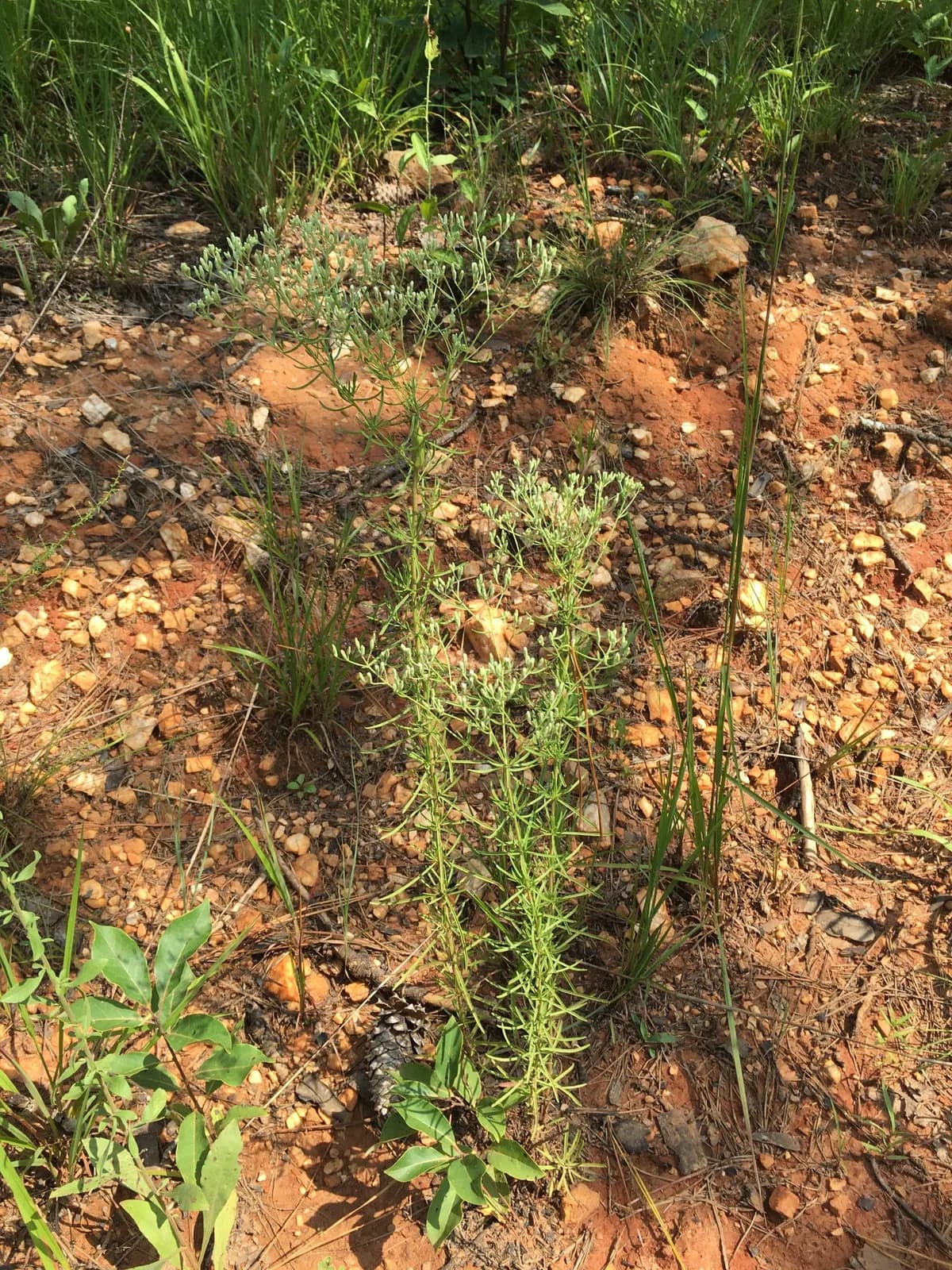
Hyssopleaf Boneset is a compact native perennial that produces clusters of small white flowers from summer through late fall. This drought-tolerant wildflower has narrow, lance-shaped leaves and maintains a relatively tidy, upright growth habit in full sun conditions.
Growing Hyssopleaf Boneset
Grow Hyssopleaf Boneset in full sun and low water. Mature plants reach 12 to 36 inches tall and spread 12 to 36 inches wide. Expect low maintenance to keep it looking intentional in a front yard.
How to care for Hyssopleaf Boneset, by region
How to care for Hyssopleaf Boneset where it is actually grown: year-round basics plus what to do each season, region by region, with the sources for each.
Care guidance last updated: August 2026
Interior Plateau (includes Cincinnati, OH)
Year-round
Hyssopleaf boneset is a low-fuss native wildflower that forms a tidy upright clump, blooms white from late summer into fall, and asks for very little once it settles in.
- Grows as an upright, clump-forming perennial, usually 1 to 3 feet tall, with fine needle-like leaves and clusters of small white flowers from late summer into fall.
- Full sun and well-drained soil suit it best. It tolerates dry spells once established and does not need regular watering.
- Native to Ohio, confirmed by USDA PLANTS and the Lady Bird Johnson Wildflower Center.
- A caterpillar host for the Clymene moth, whose larvae feed on Eupatorium species generally (per BAMONA). Flowers also draw bees and butterflies.
- Stays in a clump rather than spreading aggressively, which keeps it easy to manage in a front yard bed.
Fall
Fall is this plant's peak season in Cincinnati, with bloom running right up to the first frost and seed heads carrying it through the rest of autumn.
- Peak bloom in the Cincinnati area runs from September into October, up to around the average first fall frost date of late October (around October 25, per NOAA/NWS 1991 to 2020 normals).
- Leave the seed heads standing after bloom fades. Songbirds work through them into late fall and they add structure to the bed.
- Early fall, at least 4 to 6 weeks before the first frost, is a good, low-stress window to divide a clump or transplant it.
- If a fall cutback is wanted for a tidier look, wait until the stems have browned after frost rather than cutting back green growth.
A fall cutback of browned stems once frost has hit keeps a front-yard bed looking intentional heading into winter. Leaving seed heads up through most of fall is also a commonly accepted, tidy look.
Winter
Cincinnati sits in USDA zone 6b, with average winter lows around minus 5 to 0 degrees F. This plant dies back to the ground and is fully hardy through that range.
- Top growth dies back completely after fall frost. The dry stems and seed heads left standing give a bit of winter structure and shelter insects overwintering in hollow stems.
- Fully hardy through Cincinnati's zone 6b winters. No mulching or winter protection is needed once the plant is established.
- If stems were not cut back in fall, cutting the dead growth down to a few inches in late winter, before new growth starts, is a good, low-stress option.
- No winter watering needed. The plant is dormant and its low water needs mean it does not require supplemental moisture even in a dry winter.
A late-winter cutback of the old stems, done just before spring green-up, keeps a front-yard bed looking cared for if standing winter stems are not the preferred look.
Spring
Spring in Cincinnati (zone 6b) starts with this plant regrowing from its base once nights warm up, with new shoots showing through April.
- New growth comes up from the base once nights stay reliably above freezing. In the Cincinnati area that is generally mid to late April, close to the average last frost date.
- If old stems were left standing over winter, cut them back to a few inches once you see new growth starting at the base.
- Early spring, before the plant leafs out fully, is a good, low-stress time to divide a clump or move it if it is in the wrong spot.
- Average garden soil is enough. Extra fertilizer tends to make the stems floppy without adding much bloom.
Clearing out old winter stems in spring keeps a front-yard bed looking tended before the growing season picks up.
Summer
Cincinnati's warm, humid summers are the dry-soil, full-sun conditions this plant is built for, and bloom starts building through midsummer.
- Flower clusters begin opening in mid to late summer and keep going into fall. Humidity does not bother it since it naturally grows in dry, sunny sites.
- Water only during an extended dry stretch in the first year after planting. Once established it handles Ohio Valley summer dry spells without extra watering.
- Deadheading is optional. It keeps blooming without it, but removing spent clusters can tidy the look if it starts to look ragged.
- A light pinch back of the stems in June can keep the plant more compact, useful if height matters for a front-yard spot.
Occasional deadheading through summer keeps the plant looking tidy along a front walk or bed edge during peak bloom.
Sources: Lady Bird Johnson Wildflower Center: Eupatorium hyssopifolium, USDA PLANTS Database: Eupatorium hyssopifolium (EUHY) profile, Butterflies and Moths of North America: Haploa clymene host plants, NWS Wilmington OH: Cincinnati fall frost/freeze climatology, Native Plant Society of Texas: Eupatorium hyssopifolium profile, NWS Wilmington OH: Cincinnati spring frost/freeze climatology
Northeastern Coastal Zone (includes New York, NY)
Year-round
Hyssopleaf boneset is a native, low-maintenance perennial for the Northeastern Coastal Zone. It forms a tidy, HOA-friendly clump with airy white flower clusters from mid to late summer into fall.
- Native to New York and the wider Northeastern Coastal Zone, with airy white flower clusters that show up from mid to late summer into fall.
- Full sun and average to dry, well-drained soil suit it best. Once it's established, it handles dry spells with little extra watering.
- It grows in a low clump and spreads slowly by both self-seeding and creeping roots. Deadhead after bloom if you don't want volunteers to spread.
- Bees and butterflies visit the flowers for nectar, and birds eat the seed heads through winter.
- Our records flagged this as a host plant for a specific caterpillar, but we could not confirm a named species for this exact plant. Other bonesets in the same genus do host moth caterpillars, so we're treating this as good general pollinator value rather than a specific host claim.
- It isn't on the ASPCA's toxic plant list, but that's a gap in testing, not proof it's fine to eat in any amount. A few close boneset relatives have tested positive for liver-affecting compounds called pyrrolizidine alkaloids, and this exact species hasn't been tested. Keep grazing pets and kids from eating it in quantity, to be careful.
Fall
Fall is peak bloom, when the plant earns its keep for pollinators.
- Clusters of small white flowers open from late summer through fall, drawing bees and butterflies at a time when a lot of other blooms have finished.
- The plant tends to hold its shape well through fall without staking, even as flowers fade to fluffy seed heads.
- Deadheading spent flower clusters after bloom limits self-seeding if you want to keep the clump contained.
If a tidy fall look matters more than feeding winter birds, cut back the spent flower clusters once bloom fades instead of leaving the seed heads standing.
Winter
Winter is dormant. The plant dies back to the ground and waits out the cold.
- All top growth dies back after frost since this is a deciduous perennial, not a shrub or evergreen. Only the roots survive winter.
- Leaving the dried stems and seed heads standing gives birds a food source and adds some winter texture to the bed.
- It's hardy through New York's winters without any special protection needed.
Standing dead stems can read as unkempt to some neighbors over winter. Cutting them back to a few inches by late winter keeps the front bed looking tended until spring growth starts.
Spring
Spring is when new growth pushes up from the base after a slow start.
- Shoots emerge later than a lot of neighboring perennials, so mark the spot in fall so you don't accidentally dig into the crown before it comes up.
- If you left last year's stems standing over winter for the birds, this is a good, low-stress time to cut them back to the ground before new growth fills in.
- Divide crowded clumps now if you want to spread the plant to a new spot or keep its footprint in check.
Cutting back last year's winter stems in spring keeps this bed looking tended along the front yard, rather than leaving brown stalks visible once neighboring plants green up.
Summer
Summer is mostly about steady green growth before the flowers open.
- The narrow, whorled leaves fill in to a fine-textured green clump, usually reaching its full 1 to 3 foot height by mid to late summer.
- Water only during longer dry stretches. Once established, it tolerates drought well and doesn't want soggy soil.
- Flower buds start forming by late summer, with the small white clusters opening as summer turns to fall.
Sources: Lady Bird Johnson Wildflower Center, Native Plant Database: Eupatorium hyssopifolium, Butterflies and Moths of North America (BAMONA): Haploa clymene (Clymene Moth) host plants, ASPCA Toxic and Non-Toxic Plants database (no Eupatorium/boneset entry found), PubMed: Potentially toxic pyrrolizidine alkaloids in Eupatorium perfoliatum and three related species, Mt. Cuba Center: Hyssop-Leaf Thoroughwort plant profile (hardiness zones 4-8), NC State Extension Plant Toolbox: Eupatorium hyssopifolium
Piedmont (includes Atlanta, GA)
Year-round
Hyssopleaf boneset is a tough, drought-tolerant native perennial that handles Atlanta's hot, humid summers and heavy red clay soil once it is established. It stays under about 3 feet tall and blooms with small white flower clusters from late summer into fall, and it needs very little upkeep.
- Plant in full sun to light afternoon shade; it tolerates Atlanta's clay as long as the spot drains and does not stay soggy after heavy summer storms.
- Water new plants regularly through their first Piedmont summer, then ease off. Established clumps handle the region's late-summer dry spells well on their own.
- It occurs naturally in Piedmont-region habitats such as dry roadbanks, pastures, and open woodlands, so it is well matched to the red-clay, hot-summer conditions typical of metro Atlanta.
- It spreads slowly by rhizomes and self-seeds. If a tidy, contained clump matters for a front-yard bed, plan to divide it every few years or pull volunteer seedlings each spring.
- It does not appear on the ASPCA's toxic plant lists for dogs or cats, which is worth knowing for households with pets that spend time in the yard.
Because it spreads by rhizome and reseeds, keep the clump edged or divided every few years so it reads as an intentional planting rather than a spreading patch.
Fall
Fall is peak season for hyssopleaf boneset. Clusters of small white flowers open from late summer into October, drawing in bees, butterflies, and other pollinators right as many other plants are winding down.
- Expect bloom from roughly late July through October, one of the latest nectar sources in a Piedmont pollinator bed before frost.
- The flower clusters attract bees, butterflies, and other pollinators, plus birds that come for the seed afterward.
- If self-seeding is not wanted in a tidy front-yard bed, deadhead spent flower clusters; otherwise leave them standing so birds can feed on the seed into winter.
- Because it spreads by rhizome, fall bloom is a good time to notice whether the clump has crept past its bed edge and mark it for spring division.
Deadheaded plants read as neater from the street, but leaving some seed heads up is a small trade against a fuller look until you cut back in late winter.
Winter
Hyssopleaf boneset goes fully dormant in winter. Atlanta's Piedmont winters are mild enough that the plant needs no protection, and the main task is deciding when to cut back the dead stalks.
- Leave the dried seed heads standing through winter to keep feeding birds, or cut the dead stalks back in late winter before new growth starts.
- It is hardy through USDA zone 4, so metro Atlanta's zone 7b/8a winters pose no cold-hardiness risk to established plants.
- No mulching or wrapping is needed for winter protection; the main winter task is bed cleanup, not frost defense.
- Deer and rabbits tend to leave it alone even when other winter forage is scarce, so it does not need fencing or repellent through the dormant season.
Cutting the dead stalks back by late winter keeps the bed looking tended before spring growth starts, if a clipped look matters more than winter bird forage.
Spring
Spring is a quiet stretch for hyssopleaf boneset. It is putting up new growth from the base of last year's clump rather than flowering, which makes it a good window for planting, dividing, or general bed cleanup.
- This is a good time to plant new nursery starts so roots can establish in Atlanta's clay before their first hot Piedmont summer.
- If a clump has outgrown its space, divide it now. The plant spreads by rhizome and can widen a bed faster than expected over a few seasons.
- Choose a full sun to partial shade spot with soil that drains; this species is described as intolerant of soil that stays wet, so avoid low spots that pond after spring downpours.
- Hold off on rich fertilizer. It naturally grows in average to lean, dry sandy or gravelly soils, and heavy feeding tends to produce weak, floppy stems instead of sturdier growth.
Summer
Summer is when hyssopleaf boneset does its best work. It is built for hot, humid conditions and dry stretches, and it needs almost no attention once it is through its first season.
- Water new plantings through their first Atlanta summer; established clumps are drought-tolerant and generally do not need supplemental watering once their roots are in.
- It handles heavy clay as long as the site drains. In low or slow-draining spots, a raised bed or amended soil will keep roots healthier through humid Piedmont summers.
- No significant pest or disease problems are reported for this species, and it naturally resists deer and rabbit browsing, so summer care is mostly hands-off.
- Flower buds are still forming through midsummer; avoid shearing the plant back now or you will cut off the coming late-summer bloom.
Sources: Lady Bird Johnson Wildflower Center: Eupatorium hyssopifolium, NC State Extension: Eupatorium hyssopifolium, South Carolina Native Plant Society: Eupatorium hyssopifolium, ASPCA Toxic and Non-Toxic Plant List: Dogs, ASPCA Toxic and Non-Toxic Plant List: Cats
Ridge and Valley (includes Harrisburg, PA)
Year-round
Hyssopleaf boneset is an easy, low-fuss native wildflower for the Harrisburg area. Give it full sun and well-drained soil and it mostly takes care of itself once it settles in.
- This plant is native to Pennsylvania, so it is well matched to Harrisburg's climate and rain patterns.
- It wants full sun and dry to average, well-drained soil. It does not need regular watering once established, and rich or heavily watered soil actually makes it flop over.
- It grows about 1 to 3 feet tall in a clumping shape and stays tidy without much work.
- Deer and rabbits mostly leave it alone, which is a real plus for an unfenced front yard.
- It is a strong late-season food source for bees, butterflies, and moths when many other flowers are done blooming.
Fall
Fall is this plant's big moment. The white flower clusters open up and become one of the last strong pollinator stops before winter.
- Flowers typically peak from late August through October in this area, right as many summer bloomers are fading.
- Bees, butterflies, and moths rely on this late bloom, so it is worth leaving the flowers in place rather than deadheading them this time of year.
- You can deadhead spent clusters if you want to stop it from self-seeding into nearby beds, but it is not required for plant health.
- Hold off on the big cutback until late fall or wait for spring. The seedheads that follow the flowers feed songbirds through the colder months.
Leaving the seedheads up through fall is a common look for a wildlife-friendly bed, and deadheading the front-facing stems is an easy HOA-conscious middle ground if a tidier edge is wanted.
Winter
You can leave this plant standing through winter for seed and shelter value, or cut it back now for a cleaner look. Either choice is fine for the plant.
- The dry stems and seedheads can stay up all winter. They feed songbirds and give small pollinators a place to overwinter, and they are hardy through zone 7a's cold.
- If a tidier winter silhouette matters more for the front yard, cut the whole plant back to about 6 inches above the ground any time from late fall through late winter, before new growth starts in spring.
- There is no watering or feeding needed this time of year. The plant is fully dormant.
A late-winter cutback to a clean, low clump is an HOA-friendly way to keep the bed looking intentional before spring growth starts.
Spring
Spring is cleanup time. If you did not cut the plant back last fall, do it now before new growth gets going, and hold off on rich fertilizer.
- If old stems are still standing from winter, cut them back to about 6 inches above the ground before new shoots take over.
- New growth appears from the base as the ground warms in April and May in zone 7a.
- Skip heavy fertilizer or compost-rich soil amendments. This plant prefers lean, well-drained ground, and extra richness makes it grow tall and floppy instead of sturdy.
- Divide crowded clumps now if you want to spread the plant to another spot or share it.
Cutting old stems back to a clean base in spring is an HOA-friendly way to start the season looking tidy.
Summer
Summer is mostly hands-off. Water it in only during a real dry stretch and let it start budding up toward its late-summer show.
- Once established, this plant is drought tolerant and does not need regular watering, even through a hot Harrisburg summer.
- Water only during extended dry spells, especially in the plant's first year while roots are still developing.
- Flower buds begin forming in mid to late summer, with the white flower clusters opening as summer moves into fall.
- If a stem looks like it is leaning or flopping, it usually means the spot is a bit too rich or shady. There is nothing to fix mid-season, just note it for next year's placement.
Sources: Lady Bird Johnson Wildflower Center, Eupatorium hyssopifolium native range and habitat, NC State Extension, Eupatorium hyssopifolium plant profile
Want these tasks as reminders timed to your yard? Pollinator Patch turns this guidance into a season-by-season care plan for the plants you actually grow.
In an HOA neighborhood
Hyssopleaf Boneset is an HOA-friendly choice. Maintenance level: low. Tidiness: 3 out of 5.
Works well in: front yard, foundation, street edge, mid zone.
Wildlife value
The long blooming period makes this an excellent pollinator plant, attracting butterflies and native bees from June through November. The extended flowering season provides crucial late-season nectar when many other plants have finished blooming.
Common questions
- When does hyssopleaf boneset bloom?
- Hyssopleaf boneset produces small white flower clusters from June through November, with peak bloom in late summer and early fall.
- What pollinators visit hyssopleaf boneset?
- Bees and butterflies regularly visit hyssopleaf boneset for nectar, and its late season blooms make it a useful food source as many other plants finish flowering.
- How much water does hyssopleaf boneset need?
- This forb prefers low to medium moisture and handles dry, sandy soils well once its roots are established.
- How much sun does hyssopleaf boneset need?
- It grows best in full sun but can tolerate a bit of light shade, especially in hot southern climates.
- What kind of habitat suits hyssopleaf boneset?
- It is often found in open fields, roadsides, dry meadows, and along woodland edges where soils drain well.
- Is Hyssopleaf Boneset HOA-friendly?
- Hyssopleaf Boneset is generally an HOA-friendly choice in the right placement, with low maintenance.
These answers were drafted with an AI model from this plant's data. Verify care details with a local expert.
Native range data from the World Checklist of Vascular Plants (Kew). Pollinator and host plant associations compiled from GBIF, iNaturalist, and published ecological literature.
If something looks wrong
Common plant problems, and what to check first
These come up on almost any plant. Each guide lists the likely causes in the order they are worth ruling out, with one thing to check before you act on any of them, and links to the source it came from.
- It is dying right after planting
- Leaves turning yellow
- Wilting even though I watered it
- Brown crispy leaf tips
- Bugs on the plant
Ready to grow Hyssopleaf Boneset? Add it to your garden in Pollinator Patch to track it and get season-by-season care guidance.
Planning a bed around it? Start a free plan with this plant
Not sure where to start? Take the 2-minute yard quiz