Swamp Sunflower
Helianthus angustifolius
Last reviewed: August 2026
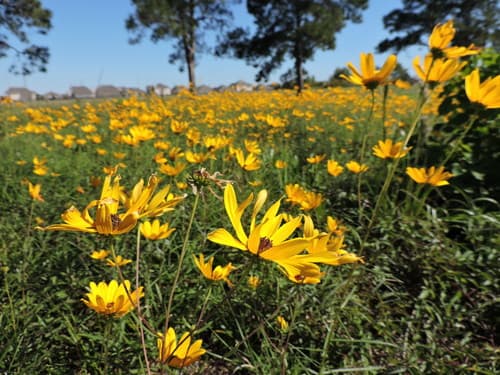
Swamp Sunflower (Helianthus angustifolius) is a tall wetland forb that blooms yellow from September through November in full sun and consistently moist to wet soils.
Swamp Sunflower (Helianthus angustifolius) is not on the ASPCA Animal Poison Control Center toxic plant list for dogs or cats (aspca.org (opens in new tab), last reviewed 2026-05-21). If your pet shows symptoms after eating any plant, call the ASPCA at (888) 426-4435.
The USDA PLANTS Database (opens in new tab) does not flag Swamp Sunflower as toxic to livestock.
Light
full sun
Water
high
Size
36"–72" H × 6"–12" W
Bloom
Sep, Oct, Nov
Native to
AL, AR, FL, GA and 18 more states
Pollinators
butterflies
Before you buy
Your city may pay you to plant this
Cities and water utilities offer rebates for replacing lawn with native and water-wise plants. We track 452 programs across 44 states, each with a link to the provider and the date we last checked it.
Find rebates in your areaBrowse plants for this ecoregion
Swamp Sunflower is a tall, narrow perennial that produces bright yellow daisy-like flowers from September through November. This native Texas wildflower thrives in moist conditions and can reach up to 6 feet tall with a relatively compact spread. The late-season blooms provide important color when many other plants are finishing for the year.
Growing Swamp Sunflower
Grow Swamp Sunflower in full sun and high water. Mature plants reach 36 to 72 inches tall and spread 6 to 12 inches wide. Expect low maintenance to keep it looking intentional in a front yard.
How to care for Swamp Sunflower, by region
How to care for Swamp Sunflower where it is actually grown: year-round basics plus what to do each season, region by region, with the sources for each.
Care guidance last updated: September 2026
Cross Timbers (includes Fort Worth, TX)
Year-round
Swamp sunflower is a tall, upright perennial that covers itself in bright yellow, dark centered blooms in fall. It wants full sun and consistently moist soil, so it does best somewhere it will not dry out between waterings.
- Give it full sun; it will take a little afternoon shade but gets floppier and blooms less densely.
- Expect a mature size of about 3 to 6 feet tall, so plant it toward the back of a bed or as a fall accent rather than right along a front walk.
- In the heavy black clay common across the Blackland Prairies, its preference for moist soil is a natural fit, just avoid low spots that stay fully waterlogged for weeks at a time; in the sandier, faster draining soils of the Cross Timbers to the west, plan on watering it more often so it does not dry out.
- Space plants 2 to 3 feet apart since it spreads by rhizomes and will fill in over a few seasons.
- Keep it out of small, tightly clipped foundation beds. it reads as a loose, informal plant and looks best massed or used as a backdrop.
Fall
Fall is the payoff season: swamp sunflower blooms bright yellow from September into November, right as most other perennials are winding down.
- Expect peak bloom from late September through November, with 2 inch yellow, dark centered flowers covering the upper stems.
- Deadheading is optional; spent blooms are not showy but leaving them lets seed heads feed songbirds through winter.
- Stake or corral tall stands with a simple loop of twine if wind or rain has been knocking them over, rather than cutting the plant back mid bloom.
- This is also the better window for planting woody companions nearby (trees, shrubs, vines) if you are filling out the rest of the bed, since fall planting suits them better than spring in North Texas.
- A dense, upright block of blooms along a fence line or back border reads as a deliberate fall planting rather than an overgrown patch, especially once flanked by a mowed edge or low border plant.
A tall stand of fall blooms can look unplanned if it flops or spills over a walkway; staking it upright and keeping a mowed or edged line in front of it reads as an intentional seasonal display instead of overgrowth.
Winter
The top growth dies back to the ground after the first hard freeze. Cut it back and leave the roots undisturbed; they are hardy through North Texas winters.
- After frost blackens the foliage (typically by late November to December), cut stems back to 4 to 6 inches, or leave them standing through winter if you want seed heads available for birds a little longer.
- The plant is winter hardy in USDA zones 8a to 8b and does not need mulch or covering for a typical North Texas freeze.
- During an occasional severe Arctic outbreak, a layer of leaf mulch over the crown is cheap insurance, though established clumps generally come back fine from the roots.
- This is a good time to edge or refresh the bed line while the plant is dormant and out of the way.
- Sunflower foliage, stems, and seeds are listed as non-toxic to dogs, cats, and horses by the ASPCA, so cutback debris left in a bed is not a pet hazard.
Cut stems back to a tidy, low clump rather than leaving tall bare stalks standing all winter if the bed is visible from the street; a clean cutback reads as maintained rather than neglected.
Spring
Spring is the planting and cleanup window for swamp sunflower. New shoots come up from the base once the soil warms, and this is the best time to plant new stock or divide an overgrown clump.
- If old stems were not cut back over winter, trim them to 4 to 6 inches before new growth reaches about a foot tall.
- Plant new nursery stock anytime from March through May, North Texas's spring planting window, and water deeply twice a week until roots take hold.
- Divide congested clumps every 3 to 4 years in spring; the rhizomes spread and older clumps can crowd out neighboring plants.
- New shoots are often slow to appear and may not show until April, so do not assume a dormant clump died over winter.
- Set new plants in a defined bed or border rather than scattered singly, so the loose, upright habit reads as an intentional planting from the start.
Planting or dividing in a clearly edged bed rather than as a lone stray plant helps it read as an intentional landscape choice while it is still small and not yet in bloom.
Summer
Summer is active growth season, and it is also when North Texas heat can stress a young or under watered plant before it gets the chance to bloom in fall.
- Water deeply once or twice a week through the July and August heat; increase frequency in the sandier soils west of the metro, where the ground dries out faster.
- Mulch 2 to 3 inches around the base to hold soil moisture and cut down on how often you need to water during the hottest weeks.
- Pinch or lightly shear the stems back by a few inches in June if you want a shorter, bushier plant; skip this step if you want full height by fall.
- Sunflower species, including this one, are a larval host plant for the bordered patch butterfly and support foraging native bees through the growing season, so leave chewed leaves alone rather than treating them.
- Watch for wilting on hot afternoons even with regular water; that is normal heat response in a new planting and not a sign to increase watering further.
Sources: Lady Bird Johnson Wildflower Center: Helianthus angustifolius, Missouri Botanical Garden Plant Finder: Helianthus angustifolius, Butterflies and Moths of North America: Bordered Patch (Chlosyne lacinia) host plants, ASPCA Toxic and Non-Toxic Plants: Sunflower
Mississippi Valley Loess Plains (includes Memphis, TN)
Year-round
Swamp sunflower is a tall native perennial that grows well in the Memphis area if it gets full sun and soil that stays on the moist side, and it is not on the ASPCA toxic plant list for dogs or cats.
- Give it full sun and soil that stays moist to occasionally wet, since in the wild it grows in ditches, wet meadows, and low ground across Tennessee.
- Expect it to reach 4 to 6 feet tall at maturity, so give it room toward the back of a bed or along a fence.
- It spreads by underground rhizomes and will form a thickening patch over a few years, so plan for that spread or plan to divide it.
- It is not on the ASPCA toxic plant list for dogs, cats, or horses.
- It is native to Tennessee, so it fits naturally into a native plant bed here.
Fall
Fall is when swamp sunflower puts on its main show, tall stems topped with bright yellow flowers that feed bees and butterflies right up to the first frost, and its leaves are also food for a native butterfly caterpillar.
- Expect peak bloom from late August into October in the Memphis area, tapering off after the first hard fall frost, which typically lands in late October.
- Deadhead spent flower heads if you want a tidier look, or leave some seed heads standing since goldfinches and other seed eating birds feed on them.
- This plant is a caterpillar host for the silvery checkerspot butterfly, along with other sunflowers in the Helianthus genus, so a few chewed leaves in fall are part of that relationship, not a problem to treat.
- It is native to Tennessee, so letting it bloom fully out front supports local pollinators without needing to explain an unfamiliar plant to a neighbor.
- Once a hard frost blackens the foliage, you can start the winter cutback or wait, see the winter tips.
Deadheading spent blooms or trimming the bed edge in fall gives the planting a tended look that reads as intentional rather than an overgrown patch.
Winter
Once frost kills the top growth, swamp sunflower goes dormant for winter, and leaving the dead stems standing instead of cutting them to the ground gives overwintering insects a place to survive until spring.
- After the first hard frost blackens the leaves and stems, hold off on cutting the plant to the ground right away.
- Leave the hollow dead stems standing through winter. Native bees and other insects use them as winter shelter.
- If tall dead stems look too messy for a front yard bed, cut them down to about 12 to 24 inches instead of removing them completely. This still leaves habitat while lowering the height.
- Wait until you see new growth low on the plant in spring before doing a full cleanup.
- No winter watering or fertilizing is needed. The plant is dormant, and the Memphis area normally gets enough winter rain on its own.
Cutting the dead stems down to a shorter, even height instead of leaving tall bare stalks reads as an intentional winter border rather than a neglected bed.
Spring
In the Memphis area new shoots come up from the rootstock in spring, and this is the best time to divide the clump or finish any winter cleanup before the plant gets tall.
- Wait until you see new growth low on the plant before doing a hard cleanup, so you know which stems are truly dead.
- Cut down any dead stalks left over from winter once new growth appears at the base.
- Because it spreads by rhizomes, spring is a good time to dig up and thin the clump if it outgrew its space last year, or to pot up divisions.
- Water new growth during dry spring stretches so the clump does not stall out before its main summer growth.
- Hold off on fertilizer. It is not usually needed, and extra feeding tends to make the stems weaker later in the season.
Summer
Through Memphis's hot summer, swamp sunflower keeps growing taller and getting ready for its fall bloom, and a mid-summer trim keeps it from getting leggy and flopping over.
- Cut the stems back by about a third in June to encourage bushier, sturdier growth with more flower buds later in the season.
- Keep the soil from drying out completely in hot, dry stretches. This plant is used to wet ground in the wild and will wilt faster than a typical drought tolerant perennial.
- Stake tall stems or tuck the plant behind sturdier neighbors if summer storms tend to knock plants over in your yard.
- A few chewed leaves from caterpillars or beetles are normal in summer and usually do not need any treatment.
- Skip heavy fertilizer. It tends to push weak, floppy stems instead of a sturdier plant.
A June trim keeps the plant shorter and bushier through summer instead of tall and leaning, which reads as a tended bed rather than an overgrown one.
Sources: Lady Bird Johnson Wildflower Center: Helianthus angustifolius, ASPCA: Swamp Sunflower, Toxic and Non-Toxic Plants, Xerces Society: Leave the Leaves, winter and spring cleanup timing, NC State Extension Gardener Plant Toolbox: Helianthus angustifolius, Missouri Department of Conservation: Silvery Checkerspot, larval host plants
Texas Blackland Prairies (includes Dallas, TX)
Year-round
Swamp sunflower is a tall, upright perennial that covers itself in bright yellow, dark centered blooms in fall. It wants full sun and consistently moist soil, so it does best somewhere it will not dry out between waterings.
- Give it full sun; it will take a little afternoon shade but gets floppier and blooms less densely.
- Expect a mature size of about 3 to 6 feet tall, so plant it toward the back of a bed or as a fall accent rather than right along a front walk.
- In the heavy black clay common across the Blackland Prairies, its preference for moist soil is a natural fit, just avoid low spots that stay fully waterlogged for weeks at a time; in the sandier, faster draining soils of the Cross Timbers to the west, plan on watering it more often so it does not dry out.
- Space plants 2 to 3 feet apart since it spreads by rhizomes and will fill in over a few seasons.
- Keep it out of small, tightly clipped foundation beds. it reads as a loose, informal plant and looks best massed or used as a backdrop.
Fall
Fall is the payoff season: swamp sunflower blooms bright yellow from September into November, right as most other perennials are winding down.
- Expect peak bloom from late September through November, with 2 inch yellow, dark centered flowers covering the upper stems.
- Deadheading is optional; spent blooms are not showy but leaving them lets seed heads feed songbirds through winter.
- Stake or corral tall stands with a simple loop of twine if wind or rain has been knocking them over, rather than cutting the plant back mid bloom.
- This is also the better window for planting woody companions nearby (trees, shrubs, vines) if you are filling out the rest of the bed, since fall planting suits them better than spring in North Texas.
- A dense, upright block of blooms along a fence line or back border reads as a deliberate fall planting rather than an overgrown patch, especially once flanked by a mowed edge or low border plant.
A tall stand of fall blooms can look unplanned if it flops or spills over a walkway; staking it upright and keeping a mowed or edged line in front of it reads as an intentional seasonal display instead of overgrowth.
Winter
The top growth dies back to the ground after the first hard freeze. Cut it back and leave the roots undisturbed; they are hardy through North Texas winters.
- After frost blackens the foliage (typically by late November to December), cut stems back to 4 to 6 inches, or leave them standing through winter if you want seed heads available for birds a little longer.
- The plant is winter hardy in USDA zones 8a to 8b and does not need mulch or covering for a typical North Texas freeze.
- During an occasional severe Arctic outbreak, a layer of leaf mulch over the crown is cheap insurance, though established clumps generally come back fine from the roots.
- This is a good time to edge or refresh the bed line while the plant is dormant and out of the way.
- Sunflower foliage, stems, and seeds are listed as non-toxic to dogs, cats, and horses by the ASPCA, so cutback debris left in a bed is not a pet hazard.
Cut stems back to a tidy, low clump rather than leaving tall bare stalks standing all winter if the bed is visible from the street; a clean cutback reads as maintained rather than neglected.
Spring
Spring is the planting and cleanup window for swamp sunflower. New shoots come up from the base once the soil warms, and this is the best time to plant new stock or divide an overgrown clump.
- If old stems were not cut back over winter, trim them to 4 to 6 inches before new growth reaches about a foot tall.
- Plant new nursery stock anytime from March through May, North Texas's spring planting window, and water deeply twice a week until roots take hold.
- Divide congested clumps every 3 to 4 years in spring; the rhizomes spread and older clumps can crowd out neighboring plants.
- New shoots are often slow to appear and may not show until April, so do not assume a dormant clump died over winter.
- Set new plants in a defined bed or border rather than scattered singly, so the loose, upright habit reads as an intentional planting from the start.
Planting or dividing in a clearly edged bed rather than as a lone stray plant helps it read as an intentional landscape choice while it is still small and not yet in bloom.
Summer
Summer is active growth season, and it is also when North Texas heat can stress a young or under watered plant before it gets the chance to bloom in fall.
- Water deeply once or twice a week through the July and August heat; increase frequency in the sandier soils west of the metro, where the ground dries out faster.
- Mulch 2 to 3 inches around the base to hold soil moisture and cut down on how often you need to water during the hottest weeks.
- Pinch or lightly shear the stems back by a few inches in June if you want a shorter, bushier plant; skip this step if you want full height by fall.
- Sunflower species, including this one, are a larval host plant for the bordered patch butterfly and support foraging native bees through the growing season, so leave chewed leaves alone rather than treating them.
- Watch for wilting on hot afternoons even with regular water; that is normal heat response in a new planting and not a sign to increase watering further.
Sources: Lady Bird Johnson Wildflower Center: Helianthus angustifolius, Butterflies and Moths of North America: Bordered Patch (Chlosyne lacinia) host plants, Missouri Botanical Garden Plant Finder: Helianthus angustifolius, ASPCA Toxic and Non-Toxic Plants: Sunflower
Want these tasks as reminders timed to your yard? Pollinator Patch turns this guidance into a season-by-season care plan for the plants you actually grow.
In an HOA neighborhood
Swamp Sunflower takes more care to keep looking intentional in a front yard. Maintenance level: low. Consider it for backyard or mid-zone beds rather than the street edge.
Works well in: backyard only.
- Height exceeds typical HOA-friendly range
Wildlife value
The abundant fall flowers are excellent nectar sources for migrating butterflies and other pollinators during a critical time when few other plants are blooming. Seeds also provide food for birds in winter.
Common questions
- When does swamp sunflower bloom?
- Swamp sunflower blooms in late summer through fall, typically from September into November, producing clusters of yellow ray flowers on tall stems.
- What pollinators does swamp sunflower attract?
- Swamp sunflower is a strong nectar source for butterflies, which visit the late-season blooms heavily as other flowers fade.
- What growing conditions does swamp sunflower need?
- It grows best in full sun with consistently moist to wet soil, making it well suited to ditches, low meadows, pond edges, and other damp, sunny sites.
- Does swamp sunflower spread aggressively?
- Swamp sunflower can form colonies over time through rhizomes and self-seeding, so gardeners often give it room or divide clumps every few years to manage size.
- Is Swamp Sunflower toxic to dogs?
- Swamp Sunflower is not on the ASPCA Animal Poison Control Center toxic plant list for dogs (aspca.org).
- Is Swamp Sunflower toxic to cats?
- Swamp Sunflower is not on the ASPCA Animal Poison Control Center toxic plant list for cats (aspca.org).
- Is Swamp Sunflower toxic to livestock?
- The USDA PLANTS Database does not flag Swamp Sunflower as toxic to livestock.
- Is Swamp Sunflower HOA-friendly?
- Swamp Sunflower takes more care to look intentional in a front yard. Consider it for backyard or mid-zone beds rather than the street edge.
These answers were drafted with an AI model from this plant's data. Verify care details with a local expert.
Native range data from the World Checklist of Vascular Plants (Kew). Pollinator and host plant associations compiled from GBIF, iNaturalist, and published ecological literature.
If something looks wrong
Common plant problems, and what to check first
These come up on almost any plant. Each guide lists the likely causes in the order they are worth ruling out, with one thing to check before you act on any of them, and links to the source it came from.
- It is dying right after planting
- Leaves turning yellow
- Wilting even though I watered it
- Brown crispy leaf tips
- Bugs on the plant
Ready to grow Swamp Sunflower? Add it to your garden in Pollinator Patch to track it and get season-by-season care guidance.
Planning a bed around it? Start a free plan with this plant
Not sure where to start? Take the 2-minute yard quiz