Lanceleaf Coreopsis
Coreopsis lanceolata
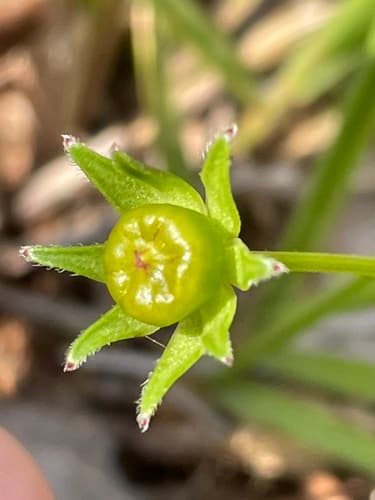
Light
full sun
Water
low
Size
12"–24" H × 12"–18" W
Bloom
Apr, May, Jun, Jul
Native to
North Texas
Pollinators
butterflies, bees
Picture natives in your own yard
Upload a photo of your yard and Patch Vision shows a rendering of it planted with natives for your region, like Lanceleaf Coreopsis.


Browse plants for this ecoregion
Lanceleaf Coreopsis is a perennial forb native to North Texas. It grows best in full sun with low water needs.
Lanceleaf Coreopsis brings bright yellow flowers to Texas gardens from April through July. Its narrow, lance-shaped leaves give it a fine texture that contrasts well with broader-leaved plants. It is drought-tolerant once established and handles a range of soils.
Place Lanceleaf Coreopsis toward the front or middle of a bed. It works well with Black-eyed Susan, Purple Coneflower, and native grasses. It may reseed; deadhead if you want to control spread. In HOA neighborhoods, its compact form and cheerful flowers read as intentional.
This plant attracts butterflies and bees. It is low-maintenance and long-blooming. Pair it with Mealy Blue Sage for a blue-and-yellow combo that pollinators love. Fall planting gives roots time to establish before summer heat.
Bee species data compiled from GBIF, iNaturalist, Discover Life, and the USGS Native Bee Inventory and Monitoring Lab. Plant-pollinator associations informed by published ecological literature.
How to care for Lanceleaf Coreopsis, by region
How to care for Lanceleaf Coreopsis where it is actually grown: year-round basics plus what to do each season, region by region, with the sources for each.
Care guidance last updated: October 2026
Arkansas Valley (includes McAlester, OK)
Year-round
Lanceleaf coreopsis fits the mixed prairie, glade, and open woodland pattern of the Arkansas Valley around McAlester and Poteau. It grows wild in prairies, glades, fields, and roadsides across this part of Oklahoma.
- Native across a broad range from Florida to eastern Texas and north to Missouri and Virginia, in prairies, glades, fields, and roadsides that match the Arkansas Valley landscape per the Lady Bird Johnson Wildflower Center and Arkansas Native Plant Society.
- Prefers full sun and sandy, gravelly, or rocky well-drained soil, common in the valley's ridge and prairie remnant areas.
- Grows 1 to 2 feet tall with yellow blooms, a good scale for a foundation bed or mailbox planting.
- Drought tolerant once established, a good fit for the valley's hot, dry summer stretches.
Kept to a defined bed edge, it reads as a deliberate wildflower planting rather than an unmown field.
Fall
Bloom eases off through fall in the Arkansas Valley as the plant winds down for the year.
- Flowering slows through September and mostly stops by early October.
- Leave seed heads standing. Birds feed on them and the seed helps refill the stand for next year.
- Fall works well for dividing overgrown clumps or relocating plants while temperatures are mild.
- Cut back only for tidiness. The plant does not need fall pruning to survive winter.
Winter
Lanceleaf coreopsis goes dormant through winter in the Arkansas Valley and asks for nothing while it rests.
- Foliage dies back to a low rosette or disappears entirely over winter. That is normal for this species.
- No winter watering is needed for established plants under normal Arkansas Valley rainfall.
- Old seed heads and stems left standing from fall continue to feed birds and shelter overwintering insects.
- Wait for new spring growth before cutting back last year's dead stems.
Spring
Spring is the best planting window for lanceleaf coreopsis in the Arkansas Valley, once the soil has warmed and frost risk has passed.
- Plant in a full-sun spot after the last frost, typically early to mid April around McAlester and Poteau.
- Water new plants every few days for the first three to four weeks to help roots establish, then reduce watering.
- First blooms usually appear in April and continue into early summer.
- Avoid rich or heavily amended soil. This species blooms best in lean, well-drained ground.
Summer
Summer heat and dry spells in the Arkansas Valley are exactly what lanceleaf coreopsis is built for. Bloom carries on through the season with little upkeep.
- Established plants need little to no supplemental water through a typical valley summer.
- Deadhead regularly to keep flowers coming and to manage how much the plant self-seeds into nearby beds.
- Draws a wide range of native bees, butterflies, skippers, and moths, with the Coreopsis genus hosting roughly 18 to 22 specialist bee species per the Xerces Society.
- Give plants room to breathe. Crowding in humid stretches can bring on powdery mildew.
Sources: Lady Bird Johnson Wildflower Center, Coreopsis lanceolata plant profile, Arkansas Native Plant Society, Know Your Natives: Tall Coreopsis (genus range and habitat context), Xerces Society, Plants for Pollinators: Tickseed, USDA Forest Service, Lanceleaf Coreopsis, Wildflower of the Week
Boston Mountains (includes Fayetteville)
Year-round
Lanceleaf coreopsis is a tough native yellow daisy that thrives in the poor, rocky, well-drained ground of the Boston Mountains and blooms from late spring into summer.
- Plant it in full sun in your poorest, rockiest, best-draining spot; it hates rich soil and soggy feet.
- It is a real Ozark native of glades and dry open woods, so it fits right in on a sunny slope or a thin-soil bed near the curb.
- It self-seeds freely and forms colonies, so give it room or plan to thin it each year.
- Safe around pets: Coreopsis is non-toxic to dogs, cats, and horses per the ASPCA Animal Poison Control Center plant database.
Fall
Fall is decision time: leave some seed heads for the birds, or tidy them up for a neater curb.
- Leaving a few seed heads feeds goldfinches and lets the colony reseed into bare rocky ground.
- If you want to control where it spreads, remove seed heads before they scatter across the bed.
- Pull or thin unwanted seedlings now so next year's patch stays where you planted it.
If your front bed needs to read as tended going into winter, cut the spent stalks back in fall so the planting looks deliberate rather than overgrown and avoids drawing a violation letter.
Winter
Winter care is nearly nothing; this native shrugs off real Boston Mountains cold and just needs sharp drainage.
- Hardy to zone 4, so Boston Mountains winters around zone 6b to 7a are no threat to it.
- Make sure it sits in well-drained rocky soil; wet, soggy winter ground is the main thing that kills it.
- Leave the dried basal foliage in place as light winter cover, or clear it in late winter before new growth starts.
If a tidy winter silhouette matters on your street, a late-winter cleanup of dead stalks keeps the bed looking intentional before spring growth returns.
Spring
Spring is when you plant, divide, and let the first flush of yellow flowers get going.
- Set out plants or divisions in early spring while the soil is still cool and moist from Ozark rains.
- Water new plants until they root, then back off; established clumps want dry to medium soil, not constant moisture.
- Skip the fertilizer; lean, rocky Boston Mountains soil gives you sturdier plants and more flowers.
- Divide crowded three-year-old clumps now to keep them vigorous and to make more plants for free.
Summer
Summer is peak bloom, and snipping off spent flowers keeps the show going through the humid Ozark heat.
- Deadhead spent flower stalks through the May to July bloom to push more flowers and cut down on self-seeding.
- If humid weather makes the foliage flop or look ragged, cut the whole plant back hard and it will rebound.
- It is drought tolerant once established, so water only in a real dry spell, not on a schedule.
Regular deadheading and a midsummer cutback keep the planting looking tended and intentional, which reads as cared-for to HOA-conscious neighbors instead of weedy.
Sources: Missouri Botanical Garden, Coreopsis lanceolata (Ozark glades, full sun, poor rocky soil, zones 4 to 9), ASPCA Animal Poison Control Center, Coreopsis (non-toxic to dogs, cats, horses), Arkansas Native Plant Society, Know Your Natives, Tall Coreopsis (native Ozark habitat), U.S. Forest Service, Lanceleaf Coreopsis (native wildflower, seed value)
Central Appalachians (includes Johnstown, PA)
Year-round
Lanceleaf coreopsis is a low-fuss, self-seeding perennial in the daisy family. It does best in full sun and lean, well-drained soil, the kind of thin or sandy ground that struggles to grow much else. It is documented as native to parts of Pennsylvania, including Westmoreland County near the Johnstown area, though some botanical sources treat it as naturalized rather than native this far northeast, since its core native range runs from Florida and Texas up to Virginia and the Great Lakes states. Either way it is a common, well behaved choice for pollinator plantings in this region. It is not on the ASPCA's list of plants toxic to dogs, cats, or horses, though eating any plant in quantity can cause mild stomach upset.
- Give it full sun and avoid rich, heavily amended soil. It flowers best in lean soil and tends to flop in fertile beds.
- It self-seeds readily. Deadheading spent flowers controls how far it spreads and keeps the bed looking intentional.
- Divide congested clumps every two to three years so the planting does not thin out in the middle.
- Not on the ASPCA's list of plants toxic to dogs, cats, or horses.
Fall
Fall is a choice between tidying up and leaving seed heads for wildlife. Johnstown's higher elevation means the first fall frost tends to arrive earlier than it would in warmer, lower elevation parts of coreopsis's range, so the bloom season winds down sooner here. You can keep deadheading through fall to limit self-seeding, or leave the last flush of seed heads standing for goldfinches and other seed eating birds before winter sets in.
- Expect the growing season to end earlier here than in milder climates further south or at lower elevation.
- Leaving seed heads up over fall feeds birds and adds some winter interest, at the cost of more seedlings next spring.
- If self-seeding got out of hand this year, cut spent flower heads before they fully dry and drop seed.
Winter
Winter is a true rest period with almost nothing to do. Coreopsis lanceolata is hardy down to USDA zone 3, so the Laurel Highlands' cold winters, colder on average than in milder parts of the plant's range, are well within what it tolerates. Top growth dies back and the plant overwinters as a basal rosette or dormant crown. The area's reliable snow cover acts as natural insulation, so extra winter mulch is not usually necessary.
- No regular care is needed. Let the plant go dormant on its own schedule.
- Leaving dead stems standing over winter is optional, mainly a matter of looks and wildlife cover rather than plant health.
- This species tolerates USDA zones 3 through 8, well beyond the cold of a typical Johnstown area winter.
Spring
Spring in the Johnstown area starts later and stays cooler than it does in warmer parts of coreopsis's range. The Laurel Highlands sit at higher elevation with a colder winter climate than places like Kentucky, so the ground warms up more slowly and new growth from the basal rosette tends to show up later in the season, not earlier. Use spring to cut back any dead stems left standing over winter and to divide crowded clumps once the soil has dried out and is workable. This species is hardy down to USDA zone 3, so a cold Laurel Highlands winter is well within what it tolerates.
- Wait until the soil has dried out and warmed up before dividing. Working wet, heavy clay too early can damage roots and compact the bed.
- Cut back any dead stems left standing over winter for a cleaner start to the season.
- New basal growth typically appears later here than in warmer, lower elevation parts of the plant's range.
Cutting back dead winter stems in early spring keeps the bed looking tended as neighboring yards green up.
Summer
Summer is peak bloom and the main deadheading season. The Johnstown area gets meaningfully more rainfall and cloud cover over the year than drier inland regions, so soil here can stay damp for longer after a storm. Coreopsis lanceolata tolerates average garden soil but does best without constantly wet feet, and an overly moist, poorly drained spot raises the risk of crown rot. Deadhead through summer to keep flowers coming and to limit how many seeds drop for next year.
- Deadhead spent blooms regularly. It extends flowering and cuts down on self-seeding.
- If a bed stays soggy after typical Laurel Highlands rain, improve drainage rather than watering more. This plant prefers drier soil.
- Watch for sprawling, floppy growth in richer or wetter soil. Cutting plants back partway through summer can tidy the shape.
Regular deadheading through summer keeps the planting looking intentional rather than overgrown along a front walk or property line.
Sources: Flora of Pennsylvania: Coreopsis lanceolata (Longstalk Tickseed), Lady Bird Johnson Wildflower Center: Coreopsis lanceolata, ASPCA: Toxic and Non-Toxic Plants, Tickseed, NC State Extension Plant Toolbox: Coreopsis lanceolata, USDA Forest Service: Lanceleaf Coreopsis, Plant of the Week, NPS: Johnstown Flood National Memorial Weather Summary
Central Corn Belt Plains (includes Chicago)
Year-round
Lanceleaf coreopsis is native to the Chicago region, where it grows in dry, sandy prairie remnants and open ground.
- This native prairie perennial spreads by reseeding and will shift around a bed over a few years.
- It needs full sun and dry to average, well-drained, sandy soil to do its best.
- Once established it's low-maintenance and handles heat and dry spells well.
- It stays under 2 feet tall, a good scale for a front bed near a walk or mailbox.
Fall
Bloom slows in fall while the plant sets seed and moves toward dormancy.
- Let some seed heads mature and drop for a fuller stand next year.
- Cut back stems once they brown, since the plant dies back completely in winter here.
- Good time to collect and share seed.
- No fall feeding needed. It's adapted to lean soil.
Cutting back browned stems in fall keeps the bed looking maintained through the offseason.
Winter
The plant is fully dormant through the Chicago-area winter.
- It's winter hardy here and needs no protection.
- Leave the dormant crown alone. No water or feeding needed.
- Clear leftover dead stems now if you didn't cut them back in fall.
- Plan new plantings or divisions for early spring once the ground thaws.
Spring
Spring brings fresh growth as the soil warms, ahead of an early-summer bloom.
- Clear away dead stems from last year to make room for new basal growth.
- Direct-sow seed now or in fall. It benefits from a cold spell before it germinates well here.
- Skip fertilizer, since rich soil makes it floppy and cuts down on bloom.
- Divide crowded clumps now if you want to spread the planting to a new spot.
Summer
Summer is the main bloom period, with yellow flowers from June into August.
- Deadhead spent flowers to keep the bloom going and to limit self-seeding if you want a tidier look.
- It's drought-tolerant once established and rarely needs supplemental water.
- Leave a few seed heads if you want the stand to spread naturally.
- A full bloom clump near the front of the house reads as tended, not overgrown.
Deadheading through summer keeps the bloom flush tidy and curb-facing.
Sources: Morton Arboretum, Lance-leaved coreopsis plant profile, Lady Bird Johnson Wildflower Center native plant database, Coreopsis lanceolata
Central Great Plains (includes Oklahoma City, OK)
Year-round
Lanceleaf coreopsis is a low, sunny native wildflower that fits right into the mixed-grass prairie country around Oklahoma City. It grows in the open plains and pastures of the Central Great Plains and does not need extra water once it settles in.
- Native to the plains, prairies, and pastures of this region per the Lady Bird Johnson Wildflower Center range description (FL to e. TX and n. NM, north to VA, Ontario, MI, WI, MO and CO).
- Full sun and sandy or gravelly, well-drained soil suit it best. Heavy clay that stays wet will shorten its life.
- Grows about 1 to 2 feet tall with yellow daisy-like blooms, a tidy size for a front bed near a walkway or mailbox.
- Self-seeds readily, so give it room to spread or plan to deadhead if a tighter look is wanted.
Reads as a tidy, intentional wildflower bed rather than an overgrown patch when kept to a defined edge.
Fall
Fall is a quiet season for lanceleaf coreopsis. Bloom tapers off and the plant starts settling in for winter.
- Blooming slows through September and mostly stops by early October.
- Leave seed heads standing through fall. Goldfinches and other seed-eating birds use them, and the seed refreshes next year's stand.
- Fall is a good time to divide crowded clumps or transplant to a new spot while the weather is mild.
- Cut back only if the bed needs to look tidier for the season. The plant does not require fall cleanup to survive winter.
Winter
Lanceleaf coreopsis goes dormant over winter in the Central Great Plains and needs nothing from you until spring.
- Foliage dies back to a low rosette or disappears entirely. This is normal, not plant failure.
- No winter watering or mulch is needed once the plant is established, since it is built for dry plains conditions.
- Leftover seed heads keep feeding birds through the cold months if they were left standing in fall.
- Wait until new growth appears in spring before cutting back old stems, so you don't remove insects overwintering in the dead stalks.
Spring
Spring is planting and first-bloom season for lanceleaf coreopsis around Oklahoma City. New plants establish fast once the soil warms.
- Plant after the last frost, usually early to mid April in the OKC area, once soil has warmed.
- Water new plants every few days for the first three to four weeks, then taper off. Established plants want dry to average moisture, not regular watering.
- First yellow blooms typically open in April and keep going into early summer.
- Skip fertilizer. Rich soil produces floppy growth and fewer flowers in this species.
Summer
Summer heat is when lanceleaf coreopsis proves how tough it is. It keeps blooming through Oklahoma's hot, dry stretch with little help.
- Established plants tolerate heat and drought well and rarely need supplemental water in a normal Central Great Plains summer.
- Deadhead spent blooms to extend flowering and to keep self-seeding in check if a controlled look matters.
- Flowers attract many native bees, butterflies, skippers, and moths, and the Coreopsis genus hosts around 18 to 22 specialist bee species per the Xerces Society.
- Watch for powdery mildew in humid, still air. Space plants for airflow rather than treating chemically.
Sources: Lady Bird Johnson Wildflower Center, Coreopsis lanceolata plant profile, USDA Forest Service, Lanceleaf Coreopsis, Wildflower of the Week, Xerces Society, Plants for Pollinators: Tickseed
Central Irregular Plains (includes Kansas City, MO)
Year-round
Lanceleaf coreopsis is native to the tallgrass prairies of the Central Irregular Plains south of the Missouri River near Kansas City. It belongs on the sunnier, better drained prairie spots rather than heavy, wet claypan bottoms.
- The Missouri Department of Conservation places its native range in the Ozarks and north to the Missouri River, which takes in the western prairie country around Kansas City where it grows on rocky prairies and open ground.
- This region's soils often sit over a tight claypan that holds water, so plant coreopsis on a slope, a raised spot, or amended gritty ground so its roots stay out of standing wet, which it will not tolerate.
- It wants full sun and lean soil. On richer former farmland or lawn ground it can grow floppy, so hold back on fertilizer and let it stay on the tough side.
- The spring flowers feed a broad mix of native prairie bees and butterflies, including the coreopsis longhorn bee (Melissodes coreopsis) noted by the Missouri Department of Conservation for favoring coreopsis.
- Lanceleaf coreopsis is not on the ASPCA toxic plant list, making it a safe pick for yards used by dogs, cats, or horses.
Fall
Fall is for cleanup, dividing, and deciding whether to feed the birds or tidy the bed for a neater front yard look.
- Leave some seed heads if you want to feed goldfinches and let the plant self sow into open prairie style plantings.
- Divide crowded clumps in fall while cooler weather and rain help the pieces root before the ground freezes.
- Go light on mulch over the crown. On claypan ground that already holds water, a thick wet blanket of mulch can rot the base.
Cutting the clump back to a low tuft in fall keeps the bed looking intentional through winter and helps a front yard native planting avoid a tidiness complaint.
Winter
Winter is a rest stretch. The plant sits as a low tuft of leaves and needs little care beyond keeping its crown out of standing water.
- The big winter risk on Kansas City area claypan soil is a crown that sits in cold, wet ground, so make sure water drains away from the base.
- Cut down any old flower stems you left standing in late winter, before new growth pushes up in spring.
- No winter watering is needed. The plant is dormant and prairie soils stay cold and wet enough on their own this time of year.
Trimming the spent stalks in late winter leaves a clean low rosette so the bed looks maintained rather than neglected while the yard is otherwise bare.
Spring
Spring is planting and blooming season on the prairie. Plants leaf out and open their yellow flowers from April into June, right as the tallgrass country greens up.
- Plant in early spring so roots can settle before the claypan soils around Kansas City bake and crack in summer heat.
- Pick your sunniest, best drained spot. If the ground stays wet after spring rains, mound the soil or add grit so the crown is not sitting in water.
- Water new plantings until they show fresh growth, then back off, since this prairie native prefers drier footing once established.
- Expect the main flush of deep yellow from April into June, matching the bloom window the Missouri Department of Conservation gives for the state.
Summer
Summer brings the end of the main bloom and hot, dry stretches. Deadheading keeps it neat and the plant mostly fends for itself on prairie ground.
- Deadhead spent flowers through early summer to keep the show going and stop the plant from stalling out into seed too early.
- Let it ride out summer dry spells without much extra water. On heavy claypan soil, overwatering in the heat is what causes crown rot.
- If plants sprawl after blooming, shear the clump back by a third to tidy the mound and encourage fresh basal leaves.
A midsummer deadheading and light shear keep the planting looking neat and intentional, which reads as cared for to an HOA-conscious neighbor rather than an overgrown patch.
Sources: Tickseed Coreopsis (Lanceleaf Coreopsis) - Missouri Department of Conservation, Coreopsis lanceolata (Lanceleaf coreopsis) - Lady Bird Johnson Wildflower Center, Toxic and Non-toxic Plants: Coreopsis - ASPCA, Coreopsis lanceolata - Missouri Botanical Garden Plant Finder
Cross Timbers (includes Fort Worth)
Year-round
Coreopsis lanceolata, or lanceleaf coreopsis, is a cheerful native wildflower that fits right into a Cross Timbers front yard without looking out of place next to turf.
- It grows in the sandy and rocky soils typical of the Cross Timbers oak-prairie mosaic, and does best in full sun with mesic to dry, well drained soil.
- Lady Bird Johnson Wildflower Center lists it as native to open woodlands, prairies, meadows, pastures, and savannas across this part of Texas.
- Bees and butterflies use the flowers for nectar, and small seed-eating birds like goldfinches feed on the seed heads once blooms fade.
- Lanceleaf coreopsis is not on the ASPCA's toxic plant list for dogs, cats, or horses.
Fall
Fall is cleanup and reseeding season for lanceleaf coreopsis in the Cross Timbers.
- Leave some seed heads standing into fall since goldfinches and other birds feed on them.
- This is a good time to collect seed if you want to spread the colony to another bed.
- Cut back dead flower stalks once seed drop is done to keep the bed tidy for winter.
Winter
Lanceleaf coreopsis dies back to a basal rosette over winter in the Cross Timbers.
- The plant is hardy through this region's winters, typically USDA zones 3 through 8.
- Foliage may look thin or brown, but the basal leaf clump stays alive at the base.
- No winter protection is needed. Avoid heavy mulch piled directly on the crown, which can cause rot.
Spring
Spring is when lanceleaf coreopsis starts its long bloom run across the Cross Timbers.
- Flowering usually starts in March or April and keeps going into summer.
- New basal leaf clumps fill in fast this time of year, so this is a good window to divide crowded clumps if needed.
- Skip extra fertilizer. Rich soil tends to make the plant flop over instead of bloom well.
A tidy clump of yellow blooms along a bed edge reads as an intentional flower bed, not a weed patch.
Summer
Summer heat is exactly what this plant is built for in the Cross Timbers.
- It tolerates high heat, drought, and humidity once established and rarely needs supplemental water.
- Deadheading spent flowers stretches the bloom period and keeps the plant from putting all its energy into seed.
- Watch for the plant to self-seed into open ground nearby, since it spreads readily by seed and rhizomes.
Deadheading through summer keeps the bed looking maintained instead of leggy or spent.
Sources: Lady Bird Johnson Wildflower Center, Coreopsis lanceolata, ASPCA Animal Poison Control Center, Toxic and Non-Toxic Plants, Missouri Botanical Garden Plant Finder, Coreopsis lanceolata, USDA Forest Service, Lanceleaf Coreopsis Plant of the Week, NC State Extension Gardener Plant Toolbox, Coreopsis lanceolata
Driftless Area (includes Galena, IL)
Year-round
Lanceleaf coreopsis is native to the Driftless Area around Galena, where it grows in dry prairies and rocky, sandy openings.
- This is a native prairie perennial that spreads by reseeding, so it will drift around your bed over a few years.
- It needs full sun and dry to average, well-drained soil. Wet clay shortens its life.
- Once established it's tough and low-maintenance, tolerating heat and dry spells well.
- It stays low, usually under 2 feet, so it fits well in a front bed without blocking a window or walkway.
Fall
Bloom winds down in fall as the plant sets seed and starts heading into dormancy.
- Let some seed heads mature and drop if you want the stand to fill in more next year.
- Cut back spent stems once they turn brown, since this plant dies back to the ground here in winter.
- Good time to collect seed to share or start a new patch elsewhere in the yard.
- No fall feeding needed. Lean soil is what this plant wants.
Cutting back browned stems in fall keeps the bed looking maintained through the offseason.
Winter
The plant dies back to a basal rosette or goes fully dormant through the Driftless Area winter.
- It's fully winter hardy here. No covering or protection needed.
- Leave the dormant crown alone. It doesn't need water or feeding this time of year.
- If you didn't cut back stems in fall, this is a fine time to clear them before spring growth starts.
- Plan any new plantings or divisions now so you're ready to plant in early spring.
Spring
Spring growth starts as soon as the ground warms, ahead of an early-summer bloom.
- Clear away last year's dead stems so new basal leaves have room to grow.
- Direct-sow seed now if starting fresh. It needs a period of cold before it germinates well in this region, so fall sowing also works.
- Skip fertilizer. This plant is adapted to lean prairie soil and gets floppy if overfed.
- Divide crowded clumps now if you want to spread the planting.
Summer
Summer brings the main bloom, with bright yellow flowers held above the foliage from June into August.
- Deadhead spent flowers to extend the bloom and reduce how much it reseeds if you want a tidier look.
- It's drought-tolerant once established and rarely needs watering beyond a long dry stretch.
- Leave some seed heads if you want the colony to spread naturally in your bed.
- A full bloom clump near the front of the house reads as an intentional planting, not an overgrown patch.
Deadheading through summer keeps the bloom flush tidy and curb-facing.
Sources: UW-Platteville Native Driftless Gardens plant list, Lady Bird Johnson Wildflower Center native plant database, Coreopsis lanceolata, Missouri Department of Conservation, Tickseed Coreopsis field guide
East Central Texas Plains (includes College Station)
Year-round
Coreopsis lanceolata, or lanceleaf coreopsis, is a low maintenance native wildflower that suits the sandy soils of the Post Oak Savanna.
- It grows well in the sandy, acidic soils common to this oak-savanna region and prefers full sun with mesic to dry drainage.
- Lady Bird Johnson Wildflower Center documents it as native to open woodlands, prairies, meadows, pastures, and savannas in this part of Texas, and it has been recorded growing wild at Lick Creek Park in College Station.
- The flowers draw bees, butterflies, and other pollinators, and the seed heads feed birds later in the season.
- Lanceleaf coreopsis is not on the ASPCA's toxic plant list for dogs, cats, or horses.
Fall
Fall is the time to let seed heads mature and tidy up spent growth on lanceleaf coreopsis.
- Leave some seed heads in place, since finches and other seed-eating birds rely on them into fall.
- Collect seed now if you want to start a new patch elsewhere in the yard.
- Trim back dead flower stalks once seed drop finishes to keep the planting neat before winter.
Winter
Lanceleaf coreopsis pulls back to a low basal rosette during winter in the Post Oak Savanna.
- The species is hardy through this region's mild winters, generally USDA zones 3 through 8.
- Top growth will brown out and can look ragged, but the basal rosette stays alive at ground level.
- No winter protection is needed. Keep mulch pulled back a bit from the crown to avoid rot in wet winter spells.
Spring
Spring kicks off a long bloom season for lanceleaf coreopsis in the Post Oak Savanna.
- Flowering typically begins in March or April in this part of Texas and continues into summer.
- Basal foliage fills in quickly, and this is a good time to divide overcrowded clumps if you want to spread the planting.
- Hold off on fertilizer. Overly rich soil makes the stems flop instead of standing upright.
A full flush of yellow blooms in spring reads as an intentional planting, not overgrowth.
Summer
Summer heat and humidity are no problem for this plant once it is established in the Post Oak Savanna.
- It tolerates the region's hot, humid summers and needs little to no supplemental watering once established.
- Deadheading spent blooms keeps flowers coming through the season instead of the plant going to seed early.
- Expect some self-seeding into nearby open soil, since the plant spreads by seed and rhizomes.
Regular deadheading through summer keeps the bed looking cared for.
Sources: Lady Bird Johnson Wildflower Center, Coreopsis lanceolata, ASPCA Animal Poison Control Center, Toxic and Non-Toxic Plants, NC State Extension Gardener Plant Toolbox, Coreopsis lanceolata, USDA Forest Service, Lanceleaf Coreopsis Plant of the Week, Missouri Botanical Garden Plant Finder, Coreopsis lanceolata
Eastern Corn Belt Plains (includes Columbus)
Year-round
Lanceleaf coreopsis is native to the Eastern Corn Belt Plains around Columbus, where it grows in prairies, glades, and roadsides.
- This native prairie perennial spreads by reseeding and will drift around a bed over a few seasons.
- It wants full sun and dry, well-drained soil. Wet clay shortens its life.
- Once established it tolerates summer heat and dry stretches with little care.
- It grows 1 to 2 feet tall, a good scale for a front bed without blocking sightlines.
Fall
Bloom winds down in fall while the plant sets seed for next year.
- Let some seed heads mature and drop for a fuller stand next season.
- Cut back stems once they brown, since the plant dies back completely in Ohio winters.
- Good time to collect seed to share or start a new patch elsewhere.
- Dried seed heads left standing are also popular with songbirds through fall.
Cutting back browned stems in fall keeps the bed looking maintained through the offseason.
Winter
The plant is fully dormant through the Columbus-area winter.
- It's winter hardy here and needs no protection.
- Leave the dormant crown alone. No water or feeding needed this time of year.
- Clear any leftover dead stems now if you didn't in fall.
- Plan new plantings or divisions for early spring once the ground thaws.
Spring
Spring growth starts as the soil warms, ahead of an early-summer bloom.
- Clear away dead stems from last year so new basal leaves have room.
- Direct-sow seed now or in fall, since it germinates well after a cold period in this region.
- Skip fertilizer, since rich soil makes it floppy and cuts bloom.
- Divide crowded clumps now if you want to expand the planting.
Summer
Summer is peak bloom, with yellow flowers from June into July per local extension sources.
- Deadhead spent flowers to keep new blooms coming and to limit self-seeding if you want a tidier bed.
- It's drought-tolerant once established and rarely needs supplemental watering.
- Leave some seed heads if you want the stand to spread naturally.
- A tidy bloom clump near the front of the house reads as tended, not weedy.
Deadheading through summer keeps the bloom flush tidy and curb-facing.
Sources: Civic Garden Center of Greater Cincinnati, Coreopsis lanceolata plant profile, OSU Extension Publishing, Native Plants of Ohio, Lady Bird Johnson Wildflower Center, Coreopsis lanceolata
Erie Drift Plain (includes Cleveland, OH)
Year-round
Lanceleaf coreopsis is a tough, sun-loving perennial that basically takes care of itself once it settles in around Cleveland. Give it full sun and soil that drains, water it while it roots the first season, then mostly leave it alone. The main jobs are deadheading spent flowers and keeping its heavy self-seeding in check so it stays where you want it.
- Establishment: water a new plant about once a week its first summer so the roots reach down, then it handles Cleveland's normal rain on its own.
- Watering once established: skip regular watering. It prefers lean, dry to average soil and rots in spots that stay soggy, so do not overwater or overfeed.
- Self-seeding management: it drops a lot of seed and can spread into a colony. Snip off spent flower heads before they dry if you want to keep it tidy and contained.
- Common mistake: do not cut the whole plant to the ground in fall. Leaving 6 to 8 inches of stem protects the crown through a cold winter and gives seed for birds.
Fall
Fall is decision time on tidiness versus wildlife. You can cut the plant back for a clean look or leave the seed heads for birds. Either way, do not scalp it to the ground, since a bit of standing stem protects the crown through a Cleveland winter.
- If you want a tidy bed, trim spent stems but leave 6 to 8 inches standing so the crown is protected and the plant survives winter.
- If you want to feed goldfinches and let it reseed, leave the dried seed heads up and clean up in spring instead.
- Do a final deadhead earlier in fall if you want to limit how much it self-sows into the rest of the bed.
A fall trim that leaves a low, even silhouette reads as intentional upkeep rather than neglect, which is the version most likely to keep the front yard clear of a violation letter over winter.
Winter
Winter is a hands-off season. Around Cleveland the plant is fully dormant and cold-hardy, so the main thing is to leave the crown alone and let any standing stems or light mulch do their job of protecting it through freeze and thaw.
- Leave the plant be. It is hardy well below Cleveland's winter lows and needs no protection beyond the stems and light mulch already there.
- Avoid piling heavy, wet mulch or leaves directly on the crown, which can smother it or hold rot during thaws.
- Hold off on any cutting or dividing until spring growth begins, since disturbing a frozen crown does more harm than good.
Spring
Spring is cleanup and wake-up time. Once the ground thaws around Cleveland, cut back last year's leftover stems and the plant will push fresh basal leaves. This is also the best window to divide a crowded clump if you want more plants.
- After the last hard frost, usually mid to late April here, cut the overwintered stems down to the new green growth at the base.
- Pull a light layer of mulch back off the crown so the center does not stay wet and cold as it starts growing.
- If a clump got woody or bare in the middle, dig and divide it now while it is small, and replant the healthy outer pieces.
Summer
Summer is peak bloom, and your one repeating job is deadheading. Around Cleveland it flowers heavily from late spring into midsummer, and snipping off finished flowers keeps new ones coming and slows the seed spread.
- Deadhead spent flowers back to a lower leaf every week or so to push more blooms and keep the plant looking fresh.
- When flowering slows and the plant looks tired, shear the whole thing back by a third to a half to trigger a lighter second flush.
- Do not water unless you hit a long dry stretch. Established plants shrug off normal Ohio summer heat and dislike wet feet.
Deadheading and a midsummer shear keep the plant looking cared for from the curb, which reads as intentional and helps avoid a violation letter about a messy or overgrown front bed.
Sources: North Carolina Extension Gardener Plant Toolbox Coreopsis lanceolata, ASPCA non-toxic plant list Coreopsis, Missouri Botanical Garden Plant Finder Coreopsis lanceolata, US Forest Service Plant of the Week Coreopsis lanceolata
Flint Hills (includes Manhattan)
Year-round
Lanceleaf coreopsis is a true Flint Hills native that gives you tidy yellow daisies on rocky, thin soil with almost no fuss.
- It is native to the east half of Kansas, including the Flint Hills, and it grows on the shallow, rocky limestone soils and limestone glades that define this prairie, so it fits a Manhattan-area yard without amending the soil.
- Give it full sun and well-drained ground. Once it is settled in, it handles the hot, dry Flint Hills summers and needs little to no extra water.
- The spring and early-summer flowers feed native bees and butterflies, and it is a pollen host for coreopsis-specialist long-horned bees.
- It self-seeds and can spread into loose colonies, which reads well in a prairie planting but means you will thin seedlings in a formal front bed.
Fall
In fall you decide between leaving the seed heads for wildlife or cutting back for a neater look.
- The dry seed heads feed goldfinches and other songbirds into fall, so leaving them standing is the wildlife-friendly choice on a prairie planting.
- In a formal front bed, a light fall cutback to a few inches keeps things tidy, but hold off if you want spring seedlings, since those seeds are next year's new plants.
- No fertilizer or heavy watering going into winter. This prairie native does best on lean, rocky soil and dry fall conditions.
If your street expects a clipped look, a light fall cutback and clean edge signals the bed is tended, which reads as intentional to neighbors and an HOA. If you prefer to leave seed heads for birds, a mowed border strip around the planting sends the same cared-for signal.
Winter
Winter is the natural time for a hard cutback, which lines up with the spring burns that manage tallgrass prairie here.
- Cut the old growth to the ground in late winter, just before new growth starts. On tallgrass prairie this is the season a prescribed spring burn does the same job, clearing old stems so fresh growth comes back strong.
- If you are not burning, hand-cut the dead stems in late February or early March for the Manhattan area, which resets the clump before it greens up.
- The plant is fully cold-hardy in the zone 6 Flint Hills winters and needs no mulch or protection.
- Leaving stems standing through most of winter gives some cover and seed for wildlife, so the late-winter cut is a good middle ground.
A clean late-winter cutback removes the flattened, brown stems before spring, so the bed looks reset and intentional right as the neighborhood starts paying attention to yards again.
Spring
Spring is the main show, with yellow flowers opening from mid-spring through early summer across the Manhattan area.
- Plants green up and start blooming as the prairie warms, usually from April into early summer for the Flint Hills, so leave last year's clumps in place until you see new growth at the base.
- This is the bridge between prescribed spring burns and summer, and it is one of the earlier bloomers feeding native bees, so let it flower before you do any heavy cleanup.
- Water new spring transplants until they root, then back off. Established plants rarely need it here.
- If you want more plants, this is the season fresh self-sown seedlings appear, and they move easily while small.
Summer
Deadheading spent flowers in early summer keeps the plant blooming longer and keeps a front bed looking cared-for.
- Snip off faded flower heads through the summer to push a longer bloom and to hold back some of the self-seeding, which matters more in a tidy front yard than in a back prairie patch.
- Flint Hills summers are hot and dry, and established plants take that in stride, so skip the sprinkler unless a young plant is wilting hard.
- If you want the plant to feed songbirds instead, stop deadheading in mid to late summer and let the last flowers set seed.
Deadheading and a quick edge in early summer keep the planting reading as intentional and cared-for, which is what keeps a front-yard native bed from drawing a violation letter.
Sources: Kansas Wildflowers and Grasses, lance-leaf coreopsis, native to the east half of Kansas, Lady Bird Johnson Wildflower Center, Coreopsis lanceolata, native range and prairie/glade habitat, USDA Forest Service, Coreopsis lanceolata, April through July bloom and full-sun habit, Xerces Society, tickseed (Coreopsis) as an early pollinator plant for native bees, Konza Prairie Biological Station, Flint Hills tallgrass prairie and prescribed fire management, North Carolina Extension, Coreopsis lanceolata, deadheading to extend bloom and manage reseeding
Huron/Erie Lake Plains (includes Toledo)
Year-round
Lanceleaf coreopsis is native to the Huron/Erie Lake Plains around Toledo, growing in prairies and open, sandy or gravelly ground.
- This native prairie perennial spreads by reseeding and will drift around a bed over a few seasons.
- It needs full sun and dry, well-drained soil. Wet clay shortens its life.
- Once established it tolerates summer heat and dry stretches with little care.
- It grows 1 to 2 feet tall, a manageable scale for a front bed.
Fall
Bloom winds down in fall as the plant sets seed for next year.
- Let some seed heads mature and drop for a fuller stand next season.
- Cut back stems once they brown, since the plant dies back completely in winter here.
- Good time to collect seed to share or start a new patch.
- Dried seed heads left standing are popular with songbirds through fall.
Cutting back browned stems in fall keeps the bed looking maintained through the offseason.
Winter
The plant is fully dormant through the Toledo-area winter.
- It's winter hardy here and needs no protection.
- Leave the dormant crown alone. No water or feeding needed this time of year.
- Clear any leftover dead stems now if you didn't in fall.
- Plan new plantings or divisions for early spring.
Spring
Spring growth starts as the soil warms, ahead of an early-summer bloom.
- Clear away dead stems from last year so new basal growth has room.
- Direct-sow seed now or in fall, since it germinates better after a cold period in this region.
- Skip fertilizer, since it's adapted to lean soil and gets floppy if overfed.
- Divide crowded clumps now if you want to expand the planting.
Summer
Summer is peak bloom, with yellow flowers from June into July.
- Deadhead spent flowers to keep new blooms coming and to limit self-seeding if you want a tidier bed.
- It's drought-tolerant once established and rarely needs supplemental watering.
- Leave some seed heads if you want the stand to fill in naturally.
- A tidy bloom clump near the front of the house reads as tended, not weedy.
Deadheading through summer keeps the bloom flush tidy and curb-facing.
Sources: OSU Extension Publishing, Native Plants of Ohio, Lady Bird Johnson Wildflower Center native plant database, Coreopsis lanceolata
Interior Plateau (includes Cincinnati)
Year-round
Lanceleaf coreopsis is native to the Interior Plateau around Cincinnati, growing in prairies, glades, and roadsides.
- This native prairie perennial spreads by reseeding and will drift around a bed over a few seasons.
- It wants full sun and dry, well-drained soil. Wet clay shortens its life.
- Once established it tolerates summer heat and dry stretches with little care.
- It grows 1 to 2 feet tall, a manageable scale for a front bed near a walk or mailbox.
Fall
Bloom winds down in fall as the plant sets seed for next year.
- Let some seed heads mature and drop for a fuller stand next season.
- Cut back stems once they brown, since the plant dies back completely in winter here.
- Good time to collect seed to share or start a new patch.
- Dried seed heads left standing are popular with songbirds through fall.
Cutting back browned stems in fall keeps the bed looking maintained through the offseason.
Winter
The plant is fully dormant through the Cincinnati-area winter.
- It's winter hardy here and needs no protection.
- Leave the dormant crown alone. No water or feeding needed this time of year.
- Clear any leftover dead stems now if you didn't in fall.
- Plan new plantings or divisions for early spring.
Spring
Spring growth starts as the soil warms, ahead of an early-summer bloom.
- Clear away dead stems from last year so new basal leaves have room.
- Direct-sow seed now or in fall, since it germinates better after a cold period in this region.
- Skip fertilizer, since it's adapted to lean soil and gets floppy if overfed.
- Divide crowded clumps now if you want to expand the planting.
Summer
Summer is peak bloom, with yellow flowers from June into July.
- Deadhead spent flowers to keep new blooms coming and to limit self-seeding if you want a tidier bed.
- It's drought-tolerant once established and rarely needs supplemental watering.
- Leave some seed heads if you want the stand to fill in naturally.
- A tidy bloom clump near the front of the house reads as tended, not weedy.
Deadheading through summer keeps the bloom flush tidy and curb-facing.
Sources: Civic Garden Center of Greater Cincinnati, Coreopsis lanceolata plant profile, Lady Bird Johnson Wildflower Center native plant database, Coreopsis lanceolata
Interior River Valleys and Hills (includes Peoria, IL)
Year-round
Lanceleaf coreopsis is native to the river valleys and hills around Peoria, where it grows in dry prairies, sandy openings, and roadsides.
- This native prairie perennial spreads by reseeding and drifts around a bed over a few seasons.
- It needs full sun and dry to average, well-drained soil.
- Once established it tolerates heat and dry spells with little care.
- It stays under 2 feet tall, a manageable scale for a front bed near a walkway.
Fall
Bloom slows in fall while the plant sets seed and moves toward dormancy.
- Let some seed heads mature and drop for a fuller stand next year.
- Cut back stems once they brown, since the plant dies back completely in winter here.
- Good time to collect seed to share or start a new patch.
- No fall feeding needed.
Cutting back browned stems in fall keeps the bed looking maintained through the offseason.
Winter
The plant is fully dormant through the winter in this region.
- It's winter hardy here and needs no special protection.
- Leave the dormant crown alone. No water or feeding this time of year.
- Clear leftover dead stems now if you didn't cut back in fall.
- Plan new plantings or divisions for early spring.
Spring
Spring growth starts as the soil warms, setting up an early-summer bloom.
- Clear out dead stems from last year so new basal leaves have room.
- Direct-sow seed now or in fall, since it benefits from a cold period before germinating well here.
- Skip fertilizer, since it's adapted to lean soil and gets floppy if overfed.
- Divide crowded clumps now if you want to spread the planting.
Summer
Summer is the main bloom period, with yellow daisy-like flowers from June through August.
- Deadhead spent flowers to keep new blooms coming and to limit reseeding if you want a tidier bed.
- It's drought-tolerant once established and rarely needs extra watering.
- Leave some seed heads if you want the stand to spread on its own.
- A full bloom clump near the front of the house reads as tended, not weedy.
Deadheading through summer keeps the bloom flush tidy and curb-facing.
Sources: Illinois Department of Natural Resources, prairie coreopsis fact sheet, Lady Bird Johnson Wildflower Center native plant database, Coreopsis lanceolata
Mississippi Alluvial Plain (includes Memphis, TN)
Year-round
Lanceleaf coreopsis is native across west Tennessee's Mississippi Valley Loess Plains, growing in prairies, meadows, and along roadsides in well-drained soil.
- Full sun brings the best bloom. Aim for at least 6 hours of direct light.
- Plant in well-drained soil. The loess soils here drain reasonably well but avoid low, soggy spots.
- It's drought tolerant once established and handles Memphis-area heat and humidity well.
- It self-seeds freely, so plan for it to spread within a bed or meadow planting over time.
- Avoid rich, overly fertile soil, which leads to floppy, sprawling growth.
Fall
Fall is a good time to cut back and divide lanceleaf coreopsis in the Memphis area.
- Cut back by roughly a third in early fall to keep the plant compact.
- Divide crowded clumps every two to three years in early fall for best vigor.
- Leave a few seed heads standing if you want volunteer seedlings next year.
- Fall planting works well here too, letting roots establish before next summer's heat.
A fall cutback keeps the bed looking tended as the growing season winds down.
Winter
Lanceleaf coreopsis is dormant through mild west Tennessee winters and needs minimal care.
- No watering or feeding is needed while the plant is dormant.
- Leftover foliage can stay in place for winter interest and shelter for insects.
- Winters here are typically mild enough that no extra protection is needed.
- Use the dormant season to plan any new plantings for next spring.
Spring
Spring brings new growth and early blooms to lanceleaf coreopsis in the Memphis area.
- New growth emerges as soil warms in spring, with flowers following by late spring.
- Water occasionally while plants establish, then reduce watering as they mature.
- No need for fertilizer. Lean, well-drained soil is what this plant prefers.
- Divide overcrowded clumps now if this wasn't done in fall.
Summer
Summer heat and humidity around Memphis are handled well by established lanceleaf coreopsis, though bloom slows midseason.
- Deadhead through summer to keep flowers coming during the main bloom window.
- Shear plants back by a third to a half when flowering tapers off in midsummer heat.
- It's drought tolerant once rooted, so it rarely needs extra watering in summer.
- Space plants to allow airflow, which helps in Memphis's humid summers.
Regular deadheading and a midsummer shearing keep the planting from looking tired during the hottest months.
Sources: Mississippi State University Extension: Wildflowers for Mississippi Meadows and Gardens, Tennessee Smart Yards: Coreopsis lanceolata
Mississippi Valley Loess Plains (includes Memphis, TN)
Year-round
Lanceleaf coreopsis grows within its native range across the Mississippi Alluvial Plain around Memphis, favoring well-drained spots over the region's flatter, wetter ground.
- Pick the driest, best-drained spot available. This plant does not like wet feet, even though the surrounding Delta terrain holds moisture.
- Full sun is important for good flowering, at least 6 hours a day.
- It tolerates Memphis-area heat and humidity well once established.
- Avoid rich, heavily amended soil, which causes floppy growth. Lean soil is better.
- It self-seeds readily and can naturalize in a meadow-style planting over a few seasons.
Fall
Fall is a good window to cut back and divide lanceleaf coreopsis in the Mississippi Alluvial Plain.
- Cut back by about a third in early fall to keep plants tidy.
- Divide crowded clumps every two to three years, choosing the driest spot for divisions.
- Leave a few seed heads if you want the planting to spread naturally next year.
- Fall planting is fine here too, as long as the site drains well.
A fall cutback keeps the planting looking intentional rather than weedy as the season winds down.
Winter
Lanceleaf coreopsis is dormant through the mild winters of the Mississippi Alluvial Plain and needs little care.
- No watering or fertilizing needed during dormancy.
- Make sure the site isn't sitting in standing water over winter, since Delta ground can be slow to drain.
- Leftover stems can stay in place for winter interest and insect shelter.
- Plan any spring bed changes now, choosing well-drained spots for new plantings.
Spring
Spring is when lanceleaf coreopsis breaks dormancy and starts blooming in the Mississippi Alluvial Plain around Memphis.
- Watch drainage closely in spring. Delta soils can stay wet longer after rain than this plant prefers.
- New growth appears as the soil warms, with flowers following within a few weeks.
- Water only if the season turns dry. Overwatering is the bigger risk here.
- Thin or divide any dense clumps left from the previous year.
Summer
Summer heat and humidity in the Delta are well tolerated by established lanceleaf coreopsis, though blooming slows midseason.
- Deadhead through summer to extend the bloom period.
- Shear plants back by a third to a half when flowering drops off in midsummer.
- It handles Delta heat and humidity well once rooted, with little need for extra water in normal years.
- Good spacing helps airflow and limits fungal leaf spot in humid conditions.
Deadheading and a midsummer trim keep the bed from looking overgrown during the most visible part of the season.
Sources: Plant Wild: 20 Native Plants for the Mississippi Alluvial Plain Ecoregion (community tip), Mississippi State University Extension: Wildflowers for Mississippi Meadows and Gardens
Northeastern Coastal Zone (includes New York City)
Year-round
Lanceleaf coreopsis is a cheerful, cold-hardy yellow daisy for the New York City area. It is short-lived, so plan to divide or let it reseed.
- Plant in full sun in well-drained, sandy or rocky soil. Rich soil makes it sprawl, so lean soil keeps it tidier (North Carolina Extension Gardener Plant Toolbox).
- It is a short-lived perennial, often fading after 3 to 5 years unless divided, and it self-seeds readily.
- It blooms late spring into midsummer and is a reliable early-season nectar source for bees and small butterflies.
- Coreopsis is on the ASPCA's list of non-toxic plants, so it is a safe choice around dogs and cats (ASPCA Animal Poison Control Center).
Fall
Bloom is mostly done by fall. Let any late seed heads mature if you want next year's volunteers.
- Leave a few late seed heads if you want the patch to reseed and refill next year.
- Otherwise cut spent stalks back for a tidier look heading into winter.
- A light mulch helps any first-year plants ahead of winter.
For a neat front bed, cut back spent stalks; if you want the patch to persist by reseeding, leave a few heads to mature.
Winter
The plant and self-sown seedlings rest. Established growth is reliably winter hardy.
- Established plants are winter hardy in the New York City area and need no protection (Lady Bird Johnson Wildflower Center).
- Clear any remaining dead stalks before spring growth.
- Do not water dormant plants.
If standing stalks read as messy in your neighborhood, plan one clean cutback in late winter.
Spring
New growth and volunteer seedlings come up in spring. Thin what you do not want.
- Cut last year's dead stalks to the ground if you left them standing (Penn State Extension).
- Expect volunteer seedlings from last year's self-seeding. Thin or transplant the extras now.
- Divide a clump that is thinning or blooming poorly, typically every 2 to 3 years (North Carolina Extension Gardener Plant Toolbox).
Thinning volunteer seedlings in spring keeps the planting reading as intentional rather than a patch taking over the bed.
Summer
Peak bloom into early summer, then it winds down. Deadhead and cut back to keep it tidy.
- Deadhead spent flowers to encourage more blooms and limit self-seeding (North Carolina Extension Gardener Plant Toolbox).
- Cut the whole plant back hard after the main bloom flush if it has gotten sprawling.
- Water only in an extended dry spell once established.
Deadheading and a hard cutback after bloom keep the plant compact and groomed instead of sprawling over the walkway.
Sources: Lady Bird Johnson Wildflower Center, North Carolina Extension Gardener Plant Toolbox, Coreopsis lanceolata, ASPCA Animal Poison Control Center, Coreopsis, Penn State Extension, Delay Garden Cleanup
Northeastern Highlands (includes Montpelier, VT)
Year-round
Lanceleaf coreopsis is a cheerful yellow perennial that wants full sun and well-drained soil.
- Give it 6 or more hours of direct sun.
- Well-drained soil is key, since soggy ground can cause crown rot.
- Lean soil keeps it from sprawling.
- It is hardy in cold zones, so Montpelier winters are fine.
Fall
Fall is a good time to ease off and decide how many seedlings you want.
- Leave a few seed heads if you want it to self-seed.
- Remove them if you want to keep the patch in check.
- Stop watering established plants once cool weather settles in.
- Keep fallen leaves from smothering the crown.
Winter
In Montpelier winters the plant sleeps under the snow and needs very little from you.
- It is rated hardy to zone 3 or 4, so no wrapping is needed.
- Good drainage matters most, because wet cold soil can rot the crown.
- Do not water or fertilize while it is dormant.
- Cut back dead stems in early spring.
Spring
Spring is when new growth shows up, and a little tidying sets up the season.
- Cut away winter-damaged stems once new leaves appear.
- Divide crowded clumps every 2 to 3 years to keep them strong.
- Skip rich compost, since it makes plants floppy.
- Water only if spring is unusually dry.
Summer
Summer brings the big bloom, and deadheading keeps the flowers coming.
- Pinch off spent flowers to get more blooms and fewer seedlings.
- Established plants handle heat and dry spells well.
- If a plant sprawls, cut it back hard.
- Water new plants deeply once a week.
Sources: NC State Extension Plant Toolbox: Coreopsis lanceolata, Chicago Botanic Garden: Coreopsis lanceolata
Northern Lakes and Forests (includes Marquette, MI)
Year-round
In Michigan's Upper Peninsula, lanceleaf coreopsis grows on sandy banks and dunes along Lakes Michigan and Huron, and it needs the same lean, sandy conditions in a home planting.
- Plant in full sun. Six or more hours of direct light keeps it blooming and compact.
- Sandy, well-drained soil is key. It mimics the dune and outwash soils it grows in naturally.
- It's cold-hardy well into the UP's northern winters (zones 3 to 8).
- Give it room to spread by rhizome and seed, especially in an informal meadow planting.
- Water while establishing, then let it be. It's adapted to dry, sandy sites.
Fall
Fall arrives early in the Upper Peninsula, so wrap up division and cutback before the first frost.
- Divide crowded clumps in early fall if needed, allowing time to root before frost.
- Cut back after frost, or leave seed heads standing for winter interest and birds.
- This is a reasonable window to plant new coreopsis, but do it early given the UP's short fall.
- Skip fertilizing. It doesn't need the boost and prefers lean soil.
A tidy fall cutback helps the bed look intentional before snow covers everything for months.
Winter
Lanceleaf coreopsis is dormant and fully hardy through the Upper Peninsula's long, snowy winters.
- No care is needed while it's dormant under snow cover.
- It's hardy to conditions well beyond typical UP winter lows.
- Leftover stems can stay in place for winter interest and shelter for insects.
- Use the dormant season to plan spring additions to a sandy, sunny bed.
Spring
Spring in the Upper Peninsula comes late, and lanceleaf coreopsis waits for the soil to warm before pushing new growth.
- New shoots typically appear later in spring here than farther south in Michigan.
- Avoid rich soil amendments. Lean sandy conditions match its natural dune habitat.
- Water new plantings if spring turns dry, since sandy UP soils drain fast.
- Thin or divide any dense clumps left over from last season.
Summer
Summer is the main bloom window for lanceleaf coreopsis in the Upper Peninsula's shorter growing season.
- Deadhead through summer to keep new flowers forming during the UP's compressed season.
- It handles the sandy, dry conditions common to UP roadsides and openings without extra water.
- Cut back by about a third if plants sprawl or stop flowering as heavily by late summer.
- Full sun is important here since UP summers are cooler and shorter than farther south.
Deadheading keeps the planting looking cared for during the short window neighbors see it in full bloom.
Sources: Designs By Nature UP: Lance Leaf Coreopsis, Marquette County Conservation District: Lanceleaf Coreopsis
Ouachita Mountains (includes Broken Bow, OK)
Year-round
Lanceleaf coreopsis grows wild in the glades and open woodland edges of the Ouachita Mountains around Broken Bow, including inside the Ouachita National Forest itself. It wants more sun than the surrounding pine and hardwood forest usually provides.
- Documented as occurring in the Ouachita National Forest area of southeast Oklahoma, part of its native range from Florida to eastern Texas and north to Missouri and Virginia per the Lady Bird Johnson Wildflower Center.
- Needs full sun to part shade. In this ecoregion that usually means a forest opening, roadside, or open front yard rather than under tree canopy.
- Sandy or rocky, well-drained soil matches the thin mountain soils here better than heavy clay bottomland.
- Grows 1 to 2 feet tall with yellow blooms, a manageable scale for a bed near the house.
A defined bed of coreopsis reads as an intentional wildflower planting, not an overgrown clearing, when kept away from forest-edge brush.
Fall
Bloom winds down through fall in the Ouachita Mountains as days shorten and temperatures cool.
- Flowering tapers off through September and generally stops by early October.
- Leave seed heads in place through fall for birds and to let seed drop naturally for next year.
- A good window for dividing crowded clumps or moving plants to a sunnier spot before winter.
- Fallen leaves from surrounding hardwoods can smother low-growing coreopsis. Rake excess leaf litter off the crown.
Winter
Lanceleaf coreopsis dies back and rests over winter in the Ouachita Mountains, needing no special care once established.
- Foliage dies back to a low rosette or disappears. No action is needed.
- No winter watering required for established plants in this ecoregion's typical rainfall.
- Standing seed heads and stems from fall provide winter food and shelter for birds and overwintering insects.
- Hold off on cutting back dead growth until new shoots appear in spring.
Spring
Spring planting works well in the Ouachita Mountains once the ground warms and the risk of frost passes.
- Plant in a sunny opening, not under tree cover. Shade from oak and pine canopy will weaken bloom.
- Water new plants regularly for the first three to four weeks while roots establish, then let rainfall carry them.
- First blooms typically show in April to May in this region.
- Well-drained soil matters most here. If the planting site holds water after rain, choose higher ground or amend with sand or gravel.
Summer
Summer humidity in the Ouachita Mountains is higher than the open plains further west, so airflow matters more here than extra watering.
- Established plants handle summer heat well and need little to no supplemental water in a normal year.
- Space plants to allow airflow. The region's higher humidity makes powdery mildew more likely than in drier parts of Oklahoma.
- Deadhead spent flowers to keep the plant blooming and to limit self-seeding into surrounding beds.
- Attracts native bees, butterflies, skippers, and moths, and the Coreopsis genus supports roughly 18 to 22 specialist bee species per the Xerces Society.
Sources: Lady Bird Johnson Wildflower Center, Coreopsis lanceolata plant profile, USDA Forest Service, Lanceleaf Coreopsis, Wildflower of the Week (notes Ouachita National Forest occurrence), Xerces Society, Plants for Pollinators: Tickseed
Ozark Highlands (includes Springfield, MO)
Year-round
Lanceleaf coreopsis is a true Ozark Highlands native. It grows on the thin, rocky, well drained ground of glades and rocky prairies around the Springfield area, which is the heart of its natural range in Missouri.
- The Missouri Department of Conservation calls it native to Ozark glades and prairies, growing on rocky prairies, glades, tops of bluffs, and sandy open areas, so it is right at home in the chert and dolomite soils of the Ozarks.
- It wants full sun and lean, fast draining soil. Rich garden beds or anything that stays soggy will make it flop and rot, so give it the poor rocky spot other plants struggle in.
- Once it is settled in it handles Ozark summer heat and dry spells on its own, which fits the shallow soils over bedrock that dry out fast here.
- The deep yellow spring flowers pull in a wide range of native bees, butterflies, and skippers, including the coreopsis longhorn bee (Melissodes coreopsis) that the Missouri Department of Conservation notes is named for its fondness for coreopsis.
- Lanceleaf coreopsis is not on the ASPCA toxic plant list, so it is a pet friendly choice for yards with dogs, cats, or horses.
Fall
Fall is cleanup and quiet root building time. You can leave seed heads for birds or tidy the clump for a neater winter look in a front yard.
- Leave some seed heads standing if you want goldfinches and other seed eaters to work the plant into fall, since the small dry seeds are a food source.
- Fall is a good time to divide crowded clumps, as cooler Ozark weather and fall rains help the divisions root before winter.
- You do not need to mulch heavily. Piling wet mulch over the crown on these fast draining soils can hold too much moisture and cause rot.
If a tidy look matters on your street, cut the clump back to a low tuft in fall so the bed reads as intentional through winter and you avoid the messy look that can prompt a violation letter.
Winter
Winter is a rest period. The plant holds a low basal tuft of leaves close to the ground and needs almost nothing from you on well drained Ozark sites.
- The main winter job is drainage. Make sure the crown is not sitting in a wet spot, because cold plus soggy soil is what kills this glade plant, not the cold itself.
- If you left seed heads standing for the birds, you can cut the old stems down anytime in late winter before new spring growth starts.
- No winter watering is needed. The plant is dormant and the shallow rocky soils it grows in stay cold and mostly dry.
Clearing the old flower stalks in late winter leaves a clean, low rosette so the front bed looks kept up rather than abandoned as neighbors pass by.
Spring
Spring is the main event. Ozark plants send up tall stems and open their deep yellow flowers from April into June, so this is when you plant and let it bloom.
- Set out new plants or scatter seed in early spring while the rocky Ozark ground still holds some moisture from winter rains, which helps young roots reach down before summer dries the shallow soil.
- Do not add compost or fertilizer to the planting hole. This plant evolved on lean glade and rocky prairie soil and blooms better when the ground stays poor.
- Water a new planting until you see fresh growth, then ease off, because established plants prefer it on the dry side.
- The Missouri Department of Conservation lists a bloom window of April through June, so expect the big flush of yellow in mid to late spring.
Summer
By summer the main bloom is winding down and Ozark heat sets in. A little deadheading keeps it tidy and can coax a few more flowers on the thin, fast drying glade soils.
- Snip off spent flower heads through early summer to stretch the bloom and keep the plant from putting all its energy into seed.
- Skip the extra watering unless you hit a hard drought. This is a plant built for dry, rocky Ozark uplands and rot is a bigger risk than thirst.
- If you want plants to spread on their own for a natural look, leave some late seed heads in place and let them drop into the gravelly ground.
- Once flowering stops you can shear the whole clump back by about a third to freshen the foliage for the rest of the season.
A quick midsummer deadheading and a light shear keep the clump neat and reading as intentional, which helps a front yard planting look cared for rather than weedy to an HOA-conscious neighbor.
Sources: Tickseed Coreopsis (Lanceleaf Coreopsis) - Missouri Department of Conservation, Coreopsis lanceolata (Lanceleaf coreopsis) - Lady Bird Johnson Wildflower Center, Toxic and Non-toxic Plants: Coreopsis - ASPCA, Coreopsis lanceolata - Missouri Botanical Garden Plant Finder
Piedmont (includes Atlanta, GA)
Year-round
Lanceleaf coreopsis is native across Georgia, including the Piedmont, and does best in full sun with sandy or rocky, well-drained soil.
- Give it at least 6 hours of direct sun a day. Less sun means fewer flowers and floppy stems.
- Plant in sandy, rocky, or lean soil. Rich, fertile soil makes it sprawl and flop over.
- It handles Georgia heat, humidity, and drought once it's established, usually after the first year.
- Space plants so air can move between them. Coreopsis doesn't like to stay wet at the roots.
- It self-seeds readily, so expect volunteer seedlings nearby in following seasons.
Fall
Fall is the time to cut back and divide lanceleaf coreopsis in the Piedmont before winter sets in.
- Cut plants back by about a third in late summer or early fall to keep them from getting too tall and floppy.
- Divide crowded clumps every two to three years in early fall to keep plants vigorous.
- Let some seed heads stand if you want volunteer seedlings next spring.
- Fall is also a fine time to plant new coreopsis so roots establish before summer heat returns.
A fall cutback and division keeps the planting compact and neat looking heading into the dormant season.
Winter
Lanceleaf coreopsis goes dormant over winter in the Piedmont and needs little attention.
- Leave any remaining foliage in place over winter. It offers some cover for beneficial insects.
- No watering or fertilizing is needed while the plant is dormant.
- Mild Piedmont winters mean the plant usually doesn't need mulch or extra protection.
- Plan any bed edits or new plantings for late winter so they're ready to grow in spring.
Spring
Spring is when lanceleaf coreopsis puts out its first flush of bright yellow blooms in the Atlanta area.
- Flowering usually starts in mid to late spring and keeps going into summer.
- Skip extra fertilizer. It only encourages weak, floppy growth in the Piedmont's already decent clay-loam soils.
- Water new plantings during dry spells until roots are established, then back off.
- Watch for self-sown seedlings from last year's plants and thin crowded clumps if needed.
Fresh spring blooms read as a tidy, intentional wildflower bed from the street, not an overgrown patch.
Summer
Summer heat and humidity in the Piedmont are no problem for this plant once it's established, but flowering slows by midsummer.
- Deadhead spent flowers regularly to stretch out the bloom period.
- When flowering drops off in midsummer, shear the plant back by about a third to a half to push new blooms.
- It tolerates heat, humidity, and drought well and rarely needs supplemental water once rooted.
- Good air flow helps prevent the fungal leaf spots that show up in humid Georgia summers.
A midsummer shearing keeps the bed looking maintained instead of leggy during the hottest, most visible months.
Sources: North Carolina Extension Gardener Plant Toolbox: Coreopsis lanceolata, Using Georgia Native Plants: Coreopsis in the Garden (community tip), Piedmont Master Gardeners: Coreopsis, A Top 10 Favorite
Ridge and Valley (includes Harrisburg, PA)
Year-round
Garden Coreopsis is an easy, sun-loving yellow daisy that likes lean, well-drained soil and does not need much from you.
- Give it full sun and soil that drains well. Part shade works but you get fewer flowers.
- Water new plants until they settle in, then let the soil dry between drinks.
- It self-seeds a lot, so snip spent flowers if you do not want extra plants.
- Dividing clumps every 2 to 3 years keeps them strong.
Fall
Fall is the time to decide how many seedlings you want and to divide tired clumps.
- Divide clumps that are thin in the middle, or share extras with a neighbor.
- Leave a few seed heads if you want more plants next year, or snip them to stop spreading.
- Skip fertilizer. Lean soil keeps it sturdy.
If you want a neat look from the street, cut spent stems back before they turn brown and seed everywhere.
Winter
Winter is quiet. The plant rests, and your main job is to leave it alone.
- No watering needed once the ground freezes.
- Keep heavy wet mulch off the center of the clump so it does not rot.
- This plant is not always long-lived, so watch for new seedlings in spring.
Spring
Spring in Harrisburg is when fresh growth shows up and a little tidying sets up a good bloom.
- Pull or move extra seedlings once they are a few inches tall.
- Thin crowded clumps from the middle to open up airflow.
- Add a thin layer of mulch to hold moisture and keep weeds down.
- Flowers can start as early as April in warm spots, and last into June.
Summer
Summer is about keeping flowers coming and not overwatering a plant that likes it on the dry side.
- Snip spent flowers often to keep blooms going and cut down on seedlings.
- Trim straggly stems back by about a third in mid-summer.
- Water only in long dry spells. Too much water makes it flop.
- Bees and butterflies visit the flowers, so skip the trim on a few blooms if you like watching them.
Sources: Lady Bird Johnson Wildflower Center - Coreopsis lanceolata, Jersey-Friendly Yards - Coreopsis lanceolata
South Central Plains (includes Beaumont)
Year-round
Lanceleaf coreopsis is a cheerful, easy-care native for the sandy, acidic soils of the Piney Woods.
- It grows best in full sun in sandy or rocky, well-drained soil, and tolerates the acidic sandy loam common across the Piney Woods (North Carolina Extension Gardener Plant Toolbox, plants.ces.ncsu.edu).
- Its native range runs from Florida through east Texas, where it shows up in dry open woods, sandy banks, and roadsides, a good match for the Beaumont area (Lady Bird Johnson Wildflower Center, wildflower.org).
- The yellow daisy-like blooms draw native bees and butterflies through late spring and early summer, adding season-long nectar to a pollinator bed.
- Coreopsis (tickseed) is not on the ASPCA toxic plant list for dogs or cats (ASPCA Animal Poison Control Center, aspca.org/pet-care).
Fall
Fall is a good time to divide crowded clumps and clean up the last of the season's seed heads.
- Divide clumps every two to three years in fall as the plant goes dormant, to keep it vigorous and prevent overcrowding (NC State Extension Gardener Plant Toolbox, plants.ces.ncsu.edu).
- Leaving some seed heads through early fall lets goldfinches and other seed-eating birds feed before you do a final cleanup.
- A light tidy-up of spent stems before the first freeze keeps the bed looking intentional heading into winter.
a fall tidy-up and division keeps the planting reading as cared-for rather than overgrown.
Winter
Winter is when lanceleaf coreopsis dies back to the ground and mostly takes care of itself.
- Cut the dead foliage back to a few inches above the ground in late winter, before new growth starts (NC State Extension Gardener Plant Toolbox, plants.ces.ncsu.edu).
- The plant is not reliably long-lived as an individual clump but self-sows readily, so a bare patch in winter usually fills back in from seed the following spring.
- No winter protection is needed in the Piney Woods climate.
Spring
Spring is when lanceleaf coreopsis wakes up and starts putting out its first flush of yellow blooms.
- New growth appears as a low rosette before the plant sends up flowering stems, usually by mid to late spring in the Piney Woods.
- Give it full sun and don't over-water. It prefers mesic to dry, sandy or rocky soil and can sprawl or flop if the soil is too rich or wet (NC State Extension Gardener Plant Toolbox, plants.ces.ncsu.edu).
- If last year's growth wasn't cut back in late winter, clear away any remaining dead stems now to let new shoots through.
Summer
Summer is peak bloom for lanceleaf coreopsis, and regular deadheading keeps it going strong.
- Deadhead spent blooms through summer to encourage more flowers and to keep the plant from self-seeding everywhere. It's a vigorous self-seeder in loose, sandy soil (NC State Extension Gardener Plant Toolbox, plants.ces.ncsu.edu).
- It's drought tolerant once established, so extra summer watering usually isn't needed in the humid Piney Woods climate.
- If the plant starts flopping over from heat and humidity, cut it back by about a third to keep it tidy and encourage bushier regrowth.
regular deadheading through summer keeps the bed looking tended instead of leggy and gone to seed.
Sources: Lady Bird Johnson Wildflower Center - Coreopsis lanceolata, NC State Extension Gardener Plant Toolbox - Coreopsis lanceolata, ASPCA Animal Poison Control Center - Coreopsis (Toxic and Non-Toxic Plants)
Southeastern Plains (includes Tallahassee)
Year-round
Lanceleaf coreopsis is native to the Florida panhandle and grows well in the Southeastern Plains around Tallahassee.
- This is a short-lived perennial that spreads by reseeding, so expect it to shift around your bed over a few years instead of staying in one clump.
- It wants full sun and sandy or well-drained soil. Wet, heavy clay spots will shorten its life.
- Established plants handle heat and dry spells well once they're through their first season.
- It stays low, usually 1 to 2 feet tall, so it works well near a front walk or under a mailbox without blocking sightlines.
Fall
Bloom slows down in fall and the plant starts setting the seed that carries it through winter.
- Let the last round of seed heads mature and dry on the plant if you want next year's colony to fill in more.
- Cut back scraggly stems partway if the plant looks tired, but leave some foliage since it's evergreen to semi-evergreen in mild Florida winters.
- This is a good time to collect and share seed with neighbors since it's such an easy reseeder.
- No fall feeding needed. It's adapted to lean, sandy soil.
Winter
Lanceleaf coreopsis mostly rests in winter, holding a low rosette of leaves through the cooler months.
- In the Tallahassee area foliage often stays semi-evergreen through a mild winter rather than dying back completely.
- Skip watering unless there's an unusually dry stretch. The plant is dormant or close to it.
- Late winter is a good window to plan where you want it to spread next season, since bare patches are easiest to see now.
- No pruning needed yet. Wait until you see new spring growth before cutting back old stems.
Spring
Spring is when lanceleaf coreopsis wakes up and starts putting out new growth ahead of its early-summer bloom.
- New basal leaves show up in early spring. Clear away any old dead stems from last year so the fresh growth has room.
- If you're starting from seed, direct sow now. Lanceleaf coreopsis germinates readily in warm, sandy soil.
- Hold off on fertilizer. Rich soil makes the plant floppy and reduces bloom, per UF/IFAS.
- Divide congested clumps now if you want to spread them to a new spot in the yard.
Summer
Summer is peak bloom for lanceleaf coreopsis, with yellow daisy-like flowers held on tall thin stems.
- Deadhead spent flowers to keep new buds coming and to cut down on volunteer seedlings if you want a tidier look.
- It's drought-tolerant once established, so extra watering usually isn't needed except in a prolonged dry spell.
- Leave a portion of the seed heads if you want the plant to reseed and fill in the bed on its own.
- The bright yellow bloom clump reads as tended and intentional along a front path, not scraggly.
Deadheading keeps the bloom flush looking neat and curb-facing rather than leggy.
Sources: Lady Bird Johnson Wildflower Center native plant database, Coreopsis lanceolata, Atlas of Florida Plants, Coreopsis lanceolata species page, Florida Native Plant Society, Coreopsis lanceolata plant profile (community tip), UF/IFAS Extension, Native Wildflowers: Coreopsis lanceolata (ENH147/EP058)
Southeastern Wisconsin Till Plains (includes Milwaukee, WI)
Year-round
Lanceleaf coreopsis is an easy, sunny-spot flower for a Milwaukee area yard. It handles average soil well, is not on the ASPCA's list of toxic plants for dogs, cats, or horses, and its cheerful yellow blooms can turn into a lot of extra seedlings if you skip deadheading.
- Give it full sun, at least 6 hours a day, and soil that drains well. Wet, heavy spots can lead to crown rot.
- It is drought tolerant once established, so it usually only needs extra water during a long dry stretch.
- The ASPCA does not list coreopsis as toxic to dogs, cats, or horses, so a pet nibbling a leaf is not considered a poisoning risk.
- It self-seeds readily. Left alone it spreads into a looser, weedier patch, so plan on deadheading if you want a tidier look.
- Milwaukee's growing conditions sit around USDA zone 6a near the lake, with spots a bit further inland running closer to zone 5b.
Fall
Fall is cleanup and decision time for coreopsis in the Milwaukee area.
- Decide before the first frost, typically late September to mid October here, whether to deadhead the last flowers or let some go to seed for next year.
- Leaving a few seed heads standing feeds birds through fall, but it also means more volunteer seedlings in spring.
- You can cut the plant back hard in fall if it has gotten sprawling, or wait and clean it up in early spring instead.
- Divide overcrowded clumps now if you missed the spring window, though spring division is usually easier on the plant.
Leaving spent flower heads standing through fall can read as messy from the curb. For a tidier, HOA-friendly look, deadhead the last flowers instead of letting the whole patch go to seed.
Winter
There is not much active work for coreopsis in a Milwaukee winter. It is mostly a wait it out season.
- Lanceleaf coreopsis is rated hardy from USDA zone 4a through 9b, well past the cold Milwaukee sees, so an established plant in the ground needs no winter protection.
- If you did not cut it back in fall, leave the dried stems and seed heads standing. They give the plant a little insulation and give birds something to eat.
- Do not pile mulch heavy enough to sit right against the crown. Wet mulch over winter can encourage the same crown rot issue as soggy soil during the growing season.
- This is a good season to plan where you want new coreopsis or divisions for spring, since the ground is frozen and off limits for now.
Spring
Spring is when you get lanceleaf coreopsis going for the season in the Milwaukee area.
- Wait until frost risk has mostly passed, typically late April to early May here, before setting new coreopsis outside.
- If a clump is 2 to 3 years old and looking crowded or floppy, spring is the time to dig and divide it.
- Thin volunteer seedlings from last year's self-seeding while they are small, so one patch does not take over a bed.
- Skip planting it in a low spot that stays soggy after spring rain. Coreopsis can develop crown rot in wet, poorly drained soil.
Summer
Summer is coreopsis's big bloom stretch, and a little deadheading goes a long way toward keeping it tidy.
- Snip off spent flower heads through the summer to keep new blooms coming and cut down on next year's volunteer seedlings.
- Established plants are drought tolerant, so only water during a stretch of hot, dry weather with no rain.
- Avoid rich soil or heavy fertilizer. Coreopsis tends to flop and sprawl when it is grown too lush.
- Bees and butterflies visit the flowers through the summer. The Lady Bird Johnson Wildflower Center notes it has special value to native bees and lists butterflies as visitors.
If this bed is visible from the street, staying on top of deadheading through summer keeps it looking tended instead of ragged, which matters for an HOA-conscious yard.
Sources: ASPCA: Coreopsis (Toxic and Non-Toxic Plants), NC State Extension Gardener Plant Toolbox: Coreopsis lanceolata, Frost Dates: Milwaukee, Wisconsin (community tip), Lady Bird Johnson Wildflower Center: Coreopsis lanceolata
Southern Coastal Plain (includes Orlando)
Year-round
Lanceleaf coreopsis reaches into the Orlando area, with documented wild populations in Lake and Volusia counties on the northern edge of this ecoregion.
- This is a short-lived perennial that reseeds, so plan on it moving around your bed over a few seasons rather than staying put.
- Give it full sun and sandy, well-drained soil. It struggles in wet or heavy clay spots.
- Once established it handles central Florida heat and dry spells without extra care.
- It stays compact, usually 1 to 2 feet tall, which works well near a front walk or mailbox bed.
Fall
Bloom tapers off in fall while the plant sets seed for next year.
- Let the final seed heads dry and drop if you want the colony to expand.
- Cut back tired-looking stems partway, but leave some foliage since the plant can stay semi-evergreen in a mild Orlando-area winter.
- Good time to collect seed if you want to share it or start a new bed elsewhere in the yard.
- No fall feeding needed. This plant is adapted to lean soil.
Winter
Winter is mostly a rest period, with the plant holding a low rosette through the cooler months.
- Foliage often stays semi-evergreen through a mild central Florida winter instead of dying back fully.
- Skip watering unless there's an unusually dry stretch since the plant is dormant or close to it.
- Late winter is a good time to plan where you want it to spread, since bare spots are easy to spot now.
- Hold off on cutting back old stems until you see new spring growth start.
Spring
Spring brings fresh basal growth ahead of the early-summer bloom in the Orlando area.
- Clear out old dead stems from last year so new spring leaves have room to fill in.
- Direct-sow seed now if starting new. It germinates readily in warm sandy soil.
- Skip fertilizer. Rich soil makes the plant floppy and cuts down on bloom, per UF/IFAS.
- Divide crowded clumps now if you want to spread the planting to another spot.
Summer
Summer is peak bloom, with cheerful yellow flowers on tall thin stems through the Orlando growing season.
- Deadhead spent blooms to keep the flush going and to limit self-seeding if you want a tidier bed.
- Established plants are drought-tolerant and rarely need supplemental watering outside a long dry stretch.
- Leave some seed heads on the plant if you want it to fill in the bed on its own next year.
- A clean bloom clump near the front of the house reads as tended rather than weedy.
Deadheading keeps the bloom flush looking neat and curb-facing rather than leggy.
Sources: Atlas of Florida Plants, Coreopsis lanceolata species page, Lady Bird Johnson Wildflower Center native plant database, Coreopsis lanceolata, UF/IFAS Extension, Native Wildflowers: Coreopsis lanceolata (ENH147/EP058)
Southern Michigan/Northern Indiana Drift Plains (includes Lansing, MI)
Year-round
Lanceleaf coreopsis is native to southern Michigan's sandy prairies, oak-pine woodlands, and roadsides, and does best in lean, well-drained soil.
- Choose a full-sun spot. It flowers best with at least 6 hours of direct sun.
- Sandy or gravelly soil suits it better than rich garden soil, where it can flop.
- It's hardy through Michigan winters (zones 3 to 8) and comes back reliably each spring.
- It spreads by rhizomes and self-seeding, so give it room or plan to thin it periodically.
- Once established it tolerates dry spells well and needs little supplemental water.
Fall
Fall is a good time to divide and tidy up lanceleaf coreopsis before southern Michigan's first hard freeze.
- Divide crowded clumps in early fall, giving new divisions time to root before frost.
- Cut plants back after the first hard frost, or leave some seed heads for birds and winter interest.
- Collect and scatter seed heads now if you want more plants next year.
- This is also a reasonable time to plant new coreopsis so it can root before winter.
Cutting back after frost keeps the front bed from reading as unkempt heading into winter.
Winter
Lanceleaf coreopsis is fully dormant through southern Michigan winters and needs no active care.
- No watering or feeding needed while dormant under snow cover.
- Leftover stems and seed heads can stay standing for winter interest and bird food.
- It's hardy well below Michigan's typical winter lows, so no cold protection is needed.
- Plan any spring bed changes now so you're ready once the ground thaws.
Spring
Spring growth starts once the ground warms in southern Michigan, with blooms following by early summer.
- New growth emerges from the base in mid spring; be patient, it's slower to start than some perennials.
- Avoid heavy fertilizer. Lean sandy soil is what this plant is adapted to.
- Water occasionally during dry spring stretches until plants are established.
- Divide overcrowded clumps in spring if you didn't do it the previous fall.
Summer
Summer brings the main bloom period for lanceleaf coreopsis in southern Michigan.
- Deadhead through the summer to keep flowers coming.
- It handles Michigan summer heat and dry stretches without extra watering once rooted.
- If plants get leggy by midsummer, cut them back by a third to encourage a fresh flush.
- Watch for the plant spreading into nearby lawn or bed edges since it self-seeds freely.
Regular deadheading through summer keeps the bed looking tended rather than weedy along the front yard.
Sources: Michigan State University Extension: Sand coreopsis, Michigan Flora: Coreopsis
Southwestern Appalachians (includes Chattanooga, TN)
Year-round
Lanceleaf coreopsis is native to the Southwestern Appalachians around Chattanooga, where it grows in prairies, glades, and open woodland edges.
- Plant in full sun with well-drained, lean soil. Limestone glade conditions suit it well.
- It tolerates the region's heat, humidity, and periodic drought once established.
- Rich garden soil makes it floppy. Sandy or rocky soil keeps it more upright.
- It self-seeds readily, so expect it to spread into open ground nearby.
- Space plants for airflow to reduce fungal leaf spot in humid summers.
Fall
Fall is the time to cut back and divide lanceleaf coreopsis in the Chattanooga area.
- Cut back by about a third in early fall to keep growth compact heading into winter.
- Divide crowded clumps every two to three years in early fall.
- Leave some seed heads standing if you want volunteer seedlings next season.
- Fall planting works well here, giving roots time to establish before summer heat returns.
A fall cutback and division keeps the bed tidy and readable from the street through the dormant season.
Winter
Lanceleaf coreopsis goes dormant over winter around Chattanooga and needs little attention.
- No watering or fertilizing needed while dormant.
- Leave remaining foliage in place if you want some winter texture and shelter for insects.
- Winters here are mild enough that no mulch or covering is typically needed.
- Plan any new plantings or bed edits for late winter ahead of spring growth.
Spring
Spring brings new growth and the start of the bloom season for lanceleaf coreopsis around Chattanooga.
- Blooms typically start in mid to late spring on last year's or newly planted crowns.
- Water occasionally while new plants establish roots, then taper off.
- Skip fertilizer. It's adapted to the lean, rocky soils common on Southwestern Appalachian glades.
- Thin or divide crowded clumps now if you didn't in fall.
Summer
Summer heat and humidity around Chattanooga suit this plant well, though flowering slows by midsummer.
- Deadhead regularly through summer to keep blooms coming.
- Shear plants back by a third to a half once flowering drops off in midsummer heat.
- It tolerates drought and humidity well once established, so watering needs are low.
- Good spacing and airflow help limit leaf spot during humid stretches.
A midsummer shearing keeps the planting looking maintained rather than tired during peak visibility months.
Sources: Tennessee-Kentucky Plant Atlas: Coreopsis lanceolata, Tennessee Smart Yards: Coreopsis lanceolata
Texas Blackland Prairies (includes Dallas)
Year-round
Lanceleaf coreopsis is a cheerful, easy yellow daisy for the Dallas and Austin area. It is short-lived, so plan to divide or let it reseed.
- Plant in full sun in well-drained, sandy or rocky soil. Rich soil makes it sprawl, so lean soil actually keeps it tidier (North Carolina Extension Gardener Plant Toolbox).
- It is a short-lived perennial, often fading after 3 to 5 years unless divided. It also self-seeds readily, so new plants usually take over as older ones fade.
- It blooms late spring into midsummer and is a reliable early-season nectar source for bees and small butterflies.
- Coreopsis is on the ASPCA's list of non-toxic plants, so it is a safe choice around dogs and cats (ASPCA Animal Poison Control Center).
Fall
Bloom is mostly done by fall. Let any late seed heads mature if you want next year's volunteers.
- Leave a few late seed heads if you want the patch to reseed and refill next year.
- Otherwise cut spent stalks back for a tidier look heading into winter.
- No watering or feeding needed.
For a neat front bed, cut back spent stalks; if you want the patch to persist by reseeding, leave a few heads to mature.
Winter
The plant rests. Mild Blackland winters ask nothing of you.
- Established plants and self-sown seedlings are cold hardy here and need no protection.
- Clear any remaining dead stalks before spring growth.
- Do not water dormant plants.
If standing stalks read as messy in your neighborhood, plan one clean cutback in late winter.
Spring
New growth and volunteer seedlings come up in spring. Thin what you do not want and get ready for early bloom.
- Cut last year's dead stalks to the ground if you left them standing (Penn State Extension).
- Expect volunteer seedlings from last year's self-seeding. Thin or transplant the extras now.
- Divide a clump that is getting thin or has stopped blooming well, typically every 2 to 3 years (North Carolina Extension Gardener Plant Toolbox).
Thinning volunteer seedlings in spring keeps the planting reading as intentional rather than a patch taking over the bed.
Summer
Peak bloom into early summer, then it winds down. Deadhead to control reseeding and tidy the look.
- Deadhead spent flowers to encourage more blooms and limit how much it self-seeds (North Carolina Extension Gardener Plant Toolbox).
- Once the main bloom flush passes, you can cut the whole plant back hard if it has gotten sprawling or floppy.
- Drought tolerant once established. Water only in a hard, dry Blackland stretch.
Deadheading and a hard cutback after bloom keep the plant compact and groomed instead of sprawling over the walkway.
Sources: Lady Bird Johnson Wildflower Center, North Carolina Extension Gardener Plant Toolbox, Coreopsis lanceolata, ASPCA Animal Poison Control Center, Coreopsis, Penn State Extension, Delay Garden Cleanup
Western Gulf Coastal Plain (includes Houston)
Year-round
Lanceleaf coreopsis does well in the Houston area, at home in the region's sandy soils. It is short-lived, so plan to divide or let it reseed.
- Plant in full sun in well-drained, sandy soil. Its native habitat includes moist sandhills and marsh and swamp edges, which suits Gulf conditions (Lady Bird Johnson Wildflower Center).
- It is a short-lived perennial, often fading after 3 to 5 years unless divided, and it self-seeds readily in the region's sandy soil.
- It blooms late spring into midsummer and is a reliable early-season nectar source for bees and small butterflies.
- Coreopsis is on the ASPCA's list of non-toxic plants, so it is a safe choice around dogs and cats (ASPCA Animal Poison Control Center).
Fall
Bloom is mostly done by fall. Let any late seed heads mature if you want next year's volunteers.
- Leave a few late seed heads if you want the patch to reseed and refill next year.
- Otherwise cut spent stalks back for a tidier look.
- Ease off any supplemental water as the weather cools.
For a neat front bed, cut back spent stalks; if you want the patch to persist by reseeding, leave a few heads to mature.
Winter
A short, mild dormancy. The plant needs almost nothing.
- Mild Gulf winters mean established plants and seedlings need no protection.
- Clear any remaining dead stalks before spring growth.
- No watering needed.
Plan a single late-winter cutback so the bed looks intentional heading into the early Gulf spring.
Spring
New growth and volunteer seedlings come up in spring. Thin what you do not want.
- Cut last year's dead stalks to the ground if you left them standing (Penn State Extension).
- Volunteer seedlings are plentiful in sandy Gulf soil. Thin or transplant the extras now.
- Divide a clump that is thinning or blooming poorly, typically every 2 to 3 years (North Carolina Extension Gardener Plant Toolbox).
Thinning volunteer seedlings in spring keeps the planting reading as intentional rather than a patch taking over the bed.
Summer
Peak bloom into early summer, then it winds down. Deadhead and cut back to keep it tidy.
- Deadhead spent flowers to encourage more blooms and limit self-seeding (North Carolina Extension Gardener Plant Toolbox).
- Cut the whole plant back hard after the main bloom flush if it has gotten sprawling in the region's rich, humid conditions.
- Established plants rarely need extra water through a normal rainy Gulf summer.
Deadheading and a hard cutback after bloom keep the plant compact and groomed instead of sprawling over the walkway.
Sources: Lady Bird Johnson Wildflower Center, North Carolina Extension Gardener Plant Toolbox, Coreopsis lanceolata, ASPCA Animal Poison Control Center, Coreopsis, Penn State Extension, Delay Garden Cleanup
Before you buy
Your city may pay you to plant this
Cities and water utilities offer rebates for replacing lawn with native and water-wise plants. We track 459 programs across 44 states, each with a link to the provider and the date we last checked it.
Find rebates in your areaIf something looks wrong
Common plant problems, and what to check first
These come up on almost any plant. Each guide lists the likely causes in the order they are worth ruling out, with one thing to check before you act on any of them, and links to the source it came from.
- It is dying right after planting
- Leaves turning yellow
- Wilting even though I watered it
- Brown crispy leaf tips
- Bugs on the plant
Ready to grow Lanceleaf Coreopsis? Add it to your garden in Pollinator Patch to track it and get season-by-season care guidance.