Pignut Hickory
Carya glabra
Last reviewed: October 2026
Carya glabra, or pignut hickory, is a tall deciduous tree that blooms in April and May and grows well in full sun on well drained upland sites across the eastern and central United States.
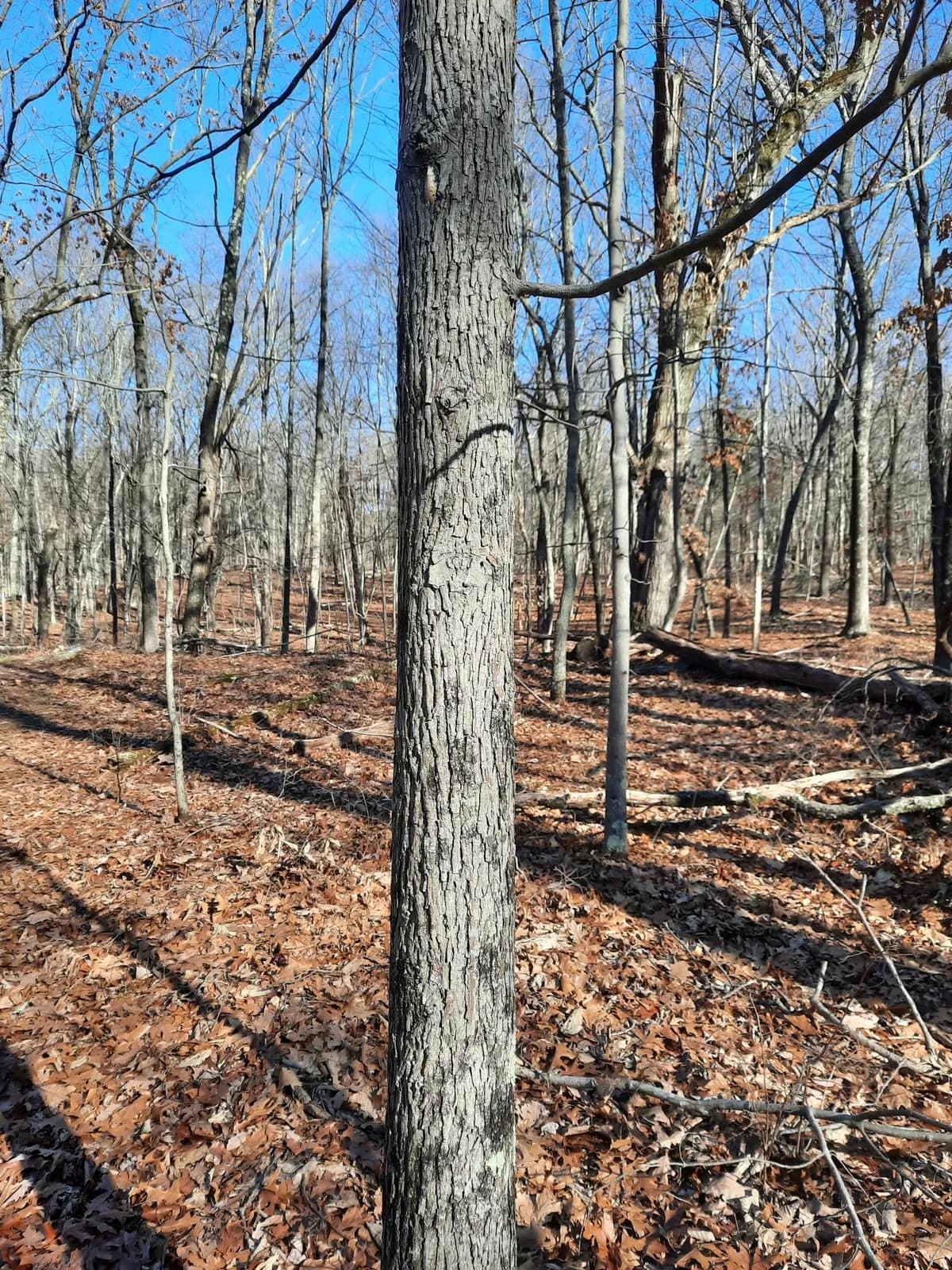
Pignut Hickory (Carya glabra) is not on the ASPCA Animal Poison Control Center toxic plant list for dogs or cats (aspca.org (opens in new tab), last reviewed 2026-05-21). If your pet shows symptoms after eating any plant, call the ASPCA at (888) 426-4435.
The USDA PLANTS Database (opens in new tab) does not flag Pignut Hickory as toxic to livestock.
Light
full sun
Water
medium
Size
600"–900" H × 300"–600" W
Bloom
Apr, May
Native to
AL, AR, CT, DE and 27 more states
Pollinators
bees, beetles
Before you buy
Your city may pay you to plant this
Cities and water utilities offer rebates for replacing lawn with native and water-wise plants. We track 459 programs across 44 states, each with a link to the provider and the date we last checked it.
Find rebates in your areaPicture natives in your own yard
Upload a photo of your yard and Patch Vision shows a rendering of it planted with natives for your region, like Pignut Hickory.


Browse plants for this ecoregion
Pignut hickory is a large native shade tree that develops a distinctive oval crown and attractive bark texture with age. This long-lived deciduous tree produces small inconspicuous flowers in spring followed by nuts that drop in fall.
Growing Pignut Hickory
Grow Pignut Hickory in full sun and medium water. Mature plants reach 600 to 900 inches tall and spread 300 to 600 inches wide. Expect moderate maintenance to keep it looking intentional in a front yard.
How to care for Pignut Hickory, by region
How to care for Pignut Hickory where it is actually grown: year-round basics plus what to do each season, region by region, with the sources for each.
Care guidance last updated: September 2026
Mississippi Valley Loess Plains (includes Memphis, TN)
Year-round
Pignut hickory is a slow growing native shade tree for Memphis yards, known for its deep taproot, fall nuts that feed wildlife, and a long life once it gets established.
- Plant it in full sun to light shade in well drained soil. It does not tolerate wet or soggy ground for long.
- It grows a long taproot early on, so choose the permanent spot before planting. A tree more than a couple of years old is very hard to move.
- Water a young tree regularly for its first two to three years while the root system establishes. After that it becomes drought tolerant.
- It is one of the more shade tolerant hickories and can live a very long time once mature.
- The Lady Bird Johnson Wildflower Center lists pignut hickory as native to Tennessee, and its nuts feed squirrels, chipmunks, deer, and other wildlife. The tree also serves as a larval host for several native moth species.
- Pignut hickory is not on the ASPCA toxic plant list for dogs, cats, or horses, though whole nuts can still cause choking or stomach upset if a pet eats them.
Fall
Fall is nut drop season for pignut hickory in Memphis, and dormant late fall is a second good window for planting a young tree.
- Nuts typically drop from September into November, so expect some litter under the tree during this stretch.
- Fall foliage turns yellow before it drops.
- Once the tree goes dormant in late fall, that is another good time to plant a young tree, similar to early spring.
- Squirrels, deer, and other wildlife will clear away a good share of the dropped nuts on their own.
Raking up dropped nuts and husks from the lawn, driveway, and sidewalk during nut drop keeps the front yard tidy for HOA-conscious upkeep.
Winter
Winter is dormant season for pignut hickory in Memphis, with mostly mild cold and the occasional hard freeze, and it is a good time for structural pruning.
- Memphis winters are generally mild with occasional freezes into the 20s Fahrenheit. An established pignut hickory handles this without protection.
- Prune any dead or damaged branches while the tree is bare and dormant, since the structure is easier to see with no leaves.
- Avoid heavy pruning on a young tree. Limit winter pruning to dead, damaged, or crossing branches.
- A newly planted tree does not need winter watering once the ground turns cold, unless the winter is unusually dry.
Trimming out dead wood while the tree is bare keeps its shape neat for curb appeal through winter.
Spring
Spring is the best time to plant a young pignut hickory in Memphis, and the one season to watch for a late frost on fresh growth.
- Plant a bare root or young container tree in early spring while it is still dormant or just breaking bud. The deep taproot makes it much harder to move later.
- Memphis can see a late frost into early April. Keep an eye on tender new leaves on a young tree, though an established tree handles a cold snap fine.
- Water a newly planted tree deeply once or twice a week if spring rain is light, to help the taproot and root system settle in.
- Hold off on fertilizer the first spring and let the tree put its energy into root growth.
Summer
Memphis summers are hot and humid, and a young pignut hickory needs steady moisture until it is established enough to handle drought on its own.
- Water a young tree deeply once a week during hot, dry stretches, more often if it sits in full sun all day.
- Spread two to three inches of mulch around the base, kept a few inches back from the trunk, to hold moisture and keep roots cooler.
- A mature, established pignut hickory tolerates Memphis summer drought well and usually does not need extra water.
- Watch young trees for leaf scorch or wilting during the hottest weeks and add extra water if you see it.
Sources: Lady Bird Johnson Wildflower Center, Carya glabra, NC State Extension Gardener Plant Toolbox, Carya glabra, ASPCA Toxic and Non-Toxic Plants, Pignut Hickory
In an HOA neighborhood
Pignut Hickory is an HOA-friendly choice. Maintenance level: moderate. Tidiness: 4 out of 5.
Works well in: front yard, street edge, mid zone.
- Nut drop in fall requires cleanup
- Very large mature size may overwhelm smaller properties
Wildlife value
Host plant for banded hairstreak, luna moth, hickory tussock moth.
The spring flowers attract bees and beetles for pollination. The nuts provide important food for squirrels, chipmunks, and many bird species.
Common questions
- How tall does pignut hickory grow?
- Pignut hickory is a large tree that commonly reaches 50 to 65 feet in height at maturity, with some individuals growing taller in favorable forest conditions.
- What growing conditions does pignut hickory need?
- It does best in full sun with medium moisture, and it tolerates drier, well drained upland soils better than many other hickory species.
- When does pignut hickory bloom?
- Pignut hickory produces small, inconspicuous yellow green flowers in April and May before its leaves fully expand.
- What insects visit pignut hickory flowers?
- Bees and beetles visit the flowers of pignut hickory, though the tree relies mainly on wind for pollen transfer.
- Is pignut hickory deciduous?
- Yes, pignut hickory drops its compound leaves each fall after they turn yellow to golden brown.
- Is Pignut Hickory toxic to dogs?
- Pignut Hickory is not on the ASPCA Animal Poison Control Center toxic plant list for dogs (aspca.org).
- Is Pignut Hickory toxic to cats?
- Pignut Hickory is not on the ASPCA Animal Poison Control Center toxic plant list for cats (aspca.org).
- Is Pignut Hickory toxic to livestock?
- The USDA PLANTS Database does not flag Pignut Hickory as toxic to livestock.
- Is Pignut Hickory HOA-friendly?
- Pignut Hickory is generally an HOA-friendly choice in the right placement, with moderate maintenance.
These answers were drafted with an AI model from this plant's data. Verify care details with a local expert.
Native range data from vouchered herbarium specimen records and regional native plant society lists. Pollinator and host plant associations compiled from GBIF, iNaturalist, and published ecological literature.
If something looks wrong
Common plant problems, and what to check first
These come up on almost any plant. Each guide lists the likely causes in the order they are worth ruling out, with one thing to check before you act on any of them, and links to the source it came from.
- It is dying right after planting
- Leaves turning yellow
- Wilting even though I watered it
- Brown crispy leaf tips
- Bugs on the plant
Ready to grow Pignut Hickory? Add it to your garden in Pollinator Patch to track it and get season-by-season care guidance.