Wild Quinine
Parthenium integrifolium
Last reviewed: September 2026
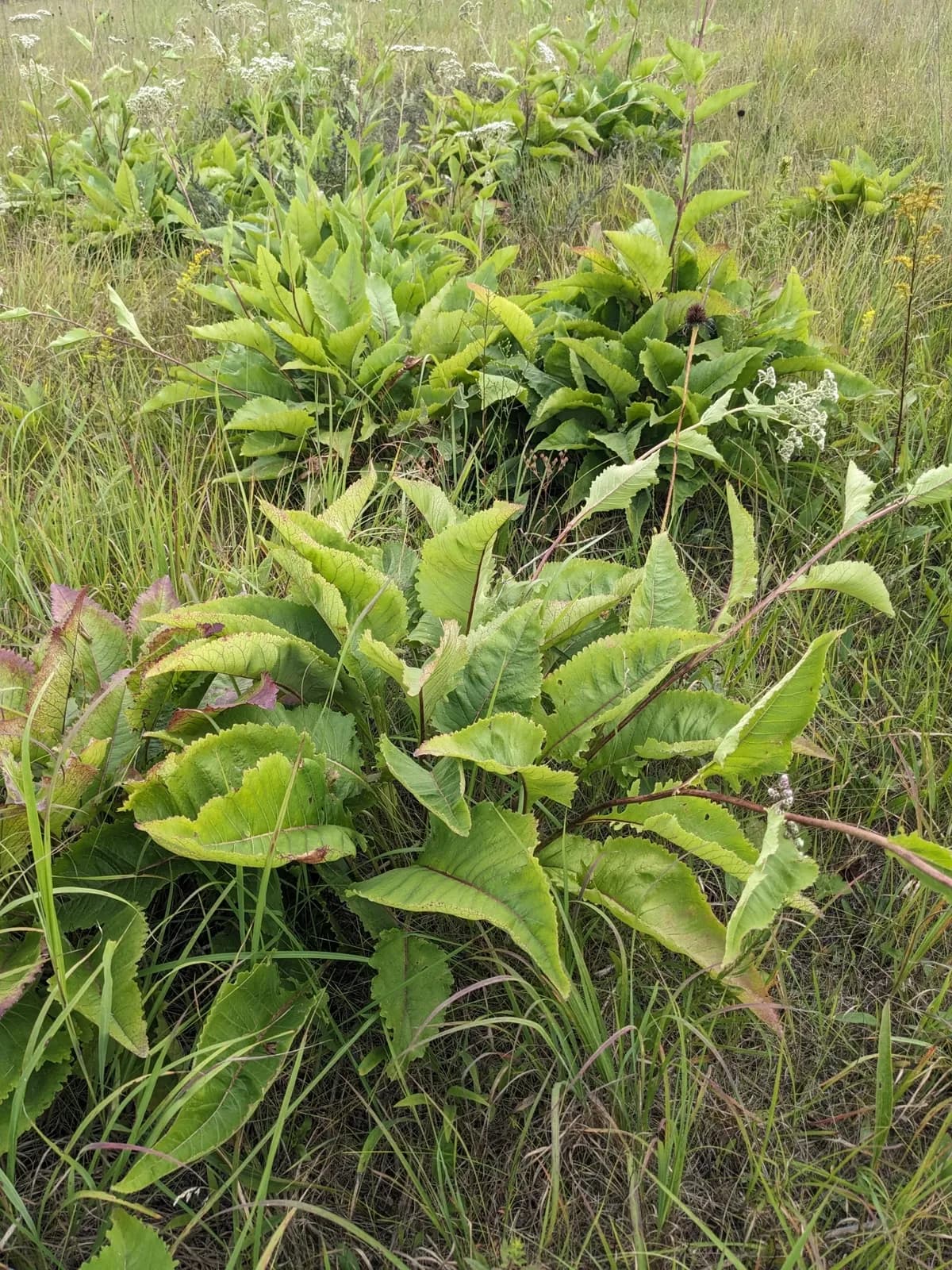
Wild quinine is an upright forb that blooms from June through September with flat clusters of small white flowers, growing well in full sun with medium moisture in prairies, glades, and open woodlands.
Toxicity unknown
Wild Quinine (Parthenium integrifolium) is not listed by the ASPCA Animal Poison Control Center (opens in new tab) or the other sources we check, so we have no verdict for it either way. Absence from those lists is not a clearance. If your pet shows symptoms after eating any plant, call the ASPCA at (888) 426-4435.
Light
full sun
Water
medium
Size
24"–48" H × 12"–24" W
Bloom
Jun, Jul, Aug, Sep
Native to
AL, AR, CT, GA and 23 more states
Pollinators
bees, butterflies, beetles, wasps
Deer
Resistant (per Prairie Moon Nursery)
Before you buy
Your city may pay you to plant this
Cities and water utilities offer rebates for replacing lawn with native and water-wise plants. We track 452 programs across 44 states, each with a link to the provider and the date we last checked it.
Find rebates in your areaBrowse plants for this ecoregion
American feverfew is a sturdy native perennial that produces clusters of small white flowers from summer through early fall. This well-behaved plant forms neat clumps with attractive dark green foliage and maintains a tidy appearance throughout the growing season.
Growing Wild Quinine
Grow Wild Quinine in full sun and medium water. Mature plants reach 24 to 48 inches tall and spread 12 to 24 inches wide. Expect low maintenance to keep it looking intentional in a front yard.
How to care for Wild Quinine, by region
How to care for Wild Quinine where it is actually grown: year-round basics plus what to do each season, region by region, with the sources for each.
Care guidance last updated: September 2026
Central Irregular Plains (includes Kansas City, MO)
Year-round
Wild quinine is a Missouri native prairie perennial that does well around Kansas City with very little fuss. It wants full sun and well drained soil, and once it is established it barely needs supplemental water. It is not on the ASPCA toxic plant list for dogs or cats, and its bitter, sandpapery leaves mean deer and rabbits mostly leave it alone. Its flat clusters of small white flowers draw a wide range of small native bees, wasps, and flies from late spring into summer.
- Plant in full sun in average to dry, well drained soil, it does not want to sit in heavy wet clay.
- Confirmed native to Missouri by the Lady Bird Johnson Wildflower Center and the Missouri Botanical Garden.
- Grows 3 to 4 feet tall on a deep taproot, so pick a permanent spot rather than planning to move it later.
- Not on the ASPCA toxic plant list for dogs or cats.
- Draws a wide range of small native bees, wasps, and flies to its flat topped white flower clusters.
Fall
By fall the white flower clusters fade to tan and the seed heads stand upright through the season. First frost in northwest Missouri typically arrives by the second to third week of October, after which the foliage browns off for the year. This is also a workable window to plant or divide, since the soil is still warm but summer heat stress has passed.
- First frost in northwest Missouri usually lands by the second to third week of October, finish any fall planting or dividing before then.
- The white flower clusters fade to tan by fall and the dried seed heads stand upright, giving the plant structure if you leave it uncut.
- Established clumps do not need fall fertilizer, this prairie plant is used to average to lean soil.
- Skip fall pruning if tidiness is not a concern, wild quinine holds its shape well into winter without flopping over.
If a tidy front bed matters to you or your neighbors, cut the browned stalks down to a few inches once they have fully dried, it takes the bed from ragged to intentional in a few minutes and fits an HOA-conscious front yard.
Winter
Kansas City winters are well within what wild quinine is built for. As a Missouri prairie native it dies back to the ground each fall and overwinters as a dormant crown and deep taproot, coming back reliably from the same spot each spring.
- No mulching, wrapping, or winter protection is needed for wild quinine in the Kansas City area.
- The above ground growth dies back completely, an empty looking spot in a winter bed does not mean the plant is dead.
- Skip winter watering, a dormant plant with no leaves is not drawing water.
- If stalks were left standing after fall, late winter before new growth starts is the last easy time to cut them back.
Spring
Spring around Kansas City means a slow start for wild quinine. It stays a low rosette of leaves well after other prairie plants are up, then grows quickly once the soil warms. Plant or divide it after the last frost, which typically lands in the second to third week of April in northwest Missouri, since it does not like being disturbed while dormant in cold, wet clay.
- Wait until after the typical last frost, around the second to third week of April in northwest Missouri, to plant or divide wild quinine.
- Do not worry if it is one of the last plants in the bed to show green, lagging behind spring bloomers is normal for this species.
- If your bed holds water after spring rain, work in some coarse sand or fine gravel at planting time so the crown does not sit wet.
- New transplants can look sulky their first season before they settle in, judge a spring planting after a full year, not after a few weeks.
Summer
Kansas City summers run hot and humid, and an established wild quinine plant barely notices. Its deep taproot lets it shrug off dry spells that stress shallower rooted plants, and it carries flat clusters of small white flowers from roughly late spring into mid or late summer.
- Water new plantings weekly through their first Kansas City summer, established clumps only need extra water in an extended dry stretch.
- Expect the flat white flower clusters to open in late spring and carry through mid to late summer.
- If lower leaves yellow and drop during a hot dry spell, that is a normal drought response for this plant, not disease.
- Full sun keeps the stems sturdiest, plants grown in more shade tend to flop and may need a stake or two.
Sources: Lady Bird Johnson Wildflower Center: Parthenium integrifolium, Missouri Botanical Garden Plant Finder: Parthenium integrifolium (Wild Quinine), ASPCA Toxic and Non-Toxic Plant List, Dogs, Illinois Wildflowers: Wild Quinine, University of Missouri Extension: Missouri Frost Freeze Probabilities Guide
Cross Timbers (includes Fort Worth, TX)
Year-round
Wild Quinine is a tough, long-blooming perennial from the eastern and midwestern prairies. In the Fort Worth area you are growing it outside the documented core of its natural range, so a little extra attention to soil drainage and summer heat pays off.
- Full sun to light shade, 24 to 48 inches tall, blooms white from roughly June through September.
- Needs well-drained soil. Fort Worth's Blackland Prairie and Cross Timbers clay holds water longer than the sandy or rocky ground this plant is used to, so a raised bed or compost worked into the planting hole helps.
- In Fort Worth's hottest stretches, some afternoon shade takes pressure off a plant built for a slightly cooler, wetter part of the country.
- Deer and rabbits tend to leave it alone.
- It is not listed on the ASPCA's toxic plant lists for dogs or cats, and the USDA plant guide for this species does not flag any toxicity or handling caution. A different plant with a similar name, Parthenium hysterophorus (Santa Maria feverfew), is well documented to cause allergic skin reactions in people because of a compound called parthenin, but that is a different species from the Wild Quinine sold for gardens. Treat Wild Quinine's risk profile as undocumented rather than cleared, not as a clean bill of health, and have anyone with sensitive skin wear garden gloves when handling the foliage until you know how they react.
Fall
Flowering winds down and the plant begins to go dormant. Seed heads left standing provide winter interest and food for birds and overwintering insects.
- Leave the dried seed heads standing for winter structure, or cut the plant back after bloom for a tidier look and less self-seeding.
- No fertilizing needed. This plant does best in average to lean soil.
- Good time to divide a mature clump if needed, though this species resents disturbance because of its taproot.
If the HOA prefers a cleaned-up fall look, cutting stems back after bloom reads as tidy without hurting the plant.
Winter
The plant is fully dormant. In Fort Worth's mild winters there is little to do beyond leaving the root system undisturbed until spring.
- No watering needed during dormancy except in extended dry spells.
- No known serious disease or insect problems to watch for over winter.
- If old stalks were left standing in fall, this is a fine time to cut them back before spring growth starts.
Spring
New growth breaks from the taproot as the weather warms. This is the best time to plant or divide, before Fort Worth's summer heat sets in.
- Cut back last year's dried stalks and seed heads to the ground before new growth starts, if that was not done in fall.
- Plant in early spring so roots establish before summer heat arrives. This species has a taproot and does not like being moved once settled, so choose its spot carefully.
- Water regularly through the first spring to help new roots establish. Established plants become drought tolerant.
Clearing old stalks in early spring keeps the bed looking tended before this plant's tall summer growth fills in.
Summer
This is peak bloom season, with rounded white flower clusters that draw a wide range of native bees and other pollinators through the hottest months.
- Blooms June through September with small white, button-like flower clusters.
- Attracts native bees such as sweat bees, small carpenter bees, and mining bees, plus wasps, flies, and beetles.
- Deep, infrequent watering during Fort Worth's driest, hottest weeks works better than frequent shallow watering, especially in clay soil that stays wet longer at depth.
- Deadhead spent flower clusters if you want to keep the plant from self-seeding into nearby beds. Left alone, it can spread by seed.
Deadheading through summer keeps a front-yard planting tidy and keeps it from seeding into turf or neighboring beds.
Sources: Lady Bird Johnson Wildflower Center, Native Plant Database: Parthenium integrifolium, USDA NRCS Plant Guide: Wild Quinine (Parthenium integrifolium), ASPCA Toxic and Non-Toxic Plant List, Dogs, Indian Journal of Dermatology, Venereology and Leprology: Parthenium Dermatitis in India, Past Present and Future, Prairie Moon Nursery: Parthenium integrifolium, Wild Quinine, Xerces Society: Weird and Wonderful Plants for Pollinators, Wild Quinine
Interior Plateau (includes Cincinnati, OH)
Year-round
Wild Quinine is native to Ohio and the wider Midwest. The Lady Bird Johnson Wildflower Center documents its range as reaching to southeastern Minnesota in the north. It is a sturdy, long-blooming prairie perennial for a Cincinnati front yard.
- Full sun to light shade, 24 to 48 inches tall, blooms white from roughly June through September.
- Prefers average to dry, well-drained soil. Tolerates clay and rocky soil as long as drainage is reasonable.
- Cold hardy well past Cincinnati's winter lows.
- Deer and rabbits tend to leave it alone.
- It is not listed on the ASPCA's toxic plant lists for dogs or cats, and the USDA plant guide for this species does not flag any toxicity or handling caution. A different plant with a similar name, Parthenium hysterophorus (Santa Maria feverfew), is well documented to cause allergic skin reactions in people because of a compound called parthenin, but that is a different species from the Wild Quinine sold for gardens. Treat Wild Quinine's risk profile as undocumented rather than cleared, not as a clean bill of health, and have anyone with sensitive skin wear garden gloves when handling the foliage until you know how they react.
Fall
Flowering winds down as nights cool. Seed heads left standing provide winter interest and food for birds and overwintering insects.
- Leave the dried seed heads standing for winter structure, or cut back after bloom for a tidier look and less self-seeding.
- No fertilizing needed.
- Good time to divide a mature clump if needed, though this species resents disturbance because of its taproot.
If the HOA prefers a cleaned-up fall look, cutting stems back after bloom reads as tidy without hurting the plant.
Winter
The plant is fully dormant through Cincinnati's cold winter. It is hardy well beyond local winter lows, and there is little to do beyond leaving the root system undisturbed until spring.
- No watering needed during dormancy.
- No known serious disease or insect problems to watch for over winter.
- If old stalks were left standing in fall, this is a fine time to cut them back before spring growth starts.
Spring
New growth emerges from the taproot once the ground warms in mid to late spring. Spring is the best time to plant.
- Wait for the ground to fully thaw and warm before planting or dividing.
- Cut back any dried stalks left from last season before new growth starts.
- Water new plantings regularly through spring while roots establish. Established plants tolerate dry spells well.
Clearing old stalks in early spring keeps the bed looking tended before summer growth fills in.
Summer
Peak bloom season through Cincinnati's warm months, with rounded white flower clusters that draw a wide range of native bees and other pollinators.
- Blooms June through September with small white, button-like flower clusters.
- Attracts native bees such as sweat bees, small carpenter bees, and mining bees, plus wasps, flies, and beetles.
- Established plants handle normal Ohio summer rainfall without extra watering, more in extended dry spells.
- Deadhead spent flower clusters if you want to limit self-seeding into nearby beds or turf.
Deadheading through summer keeps a front-yard planting tidy and keeps it from seeding into turf or neighboring beds.
Sources: Lady Bird Johnson Wildflower Center, Native Plant Database: Parthenium integrifolium, USDA NRCS Plant Guide: Wild Quinine (Parthenium integrifolium), Royal Horticultural Society: Parthenium integrifolium (American feverfew), ASPCA Toxic and Non-Toxic Plant List, Dogs, Indian Journal of Dermatology, Venereology and Leprology: Parthenium Dermatitis in India, Past Present and Future, Prairie Moon Nursery: Parthenium integrifolium, Wild Quinine
Mississippi Alluvial Plain (includes Memphis, TN)
Year-round
Wild quinine is a native prairie perennial that does well in Memphis area yards. It is native to Tennessee, tolerates the region's clay soil, and forms a tidy, upright clump of small white flower clusters from early summer into fall.
- Give it full sun to light shade and well drained soil, though it also tolerates heavier clay once established.
- Plants typically reach about 2 to 4 feet tall and 2 to 3 feet wide, with a naturally upright, clumping habit.
- It is drought tolerant once its roots are established, so mature plants need little supplemental water in a normal Memphis summer.
- The flat white flower clusters bloom from early summer into fall and give the plant a long season of interest.
Fall
Fall around Memphis, with a first frost typically in early November, is the time to manage seed drop and decide how much winter interest to leave standing.
- Memphis usually sees its first fall frost in early November, and flowering fades out around that time.
- Snip off spent seed heads before they scatter if you want fewer volunteer seedlings coming up next spring.
- Leaving a few seed heads standing feeds birds and adds texture if you have room for a looser look.
- This is also a reasonable time to divide crowded clumps, though wild quinine rarely needs it.
Trimming back the browning stems once flowering ends helps a front-yard planting read as tended through the fall rather than left to go to seed.
Winter
Wild quinine goes fully dormant through Memphis winters and needs no special protection once established.
- The plant dies back to the ground and stays dormant until soil warms again in spring.
- No winter watering or covering is needed for established plants in Memphis area soil.
- Any stems left standing from fall offer a modest winter silhouette and shelter for overwintering insects.
- Use the dormant season to plan any moves or additions to the bed before spring growth resumes.
If bare winter stems look untidy for your front yard, cutting them down in late winter before new growth starts is an easy way to keep the bed looking maintained.
Spring
Spring in the Memphis area, roughly USDA zone 7b with an average last frost in mid to late March, is the season to clean up old growth and get new plants established before summer heat arrives.
- Wait until after the average last frost, typically mid to late March around Memphis, to plant new wild quinine.
- Clear away last year's dried stems down to the ground once you see new basal leaves emerging.
- Keep new plantings watered regularly while their roots establish, mature clumps need little extra water.
- Wild quinine self-seeds readily, so thin out unwanted volunteer seedlings now if you want to keep a front-yard bed contained.
Clearing last year's dried stems in spring, before new growth takes over, keeps a front-yard bed looking cared for rather than left over from winter.
Summer
Summer is peak bloom and peak pollinator activity for wild quinine in the Memphis area's heat and humidity.
- Flat clusters of small white flowers bloom from early summer into fall, standing up well to Memphis heat and humidity.
- The Xerces Society documents wild quinine as a food source for native bees including sweat bees, mining bees, small carpenter bees, and yellow-faced bees, plus soldier flies and syrphid flies.
- Mature plants are drought tolerant, water only during extended dry stretches.
- Deadheading is optional, remove spent flower heads for a tidier look or leave some for the pollinators still working them and for volunteer seedlings.
Sources: Lady Bird Johnson Wildflower Center Native Plant Database, Parthenium integrifolium native range and growing conditions, University of Tennessee Extension, Tennessee Smart Yards, Parthenium integrifolium care guide, Xerces Society, Weird and Wonderful Plants for Pollinators, Wild Quinine (bee and fly visitor list)
Mississippi Valley Loess Plains (includes Memphis, TN)
Year-round
Wild quinine is an easy, low fuss native perennial for Memphis yards. It wants full sun, well drained soil, and needs little care once it settles in.
- Give it full sun to part shade. It blooms strongest and stays sturdiest with more sun.
- It grows fine in average, clay, or rocky soil as long as the site drains, no soil amendments are needed.
- Once established, usually after the first year, it handles dry stretches without regular watering.
- The small white flower clusters are valuable to small native bees, including sweat bees, mining bees, small carpenter bees, and yellow faced bees, plus flies and other pollinating insects.
- It is native across most of Tennessee, so it fits naturally into a native or naturalistic bed without special care.
Fall
Fall in Memphis is when wild quinine finishes blooming, and a good window to decide how tidy you want the bed to look through winter.
- Bloom tapers off through September and is usually finished by October, matching its typical May to September flowering window.
- Cutting the dried flower stalks back to a few inches once they turn brown gives a tidy look for fall, and it will not hurt next year's plant since it reseeds easily.
- No need to water, fertilize, or transplant it now. Memphis's average first frost lands around November 3, and the plant settles into dormancy after that on its own.
Cutting the dried stalks back to a few inches in fall is a simple, HOA-friendly way to keep the bed looking neat. Leaving some stalks up through winter is also fine if your neighborhood is more relaxed about it.
Winter
Wild quinine goes fully dormant over a Memphis winter and needs no protection in this zone.
- The plant dies back to the ground and goes fully dormant. Memphis sits in USDA hardiness zone 8a, and the crown needs no mulch or covering to get through winter here.
- If stalks were left standing in fall, they will look dry and bare through winter. That is normal and not a sign of a problem.
- Leave the crown undisturbed until new growth shows in spring. Digging or dividing during a winter freeze can damage the roots.
A bare, cut back bed over winter reads as tidy and intentional for most HOA-conscious yards. If you would rather have a winter silhouette, leaving a few dry stalks standing instead of cutting to the ground is also HOA-friendly.
Spring
In Memphis's spring, wild quinine is slow to leaf out and needs no extra protection from the season's swinging temperatures.
- New growth is slow to show in spring compared to many other prairie plants, so do not assume a dormant crown died if you do not see leaves right around Memphis's average last frost date of March 30.
- It handles the cool, wet spells and warm swings typical of a Memphis spring fine once it is in well drained soil. No covering or protection is needed.
- Spring is a good time to plant or divide it, before the summer heat sets in, using the same full sun and well drained soil it needs the rest of the year.
- Skip fertilizer. Wild quinine handles average to poor soil on its own, and rich, fertilized soil can make the stems floppier later in the season.
Summer
Summer is wild quinine's peak bloom season in Memphis's heat and humidity, and mature plants need little water.
- This is peak bloom. Expect the small white flower clusters from June into September in Memphis's hot, sunny summers.
- Full sun and a well drained site help it handle Memphis's humidity without the usual crowding related fungal problems.
- Established plants get through Memphis's dry summer stretches without supplemental water. Only water new transplants during a multi week dry spell.
- Stems reach 2 to 4 feet and can lean or flop in rich soil or too much shade. If that happens, a sunnier spot next season is a better fix than staking.
- Deadheading is not necessary since the plant reseeds well on its own, though removing spent flower heads is fine if you want to limit self seeding.
Sources: Lady Bird Johnson Wildflower Center: Parthenium integrifolium, Xerces Society: Wild Quinine as a pollinator plant, Mt. Cuba Center: Wild quinine plant profile, Tennessee Smart Yards (UT Extension): Parthenium integrifolium, National Weather Service Memphis: average frost and freeze dates, USDA Plant Hardiness Zone Map
Northeastern Coastal Zone (includes New York, NY)
Year-round
American feverfew is a tough prairie perennial that wants two things above all in the New York area: full sun and soil that drains. It grows about 3 to 4 feet tall and holds flat white flower clusters from June into September, then keeps stiff brown seed heads standing through winter. Around New York City the real risk is not cold (it is hardy well past zone 7) but wet, packed clay and urban fill that stays soggy after the roughly 45 inches of rain that falls here across the year. Once its deep root is settled, usually by the second summer, it handles heat, humidity, and dry spells with almost no help from you. It has no serious insect or disease problems, so most of your job is sun, drainage, and leaving it alone.
- Put it where it gets at least 6 hours of direct sun, more if you can.
- Mound the bed 3 to 4 inches above grade if your soil is heavy city clay or fill.
- Skip fertilizer. Rich soil makes floppy stems that lean over the walk.
- Water deeply once a week the first summer, then only in long dry stretches.
- Give each plant 18 to 24 inches of room so air can move through the leaves.
Stiff upright stems and flat white flower heads read as a tidy, deliberate planting, which is an HOA-friendly look for a small front bed. Keep a clean edge along the sidewalk and it stays neat all season.
Fall
Flowering winds down in September and the whole plant goes tan and stiff by the first frost, which lands around early November in the New York area. Leave it standing. The dried flower heads are the best thing this plant does in a front bed all winter, and cutting it now takes away shelter that insects use through the cold months. Fall is also a good window to plant or move one, roughly mid September to mid October, so the roots settle in before the ground freezes. If you want more plants, snip a few dry heads in October, finish drying them indoors, and sow the seed outside in a pot so winter cold breaks its dormancy.
- Leave every stem standing. No fall cutback.
- Plant or move clumps between mid September and mid October.
- Rake heavy tree leaves off the crown so it is not sitting under a wet mat.
- Collect a few dry seed heads in October if you want more plants.
- Keep mulch pulled back from the crown so it does not hold water all winter.
A standing cluster of tan seed heads reads as deliberate winter structure rather than neglect, especially if you cut a crisp bed edge in October and leave it that way, which keeps the front yard HOA-friendly.
Winter
Winter care here is about salt and standing water, not about cold. This plant is hardy far below a New York City winter, so it needs no cover, no blanket, and no fuss. What actually hurts it is a bed that stays waterlogged on packed clay after every thaw, plus de-icing salt thrown off the sidewalk by shovels, spreaders, and passing tires. Salt injury is worst within about 15 feet of treated pavement, which puts a small front bed right in the splash zone. Leave the stems standing all winter and handle the salt at the source instead of doing anything to the plant.
- Leave stems and seed heads standing until April.
- Never pile shoveled, salted snow onto the bed.
- Use sand or calcium magnesium acetate on the walk beside the bed instead of rock salt.
- Stand a short burlap screen between the bed and the sidewalk if splash is heavy.
- Note any spot that puddles after a thaw and raise or regrade it in spring.
Bare winter beds get noticed from the street, so keep the edge crisp and the dried stems upright rather than half collapsed, and the planting keeps reading as intentional and HOA-friendly.
Spring
New shoots push up from the crown in April, right around the time the last frost passes in the New York area (usually mid April). Wait until then to cut down last year's dry stems, because small bees and other insects spend the winter inside hollow stems. If the bed sits next to a salted sidewalk or driveway, soak it slowly with plain water for 20 to 30 minutes once the ground thaws, which washes leftover road salt down below the roots. Spring is also the one good moment to fix drainage, so work a few inches of compost into packed clay before the plant leafs out. You can divide a crowded clump now, but this plant has a deep root and is usually happier left where it is.
- Cut last year's stems down in mid to late April, not in fall.
- Cut them at mixed heights between 8 and 24 inches so stem nesting bees can move in.
- Flush a street side bed with a slow 20 to 30 minute soak once the soil thaws.
- Work 2 to 3 inches of compost into heavy clay before new growth closes in.
- Pull early weeds by hand while the crown is still small and easy to see.
Short stem stubs look bare from the street in April, so a low edging plant or a crisp mulch line in front of the bed keeps the whole thing reading as intentional and HOA-friendly.
Summer
This is the plant's show season. Flat white clusters open in June and keep going into September, and they hold their shape even through a humid New York August. Because summers here are muggy, the useful move is airflow: keep crowding neighbors trimmed back and water at the base in the morning instead of spraying the leaves in the evening. Rain falls fairly steadily through summer here, so an established clump usually needs no watering at all, and only a two week dry stretch calls for a deep soak. If a stem leans after a thunderstorm, that almost always means the soil is too rich or the spot is too shady, not that you did something wrong.
- Water only after two weeks with no real rain, and then soak deeply at the base.
- Water in the morning so leaves dry off before nightfall.
- Trim back crowding neighbors so air moves through the clump.
- Snip faded brown flower heads back to a leaf for a tidier look, or leave them for seed.
- Do not feed it. Extra nitrogen makes weak stems that flop in storm rain.
Sources: Missouri Botanical Garden Plant Finder, Parthenium integrifolium, Lady Bird Johnson Wildflower Center, Parthenium integrifolium, Mt. Cuba Center, Wild quinine (Parthenium integrifolium), Xerces Society, Leave the Leaves, Xerces Society, Put Down Those Pruners: Pollinators Need Your Garden Garbage, Rutgers Plant and Pest Advisory, Impact of Road Salt on Adjacent Vegetation
Piedmont (includes Atlanta, GA)
Year-round
Wild Quinine is native to Georgia and the wider Southeast. The Lady Bird Johnson Wildflower Center documents its range as reaching south to Georgia, Alabama, and Arkansas. It is a tough, long-blooming prairie perennial that fits well into an Atlanta front yard.
- Full sun to light shade, 24 to 48 inches tall, blooms white from roughly June through September.
- Tolerates Atlanta's Piedmont clay as long as it drains reasonably well. Prefers average to dry, well-drained soil over rich, constantly moist ground.
- Deer and rabbits tend to leave it alone.
- It is not listed on the ASPCA's toxic plant lists for dogs or cats, and the USDA plant guide for this species does not flag any toxicity or handling caution. A different plant with a similar name, Parthenium hysterophorus (Santa Maria feverfew), is well documented to cause allergic skin reactions in people because of a compound called parthenin, but that is a different species from the Wild Quinine sold for gardens. Treat Wild Quinine's risk profile as undocumented rather than cleared, not as a clean bill of health, and have anyone with sensitive skin wear garden gloves when handling the foliage until you know how they react.
Fall
Flowering winds down heading into fall. Seed heads left standing provide winter interest and food for birds and overwintering insects.
- Leave the dried seed heads standing for winter structure, or cut back after bloom for a tidier look and less self-seeding.
- No fertilizing needed. This plant does best in average to lean soil.
- Good time to divide a mature clump if needed, though this species resents disturbance because of its taproot.
If the HOA prefers a cleaned-up fall look, cutting stems back after bloom reads as tidy without hurting the plant.
Winter
The plant goes dormant for Atlanta's mild winter. There is little to do beyond leaving the root system undisturbed until spring.
- No watering needed during dormancy except in extended dry spells.
- No known serious disease or insect problems to watch for over winter.
- If old stalks were left standing in fall, this is a fine time to cut them back before spring growth starts.
Spring
New growth emerges from the taproot as the weather warms, typically a bit earlier in Atlanta than points north. Spring is the best time to plant.
- Cut back any dried stalks left from last season before new growth starts.
- Plant in early to mid spring so roots settle in before Atlanta's hot, humid summer. This species has a taproot and dislikes being moved once established.
- Water new plantings regularly through spring while roots establish. Established plants tolerate dry spells well.
Clearing old stalks in early spring keeps the bed looking tended before summer growth fills in.
Summer
Peak bloom season. Rounded white flower clusters draw a wide range of native bees and other pollinators through Atlanta's hot, humid summer.
- Blooms June through September with small white, button-like flower clusters.
- Attracts native bees such as sweat bees, small carpenter bees, and mining bees, plus wasps, flies, and beetles.
- Well-drained soil matters most in a humid summer like Atlanta's. Avoid low spots where water sits after storms.
- Deadhead spent flower clusters if you want to limit self-seeding into nearby beds or turf.
Deadheading through summer keeps a front-yard planting tidy and keeps it from seeding into turf or neighboring beds.
Sources: Lady Bird Johnson Wildflower Center, Native Plant Database: Parthenium integrifolium, USDA NRCS Plant Guide: Wild Quinine (Parthenium integrifolium), ASPCA Toxic and Non-Toxic Plant List, Dogs, Indian Journal of Dermatology, Venereology and Leprology: Parthenium Dermatitis in India, Past Present and Future, Prairie Moon Nursery: Parthenium integrifolium, Wild Quinine, Royal Horticultural Society: Parthenium integrifolium (American feverfew)
Ridge and Valley (includes Harrisburg, PA)
Year-round
Wild Quinine is native to Pennsylvania and the wider mid-Atlantic and Midwest. The Lady Bird Johnson Wildflower Center documents its range as reaching from Maryland to southeastern Minnesota. It is a sturdy, long-blooming prairie perennial for a Harrisburg front yard.
- Full sun to light shade, 24 to 48 inches tall, blooms white from roughly June through September.
- Prefers average to dry, well-drained soil. Tolerates a range of soil types including clay and rock as long as drainage is reasonable.
- Cold hardy well past Harrisburg's winter lows.
- Deer and rabbits tend to leave it alone.
- It is not listed on the ASPCA's toxic plant lists for dogs or cats, and the USDA plant guide for this species does not flag any toxicity or handling caution. A different plant with a similar name, Parthenium hysterophorus (Santa Maria feverfew), is well documented to cause allergic skin reactions in people because of a compound called parthenin, but that is a different species from the Wild Quinine sold for gardens. Treat Wild Quinine's risk profile as undocumented rather than cleared, not as a clean bill of health, and have anyone with sensitive skin wear garden gloves when handling the foliage until you know how they react.
Fall
Flowering winds down as nights cool. Seed heads left standing provide winter interest and food for birds and overwintering insects.
- Leave the dried seed heads standing for winter structure, or cut back after bloom for a tidier look and less self-seeding.
- No fertilizing needed.
- Good time to divide a mature clump if needed, though this species resents disturbance because of its taproot.
If the HOA prefers a cleaned-up fall look, cutting stems back after bloom reads as tidy without hurting the plant.
Winter
The plant is fully dormant through Harrisburg's cold winter. It is hardy well beyond local winter lows, and there is little to do beyond leaving the root system undisturbed until spring.
- No watering needed during dormancy.
- No known serious disease or insect problems to watch for over winter.
- If old stalks were left standing in fall, this is a fine time to cut them back before spring growth starts.
Spring
New growth emerges from the taproot once the ground warms in mid to late spring, later than points south. Spring is the best time to plant.
- Wait for the ground to fully thaw and warm before planting or dividing.
- Cut back any dried stalks left from last season before new growth starts.
- Water new plantings regularly through spring while roots establish. Established plants tolerate dry spells well.
Clearing old stalks in early spring keeps the bed looking tended before summer growth fills in.
Summer
Peak bloom season through Harrisburg's warm months, with rounded white flower clusters that draw a wide range of native bees and other pollinators.
- Blooms June through September with small white, button-like flower clusters.
- Attracts native bees such as sweat bees, small carpenter bees, and mining bees, plus wasps, flies, and beetles.
- Established plants handle Harrisburg's normal summer rainfall without extra watering, more in extended dry spells.
- Deadhead spent flower clusters if you want to limit self-seeding into nearby beds or turf.
Deadheading through summer keeps a front-yard planting tidy and keeps it from seeding into turf or neighboring beds.
Sources: Lady Bird Johnson Wildflower Center, Native Plant Database: Parthenium integrifolium, USDA NRCS Plant Guide: Wild Quinine (Parthenium integrifolium), Royal Horticultural Society: Parthenium integrifolium (American feverfew), ASPCA Toxic and Non-Toxic Plant List, Dogs, Indian Journal of Dermatology, Venereology and Leprology: Parthenium Dermatitis in India, Past Present and Future, Prairie Moon Nursery: Parthenium integrifolium, Wild Quinine
Southeastern Plains (includes Tallahassee, FL)
Year-round
Wild Quinine is a tough, long blooming prairie native that many Tallahassee area gardeners already grow, even though authoritative range maps do not list it as native to Florida itself. It handles heat, humidity, and both sandy and clay soils once it settles in.
- Give it 6 or more hours of direct sun and well drained soil. It tolerates sand, clay, and both acidic and neutral pH.
- Once established it is drought tolerant and rarely needs extra watering beyond normal Tallahassee rainfall.
- Extension sources report no serious pest or disease problems, and deer and rabbits tend to leave it alone because of its bitter, sandpapery leaves.
- It grows a deep taproot, so pick its spot with care. Established plants resent being dug up and moved.
- Tallahassee sits at the very top edge of this plant's published USDA zone 4a to 8b range, so a hot, sunny bed with good drainage gives it the best shot.
- No toxicity determination for this exact species turned up in the ASPCA's plant lists. A close relative, Santa Maria feverfew (Parthenium hysterophorus), is a documented skin irritant, but that is a different, far more aggressive invasive plant and its risk should not be assumed here without its own evidence.
A long summer to fall bloom with tidy white flower clusters and a compact clump habit makes this a good HOA-friendly pick for a front bed that wants pollinator interest without looking wild.
Fall
Bloom continues into fall in Tallahassee's mild autumn, and the plant slowly winds down as days shorten.
- Flowering often runs into September, so early fall is still an active bloom period rather than a wind down.
- Leave spent flower heads in place through fall. They add texture and can feed birds or self sow if you want more plants.
- No fall fertilizing is needed. This plant is adapted to lean prairie soils, and rich feeding just produces floppy growth.
- Fall is a fine second window for dividing or transplanting, alongside spring, once the weather has cooled.
Winter
Tallahassee winters are mild, so this plant stays mostly evergreen to semi dormant rather than dying back hard the way it would farther north.
- You can leave dried stems and seed heads standing through winter for structure and habitat, or cut the plant back to a few inches once it looks fully spent.
- No winter protection or mulching for cold is needed at this hardiness zone.
- Watch drainage during Florida's wetter winter storms. This plant prefers well drained soil and dislikes sitting in standing water.
- Winter is a good time to plan bed placement for spring, since the taproot makes this plant hard to move once it is settled in.
Spring
Spring is when new growth pushes up from the taproot crown and is the best window if you need to divide or transplant it.
- New leaves emerge low to the ground in early to mid spring as nights warm.
- If you want to divide a mature clump, do it in early spring before the flower stalks bolt. It has a taproot, so handle divisions gently and replant right away.
- Full sun beds with well drained soil give the strongest, most compact growth once summer heat arrives.
- Mulch lightly to keep the root zone moist while new growth establishes, but keep mulch off the crown.
Summer
Summer is peak bloom season in the Tallahassee heat, with white flower clusters opening from around June into fall.
- Blooms typically run June through September, drawing sweat bees, mining bees, small carpenter bees, and yellow faced bees along with other pollinators.
- Established plants handle Tallahassee's hot, humid summers and need little supplemental water beyond normal rainfall.
- High humidity can favor leaf spot or powdery mildew on many perennials. Give plants room to breathe and water the soil rather than the foliage.
- Deadhead spent flower clusters if you want to limit self seeding, though this plant is not an aggressive spreader.
Sources: USDA PLANTS Database, Parthenium integrifolium profile, Lady Bird Johnson Wildflower Center, Parthenium integrifolium, NC State Extension Plant Toolbox, Parthenium integrifolium, ASPCA Toxic and Non-Toxic Plant List, Dogs, Missouri Botanical Garden Plant Finder, Parthenium integrifolium, Xerces Society, Weird and Wonderful Plants for Pollinators: Wild Quinine
Southern Michigan/Northern Indiana Drift Plains (includes Grand Rapids, MI)
Year-round
Wild quinine is a low-maintenance native prairie plant for Grand Rapids gardens once it gets established.
- Give it full sun and well-drained soil. Dry to medium soil is fine, even rocky or shallow spots.
- It grows a long taproot, so plant it where it can stay. It does not move well once established and should not go near a septic field.
- Once established it handles drought well and needs little watering or fertilizing.
- This plant is native to Michigan, so it fits naturally into local gardens and supports local wildlife without extra effort.
- Expect a clump 2 to 4 feet tall with white, cauliflower-like flower clusters from early summer into fall.
Fall
As West Michigan cools into fall, wild quinine winds down and you get to decide how tidy to leave it.
- Flower heads fade to brown but often stay upright into fall, feeding late season insects and birds.
- Foliage stays green rather than turning fall colors, then dies back after the first hard frost, usually early to mid October here.
- You can cut the stems down once seed heads finish dropping, or leave the sturdy stalks standing for winter texture. Either is fine for the plant.
- This is a good time to collect seed if you want more plants next year. The dry seed heads are easy to spot.
Cutting stems back once seed drop finishes gives a tidy fall look if the yard needs to read as clean for the season.
Winter
Winter in Grand Rapids is fully dormant for wild quinine. There is nothing to do once the ground freezes.
- The plant rides out West Michigan's cold zone 6a winters underground in its root. All top growth is gone by winter.
- No mulch is needed on an established plant, since it is hardy through USDA zone 4. A first winter planting can get a light mulch layer for extra insurance.
- Skip winter watering entirely. The dormant root does not need moisture until spring growth starts.
- If stems were left standing in fall, this is when they read as winter texture rather than mess, since they stay upright under snow.
Upright dead stems left over winter generally read as intentional texture rather than clutter, but cutting them down in fall is the tidier option if that matters more to the HOA.
Spring
In Grand Rapids's cool, wet spring, wild quinine is slow to show up above ground, so give it time before assuming it died.
- New growth is often one of the later perennials to emerge in spring, sometimes not until mid to late May in West Michigan's cooler soil.
- Cut back last year's dead stems in early spring before new growth starts, so the root gets full sun to warm up.
- If you want to divide or move a clump, right as new leaves appear is the best window. The taproot resents disturbance once the plant is actively growing.
- No fertilizer needed. A thin layer of compost worked in lightly is plenty for a plant built for lean prairie soil.
Clearing last year's dead stems in early spring keeps the bed looking intentional while new growth fills in.
Summer
Summer is when wild quinine does its main work in Grand Rapids gardens, blooming for pollinators through the humid months.
- Flowers open around June and keep going into September, so this is the main bloom season here.
- Once past its first year, it rarely needs watering, even in a dry West Michigan summer stretch. Water new plantings weekly until roots are established.
- The flowers draw native bees like sweat bees, mining bees, and small carpenter bees, plus wasps, flies, and beetles. Female leafcutter bees also use the leaves to line their nests.
- No need to deadhead for more blooms. Leaving the flower heads on also keeps the pollinator activity going.
The plant stays in a tidy upright clump around 2 to 4 feet, so it does not flop or sprawl into walkways during peak bloom.
Sources: Lady Bird Johnson Wildflower Center Native Plant Database: Parthenium integrifolium, USDA NRCS Plant Guide: Parthenium integrifolium (Wild Quinine), Mt. Cuba Center plant profile: Wild quinine (Parthenium integrifolium), Prairie Moon Nursery: Parthenium integrifolium Wild Quinine, Xerces Society: Weird and Wonderful Plants for Pollinators, Wild Quinine
Southwestern Appalachians (includes Chattanooga, TN)
Year-round
Wild Quinine is confirmed native to Tennessee by USDA range data, and it is well suited to the clay soils and four distinct seasons around Chattanooga.
- It grows in full sun to light shade and tolerates the heavy clay soils common in the ridge and valley area, along with loam and rocky sites.
- Once established it is drought tolerant and handles both dry and occasionally moist soil without extra watering.
- Extension sources report no serious pest or disease problems, and its bitter, sandpapery leaves tend to keep deer and rabbits away.
- It develops a deep taproot early on, so choose its planting spot carefully. Mature plants do not transplant well.
- No toxicity determination specific to this species turned up in the ASPCA's plant lists. Its relative Santa Maria feverfew (Parthenium hysterophorus) is a documented skin irritant, but that is a separate, far more aggressive invasive weed and its risk profile should not be applied here without its own evidence.
A long June through September bloom, a tidy clumping habit, and clusters of white flower heads make this a good HOA-friendly choice for a neat front bed that still reads as intentional, not wild.
Fall
Bloom tapers off into fall as Chattanooga's nights cool, and the plant begins preparing for winter dormancy.
- Flowering can continue into September before slowing down with the first cool nights.
- Leave seed heads standing through fall for winter interest and to feed birds, or collect seed if you want to start new plants.
- Skip fall fertilizer. Lean native soil is what this plant is adapted to, and rich soil just makes it floppy.
- Fall is a second good window for division or transplanting once temperatures cool, alongside spring.
Winter
Chattanooga gets real winter cold, so expect this plant to die back to the ground and go fully dormant until spring.
- Cut the dried stems back to a few inches after the first hard freeze, or leave them standing through winter for habitat and structure if you prefer a lower maintenance approach.
- No winter mulch or protection is needed. This plant is hardy well into USDA zone 7, and its published zone 4a to 8b range covers Chattanooga comfortably.
- Ridge and valley clay soils hold more winter moisture than sandy ground, so make sure the planting site drains well and the crown does not sit wet.
- Late winter, just before new growth starts, is another workable time to divide or move plants if you missed the fall window.
Spring
Spring in Chattanooga brings the plant out of winter dormancy, with new growth low to the ground before flower stalks bolt in late spring.
- New leaves appear as the ground warms in mid spring, after the last hard frost.
- Divide mature clumps in early spring if you want more plants, working quickly since the taproot does not like being disturbed.
- Amend heavy ridge and valley clay with compost at planting time to improve drainage, though established plants tolerate clay well on their own.
- Full sun sites give the sturdiest stems heading into summer.
Summer
Summer is peak bloom in Chattanooga, with white flower clusters opening from roughly June through September in the region's hot, sometimes humid conditions.
- Flowers draw sweat bees, mining bees, small carpenter bees, and yellow faced bees, along with a range of other pollinators and beneficial flies.
- Established plants are drought tolerant through Tennessee's summer dry spells and rarely need supplemental watering.
- Water the soil rather than the foliage during humid stretches to lower the chance of leaf spot or powdery mildew.
- Deadhead if you want to prevent self seeding, though it is not an aggressive spreader here.
Sources: USDA PLANTS Database, Parthenium integrifolium profile, Lady Bird Johnson Wildflower Center, Parthenium integrifolium, NC State Extension Plant Toolbox, Parthenium integrifolium, ASPCA Toxic and Non-Toxic Plant List, Cats, Missouri Botanical Garden Plant Finder, Parthenium integrifolium, Xerces Society, Weird and Wonderful Plants for Pollinators: Wild Quinine
Texas Blackland Prairies (includes Dallas, TX)
Year-round
American Feverfew is a long-lived clumping prairie perennial that anchors itself with a thick taproot, so pick its spot once and plan to leave it there. In Dallas the thing to get right is drainage, since Blackland clay holds water when wet and cracks open when dry. After the first year or two it asks for very little supplemental water. Worth knowing: this is Parthenium integrifolium, not true feverfew (Tanacetum parthenium), which is a different plant from southeastern Europe and southwestern Asia in a different genus, and Wild Quinine is a folk nickname rather than a description of what is in the plant.
- Give it full sun and dry to medium moisture; it tolerates clay soil, drought, erosion, and shallow rocky ground (Missouri Botanical Garden)
- Check drainage before you plant, since poor drainage causes more plant failures than any other single cause, and build a berm or raised bed in the heaviest clay spots (Dallas County Master Gardeners, Texas A&M AgriLife Extension)
- Work compost into dense Houston Black clay before planting to improve soil structure and stretch the time between waterings (Texas Water Resources Institute, Texas A&M)
- Choose the planting spot once, because the thickened, somewhat tuberous taproot makes an established plant hard to move (Illinois Wildflowers)
- Space new plants about 18 inches apart and allow up to two growing seasons for full establishment (Prairie Nursery; Dallas County Master Gardeners, Texas A&M AgriLife Extension)
It grows as an upright clump of roughly 2 to 4 feet rather than spreading sideways, and the flat white flower clusters read as deliberate from the street, which makes it an easy HOA-friendly choice for a front bed. If your rules cap bed height at the sidewalk edge, set it mid-bed rather than in the front row.
Fall
Bloom winds down and the flower heads dry to charcoal gray clusters that stay standing. Leave them. Fall is also the best time to add a plant, because roots get months of mild weather before next summer's heat arrives. If you want more of it, seed is the practical route, not splitting the clump.
- Leave the spent flower heads standing, since the charcoal-gray seed heads stay attractive through the whole winter (Fine Gardening)
- Plant new ones in fall so roots use the cool season to settle in, and count on up to two growing seasons for full establishment (Dallas County Master Gardeners, Texas A&M AgriLife Extension)
- Direct sow seed in fall, or give it about 30 days of moist cold stratification if you sow later (Prairie Nursery)
- Expect a slow first year from seed while the taproot forms, and two to three years before the first flowers (Fine Gardening; Prairie Moon Nursery)
- Do not expect it to take over; it spreads by seed but is not an aggressive self-sower, so you will not be pulling volunteers out of the lawn (Prairie Moon Nursery)
Leaving seed heads up is the one judgment call here. Upright charcoal-gray clusters on straight stems read as intentional winter structure, while a whole bed left to collapse does not. If your HOA is strict about winter tidiness, leave the seed heads on this plant and clean up everything around it so the choice looks deliberate.
Winter
Winter is the easy season. This plant is rated hardy far north of Dallas, so a hard freeze here is not something to plan around. The real winter risk is a clay bed that stays soggy after a wet stretch. If you truly must move a clump, the dormant season is the only reasonable window, and a taprooted plant may still sulk about it.
- Stop worrying about cold; it is rated hardy in zones 4 through 8, and Dallas sits at the warm end of that range (Missouri Botanical Garden)
- Watch for water standing in the bed after winter rain, since poor drainage causes more plant failures than any other single cause in local clay (Dallas County Master Gardeners, Texas A&M AgriLife Extension)
- If a move is unavoidable, do it in the dormant season and only after the plant has had a full strong growing season in place (Prairie Moon Nursery)
- Do not plan on splitting the clump for free plants, because the thickened taproot makes dividing an established plant difficult; sow seed instead (Illinois Wildflowers; Prairie Nursery)
- Hold the cutback until the end of the dormant season so the seed heads deliver their full run of winter interest first (Fine Gardening)
A dormant clump of gray stems is the version of this plant your neighbors look at for three straight months. Cutting it to the ground in late February, before the rest of the yard greens up, keeps the bed reading as tended rather than abandoned.
Spring
Spring is the one window where planting or moving this plant works, and the window is narrow. Get it in the ground after hard freeze risk has passed but before it pushes into active growth, because transplants are touchy about timing. New plants need steady water through their first spring while the taproot goes down. Established clumps need nothing from you.
- Plant or move only in the window after hard frost danger passes and before active growth begins, since recent transplants can be temperamental (Illinois Wildflowers)
- Water new plantings at the root ball and out into the surrounding soil so roots grow outward instead of circling the old pot shape (Dallas County Master Gardeners, Texas A&M AgriLife Extension)
- Skip the fertilizer; it grows easily in average, dry to medium, well-drained soil and has no serious insect or disease problems (Missouri Botanical Garden)
- Put it on the same drip zone as other full-sun, low-water plants rather than in a sprayed lawn zone (Texas Water Resources Institute, Texas A&M)
- Do not judge a first-year plant too early, since seedlings grow slowly while they build the taproot and take two to three years from seed to first bloom (Fine Gardening)
A bare crown in March becomes a 2 to 4 foot clump within a few weeks, which can look abrupt if it sits at the front edge of a bed. Set it mid-bed or behind a low edging plant from the start so the spring growth spurt reads as planned rather than overgrown.
Summer
This is the plant's long run. Flat white flower clusters open in June and keep going into September, holding through the worst of the Dallas heat. An established clump lives off its fleshy taproot and can go long stretches with no supplemental water at all. A first-year plant is the exception and still wants a deep soak on a schedule.
- Expect bloom from June into September, straight through the hottest weeks of the year (Prairie Moon Nursery; Lady Bird Johnson Wildflower Center)
- Leave established clumps alone through dry spells, since the fleshy taproot carries them through months without supplemental water (Fine Gardening)
- Water first-year plants deeply and infrequently rather than lightly and often, and do not overwater a plant that prefers dry to medium soil (Missouri Botanical Garden; Dallas County Master Gardeners, Texas A&M AgriLife Extension)
- Skip summer spraying; there are no serious insect or disease problems to treat (Missouri Botanical Garden)
- Expect small bees, wasps, flies, and beetles working the flower heads all summer, with beetles feeding on pollen (Illinois Wildflowers)
The flat white clusters hold their shape and color through August instead of flopping or browning out, so the bed keeps a deliberate look during the months when most front yards look worn. That makes it a reasonable anchor plant for the part of a front bed people actually see from the street in July.
Sources: Missouri Botanical Garden Plant Finder, Parthenium integrifolium, Missouri Botanical Garden Plant Finder, Tanacetum parthenium (true feverfew), Dallas County Master Gardeners (Texas A&M AgriLife Extension), Perennial Primer, Texas Water Resources Institute (Texas A&M), Drought-resistant plants for North Texas yards, Illinois Wildflowers, Wild Quinine (community tip), Prairie Nursery, Wild Quinine
Western Corn Belt Plains (includes Des Moines, IA)
Year-round
Wild Quinine is a tough, deep-rooted prairie plant that settles in well in Des Moines yards, and Iowa falls within its native range.
- Give it full sun to light shade and well-drained soil. It adjusts fine to central Iowa's heavier clay-loam prairie soils once it is established.
- It grows a long taproot early on, so choose its permanent spot before planting. It does not move well after the first year.
- Expect a rounded clump 2 to 4 feet tall with clusters of small white flowers from June into September.
- Des Moines sits in USDA hardiness zone 5b, well inside this plant's zone 3 to 7 range, so winter cold is not a concern here.
The plant keeps a neat, rounded clump shape through summer, which reads as tended rather than wild along a front bed edge.
Fall
Fall is a quiet season for Wild Quinine in Des Moines. The plant is shutting down and needs little attention before the first freeze.
- The average first fall frost in Des Moines lands around early October. Foliage browns and fades soon after.
- Leave the seed heads standing if you want birds to feed on them or want some self-seeding for next year.
- Skip any fall feeding. This is a low-input prairie plant that does not want rich fertilizer.
- Cut the dried flower stalks down before seeds drop if you want to keep a small bed from spreading on its own.
Standing dried seed stalks can look untidy to a strict HOA eye, so cutting them back in fall keeps the bed looking maintained into winter.
Winter
Winter is a rest period for Wild Quinine. It dies back to the ground and the deep taproot waits underground until spring.
- Top growth dies back completely after a hard frost, so there is nothing green to protect through an Iowa winter.
- No winter mulch is needed for cold protection. This plant is hardy well past Des Moines's zone 5b winters.
- Any seed heads left standing from fall will look bare and gray all winter until you cut them back.
- Wait until mid to late spring before assuming a plant died. It can be slow to show new growth.
A cut-back bed reads as more intentionally maintained through winter than one left standing, if front-yard tidiness matters to your HOA.
Spring
Spring is the time to get Wild Quinine into the ground in Des Moines and let its taproot settle before summer heat arrives.
- Plant after the average last frost, which lands around late April in Des Moines, once spring rain has let the soil dry out some.
- New spring growth starts as a low rosette of large, toothed leaves. It will not look like much until early summer.
- Water new transplants regularly through spring until you see fresh leaf growth, then cut back on watering.
- Keep mulch away from the crown of the plant. It prefers well-drained soil and can struggle in soggy clay.
Summer
Summer is when Wild Quinine does its best work, blooming through Des Moines's hot, humid stretch with very little watering.
- Once established, the plant handles a normal central Iowa summer without extra watering, even through a dry August.
- White, button-like flower clusters open in June and keep going into September, and bees visit them regularly.
- Extension sources report no serious insect or disease problems on this plant, even in humid summers.
- Cut spent flower clusters back after bloom if you want a tidier look, or leave them if you want the plant to reseed.
Trimming spent flower heads after bloom keeps a front-yard planting looking cared for instead of gone to seed.
Sources: Lady Bird Johnson Wildflower Center - Parthenium integrifolium, University of Illinois Extension HortAnswers - Wild Quinine
Want these tasks as reminders timed to your yard? Pollinator Patch turns this guidance into a season-by-season care plan for the plants you actually grow.
In an HOA neighborhood
Wild Quinine is an HOA-friendly choice. Maintenance level: low. Tidiness: 4 out of 5.
Works well in: front yard, foundation, street edge, mid zone.
Wildlife value
The long blooming period provides nectar for bees, butterflies, beetles, and wasps from June through September. This reliable pollinator plant is especially valuable for native bee species.
Common questions
- When does Wild Quinine bloom?
- Wild Quinine flowers from June through September, producing flat topped clusters of small white blooms that persist for several weeks.
- What pollinators are attracted to Wild Quinine?
- Bees, butterflies, beetles, and wasps regularly visit the flowers to collect nectar and pollen.
- How much light does Wild Quinine need?
- It grows best in full sun but also tolerates part sun to part shade, though flowering may be reduced in shadier spots.
- How much water does Wild Quinine need?
- It does well in medium moisture soil and tolerates drier conditions once its root system is established.
- Is Wild Quinine a good choice for a low maintenance garden?
- Yes, it is a sturdy perennial forb that handles heat and dry spells well, making it a reliable choice for prairie style or meadow plantings.
- Is Wild Quinine HOA-friendly?
- Wild Quinine is generally an HOA-friendly choice in the right placement, with low maintenance.
These answers were drafted with an AI model from this plant's data. Verify care details with a local expert.
Native range data from vouchered herbarium specimen records and regional native plant society lists. Pollinator and host plant associations compiled from GBIF, iNaturalist, and published ecological literature.
If something looks wrong
Common plant problems, and what to check first
These come up on almost any plant. Each guide lists the likely causes in the order they are worth ruling out, with one thing to check before you act on any of them, and links to the source it came from.
- It is dying right after planting
- Leaves turning yellow
- Wilting even though I watered it
- Brown crispy leaf tips
- Bugs on the plant
Ready to grow Wild Quinine? Add it to your garden in Pollinator Patch to track it and get season-by-season care guidance.
Planning a bed around it? Start a free plan with this plant
Not sure where to start? Take the 2-minute yard quiz