Pawpaw
Asimina triloba
Last reviewed: October 2026
Asimina triloba, or pawpaw, is a small understory tree that blooms in May and June and grows well in part sun with medium to consistently moist soil in eastern woodlands.
Toxicity unknown
Pawpaw (Asimina triloba) is not listed by the ASPCA Animal Poison Control Center (opens in new tab) or the other sources we check, so we have no verdict for it either way. Absence from those lists is not a clearance. If your pet shows symptoms after eating any plant, call the ASPCA at (888) 426-4435.
The USDA PLANTS Database (opens in new tab) does not flag Pawpaw as toxic to livestock.
Light
part sun
Water
medium
Size
120"–480" H × 120"–480" W
Bloom
Mar, Apr, May
Native to
AL, AR, DE, FL and 24 more states
Pollinators
beetles, flies, butterflies
Before you buy
Your city may pay you to plant this
Cities and water utilities offer rebates for replacing lawn with native and water-wise plants. We track 459 programs across 44 states, each with a link to the provider and the date we last checked it.
Find rebates in your areaPicture natives in your own yard
Upload a photo of your yard and Patch Vision shows a rendering of it planted with natives for your region, like Pawpaw.


Browse plants for this ecoregion
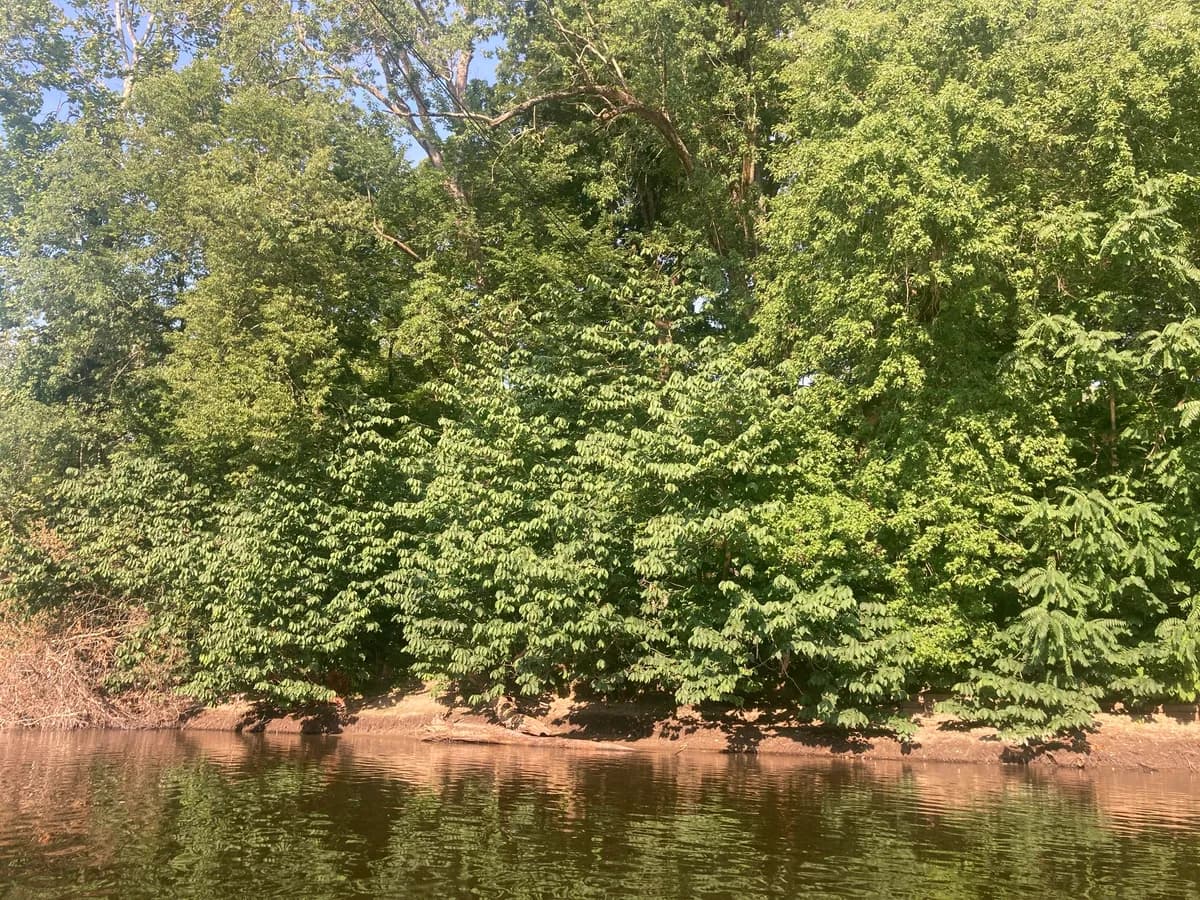
Pawpaw is a native understory tree that produces large, tropical-looking leaves and edible fruit. It grows slowly to 20-40 feet tall with a naturally pyramidal shape when young, spreading into colonies over time through root suckers.
Growing Pawpaw
Grow Pawpaw in part sun and medium water. Mature plants reach 120 to 480 inches tall and spread 120 to 480 inches wide. Expect moderate maintenance to keep it looking intentional in a front yard.
How to care for Pawpaw, by region
How to care for Pawpaw where it is actually grown: year-round basics plus what to do each season, region by region, with the sources for each.
Care guidance last updated: September 2026
Northern Allegheny Plateau (includes Binghamton, NY)
Year-round
General pawpaw (Asimina triloba) care for the Binghamton, NY area: right site, steady moisture, and a few simple handling cautions.
- Give pawpaw part sun to light shade with deep, rich, well drained soil that still holds some moisture. It tolerates occasional wet spots but not standing water.
- Water new trees regularly through the first two growing seasons. Established pawpaws need less help but still want even moisture rather than drought, especially on sandy or gravelly sites.
- Plant two different pawpaw trees or cultivars near each other for more reliable fruit set. A single tree can still grow well, it just may not fruit as heavily.
- Expect root suckers to pop up around the base. Cut or mow them off at ground level if you want a single clean trunk form, this is routine and not a sign of a problem.
- Fruit skin, seeds, leaves and bark contain compounds (acetogenins, including annonacin) that can cause stomach upset if eaten and skin irritation on contact. Wear gloves when handling fruit or pruning, and keep unripe fruit and seeds away from kids and pets.
A single-trunk pawpaw with suckers kept cut back reads as an ordinary small tree, which keeps a front-yard planting HOA-friendly.
Fall
Fall brings harvest, leaf drop, and the first frosts of the season (commonly October in the Binghamton area), which established pawpaw handles well.
- Harvest ripe fruit as it softens and drops, usually from September into early October here, before hard freezes set in.
- Clean up dropped fruit if you want to discourage wasps, raccoons, or other wildlife from lingering near the tree.
- Leaves turn yellow and drop after the first frosts, this is normal seasonal dieback, not a health problem.
- Fall is a good window to plant balled-and-burlapped stock so roots can settle before winter, water it in well before the ground freezes.
Cleaning up dropped fruit keeps the planting tidy and HOA-friendly along a front walk or curb strip.
Winter
Winters in USDA zone 6a around Binghamton bring hard freezes. Established pawpaw is fully dormant and hardy, young trees need a little more protection.
- Established pawpaw is hardy through zone 6a winters with no special protection needed once the tree has a few years of growth.
- Wrap or shield young trunks in their first winter or two if the site is exposed and windy, winter sun and wind can scald thin young bark.
- This is a good window for structural pruning while the tree is dormant and bare, since you can see the branch framework clearly.
- Leave leaf litter and mulch in place over winter, it protects roots through freeze and thaw and breaks down into the soil by spring.
Spring
Spring around Binghamton (USDA zone 6a, last frost typically mid to late May) is for planting, feeding, and watching young trees through late cold snaps.
- Plant balled-and-burlapped or potted pawpaws after the last hard frost, generally mid to late May in this area, once soil has warmed.
- Give new plantings a deep, weekly soaking through spring rather than light frequent sprinkles, this builds the deep root system pawpaw needs.
- A late frost after leaf-out can brown new growth on young trees. This is usually cosmetic, the tree typically pushes new leaves back out within a few weeks.
- Feed established trees in early spring with a balanced fertilizer if growth looks thin, pawpaw is a fairly heavy feeder once established.
Summer
Summer is the main growing and fruit-development season for pawpaw. Steady moisture and a light hand with pests matter most.
- Keep soil evenly moist through summer heat, pawpaw does not tolerate prolonged drought well and can drop fruit if it dries out.
- Mulch 2 to 3 inches around the base to hold moisture and reduce root competition, keep mulch off the trunk itself.
- Watch for the pawpaw peduncle borer, which can damage flower stalks and reduce fruit set. Damage is usually minor and does not need spraying in a home garden.
- Fruit generally ripens from late summer into early fall in this region, it softens and often drops when ready rather than needing to be pulled.
Sources: NC State Extension Gardener Plant Toolbox: Asimina triloba, USDA Forest Service FEIS species review: Asimina triloba, Annonacin in Asimina triloba fruit: implication for neurotoxicity (PubMed), Frost Dates: Binghamton Greater Airport, NY (Garden.org, NOAA 1991-2020 normals) (community tip), Binghamton, New York Hardiness Zones (PlantMaps, 2023 USDA map) (community tip)
Piedmont (includes Atlanta, GA)
Year-round
Baseline light, soil, and pollination needs for pawpaw grown around Atlanta, plus its native and host-plant status.
- Pawpaw is native to Georgia according to the Lady Bird Johnson Wildflower Center's range data, and it's the only plant zebra swallowtail larvae will eat, which makes it a real anchor for an HOA-friendly, wildlife-supporting yard.
- Give young trees light shade for their first year or two. Once established, pawpaw does best in full sun to light shade.
- Keep the soil consistently moist and well-drained, on the acidic side. It doesn't like standing water, but the roots shouldn't dry out either.
- Plant at least two genetically different pawpaw trees if you want fruit. Pawpaw can't pollinate itself, and a single tree usually flowers without setting fruit.
- Expect root suckers to pop up around the base. Prune them off if you want a single clean trunk. Georgia's extension service notes pawpaw is largely free of the diseases that trouble other fruit trees here, and deer tend to leave it alone.
Fall
Harvest timing and yard tidiness tasks for pawpaw as fruit ripens in Atlanta's fall.
- Fruit ripens from September into October in the Atlanta area, softening and turning from yellow-green to brown when it's ready.
- Pawpaw fruit doesn't keep. Plan to eat or process it within a few days of picking, or refrigerate briefly to buy a little time.
- Windfall fruit splits open and draws wasps once it hits the ground, so clear it away every few days if the tree sits near a walkway or patio.
- This is a good time to refresh the mulch ring around the base before winter.
Raking dropped fruit promptly keeps the front yard looking tidy, which matters more for a pawpaw near the street than for one tucked in a back corner.
Winter
Dormant-season care for pawpaw through Atlanta's mild but freeze-prone winter.
- Pawpaw is deciduous and goes fully bare in winter. That's normal, not a sign of trouble.
- Atlanta winters are mild overall but do dip into the 20s some nights. A layer of mulch over the root zone helps buffer a newly planted tree from a hard freeze.
- Prune only for shape or to remove dead wood while the tree is dormant. Pawpaw doesn't need heavy winter pruning.
- Skip extra watering unless it's been an unusually dry stretch. An established tree needs little attention this time of year.
Spring
Bloom timing, late-frost risk, and pollination tips for pawpaw in Atlanta's early spring.
- Pawpaw flowers open in early spring before the leaves come out, small deep maroon blooms that smell faintly rotten to attract flies and beetles instead of bees.
- A late freeze after bloom (Atlanta's last frost typically lands in mid-March) can knock back that year's flowers. There's not much to do but wait it out. The tree itself handles cold fine.
- If you only have one pawpaw and want fruit, you can hand-pollinate with a small paintbrush, moving pollen between two different trees' open flowers.
- Spring, once the soil has warmed and the last frost has passed, is a good time to plant a new pawpaw.
Summer
Watering, heat protection, and pest notes for pawpaw through Atlanta's hot, humid summer.
- Atlanta summers run hot and humid. Water deeply during dry stretches, especially for trees still in their first two years.
- A young tree planted in mostly-sun can scorch in July and August heat. Some afternoon shade helps until it's a few years old.
- You may see zebra swallowtail larvae feeding on the leaves in summer. Leave them alone. Georgia extension notes the feeding causes little damage and doesn't reduce fruit production.
- Watch for the pawpaw peduncle borer, a small moth whose larvae can burrow into the flower stalks. It's a minor, uncommon pest, not something to spray for.
Sources: Lady Bird Johnson Wildflower Center, Native Plant Database, Asimina triloba, NC State Extension Gardener Plant Toolbox, Asimina triloba, UGA Cooperative Extension, DeKalb County, Supporting Native Landscapes with America's Forgotten Fruit
In an HOA neighborhood
Pawpaw takes more care to keep looking intentional in a front yard. Maintenance level: moderate. Consider it for backyard or mid-zone beds rather than the street edge.
Works well in: backyard only.
- Forms colonies through suckers which can look untidy
- Large leaves may appear too informal for front yards
- Fruit drop can create maintenance issues
Wildlife value
Host plant for zebra swallowtail butterfly.
The flowers attract beetles and flies for pollination, while the leaves serve as the exclusive host plant for zebra swallowtail butterfly caterpillars. Birds and mammals enjoy the nutritious fruit in late summer.
Common questions
- When does Asimina triloba bloom?
- Pawpaw flowers open in May and June, appearing before or alongside the leaves on bare branches.
- What pollinates Asimina triloba?
- The maroon flowers have a faint fetid odor that attracts carrion beetles and flies, which serve as the main pollinators.
- How much light and water does pawpaw need?
- Pawpaw grows naturally as an understory tree, so it tolerates part sun, part shade, or deeper shade, and it does best in medium to consistently moist, well drained soil.
- What does Asimina triloba look like?
- It is a small deciduous tree with large drooping leaves and dark maroon, bell shaped flowers that hang from the branches in spring.
- Is Pawpaw toxic to livestock?
- The USDA PLANTS Database does not flag Pawpaw as toxic to livestock.
- Is Pawpaw HOA-friendly?
- Pawpaw takes more care to look intentional in a front yard. Consider it for backyard or mid-zone beds rather than the street edge.
These answers were drafted with an AI model from this plant's data. Verify care details with a local expert.
Native range data from vouchered herbarium specimen records and regional native plant society lists. Pollinator and host plant associations compiled from GBIF, iNaturalist, and published ecological literature.
If something looks wrong
Common plant problems, and what to check first
These come up on almost any plant. Each guide lists the likely causes in the order they are worth ruling out, with one thing to check before you act on any of them, and links to the source it came from.
- It is dying right after planting
- Leaves turning yellow
- Wilting even though I watered it
- Brown crispy leaf tips
- Bugs on the plant
Ready to grow Pawpaw? Add it to your garden in Pollinator Patch to track it and get season-by-season care guidance.