Woodland Goldenrod
Solidago caesia
Last reviewed: September 2026
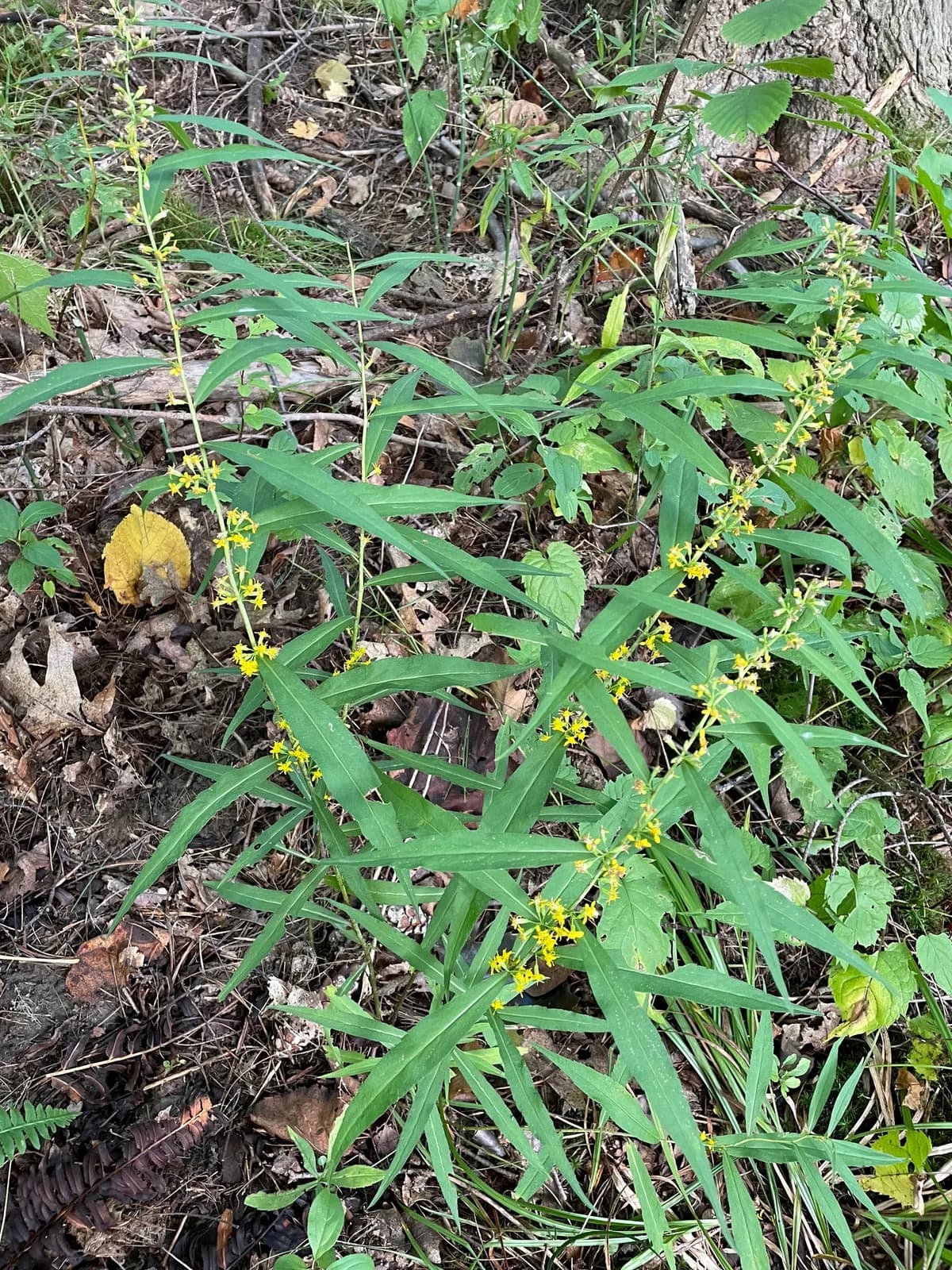
Solidago caesia, or Woodland Goldenrod, blooms from August through October in shaded to partly sunny woodland settings, tolerating medium to fairly dry soil once established.
Toxicity unknown
Woodland Goldenrod (Solidago caesia) is not listed by the ASPCA Animal Poison Control Center (opens in new tab) or the other sources we check, so we have no verdict for it either way. Absence from those lists is not a clearance. If your pet shows symptoms after eating any plant, call the ASPCA at (888) 426-4435.
The USDA PLANTS Database (opens in new tab) does not flag Woodland Goldenrod as toxic to livestock.
Light
part shade
Water
medium
Size
12"–36" H × 12"–24" W
Bloom
Aug, Sep, Oct
Native to
AL, AR, CT, DE and 27 more states
Pollinators
bees, butterflies, beetles
Deer
Resistant (per Prairie Moon Nursery)
Before you buy
Your city may pay you to plant this
Cities and water utilities offer rebates for replacing lawn with native and water-wise plants. We track 452 programs across 44 states, each with a link to the provider and the date we last checked it.
Find rebates in your areaBrowse plants for this ecoregion
Woodland goldenrod is a graceful native perennial that produces delicate sprays of bright yellow flowers along arching stems from late summer through fall. Unlike its more aggressive relatives, this species forms well-behaved clumps and thrives in partial shade conditions. The plant goes dormant in winter, dying back to the ground before emerging fresh in spring.
Growing Woodland Goldenrod
Grow Woodland Goldenrod in part shade and medium water. Mature plants reach 12 to 36 inches tall and spread 12 to 24 inches wide. Expect low maintenance to keep it looking intentional in a front yard.
How to care for Woodland Goldenrod, by region
How to care for Woodland Goldenrod where it is actually grown: year-round basics plus what to do each season, region by region, with the sources for each.
Care guidance last updated: August 2026
Interior Plateau (includes Cincinnati, OH)
Year-round
Blue stemmed goldenrod is native to the wooded ravines and slopes around Cincinnati, where it grows in the dappled shade under oaks and other hardwoods. It forms loose clumps 1 to 3 feet tall with arching stems and small yellow flowers tucked along the stem rather than one large cluster on top.
- Give it part shade to full shade, matching the wooded ravines and slopes where it grows naturally in this region.
- Plant in average to rich soil with good drainage. It handles the clay soils common in the Cincinnati area better with some organic matter worked in.
- It spreads slowly by rhizomes and self seeding into a loose colony rather than taking over a bed.
- Deer browse it only occasionally, and it has no serious pest or disease problems here.
Fall
Bloom season runs from late August into October in the Cincinnati area, with small yellow flower clusters opening along the arching stems as the region's trees begin changing color.
- Flowers open in sequence along the stem's leaf axils, giving weeks of bloom rather than one short burst.
- Deadheading is not necessary. Seed heads feed birds into winter.
- Leave stems standing after bloom instead of cutting back right away.
Leaving the arching stems up after bloom keeps a shaded border looking full and intentional going into fall.
Winter
Top growth dies back after frost, typically by mid October in the Cincinnati area, and the plant goes fully dormant through the region's colder winter.
- Leave dried stems and seed heads standing through winter for structure and for birds.
- No winter protection is needed. It is well within its cold hardiness range in this region.
- Wait for new basal growth in spring before cutting old stems down.
A stand of upright dried stems along a wooded edge reads as deliberate winter structure rather than neglect.
Spring
New growth appears as the soil warms, generally in late April in the Cincinnati area, after this region's typical last frost. This is the time to cut back any dried stems left up for winter and divide crowded clumps.
- Cut old stems to a few inches once new basal growth shows, usually late April into May.
- Divide a clump every 3 to 4 years in early spring if it has outgrown its spot.
- Work compost or leaf mold into heavier clay soil to mimic the rich woodland soil it prefers.
Clearing old stems in spring keeps a shaded bed looking tended as the growing season starts.
Summer
Cincinnati summers bring warm, humid stretches, and this woodland goldenrod does best with some shade during the hottest weeks. It needs little care beyond water during dry spells.
- Afternoon shade helps during the hottest, most humid part of summer here.
- Water during extended dry spells. Established plants otherwise tolerate this region's average rainfall.
- Watch for rust in humid weather. It is usually cosmetic and rarely needs treatment.
Sources: Lady Bird Johnson Wildflower Center, Solidago caesia native range (lists Ohio) and wildlife value, NC State Extension Plant Toolbox, Solidago caesia
Mississippi Alluvial Plain (includes Memphis, TN)
Year-round
Blue stemmed goldenrod is native to the wooded bluffs and bottomland edges around Memphis, where it grows in the shade of hardwood trees. It forms loose clumps 1 to 3 feet tall with arching stems and small yellow flowers tucked along the stem rather than one large cluster on top.
- Give it part shade to full shade, matching the wooded understory where it grows naturally in this region.
- Plant in average to rich soil with good drainage. It handles the humid Mississippi Valley climate better in shade than in full sun.
- It spreads slowly by rhizomes and self seeding into a loose colony rather than taking over a bed.
- Deer browse it only occasionally, and it has no serious pest or disease problems here.
Fall
Bloom season runs from late August into October in the Memphis area, with small yellow flower clusters opening along the arching stems as summer heat eases.
- Flowers open in sequence along the stem's leaf axils, giving weeks of bloom rather than one short burst.
- Deadheading is not necessary. Seed heads feed birds into winter.
- Leave stems standing after bloom instead of cutting back right away.
Leaving the arching stems up after bloom keeps a shaded border looking full and intentional into fall.
Winter
Top growth dies back after frost, typically by early November in the Memphis area, and the plant goes dormant through the region's mild to moderate winter.
- Leave dried stems and seed heads standing through winter for structure and for birds.
- No winter protection is needed. It is well within its cold hardiness range in this region.
- Wait for new basal growth in spring before cutting old stems down.
A stand of upright dried stems along a shaded border reads as deliberate winter structure rather than neglect.
Spring
New growth appears early in the Memphis area, often by late March or April after this region's last frost. This is the time to cut back any dried stems left up for winter and divide crowded clumps.
- Cut old stems to a few inches once new basal growth shows, usually by April in this region.
- Divide a clump every 3 to 4 years in early spring if it has outgrown its spot.
- Mulch to help hold moisture as the region warms quickly into a hot growing season.
Clearing old stems in spring keeps a shaded bed looking tended as the growing season starts.
Summer
Memphis summers are hot and humid, and this woodland goldenrod does best with the relief of shade during the hottest stretch. It needs little care beyond water during dry spells.
- Afternoon shade is especially helpful during this region's hot, humid summer months.
- Water during extended dry spells. Established plants otherwise tolerate this region's average rainfall.
- Watch for rust in humid weather. It is usually cosmetic and rarely needs treatment.
Sources: Lady Bird Johnson Wildflower Center, Solidago caesia native range (lists Tennessee) and wildlife value, NC State Extension Plant Toolbox, Solidago caesia
Northeastern Coastal Zone (includes New York, NY)
Year-round
Blue stemmed goldenrod is a native woodland wildflower in the New York City area, right at home in shaded yards under trees. It grows in loose clumps 1 to 3 feet tall with arching stems and small yellow flowers tucked along the stem instead of one big plume on top, so it reads as tidy and layered rather than wild.
- Give it part shade to full shade. It is one of the few native goldenrods that prefers shade over full sun.
- Plant in average to rich soil with good drainage. It tolerates dry shade once established.
- It spreads slowly by rhizomes and self seeding, forming a loose colony over a few years rather than taking over a bed.
- Deer browse it only occasionally, and it has no serious pest or disease problems in this region.
Fall
This is the plant's main show. Small clusters of yellow flowers open along the arching stems from late August into October in the New York City area, right as many other garden plants are winding down.
- Flowers open in sequence along the stem's leaf axils, giving weeks of bloom instead of one short burst.
- Deadheading is not necessary. Spent flowers turn to seed heads that feed birds into winter.
- Leave the seed heads and stems standing after bloom rather than cutting back right away.
Leaving the arching, leafy stems upright after bloom keeps a shaded bed looking intentional and full going into fall, not bare.
Winter
In the New York City area, top growth dies back after frost, usually by mid to late November, and the plant goes fully dormant until spring.
- Leave the dried stems and seed heads standing through winter for structure and for birds, rather than cutting back in fall.
- No winter protection is needed. It is hardy through this region's winters.
- Wait until you see new growth at the base in spring before cutting the old stems down.
A stand of upright dried stems in a shaded bed reads as a deliberate winter silhouette rather than neglect, especially near a tree line.
Spring
New growth emerges as the ground warms, generally through April in the New York City area, after this region's typical last frost. This is the time to cut back last year's dried stems if you left them up for winter and to divide crowded clumps.
- Cut old stems down to a few inches once new growth is visible at the base, usually in April.
- Divide a clump every 3 to 4 years in early spring if it has spread wider than you want.
- Top dress with compost or leaf mold since it naturally grows in rich woodland soil.
Cutting back old stems in spring keeps a shaded bed looking tended before the growing season starts.
Summer
Through the humid New York summer, blue stemmed goldenrod mostly just grows taller and fills in its foliage. It needs little attention beyond occasional watering during a dry stretch, since established plants tolerate dry shade.
- Water only during extended dry spells. Once established the plant handles average to dry soil on its own.
- No fertilizer is needed in typical garden soil.
- Watch for rust on the foliage in humid summers. It is usually cosmetic and rarely needs treatment.
Sources: Lady Bird Johnson Wildflower Center, Solidago caesia native range and wildlife value, NC State Extension Plant Toolbox, Solidago caesia
Northern Allegheny Plateau (includes Binghamton, NY)
Year-round
Give it part shade and average-to-dry, well-drained soil, and mostly leave it alone. This is one of the lowest-maintenance goldenrods you can plant.
- Plant in part shade to full shade, ideally at a woodland edge or in a shaded bed. It also tolerates full sun in this cooler climate.
- Water it in well at planting, then it's drought tolerant once established and rarely needs supplemental watering beyond normal rainfall.
- Mulch lightly with shredded leaves or bark to hold moisture and suppress weeds, keeping mulch a couple inches off the base of the stems.
- Unlike taller, spreading goldenrods, this species grows in tidy, non-aggressive clumps, so it won't take over a bed.
- The most common mistake is planting it in a wet, poorly drained spot. It prefers soil on the dry side and can struggle in soggy ground.
Its arching, clump-forming habit and part-shade preference set it apart from the taller, spreading goldenrods that give the whole genus a weedy reputation, so it reads as an intentional woodland-edge planting rather than an overgrown patch.
Fall
Fall is the main event: small yellow flowers open along the arching stems from August into October.
- Let it bloom undisturbed. The small yellow flower clusters along the stem are the whole point of this goldenrod.
- Do not deadhead. Spent flowers turn to seed heads that feed birds through fall and into winter.
- This is a strong late-season nectar source for native bees, so leave the flowers up for as long as pollinators are active.
- No fall cutback needed. Let the plant go into winter as is.
Winter
Leave the stems standing through Binghamton's snowy winter and clean up in early spring instead.
- Leave the dried stems and seed heads standing through winter. They provide shelter for overwintering insects and food for birds.
- No winter mulch is needed beyond what naturally falls, and snow cover offers its own insulation here.
- Avoid walking on or compacting the area over winter, since that can damage dormant crowns.
- Cut old stems back to a few inches in late winter or early spring, before new growth starts.
Spring
Spring is planting and division season, and new growth is slow to show, so mark where you put it.
- Plant or divide clumps in spring once the ground has thawed and dried out, typically late April to May in Binghamton.
- New shoots emerge later than many perennials. Don't assume it died if you don't see growth right away.
- Water new plantings through any dry spring stretches while roots establish.
- Weed around young plants, since they take a season or two to fill in and shade out competition.
Summer
Summer is a quiet season for this plant here. It's building energy for its fall bloom.
- Expect mostly foliage growth through summer, with purplish arching stems developing but no flowers yet.
- Water during extended dry spells, particularly for plants still establishing.
- It handles Binghamton's cooler summers well and doesn't need extra shade protection the way it might in a hotter climate.
- Leave it be. This is a low-maintenance plant that doesn't need deadheading or staking through summer.
Sources: Lady Bird Johnson Wildflower Center - Solidago caesia, NC State Extension Gardener Plant Toolbox - Solidago caesia
Southeastern Plains (includes Tallahassee, FL)
Year-round
Blue stemmed goldenrod is native as far south as the Florida panhandle, including the Tallahassee area, where it grows in the shade of oak and hickory woods. It forms loose clumps 1 to 3 feet tall with arching, blue green stems and small yellow flowers set along the stem rather than one big cluster on top.
- In this region's heat, give it part shade to full shade rather than full sun. It is a woodland plant that struggles in reflected summer heat.
- Plant in average to rich, well drained soil. It handles this region's humidity better in shade than in sun.
- It spreads slowly by rhizomes and self seeding, staying in a manageable clump rather than taking over a bed.
- It has no serious pest or disease problems here, though rust can show up in humid weather.
Fall
This is bloom season, with small yellow flower clusters opening along the arching stems typically from September into November in the Tallahassee area, later than in cooler parts of its range.
- Expect bloom to run later into fall here than in northern parts of its range, often into November before this region's first frost.
- Deadheading is not necessary. Let the seed heads stand for foraging birds.
- Leave stems upright after bloom rather than cutting back right away.
Leaving the upright flowering stems through fall keeps a shaded bed looking full and intentional as this region's long growing season winds down.
Winter
Winters in the Tallahassee area are mild, with the first frost typically arriving by mid November. Top growth dies back after a hard frost, but many years bring only light dieback rather than a hard freeze.
- Leave dried stems standing through winter for structure and for birds, since this region rarely gets hard freezes.
- No winter protection is needed here. The plant is well within its cold hardiness range in this area.
- Cut back old growth once you see new basal growth in late winter or early spring.
A stand of dried stems in a shaded corner still reads as tended structure through this region's mild winter, rather than neglect.
Spring
Growth resumes early in the Tallahassee area, often by late February or March in this mild climate. This is the time to cut back any stems left up for winter interest and divide crowded clumps before summer heat sets in.
- Cut old stems back to a few inches once new basal growth appears, typically by March in this region.
- Divide an overgrown clump in early spring, before late spring heat arrives.
- Mulch to help hold moisture as temperatures climb early in this region's growing season.
Clearing old stems in late winter or early spring keeps a shaded bed looking tended before this region's early spring growth flush.
Summer
Tallahassee summers are hot and humid, and this woodland goldenrod does best with the relief of shade during the hottest stretch. It needs little care beyond occasional water during dry spells.
- Full or part shade is especially important here. Afternoon shade protects the foliage from summer heat stress.
- Water during dry spells, but established plants otherwise tolerate this region's humidity and rainfall without extra help.
- Watch for rust or other fungal spotting in humid summer months. It is usually cosmetic.
Sources: Lady Bird Johnson Wildflower Center, Solidago caesia native range (lists Florida) and wildlife value, NC State Extension Plant Toolbox, Solidago caesia
Southwestern Appalachians (includes Chattanooga, TN)
Year-round
Blue stemmed goldenrod is native to the woodlands around Chattanooga, naturally found on shaded slopes, bluffs, and forest edges much like the region's own ridge and valley terrain. It grows in loose clumps 1 to 3 feet tall with arching stems and small yellow flowers along the stem rather than one large cluster on top.
- Give it part shade to full shade, matching the woodland edges and bluffs where it grows naturally in this region.
- Plant in average to rich soil with good drainage. It tolerates the rocky, well drained soils common on Chattanooga's slopes and ridges.
- It spreads slowly by rhizomes and self seeding into a loose colony rather than taking over a bed.
- Deer browse it only occasionally, and it has no serious pest or disease problems here.
Fall
Bloom season runs from late August into October in the Chattanooga area, with small yellow flower clusters opening along the arching stems as the region's canopy begins to turn.
- Flowers open in sequence along the stem's leaf axils, giving weeks of bloom rather than one short burst.
- Deadheading is not necessary. Seed heads feed birds into winter.
- Leave stems standing after bloom instead of cutting back right away.
Leaving the arching stems up after bloom keeps a shaded border looking full and intentional into fall.
Winter
Top growth dies back after frost, typically by late October to early November in the Chattanooga area, and the plant goes dormant until spring.
- Leave dried stems and seed heads standing through winter for structure and for birds.
- No winter protection is needed. It is hardy through this region's winters.
- Wait for new basal growth in spring before cutting old stems down.
A stand of upright dried stems near a wooded edge reads as deliberate winter structure rather than neglect.
Spring
New growth appears as the ground warms, generally through April in the Chattanooga area, after this region's typical last frost. This is the time to cut back any dried stems left up for winter and divide crowded clumps.
- Cut old stems to a few inches once new growth shows at the base, usually in April.
- Divide a clump every 3 to 4 years in early spring if it has spread wider than wanted.
- Mulch with leaf litter or compost, similar to the leaf litter it grows in naturally on wooded slopes here.
Clearing old stems in spring keeps a shaded bed looking tended as the growing season starts.
Summer
Chattanooga summers are warm and humid, and this woodland plant does best with the relief of some shade during the hottest weeks. It needs little care beyond water during dry spells.
- Afternoon shade helps protect the foliage during the hottest, most humid stretch of summer here.
- Water during extended dry spells. Established plants otherwise tolerate this region's average summer rainfall.
- Watch for rust in humid weather. It is usually cosmetic and rarely needs treatment.
Sources: Lady Bird Johnson Wildflower Center, Solidago caesia native range (lists Tennessee) and wildlife value, NC State Extension Plant Toolbox, Solidago caesia
Texas Blackland Prairies (includes Dallas, TX)
Year-round
Bluestem goldenrod is a woodland goldenrod that stays clumping and does not run, so it is one of the easier goldenrods to keep tidy in a front yard. In the Dallas area the main job is giving it a spot with afternoon shade and steady moisture in fast-draining soil, since the local heat and heavy clay are harder on it than the eastern woods it comes from.
- Establishment: water deeply once or twice a week the first full growing season so the roots reach down into the clay, then it can handle short dry spells on its own.
- Watering once established: give it a deep soak during long Dallas summer dry stretches, especially if it gets any midday sun, because it wilts faster than sun-loving prairie goldenrods.
- Mulch: keep two to three inches of shredded leaf or bark mulch over the root zone to hold moisture and keep the clay cooler, but pull it back an inch from the stems.
- Common mistake: planting it in full afternoon sun in heavy clay that stays wet after storms, which stresses the plant and invites crown rot; pick a part-shade spot with good drainage instead.
Fall
Fall is the payoff, with arching stems of small yellow flowers from late summer into mid-fall around Dallas. After bloom you decide whether to leave the seed heads for birds or tidy them for the front yard.
- Enjoy the bloom, then deadhead spent flower clusters if you want to keep it looking neat and cut down on self-seeding.
- This goldenrod is clump-forming and not aggressive, so light self-seeding is easy to manage by pulling stray seedlings in spring.
- If you prefer a tidy front-yard look going into winter, cut the stems back after frost; if you want to feed birds, leave the seed heads standing.
Reads as intentional and helps avoid a violation letter: deadheading the spent flowers and cutting back after frost keeps the front-yard planting looking cared for rather than weedy.
Winter
Winters in the Dallas area are mild, so this plant is fully hardy and needs almost nothing. The only choice is whether to cut it back now or leave the stems standing until spring.
- The plant is cold-hardy well below Dallas winter lows, so no winter protection is needed.
- You can cut the dead stems down now for a clean look, or leave them standing through winter and cut back in early spring; both are fine.
- This is a good non-toxic choice for households with pets, as true goldenrod (Solidago) is not on the ASPCA toxic plant list; do not confuse it with rayless goldenrod (Isocoma), a different plant the ASPCA lists as toxic.
Reads as intentional and helps avoid a violation letter: if you leave the stems standing over winter, a quick trim of any flopped or broken stems keeps the winter silhouette looking deliberate rather than neglected.
Spring
Spring is cleanup and feeding time in the Dallas area. Cut back last year's dead stems, refresh the mulch, and let the new basal growth come up before the summer heat sets in.
- Cut the old dead stems down to a few inches once you see fresh green growth at the base, usually February into March around Dallas.
- Top off mulch to two or three inches now so the soil holds spring rain moisture heading into the hot months.
- If the clump has gotten crowded after a few years, early spring is the time to lift and divide it while the weather is still cool.
Summer
Summer in the Dallas area is about keeping this woodland plant from cooking. Watch for wilting in the heat and keep the roots cool and watered so it stays healthy for its late-summer bloom.
- During long dry, hot spells, give it a deep soak once or twice a week, more if it gets any afternoon sun.
- Keep the mulch layer intact through summer to shade the clay and slow evaporation.
- You can pinch the stem tips back once in early summer to keep the arching stems shorter and less floppy before bloom, but this is optional.
Sources: Missouri Botanical Garden Plant Finder Solidago caesia, North Carolina Extension Gardener Plant Toolbox Solidago caesia, ASPCA Toxic and Non-Toxic Plants Rayless Goldenrod
Want these tasks as reminders timed to your yard? Pollinator Patch turns this guidance into a season-by-season care plan for the plants you actually grow.
In an HOA neighborhood
Woodland Goldenrod is an HOA-friendly choice. Maintenance level: low. Tidiness: 4 out of 5.
Works well in: front yard, foundation, mid zone.
- Goes completely dormant in winter
- May need labeling as intentional planting
Wildlife value
Host plant for wavy-lined emerald.
This goldenrod is a valuable late-season nectar source for bees, butterflies, and beneficial beetles when few other flowers are blooming. The seeds also provide food for goldfinches and other songbirds in fall and winter.
Common questions
- When does Woodland Goldenrod bloom?
- Solidago caesia generally flowers from August into October, later than many other goldenrods.
- What pollinators visit Woodland Goldenrod?
- Bees, butterflies, and beetles are common visitors to the small yellow flower clusters produced along the arching stems.
- How much light does Woodland Goldenrod need?
- It grows best in part shade but tolerates conditions from part sun down to fairly deep shade, reflecting its origin as a forest floor plant.
- How much water does Woodland Goldenrod need?
- It does well with medium soil moisture and can tolerate drier conditions once its root system is established.
- Is Woodland Goldenrod evergreen?
- No, it is a deciduous herbaceous perennial that dies back to the ground each winter and regrows from its rootstock in spring.
- Is Woodland Goldenrod toxic to livestock?
- The USDA PLANTS Database does not flag Woodland Goldenrod as toxic to livestock.
- Is Woodland Goldenrod HOA-friendly?
- Woodland Goldenrod is generally an HOA-friendly choice in the right placement, with low maintenance.
These answers were drafted with an AI model from this plant's data. Verify care details with a local expert.
Native range data from vouchered herbarium specimen records and regional native plant society lists. Pollinator and host plant associations compiled from GBIF, iNaturalist, and published ecological literature.
If something looks wrong
Common plant problems, and what to check first
These come up on almost any plant. Each guide lists the likely causes in the order they are worth ruling out, with one thing to check before you act on any of them, and links to the source it came from.
- It is dying right after planting
- Leaves turning yellow
- Wilting even though I watered it
- Brown crispy leaf tips
- Bugs on the plant
Ready to grow Woodland Goldenrod? Add it to your garden in Pollinator Patch to track it and get season-by-season care guidance.
Planning a bed around it? Start a free plan with this plant
Not sure where to start? Take the 2-minute yard quiz