Field Thistle
Cirsium discolor
Last reviewed: September 2026
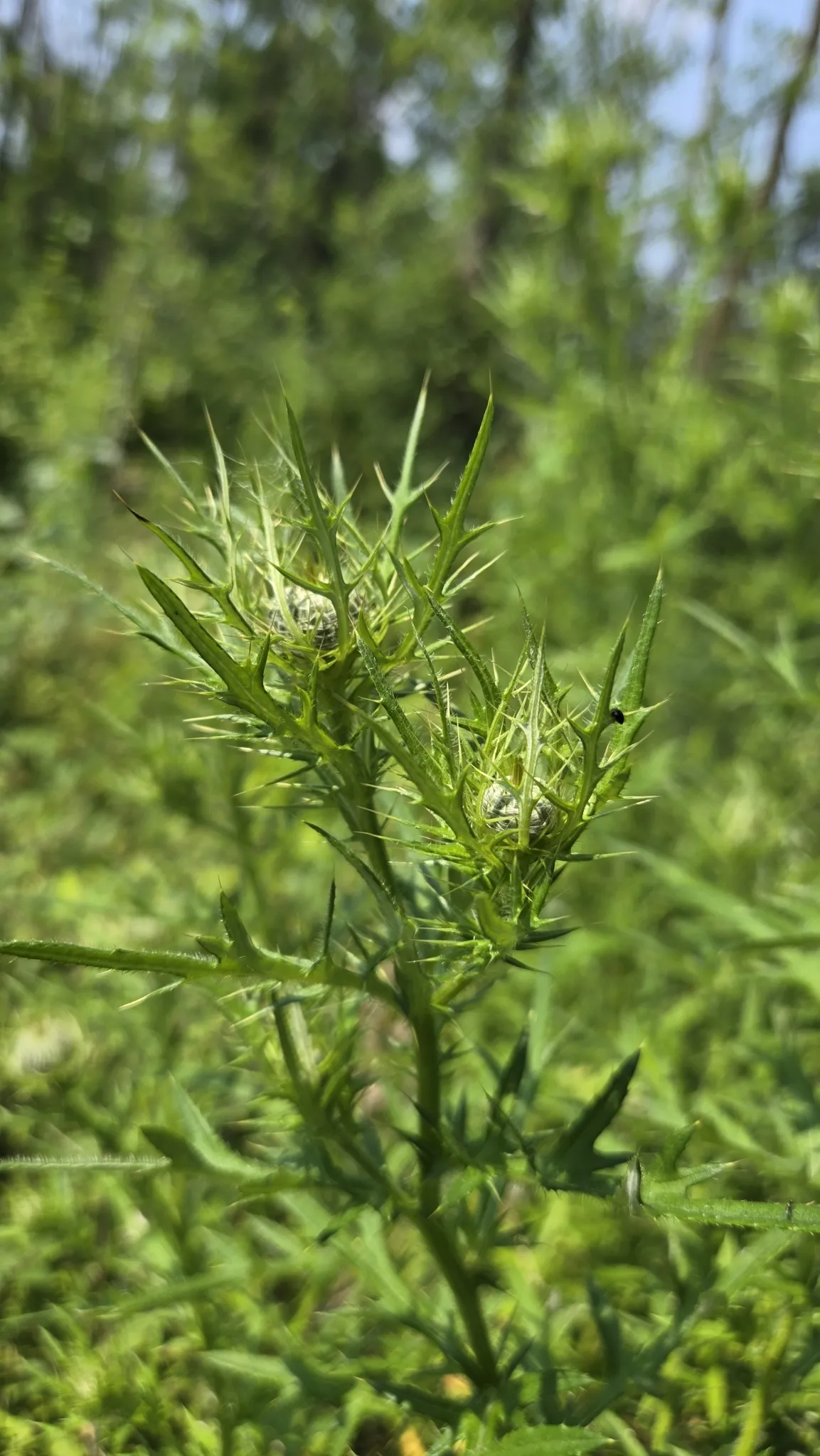
Field thistle (Cirsium discolor) is a tall biennial forb that blooms from June through September, producing pink to lavender flower heads that draw bees, butterflies, and moths.
Toxicity unknown
Field Thistle (Cirsium discolor) is not listed by the ASPCA Animal Poison Control Center (opens in new tab) or the other sources we check, so we have no verdict for it either way. Absence from those lists is not a clearance. If your pet shows symptoms after eating any plant, call the ASPCA at (888) 426-4435.
Light
full sun
Water
medium
Size
24"–60" H × 12"–24" W
Bloom
Jun, Jul, Aug, Sep
Native to
AL, AR, CT, DE and 27 more states
Pollinators
bees, butterflies, moths
Before you buy
Your city may pay you to plant this
Cities and water utilities offer rebates for replacing lawn with native and water-wise plants. We track 459 programs across 44 states, each with a link to the provider and the date we last checked it.
Find rebates in your areaPicture natives in your own yard
Upload a photo of your yard and Patch Vision shows a rendering of it planted with natives for your region, like Field Thistle.


Browse plants for this ecoregion
Field thistle is a tall native wildflower with spiny stems and purple flower heads that bloom from summer into fall. This robust perennial can reach 5 feet tall and spreads moderately in sunny locations with average moisture.
Growing Field Thistle
Grow Field Thistle in full sun and medium water. Mature plants reach 24 to 60 inches tall and spread 12 to 24 inches wide. Expect low maintenance to keep it looking intentional in a front yard.
How to care for Field Thistle, by region
How to care for Field Thistle where it is actually grown: year-round basics plus what to do each season, region by region, with the sources for each.
Care guidance last updated: August 2026
Cross Timbers (includes Fort Worth, TX)
Year-round
Field thistle is a tall biennial pollinator plant that tolerates Fort Worth's heavy clay, but it is not confirmed native to North Texas, so grow it as an added pollinator plant rather than a local wildflower.
- Field thistle's core native range is the eastern half of the US and Canada. The University of Texas's own native plant database does not include Texas in its list of native states for this species, so treat it as a non-native addition here, not a local wildflower.
- It grows as a biennial: a low rosette of leaves the first year, then a flowering stalk 2.5 to 6 feet tall the second year before the plant finishes its life cycle.
- It has one taproot and does not spread by underground runners the way the invasive Canada thistle does, so it stays where you plant it and only spreads by seed.
- Fort Worth sits at the eastern edge of the Grand Prairie, where the clay soil runs alkaline and can be 40 to 60 percent clay. Field thistle tolerates both loam and heavy clay, and does best in full to part sun.
It grows 5 to 6 feet tall with spiny leaves, so place it toward the back of a bed instead of along a front walkway or under a window.
Fall
Fall is when spent flower stalks go to seed. Decide whether to deadhead for a tidier look or leave seed heads for the birds.
- Goldfinches and other seed-eating birds favor the seed heads, so leaving some spent blooms standing feeds them into fall.
- This species self-seeds readily, so if you want to keep it from spreading around the bed, cut spent flower stalks back after bloom and before the seed heads open.
- Fort Worth's average first fall freeze lands around late November, per National Weather Service records, and second-year plants finish their life cycle around then.
Cutting the spent flower stalks back in fall keeps the bed looking tended instead of leaving tall dried stalks up through winter, worth doing if the plant is visible from the street.
Winter
Winters in Fort Worth are mild enough that first-year rosettes need no special protection.
- First-year rosettes overwinter as low clumps of leaves at ground level and do not need mulching or covering in Fort Worth's winters.
- Second-year plants finish their life cycle by winter. Clear out the dried stalks once they are fully brown, or leave them a bit longer if birds are still working the seed heads.
- Fort Worth's average last freeze does not arrive until mid March, per National Weather Service records, so hold off on spring cleanup or new planting until after that.
Spring
Spring is planting season in Fort Worth. Get first-year rosettes in the ground once the last freeze has passed.
- Fort Worth's average last spring freeze falls around mid March, per National Weather Service records for the Dallas-Fort Worth area, so hold off on planting tender starts until after that.
- Set new plants or seed in a sunny bed with average to slightly dry soil. Once established, the plant tolerates Fort Worth's clay reasonably well.
- A first-year plant is just a rosette of leaves close to the ground this spring. It will not send up a flower stalk until its second year, so do not expect blooms yet.
Summer
Summer is bloom season for second-year plants, which draw bees, butterflies, and hummingbirds through Fort Worth's hottest months.
- Second-year plants bloom pink to purple roughly June through September, right through Fort Worth's hottest stretch.
- The flowers are a strong nectar source for bees, butterflies, and moths, and they draw hummingbirds too.
- The Lady Bird Johnson Wildflower Center lists this species as a larval host plant for Painted Lady butterflies, so caterpillars showing up on the leaves during bloom season is a sign the plant is doing its job, not a pest problem.
- Water new second-year growth during dry stretches. Once established, plants handle Fort Worth's dry summer spells better than most garden perennials.
Sources: Lady Bird Johnson Wildflower Center, Cirsium discolor (Field thistle) plant profile, Prairie Moon Nursery, Cirsium discolor (Pasture Thistle) growing guide, USDA NRCS, Official Series Description: Houston Black soil, National Weather Service Fort Worth/Dallas, DFW average freeze dates, USDA Forest Service, Plant of the Week: Cirsium discolor
Texas Blackland Prairies (includes Dallas, TX)
Year-round
Field thistle is a tall biennial that handles Dallas's dense Blackland Prairie clay well, but it is not confirmed native to North Texas, so treat it as an added pollinator plant, not a local wildflower.
- This species' native range centers on the eastern US and Canada. The University of Texas's native plant database does not list Texas among its native states, so in the Dallas area it is best treated as a garden addition rather than a native wildflower.
- It is biennial: leaves form a ground-level rosette the first year, then a flowering stalk 2.5 to 6 feet tall shoots up the second year before the plant completes its life cycle.
- It grows from a single taproot rather than spreading underground like the invasive Canada thistle, so it stays put and only spreads where its seed lands.
- Most Dallas County soil is Houston Black clay, the state soil of Texas, which is 40 to 60 percent clay and part of the Blackland Prairie. Field thistle tolerates both loam and heavy clay and wants full to part sun.
At 5 to 6 feet tall with spiny leaves, it reads as a back-of-bed plant, not one for the front edge of a walkway or under a window.
Fall
Fall brings seed set. Decide between deadheading for a neater look or leaving seed heads for goldfinches.
- Goldfinches and other seed-eaters feed on the seed heads, so leaving some spent blooms up into fall gives them a food source.
- The plant self-seeds readily, so cut spent flower stalks back after bloom and before seed heads open if you want to control where new plants pop up next year.
- The Dallas-Fort Worth area's average first fall freeze lands around late November per National Weather Service normals, which is roughly when second-year plants finish out.
Cutting spent stalks back after bloom keeps a front-facing bed looking tended instead of leaving tall brown stalks standing through winter.
Winter
Dallas winters are mild enough that overwintering rosettes need no extra protection.
- First-year rosettes sit low to the ground through winter and do not need mulch or covering in Dallas's typical winter lows.
- Second-year plants have finished their life cycle by winter. Clear the dried stalks once fully brown, or leave them a little longer if birds are still feeding on the seed heads.
- The Dallas-Fort Worth area's average last freeze is not until mid March per National Weather Service normals, so hold spring cleanup and new planting until after that.
Spring
Spring is when to get first-year plants established in Dallas, once the risk of freeze has passed.
- The Dallas-Fort Worth area's average last spring freeze is around mid March according to National Weather Service normals, so wait until after that to plant out nursery starts.
- Choose a full to part sun spot with average to slightly dry soil. The plant tolerates Dallas's heavy clay once it is past the seedling stage.
- In its first spring, expect only a rosette of leaves at ground level. It skips flowering until its second year.
Summer
Second-year plants bloom through Dallas's hot summer, pulling in bees, butterflies, moths, and hummingbirds.
- Bloom runs roughly June through September, spanning Dallas's hottest and most humid stretch of the year.
- Flowers produce heavy nectar that draws bees, butterflies, and moths, with hummingbirds visiting as well.
- The Lady Bird Johnson Wildflower Center documents this species as a larval host plant for Painted Lady butterflies, so finding caterpillars on the leaves in summer means the plant is working as intended, not that something is wrong.
- Deep-water second-year plants during dry spells. Mature plants otherwise tolerate Dallas's summer dry stretches better than many garden perennials.
Sources: Lady Bird Johnson Wildflower Center, Cirsium discolor (Field thistle) plant profile, Prairie Moon Nursery, Cirsium discolor (Pasture Thistle) growing guide, USDA NRCS, Official Series Description: Houston Black soil, National Weather Service Fort Worth/Dallas, DFW average freeze dates, USDA Forest Service, Plant of the Week: Cirsium discolor
In an HOA neighborhood
Field Thistle takes more care to keep looking intentional in a front yard. Maintenance level: low. Consider it for backyard or mid-zone beds rather than the street edge.
Works well in: backyard only.
- Spiny appearance looks aggressive
- Name includes 'thistle' which has negative associations
- Can appear weedy and unkempt to traditional gardeners
Wildlife value
The purple blooms are magnets for native bees, butterflies, and moths throughout the long flowering season. Seeds provide food for goldfinches and other birds in fall and winter.
Common questions
- When does Field Thistle bloom?
- Field thistle typically flowers from June into September, with pink to pale purple flower heads opening over a long summer stretch.
- What pollinators visit Field Thistle?
- Bees, butterflies, and moths regularly visit the nectar-rich flower heads of field thistle during its summer bloom period.
- What growing conditions does Field Thistle prefer?
- It grows best in full sun to part sun with medium to low soil moisture, and is often found in old fields, meadows, roadsides, and open woodland edges.
- Is Field Thistle a perennial?
- Field thistle is typically biennial, forming a low rosette of leaves in its first year and sending up a tall flowering stalk in its second year before setting seed.
- How tall does Field Thistle grow?
- Mature plants commonly reach three to six feet tall, with a stout, spiny stem topped by branching flower heads.
- Is Field Thistle HOA-friendly?
- Field Thistle takes more care to look intentional in a front yard. Consider it for backyard or mid-zone beds rather than the street edge.
These answers were drafted with an AI model from this plant's data. Verify care details with a local expert.
Native range data from vouchered herbarium specimen records and regional native plant society lists. Pollinator and host plant associations compiled from GBIF, iNaturalist, and published ecological literature.
If something looks wrong
Common plant problems, and what to check first
These come up on almost any plant. Each guide lists the likely causes in the order they are worth ruling out, with one thing to check before you act on any of them, and links to the source it came from.
- It is dying right after planting
- Leaves turning yellow
- Wilting even though I watered it
- Brown crispy leaf tips
- Bugs on the plant
Ready to grow Field Thistle? Add it to your garden in Pollinator Patch to track it and get season-by-season care guidance.