One word changes everything when it comes to HOAs and native landscaping: intentional. A yard that looks "natural" can read as "neglected." A yard that looks "intentional" (with clear borders, consistent spacing, and layered heights) signals that someone designed this on purpose.
That distinction is often the difference between a compliment and a complaint letter. The plants don't change. The perception does.
Why "natural" triggers HOA attention
HOA boards aren't plant experts. They're pattern matchers. When they drive by your house, they're not identifying species. They're scanning for visual cues that say "maintained" or "neglected."
"Natural" landscaping often lacks the visual signals boards are trained to look for: clean lines, color grouping, and height control. Without those, even a healthy native garden can look like someone stopped mowing and walked away. As we've written before, HOAs don't hate native plants. They hate chaos.
The irony is that many "natural" gardens take significant effort. The effort just isn't visible from the street, which is where HOAs form their first impressions.
What "intentional" actually looks like
"Intentional" isn't a style. It's a set of design cues. When your yard has them, it reads as designed from the curb. When it doesn't, it reads as random, regardless of what's planted.
The difference comes down to structure. Structure matters more than plant choice because it's what HOAs actually evaluate, even if they don't realize that's what they're doing.
Five design cues that signal "intentional"
- Borders: Define where landscaping starts and stops. Clean edges are the single strongest signal of care. Learn more in our guide to mulch, edging, and visibility.
- Spacing: Consistent gaps between plants show deliberate placement, not random scattering.
- Height layering: Shorter plants near the street, medium in the middle, taller near the house. This creates visual order from any angle.
- Mulch: Fresh mulch between plants signals ongoing maintenance. Bare soil signals the opposite.
- Repetition: Planting the same species in groups creates rhythm. Three clusters of the same sage reads as a pattern; three different plants reads as confusion.
These cues are what landscaping professionals call "cues of care": visible signals that someone is actively managing the space. Our guide covers them in depth.
Same plants, different reaction
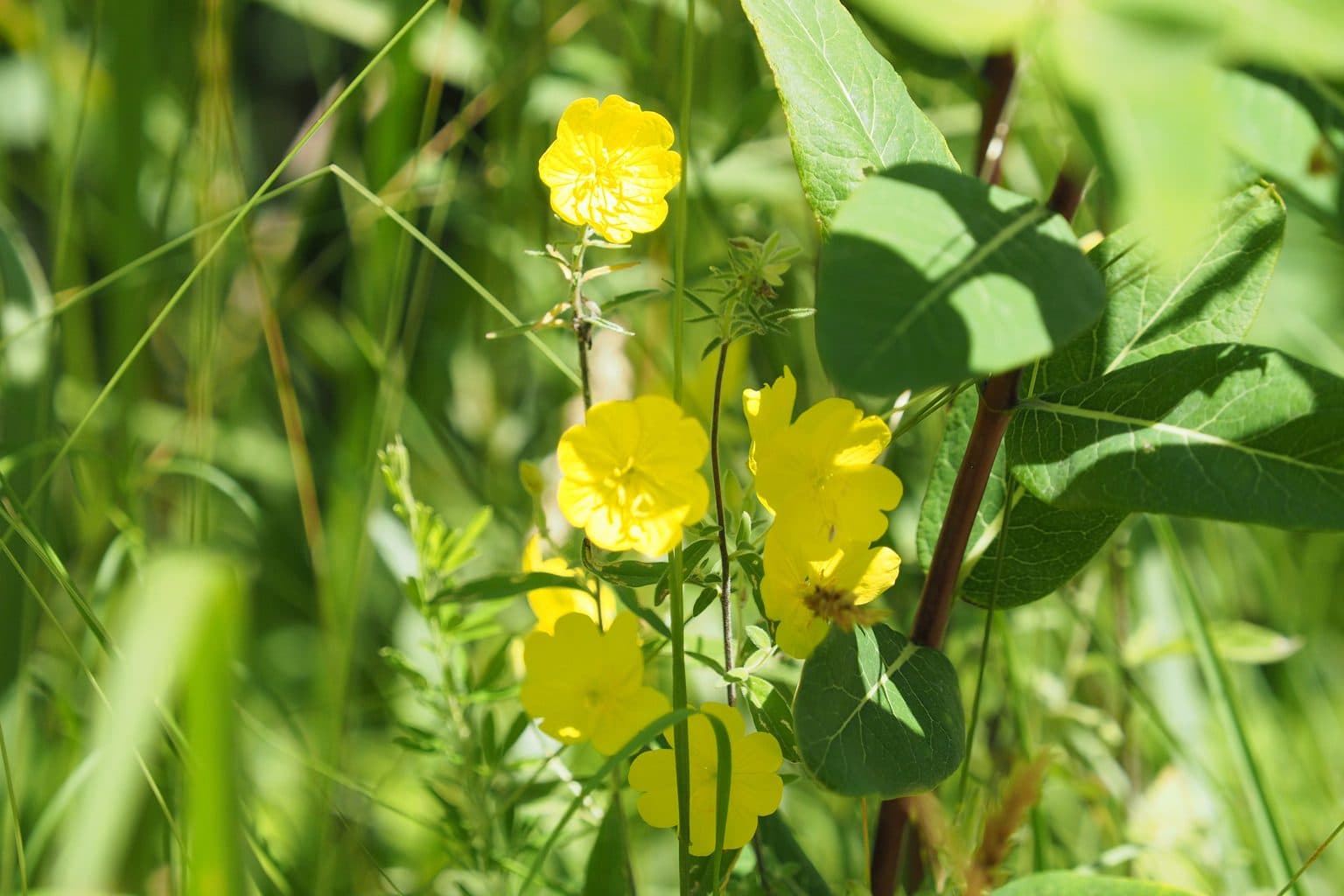
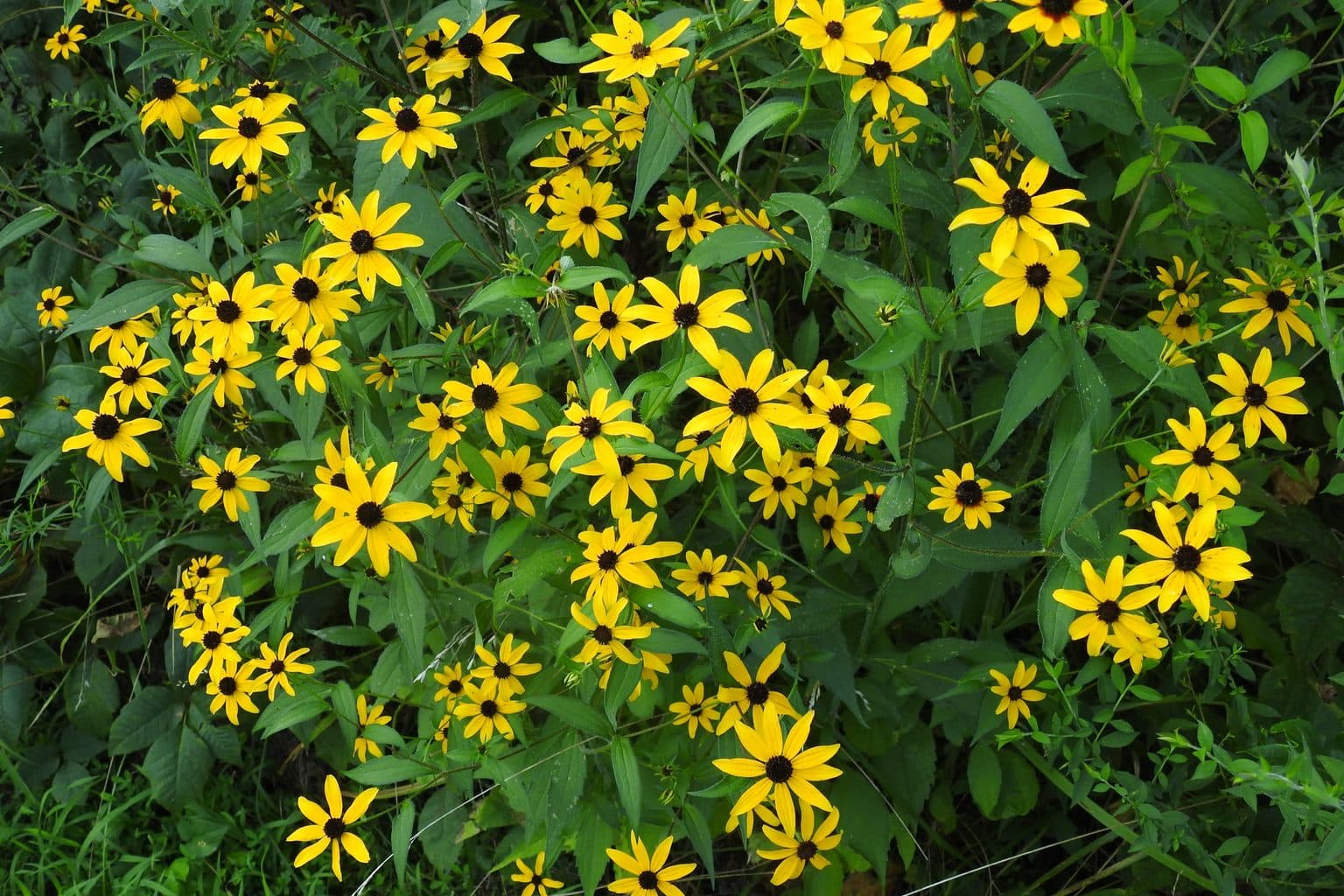
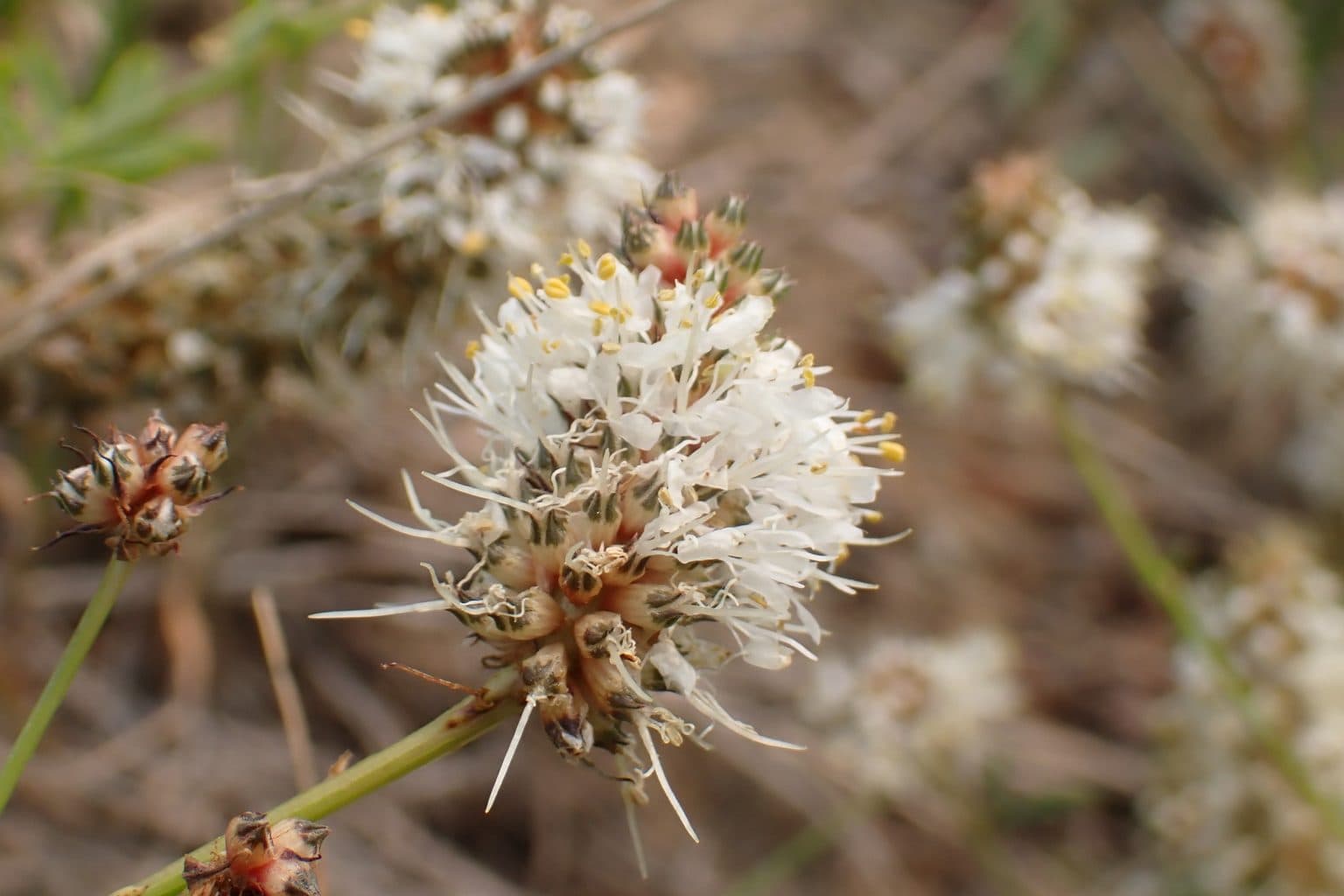
Imagine two front yards with the exact same native plants: mealy blue sage, autumn sage, blackfoot daisy, and purple coneflower.
Yard A: "Natural"
- Plants are mixed together randomly throughout the bed
- No clear border: plants blend into the lawn
- Tall coneflowers are near the sidewalk, shorter daisies are in back
- Bare soil visible between plants
- It looks like a meadow (beautiful up close, but confusing from the curb)
Yard B: "Intentional"
- Plants are grouped by species: three sage together, then three daisies
- Clean metal edging defines the bed
- Daisies (low) near the street, sage (medium) in the middle, coneflowers (tall) near the house
- Fresh brown mulch between all plants
- It looks like someone planned this, which they did
Same plants. Same cost. Same ecological value. Completely different HOA reaction. Yard B follows the principles HOAs respond to, not because the homeowner caved, but because the design was smarter.
How to shift from "natural" to "intentional"
If your native garden already exists, you don't need to start over. Small structural changes can transform how it reads from the street:
- Add edging. Metal or stone edging along bed borders creates an instant visual boundary. This single change makes the biggest difference.
- Refresh mulch. Two to three inches of fresh brown mulch fills gaps and signals care.
- Move tall plants back. If tall species are near the street or sidewalk, transplant them toward the house. Keep low-growing plants in the front zone.
- Group by species. If plants are scattered, consolidate: move same-species plants next to each other to create color blocks.
- Maintain the edges. Seasonal edge cleanup is the most effective ongoing maintenance for HOA perception. See our maintenance checklist for a month-by-month plan.
One simple step this week
Stand at the curb and look at your front yard from 50 feet away. Ask yourself: does it look intentional, or does it look natural?
If it looks natural, pick one cue to add: an edge, a mulch refresh, or a height rearrangement. One change is often enough to shift the entire perception.
The takeaway
"Natural" and "intentional" can use the exact same plants. The difference is structure: borders, spacing, height layering, mulch, and repetition. When those cues are present, your native yard sends a clear message: "Someone designed this on purpose." That's what keeps HOAs comfortable.
Want help making your native yard look intentional?
Pollinator Patch helps homeowners design structured, HOA-conscious native landscaping plans, with borders, height layering, and plant selection built in from the start.