Shrubs give a yard structure. They define borders, screen views, and provide year-round presence. The question many Texas homeowners face: native shrubs or ornamentals? Both can work in HOA neighborhoods. The difference is water use, wildlife value, and how much maintenance you want long term.
Key takeaways
- Cenizo, Yaupon Holly, Texas Mountain Laurel, Autumn Sage, and Wax Myrtle are HOA-friendly native shrubs for Texas.
- Native shrubs need less water and fertilizer once established. Ornamentals often need replacement every few years.
- Placement and pruning matter more than species. A well-maintained native shrub reads as intentional.
- Texas Mountain Laurel seeds are toxic. Keep away from areas where kids or pets might eat them.
Native shrubs evolved for Texas heat, drought, and soil. Once established, they need far less water and fertilizer than most ornamentals. And they support local pollinators and birds in ways that imported species don't. Ornamentals like Nandina or Ligustrum can spread aggressively; many Texas natives stay where you put them.
HOA-friendly native shrubs for Texas
These natives have tidy forms that fit conventional landscaping expectations:
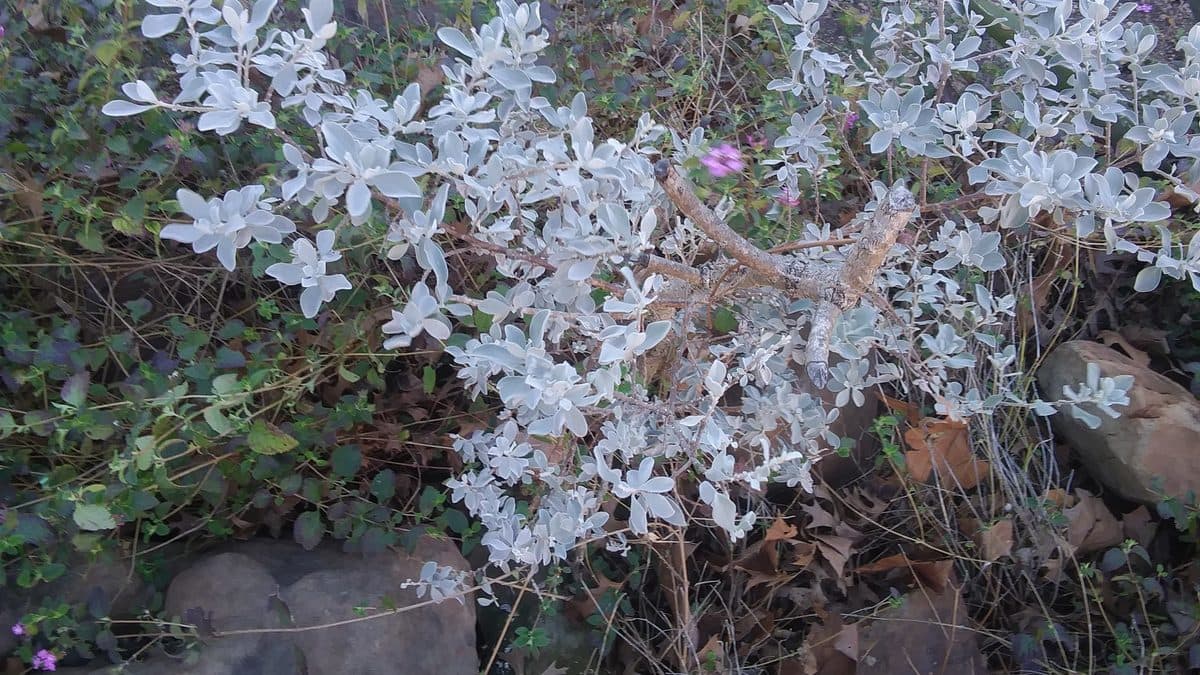
- Cenizo / Texas Sage (Leucophyllum frutescens): Silvery foliage, purple blooms after rain. 4-6 feet, rounded. Zero supplemental water once established.
- Yaupon Holly (Ilex vomitoria): Evergreen, berries for birds. Can be pruned into a neat hedge or left more natural. Drought-tolerant.
- Texas Mountain Laurel (Dermatophyllum secundiflorum): Slow-growing, evergreen, fragrant purple blooms in spring. Compact to 10-15 feet. Toxic seeds; keep away from areas where kids or pets might eat them.
- Autumn Sage (Salvia greggii): Semi-evergreen, 2-3 feet. Long bloom season. Hummingbird magnet. Naturally mounding.
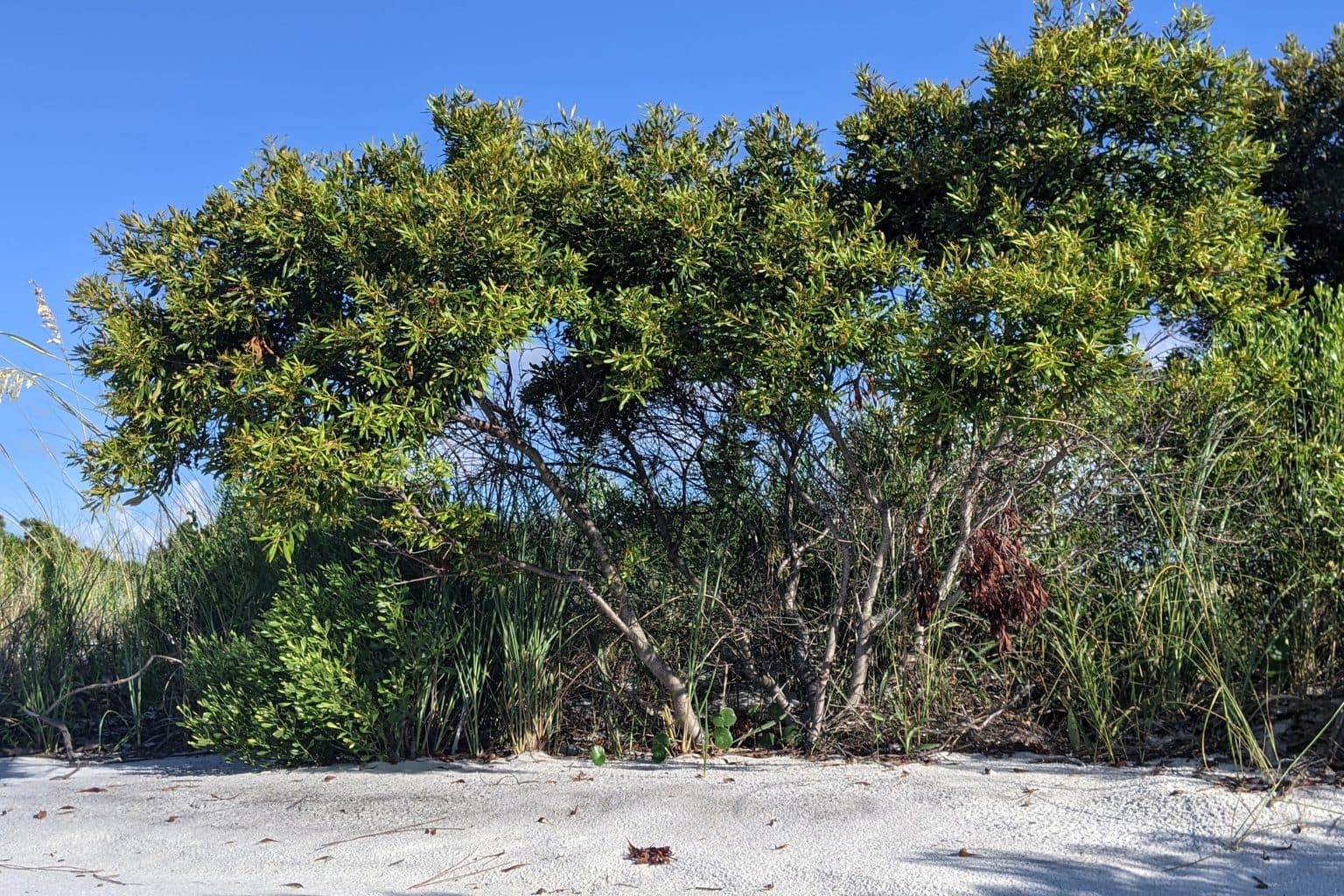
- Wax Myrtle (Morella cerifera): Evergreen, 6-12 feet. Good screen. Berries for birds. Tolerates wet and dry.
For more on native vs ornamental tradeoffs, see native plants vs ornamental landscaping.
Placement and pruning
Placement and pruning matter more than species. A well-maintained native shrub reads as intentional. A neglected one reads as overgrown, regardless of whether it's native or ornamental. For design cues that signal care, see our cues of care guide.
Shrubs near the street should stay tidy. Prune for shape once or twice a year. Keep them away from sidewalks so they don't obstruct passage.
Where to learn more
The Native Plant Society of Texas (NPSOT) (opens in new tab) has regional plant lists and chapter events where you can see shrubs in person. The Lady Bird Johnson Wildflower Center (opens in new tab) in Austin offers a native plant database and public gardens to visit.
For city-specific picks, see our guides for Austin, Dallas, and San Antonio.
Ready to plan a shrub layer for your native yard?
Pollinator Patch helps you pick plants by region and design for structure.