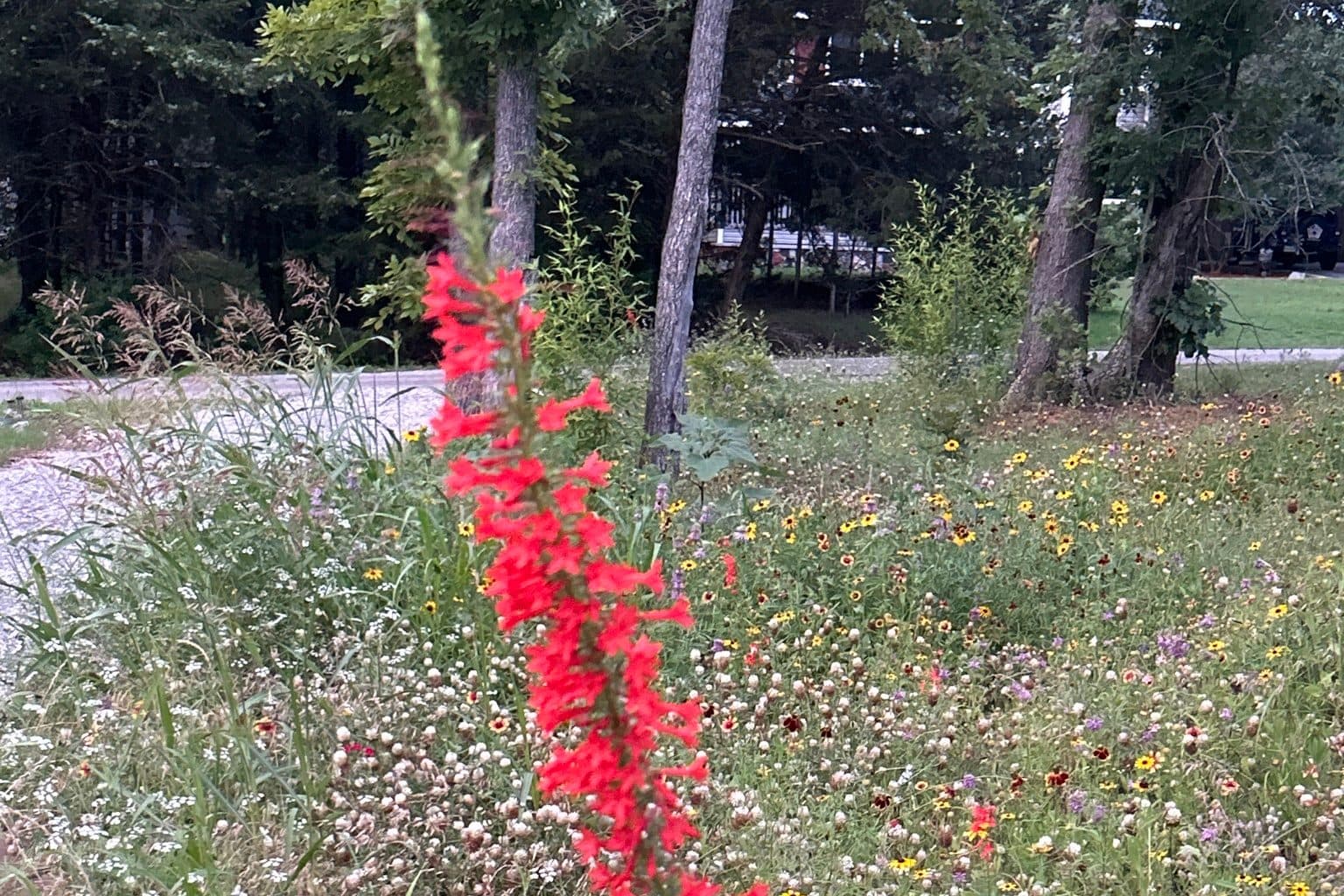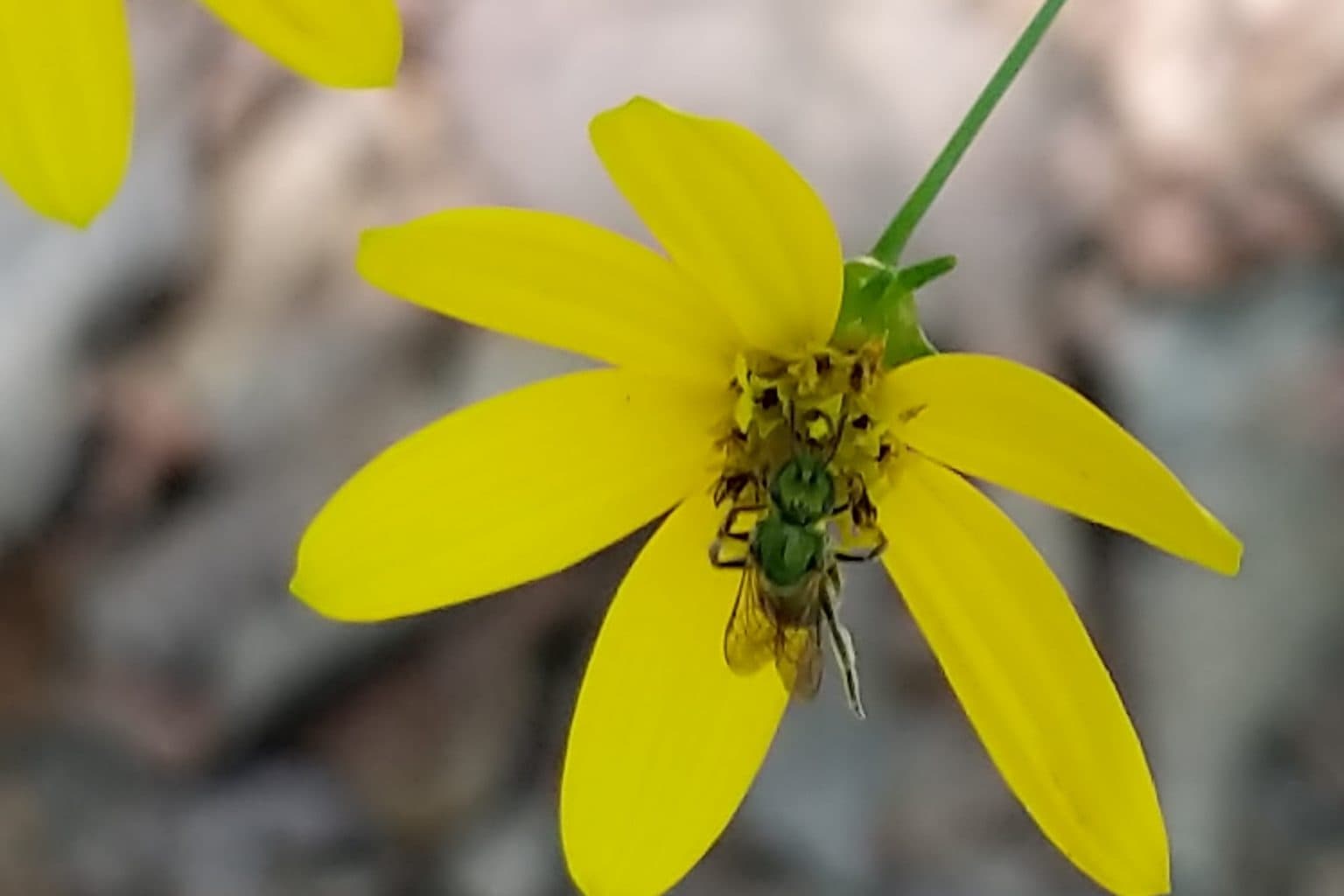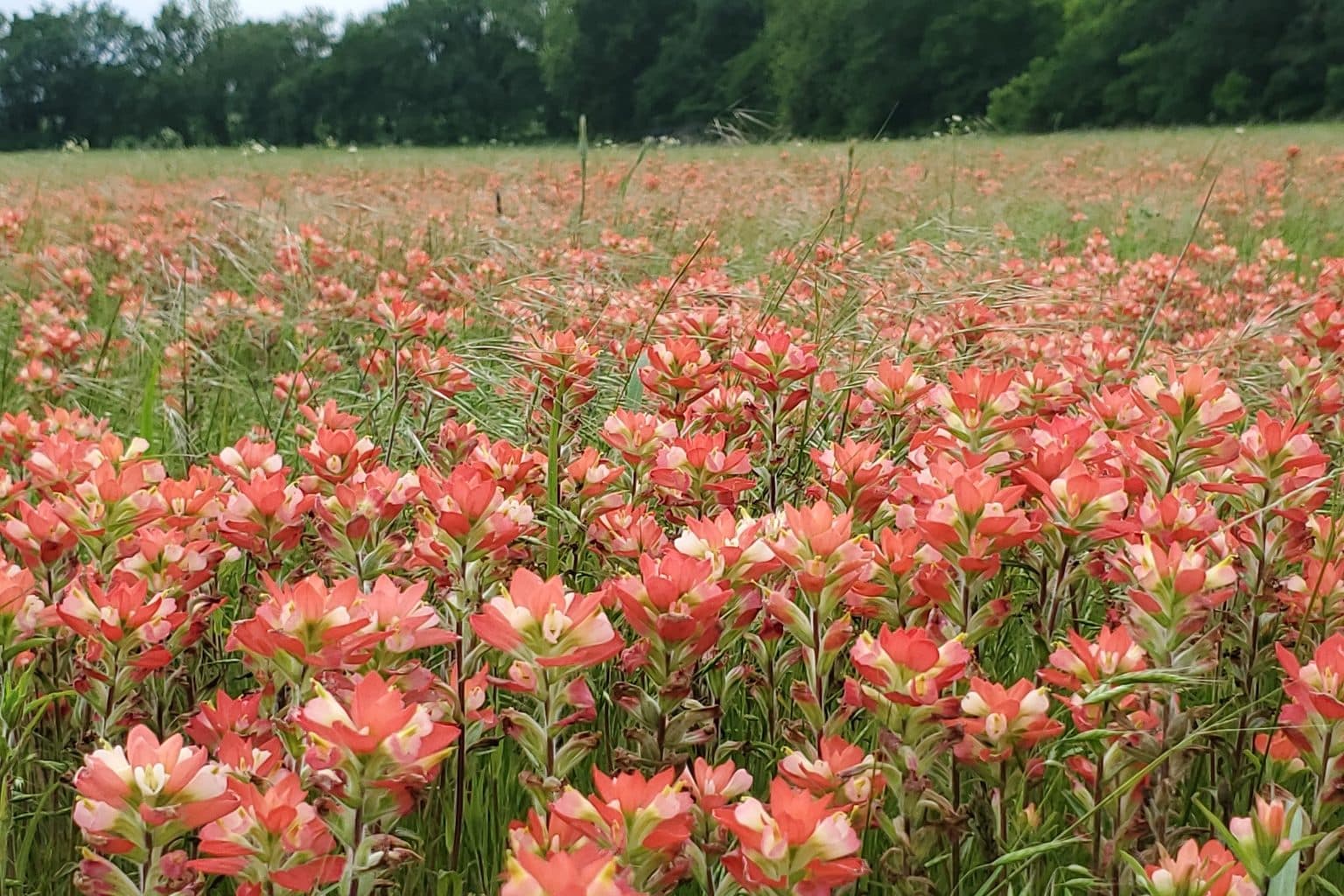
Texas is home to over 5,000 native plant species, but you don't need a botany degree to pick the right ones for your front yard. The best native plants for Texas front yards share a few traits: they handle heat, need little supplemental water once established, maintain a tidy form, and look attractive from the curb for most of the year.
This list focuses on species that work across multiple Texas ecoregions, from the Blackland Prairie through the Edwards Plateau and into the Cross Timbers. Each entry includes mature size, bloom time, sun and water needs, and notes on HOA-conscious placement.
Low-growing plants (under 2 feet): front of bed, near sidewalks
1. Blackfoot Daisy (Melampodium leucanthum)
- Size: 6-12 inches tall, 12-18 inches wide
- Bloom: White daisy-like flowers, March through November
- Sun/Water: Full sun, very low water
- Why it works: Compact mounding form, nearly year-round bloom, thrives in rocky or alkaline soils. One of the most HOA-friendly natives because it stays tidy without pruning.
2. Frogfruit (Phyla nodiflora)
- Size: 2-4 inches tall, spreading ground cover
- Bloom: Tiny white-pink flowers, spring through fall
- Sun/Water: Full sun to part shade, low to moderate water
- Why it works: Excellent lawn alternative or bed filler. Tolerates foot traffic. Heavily used by native bees and small butterflies. Stays flat and green.
3. Prairie Verbena (Glandularia bipinnatifida)
- Size: 6-12 inches tall, 18-24 inches wide
- Bloom: Purple clusters, March through October
- Sun/Water: Full sun, low water
- Why it works: Low, spreading habit fills bed edges with color. Drought-tough and reseeds gently. Excellent butterfly nectar source.
4. Butterfly Weed (Asclepias tuberosa)
- Size: 12-24 inches tall, 12-18 inches wide
- Bloom: Bright orange clusters, May through September
- Sun/Water: Full sun, low water (needs good drainage)
- Why it works: Monarch host plant with a compact, upright form that doesn't flop. The bright orange flowers are a front-yard showpiece.
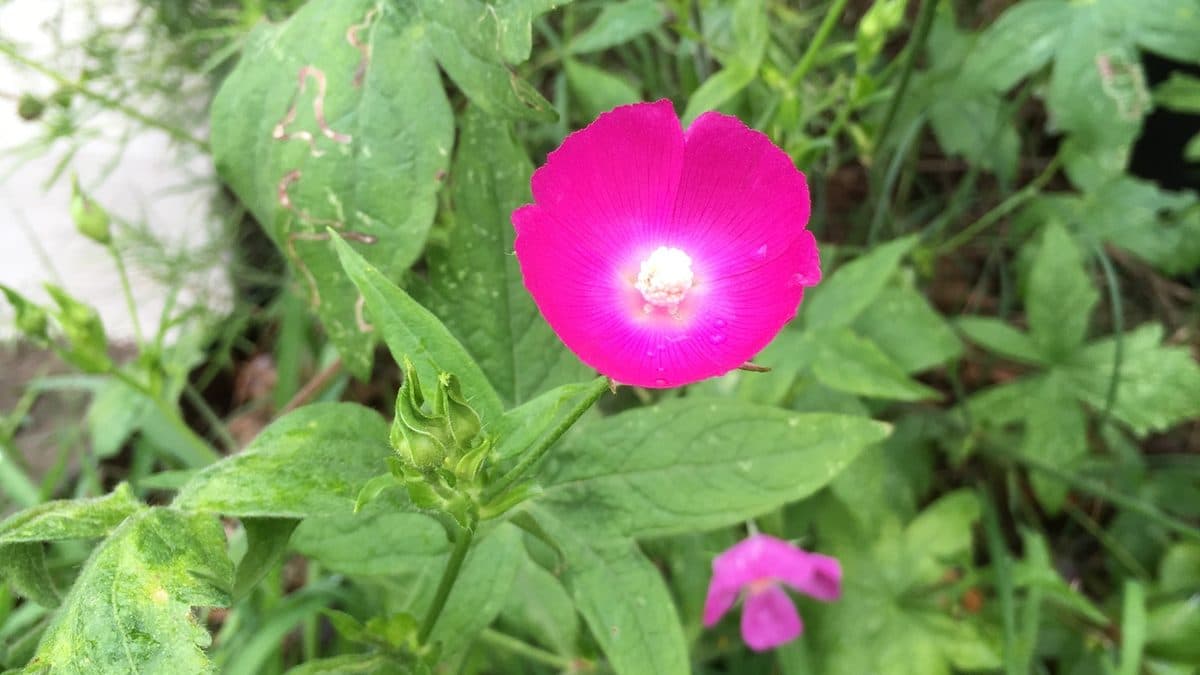
5. Winecup (Callirhoe involucrata)
- Size: 6-12 inches tall, trailing to 3 feet wide
- Bloom: Magenta cup-shaped flowers, March through June
- Sun/Water: Full sun, low water
- Why it works: Low trailing habit makes it a natural bed edge softener. Vivid early-season color when most gardens are still waking up.
Mid-height plants (2-4 feet): middle of beds
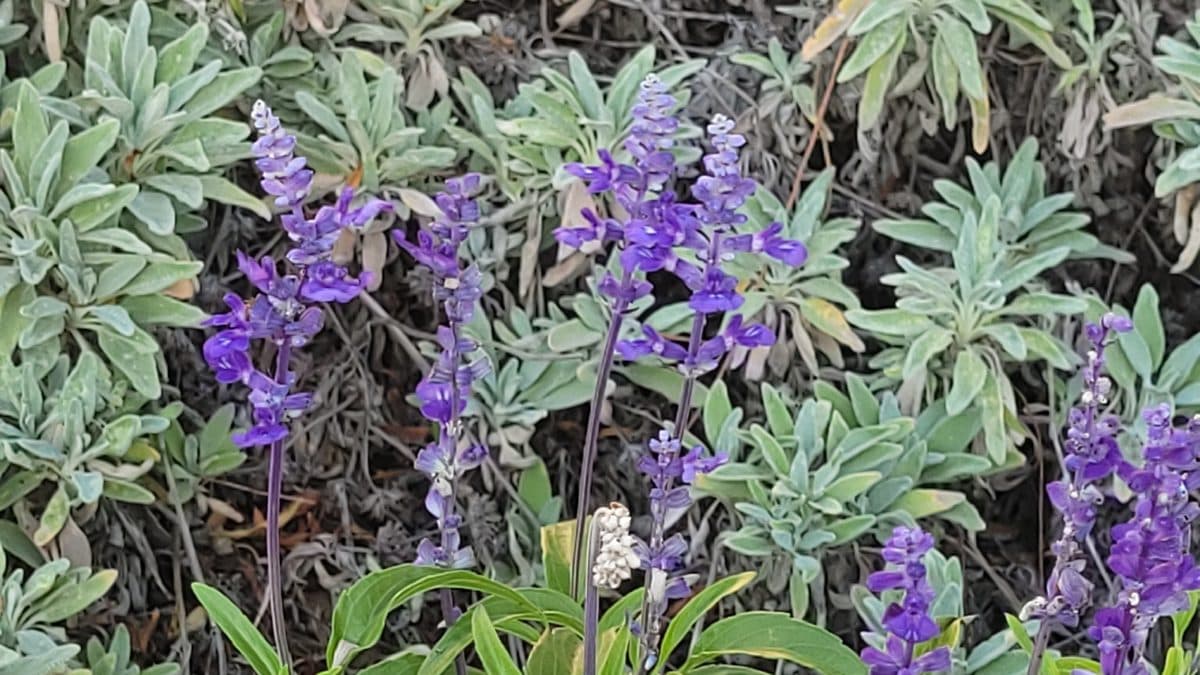
6. Mealy Blue Sage (Salvia farinacea)
- Size: 2-3 feet tall, 18-24 inches wide
- Bloom: Blue flower spikes, April through November
- Sun/Water: Full sun to light shade, low water
- Why it works: Upright form, extremely long bloom season, and strong pollinator attraction. Holds its shape well without staking. One of the most versatile Texas natives for front yards.
7. Black-eyed Susan (Rudbeckia hirta)
- Size: 1-3 feet tall, 12-18 inches wide
- Bloom: Yellow-gold daisy flowers, June through October
- Sun/Water: Full sun, low to moderate water
- Why it works: Instantly recognizable, cheerful, and long-blooming. Reseeds to fill gaps naturally. Seed heads provide winter interest and bird food.
8. Purple Coneflower (Echinacea purpurea)
- Size: 2-4 feet tall, 18-24 inches wide
- Bloom: Pink-purple ray flowers, June through August
- Sun/Water: Full sun to part shade, low to moderate water
- Why it works: Architectural seed cones provide winter structure. Deeply familiar to most homeowners, which helps with HOA perception. Strong pollinator draw.
9. Autumn Sage (Salvia greggii)
- Size: 2-3 feet tall, 2-3 feet wide
- Bloom: Red, pink, coral, or white flowers, spring through frost
- Sun/Water: Full sun, very low water
- Why it works: Semi-evergreen, naturally mounding shape, and an incredibly long bloom period. Hummingbird magnet (more options in our Texas hummingbird plants guide). Comes in multiple colors for design flexibility.
10. Gregg's Mistflower (Conoclinium greggii)
- Size: 2-3 feet tall, 3-4 feet wide
- Bloom: Blue-purple clusters, late summer through fall
- Sun/Water: Full sun to part shade, low to moderate water
- Why it works: Critical late-season nectar source for migrating monarchs. Fills in quickly and creates a clean mass planting effect. Spreads by runners. Contain in defined beds.
Tall and background plants (4+ feet): back of beds, near the house
11. Flame Acanthus (Anisacanthus quadrifidus var. wrightii)
- Size: 3-5 feet tall, 3-4 feet wide
- Bloom: Red-orange tubular flowers, May through frost
- Sun/Water: Full sun to part shade, very low water
- Why it works: Extremely drought-tough, attracts hummingbirds all season, and can be pruned into a tidy shape. Dies back in hard freezes but regrows quickly.
12. Cenizo / Texas Sage (Leucophyllum frutescens)
- Size: 4-6 feet tall, 4-5 feet wide
- Bloom: Purple or pink flowers after summer rains
- Sun/Water: Full sun, zero supplemental water once established
- Why it works: Evergreen silvery foliage provides year-round structure. Blooms after rain events, earning the nickname "barometer bush." Naturally rounded form needs minimal pruning. One of the most HOA-friendly large natives.
13. Turk's Cap (Malvaviscus arboreus var. drummondii)
- Size: 3-5 feet tall, 3-5 feet wide
- Bloom: Red turban-shaped flowers, May through November
- Sun/Water: Part shade to full shade, moderate water
- Why it works: One of the few showy Texas natives that thrives in shade. Hummingbird favorite. Red berries attract birds in fall. Good for north-facing foundation beds.
Native grasses: structure and movement
14. Gulf Muhly Grass (Muhlenbergia capillaris)
- Size: 3-4 feet tall (with plumes), 2-3 feet wide
- Bloom: Pink cloud-like plumes, October through November
- Sun/Water: Full sun, low water
- Why it works: Spectacular fall color when most flowers are done. Provides year-round texture and movement. Cut back once in late winter. Naturally tidy clumping form.
15. Lindheimer Muhly (Muhlenbergia lindheimeri)
- Size: 3-5 feet tall (with plumes), 3-4 feet wide
- Bloom: Silver-tan plumes, September through November
- Sun/Water: Full sun, very low water
- Why it works: Larger than Gulf Muhly with a more architectural presence. Excellent as a back-of-bed anchor or property line screen. Evergreen in mild winters.
How to combine these plants in a front yard
You don't need all 15. A strong front-yard planting uses 5-8 species arranged by height:
Sample Texas native front yard combo
- Front edge: Blackfoot Daisy + Prairie Verbena (low, colorful border)
- Middle: Mealy Blue Sage + Autumn Sage (upright form, long bloom)
- Back: Cenizo + Gulf Muhly Grass (structure, year-round presence)
- Accent: Butterfly Weed in groups of 3 (orange pop, monarch support)
Group each species in clusters of 3-5 plants rather than alternating individual plants. Repetition creates a deliberate, designed look that reads well from the street.
Where to find Texas native plants
Not every garden center stocks true native species. Look for:
- Native plant nurseries: Specializing in straight species (not cultivars). Texas examples include Native American Seed, Leaf Landscape Supply (Austin), and Madrone Nursery.
- Native plant sales: Many Texas Master Naturalist chapters, Audubon societies, and native plant societies hold annual sales with locally sourced stock.
- Big box stores (with caution): Some carry native species, but check labels carefully. Avoid neonicotinoid-treated plants if you're planting for pollinators.
When possible, buy plants grown from seed collected in your region. Locally sourced genotypes establish faster and do a better job supporting local pollinators.
Ready to plan a native front yard for Texas?
Pollinator Patch helps you pick the right native plants for your specific Texas region, with layout suggestions and HOA-conscious design cues built in.