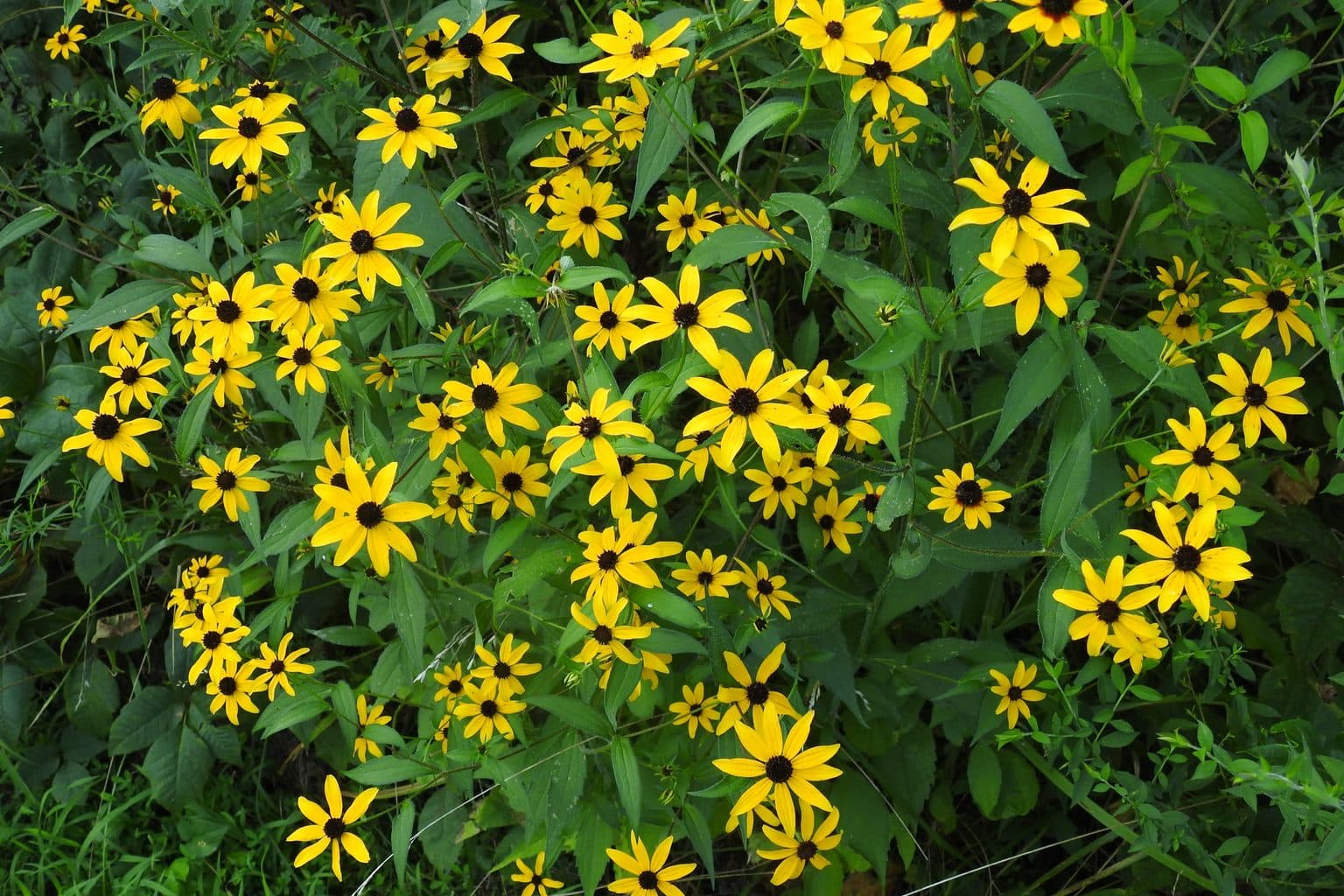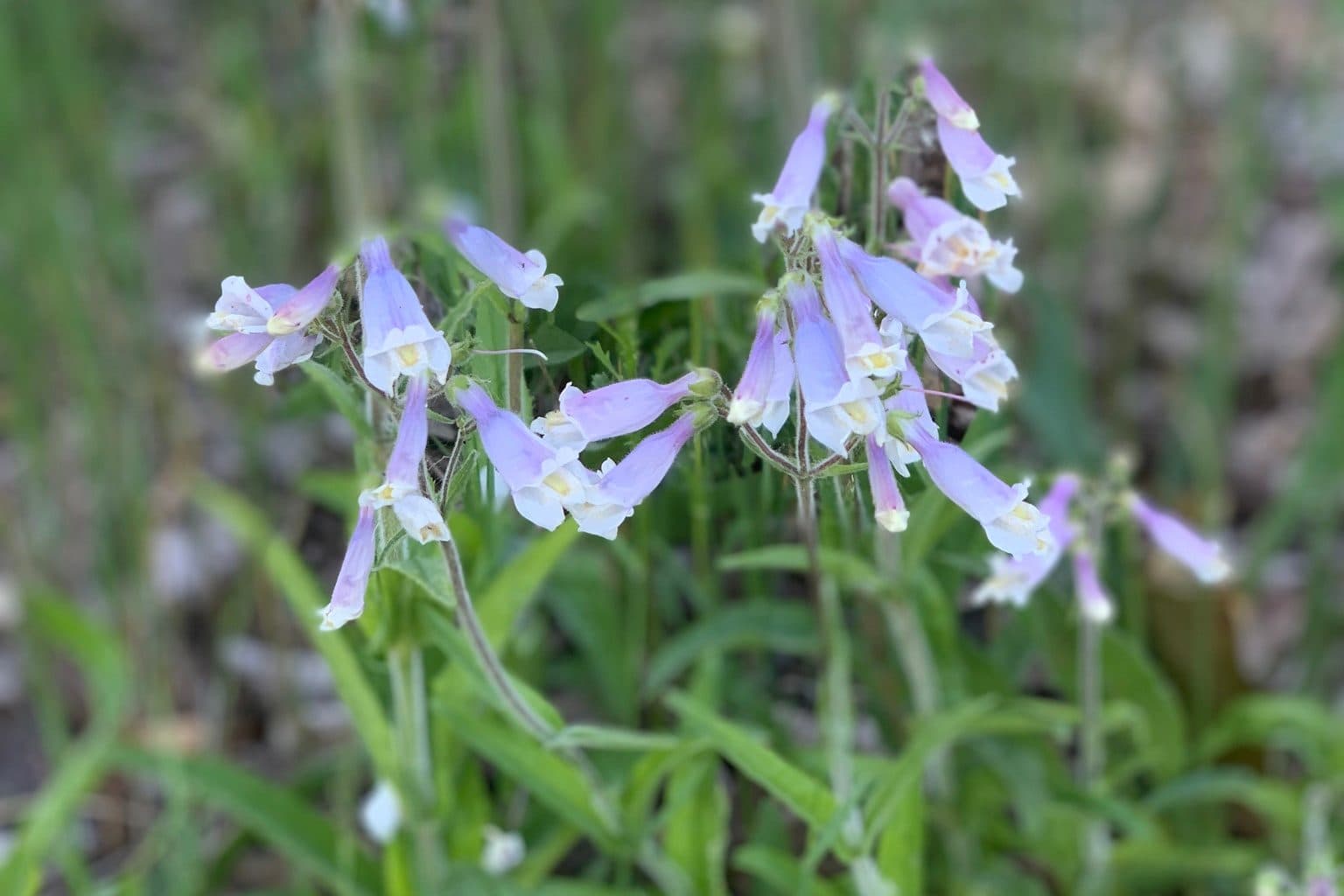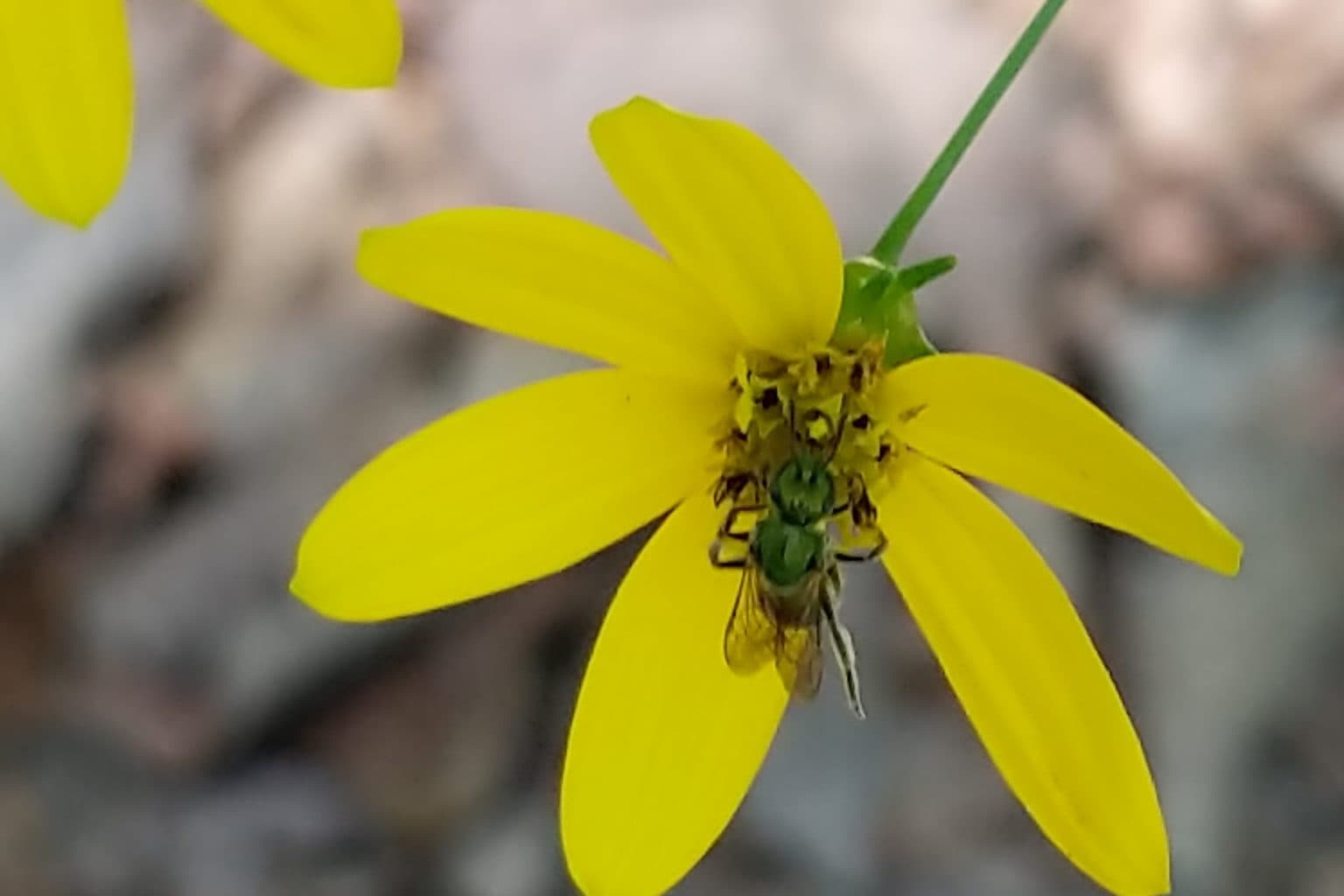
One of the biggest myths in native landscaping is that pollinators require wild, unstructured gardens.
They don't.
Butterflies, bees, and birds care about plant function, not visual chaos. HOAs care about visual order, not ecological intent. The two can coexist, if design comes first.
Why "wild-looking" yards get flagged
HOAs tend to flag yards that show:
- Tall or flopping plants near sidewalks
- No clear border or edge
- Too many different plants competing visually
- Irregular growth that looks unmanaged
Even highly beneficial pollinator plants can trigger complaints if they're placed without structure.
Plant traits that pass HOAs more often
Some native plants work better in HOA settings because of how they grow.
HOA-conscious traits include:
- Upright or compact growth habits
- Mature heights under three feet near street edges
- Plants that hold their shape without flopping
- Species that look tidy even outside of peak bloom
These traits reduce visual risk before maintenance ever comes into play.
Placement matters more than the plant itself
The same plant can pass or fail depending on where it's placed.
Best practices:
- Use lower plants along sidewalks and driveways
- Place taller plants near the house or behind borders
- Group plants in repeated clusters instead of mixing randomly
- Keep host plants inside defined beds, not scattered
This allows pollinator plants to function ecologically while reading as intentional landscaping.
Butterflies don't need chaos
Butterflies need host plants.
Bees need nectar sources.
Neither requires a yard that looks unmanaged.
A calm, structured native garden can still:
- Support pollinators
- Reduce lawn area
- Meet HOA expectations
- Improve curb appeal
The takeaway
HOA-friendly pollinator gardens succeed when:
Design leads
Start with structure: clear edges, height zones, and intentional bed shapes.
Plants follow
Choose native pollinator plants that fit within the layout framework.
Structure stays visible
Maintain crisp edges, mulch, and spacing that signals care and intention.
You don't need to choose between compliance and conservation.
You just need the right layout.
Ready to design a pollinator garden that passes HOA review?
Pollinator Patch gives you a structured, HOA-conscious plan for supporting butterflies and bees without the chaos.