If you're weighing native plants against ornamentals for your front yard, you've probably heard strong opinions on both sides. The honest answer is that each approach has real strengths and real trade-offs. Here's what actually matters.
Where native plants win
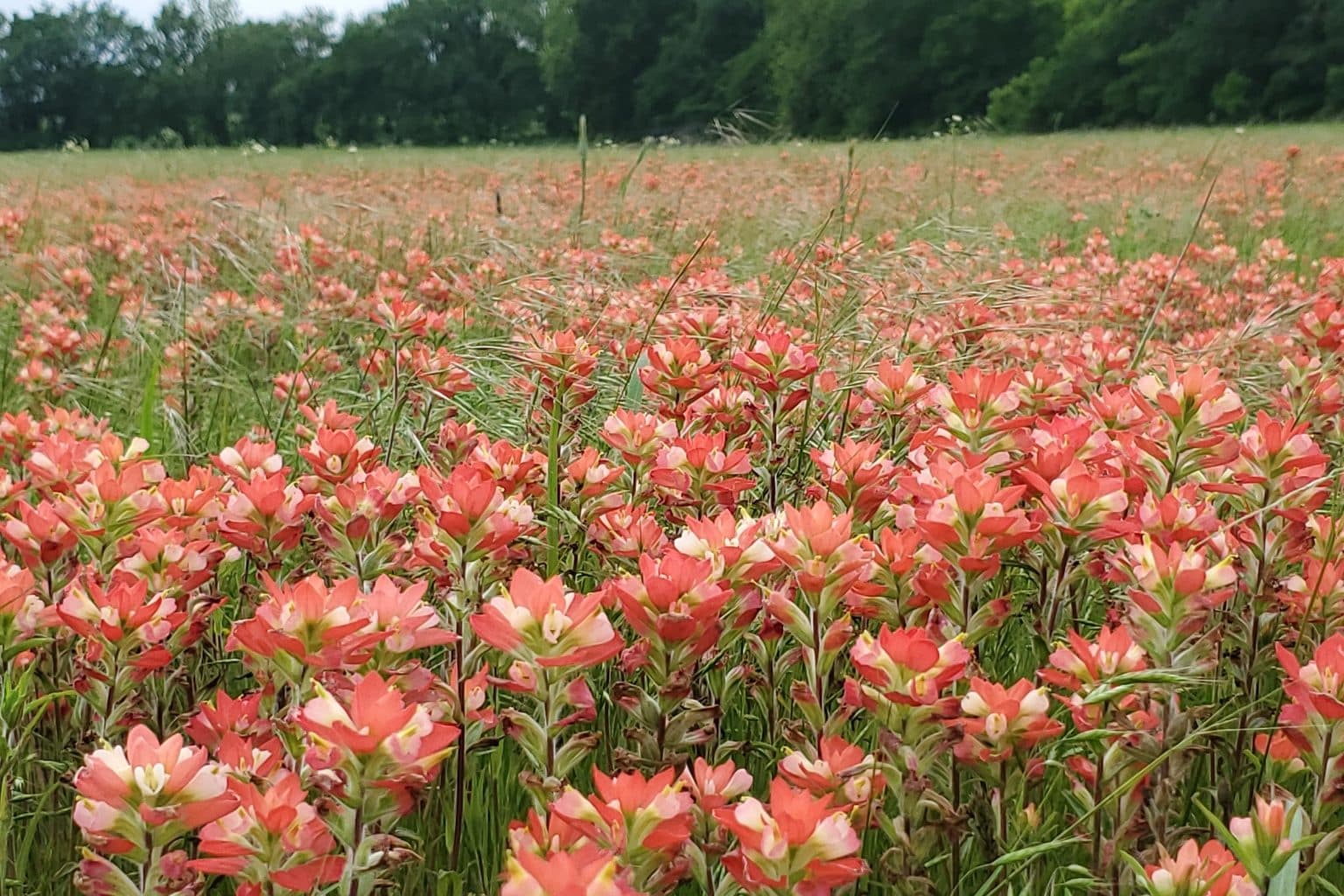
Native plants evolved in your region's soil and climate. That means less water, less fertilizer, and way less babysitting once they're established. In Texas, that's a big deal when July hits 105 degrees and your water bill triples.
- Water: Most Texas natives need little to no supplemental irrigation after year one
- Maintenance: No weekly mowing, less pruning, fewer chemical inputs
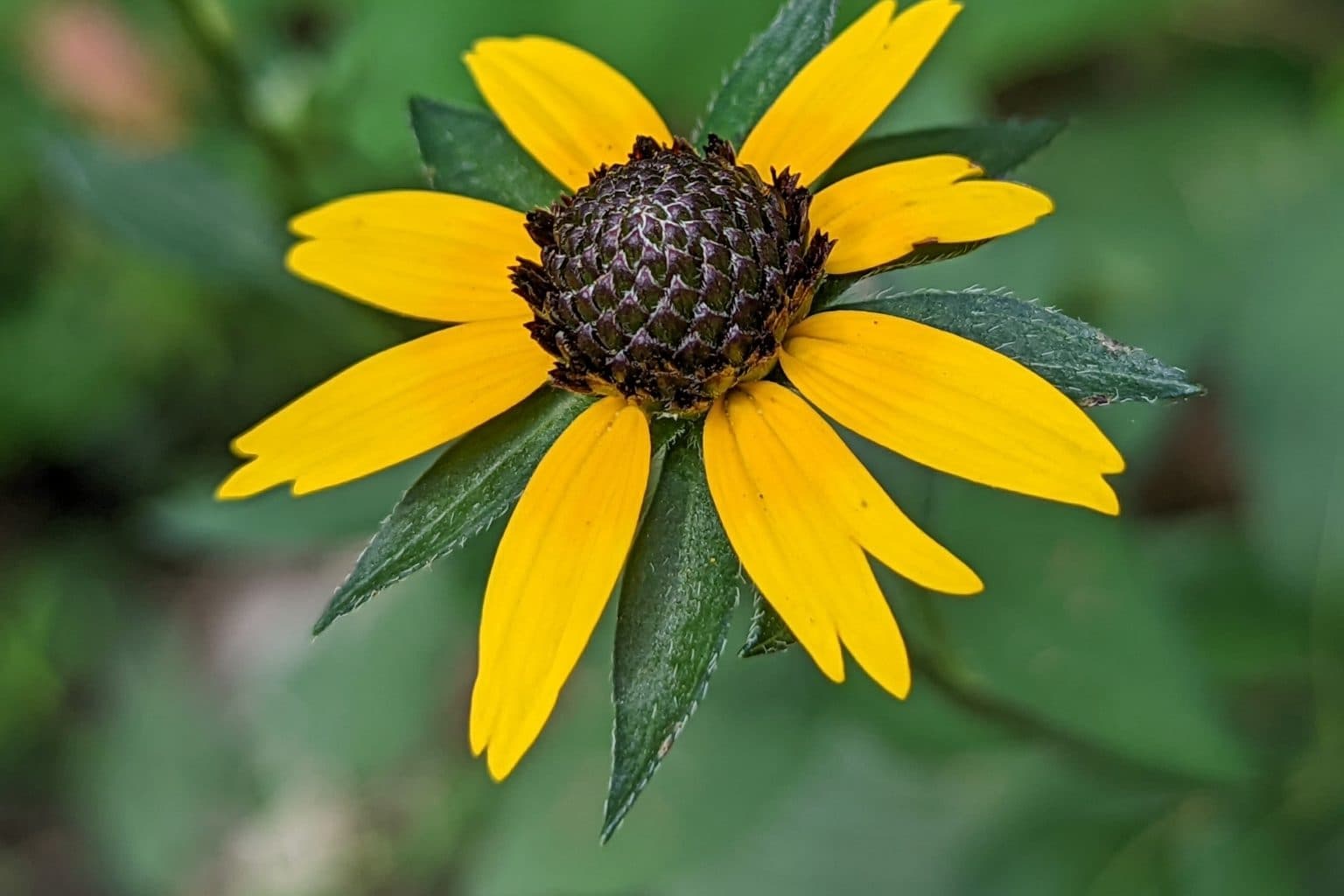
- Wildlife: Natives support pollinators, birds, and beneficial insects that ornamentals often don't
- Long-term cost: Higher upfront investment, but dramatically lower ongoing costs
Many cities also offer water rebates for converting turf to native or low-water landscaping, which helps offset that upfront cost.
Where ornamentals win
Ornamentals aren't the enemy. They exist for good reasons.
- Instant color: Most ornamentals bloom predictably and look "finished" from day one
- Wider palette: You get colors, forms, and textures that don't exist in the native plant list
- Familiarity: Your HOA board, your neighbors, and your real estate agent all recognize a bed of knockout roses
That familiarity factor is real. Nobody's ever gotten an HOA letter for a bed of petunias.
The honest part: year one isn't pretty
New native gardens look sparse. That's just the truth. Most natives spend their first year building root systems, not putting on a show. Your neighbor's ornamental bed will look fuller and more colorful while your natives are still getting established.
By year two or three, the script flips. Your natives fill in, need almost no care, and look better every season. Their ornamentals start needing replacements, more water, and more fertilizer. But that first year tests your patience.
Side-by-side comparison
- Water needs: Natives: low after establishment. Ornamentals: ongoing irrigation required.
- Year 1 appearance: Natives: sparse. Ornamentals: full and colorful.
- Year 3+ appearance: Natives: lush and self-sustaining. Ornamentals: often need replacing.
- Maintenance: Natives: seasonal cutbacks. Ornamentals: weekly watering, fertilizing, pest control.
- Wildlife value: Natives: high. Ornamentals: usually minimal.
- HOA perception: Natives: depends on design cues. Ornamentals: familiar and low-risk.
The mixed approach (and why it works)
Most successful HOA-conscious yards aren't 100% native or 100% ornamental. They use a native backbone for structure and low maintenance, with a few ornamental accents for year-round color and curb appeal.
Think of it this way: natives do the heavy lifting (drought tolerance, wildlife support, low care), and a handful of ornamentals fill the gaps where you need guaranteed color or a familiar look near the front door.
HOA perception
HOAs don't care about native vs. ornamental. They care about whether your yard looks intentional. A well-designed native garden with clean edges, mulch, and height layering won't get a letter. A messy ornamental bed with dead annuals will.
The risk with natives is that they can look "wild" if you don't design with structure. The risk with ornamentals is that they need constant upkeep or they start looking neglected. Either approach can work with your HOA. Either can fail.
When to choose which
Go heavy on natives if you want low maintenance, lower water bills, and you're willing to be patient through year one. Go heavy on ornamentals if you need instant impact and don't mind the ongoing work. Mix them if you want the best of both.
For a deeper dive into specific plants, check out our guide to the best native plants for Texas.