If your dog ate something and you are worried right now
Call the ASPCA Animal Poison Control Center: (888) 426-4435. There is a consultation fee, but they are available 24/7 and will walk you through it. Your vet's emergency line is the other call to make.
Quick answer: The most dangerous plants for dogs in Tennessee yards are Azalea and Rhododendron, Nandina, English Ivy, Carolina Jessamine, Lily of the Valley, and spring bulbs (tulip and daffodil). Each has a Tennessee-native swap that is not on the ASPCA toxic plant list: Virginia Sweetspire, American Beautyberry, Foamflower, Crossvine, Wild Ginger, and Purple Coneflower.
A lot of what Tennessee nurseries and big-box stores sell is toxic to dogs, and almost none of it carries a warning. Azaleas wrap nearly every foundation in Middle Tennessee. Nandina shows up in builder landscapes. English Ivy spreads through shady yards across the state.
Here are the worst offenders in Tennessee yards, what they do to dogs, and a Tennessee-native swap for each. Toxicity is per the ASPCA Animal Poison Control Center plant database. Native swaps are drawn from the Tennessee Native Plant Society and University of Tennessee Extension recommendations.
Azalea and Rhododendron (Rhododendron spp.)
The signature shrub of the Tennessee spring, and toxic to dogs per the ASPCA. All parts contain grayanotoxins; even a few leaves can cause vomiting, drooling, and in larger amounts heart and nervous-system effects. This includes native deciduous azaleas, so do not assume a native azalea is pet-safe.
Safe swap: Virginia Sweetspire (Itea virginica). A Tennessee-native shrub with fragrant white spring spikes and deep red fall color, happy in sun or part shade. Not on the ASPCA toxic plant list (Tennessee Native Plant Society).
Nandina / Heavenly Bamboo (Nandina domestica)
In nearly every builder landscape in Tennessee, and a problem on two fronts. The red berries contain cyanogenic compounds; the ASPCA lists Nandina as toxic to dogs, and the berries are also documented to kill cedar waxwings and other birds. It is invasive in Tennessee as well.
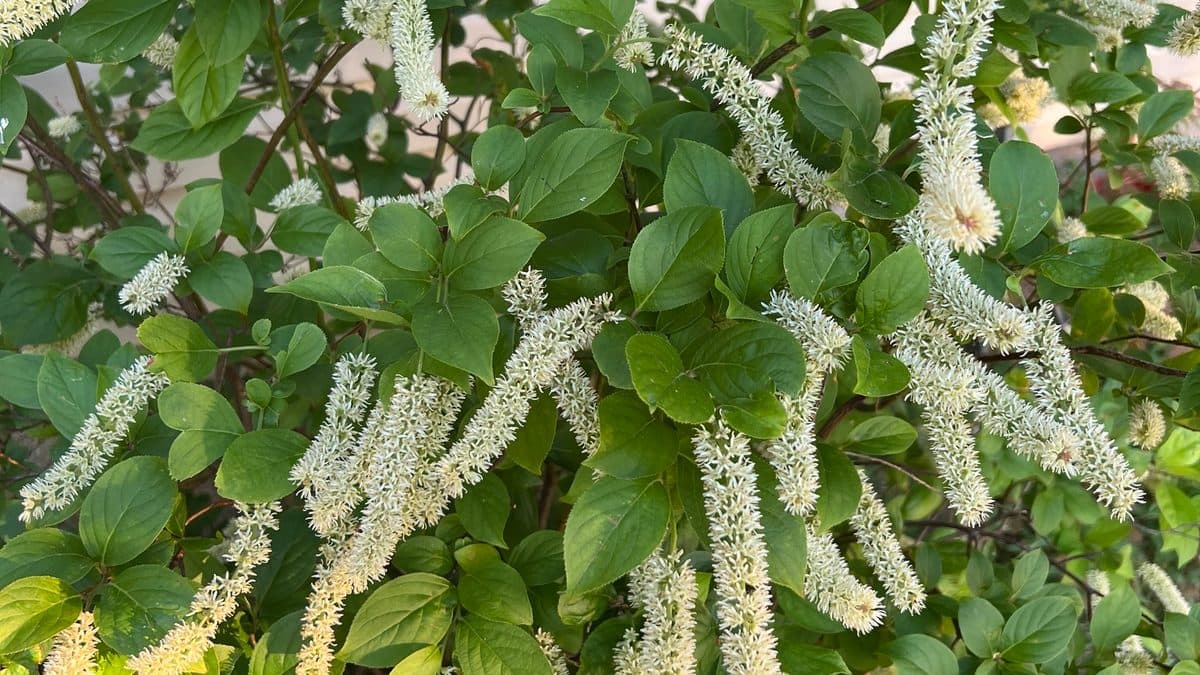
Safe swap: American Beautyberry (Callicarpa americana). A Tennessee-native shrub with striking purple berry clusters in fall that birds eat safely. Not on the ASPCA toxic plant list (UT Extension).
English Ivy (Hedera helix)
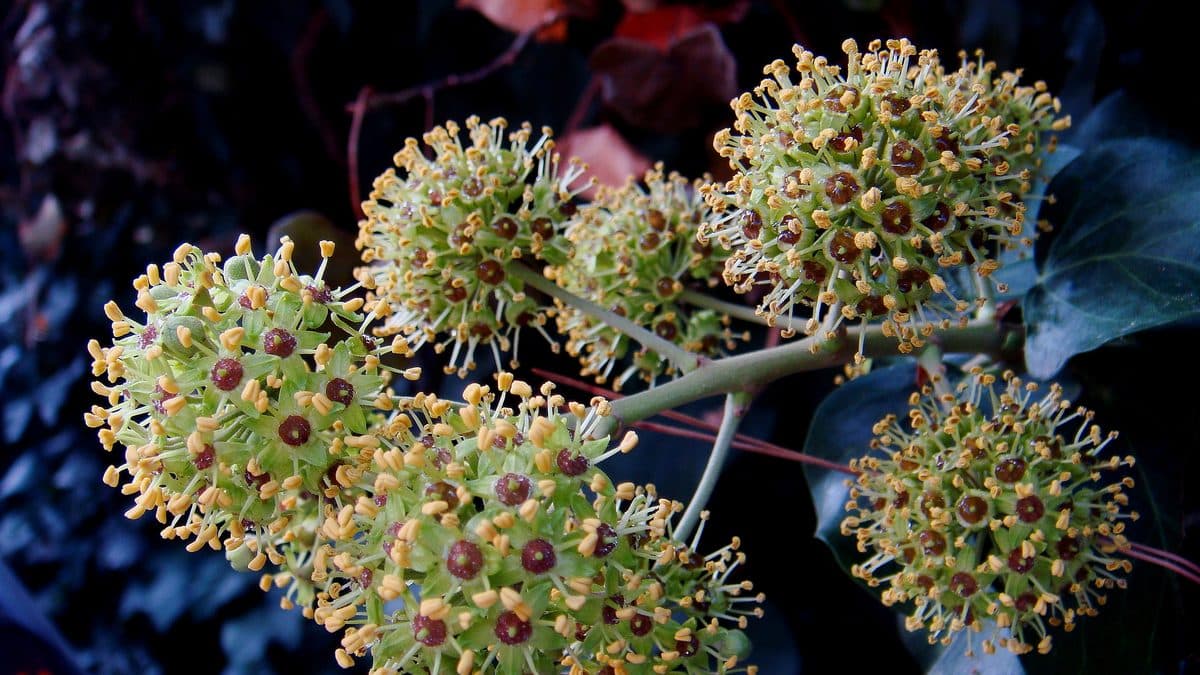
A go-to groundcover in shady Tennessee yards, toxic to dogs per the ASPCA, and aggressively invasive. The foliage contains saponins that cause vomiting, abdominal pain, and excess drooling. Pulling it helps your dog and the local woods at the same time.
Safe swap: Foamflower (Tiarella cordifolia). A low Tennessee-native groundcover for shade, with frothy white spring flowers and handsome semi-evergreen leaves. Not on the ASPCA toxic plant list (Tennessee Native Plant Society).
Carolina Jessamine (Gelsemium sempervirens)
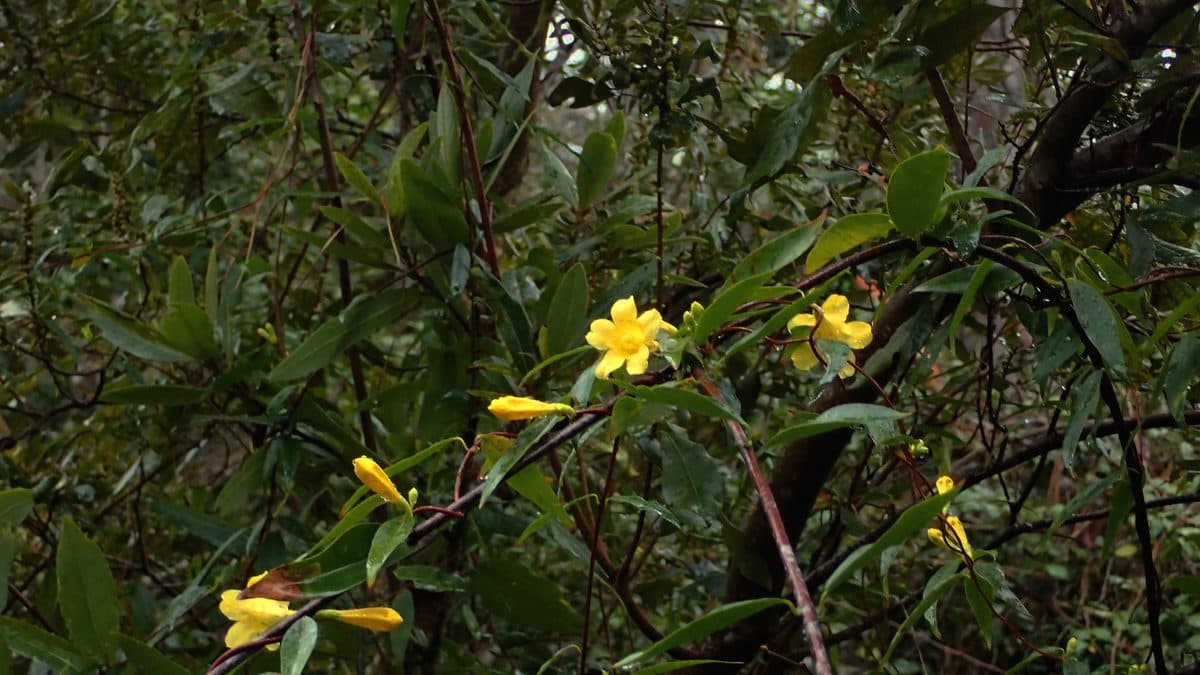
A native vine, but a toxic one. Its yellow late-winter flowers cover Tennessee fences and mailboxes, and every part is toxic to dogs per the ASPCA, including the nectar. Chewing the flowers or foliage can cause weakness, difficulty breathing, and seizures.
Safe swap: Crossvine (Bignonia capreolata). A Tennessee-native climber with trumpet-shaped orange-red spring flowers that hummingbirds love. Fast on fences and trellises, and not on the ASPCA toxic plant list. See the Carolina Jessamine profile for the toxicity details.
Lily of the Valley (Convallaria majalis)
A fragrant shade groundcover, and toxic to dogs per the ASPCA. It contains cardiac glycosides; even small amounts can cause vomiting and dangerous changes in heart rhythm.
Safe swap: Wild Ginger (Asarum canadense). A Tennessee-native shade groundcover with heart-shaped leaves that forms a lush low mat. Not on the ASPCA toxic plant list (Tennessee Native Plant Society).
Spring bulbs: Tulip and Daffodil
The bulbs are the problem. Tulip and daffodil bulbs are toxic to dogs per the ASPCA, and dogs that dig them up can get vomiting, drooling, and in larger amounts heart and breathing effects.
Safe swap: Purple Coneflower (Echinacea purpurea). A Tennessee-native perennial with pink-purple summer daisies for the same easy color, and not on the ASPCA toxic plant list.
Quick reference
Toxicity details on this page follow the ASPCA Animal Poison Control Center plant database. For native swaps suited to your yard, our best native plants for Tennessee front yards guide breaks them down by sun, size, and bloom time.
If you are replacing toxic plants and want help covering the cost, see Tennessee landscaping and water rebates.
To filter every plant in your plan by pet toxicity before you buy, get Pollinator Patch on the App Store. Plants with a cited toxic listing carry a Toxic to Pets flag right on the card.
Checking more than one plant? See the full list of plants toxic to dogs and cats, with native alternatives, covering every plant on the ASPCA list.