Quick answer: For a sunny Tennessee front yard, the most reliable, HOA-friendly natives are Purple Coneflower, Tennessee Coneflower, Black-eyed Susan, Wild Bergamot, Eastern Bluestar, Little Bluestem, Oakleaf Hydrangea, Virginia Sweetspire, American Beautyberry, and Coral Honeysuckle. A front planting only needs five to ten, kept edged and tidy.
Tennessee runs from the Appalachian highlands in the east to the Mississippi bottomlands in the west, but most of the state's suburbs sit in Middle Tennessee's limestone country and the warm, humid valleys around them. The natives below handle that range, the clay and rocky soils, and the humid summers, and they read as intentional in an HOA neighborhood.
Native ranges below follow the Tennessee Native Plant Society and University of Tennessee Extension (Tennessee Smart Yards) recommendations. Fall and early spring are the best planting windows here (UT Extension).
Sun-loving perennials
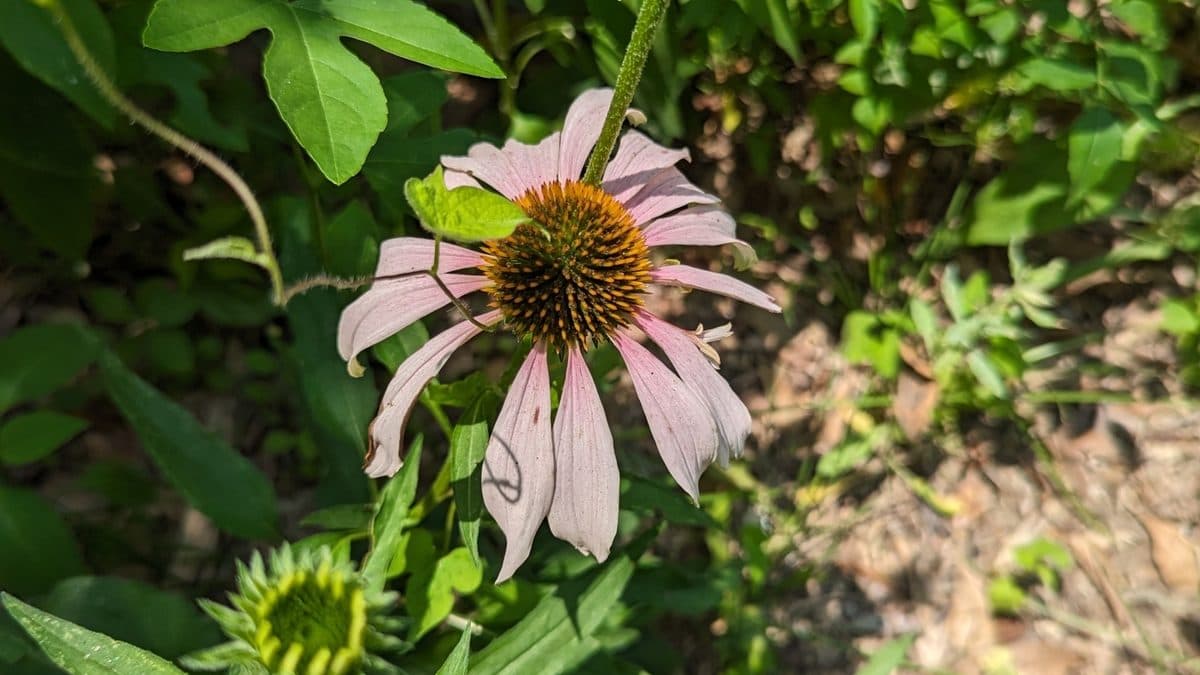
- Purple Coneflower (Echinacea purpurea). Pink-purple daisies June to September, 2 to 4 feet, full sun. A dependable native anchor.
- Tennessee Coneflower (Echinacea tennesseensis). A Tennessee endemic, once federally endangered and now recovered, with upturned pink petals, 1 to 2 feet, full sun. A meaningful local choice for a Tennessee yard.
- Black-eyed Susan (Rudbeckia hirta). Gold daisies with dark centers, summer into fall, 1 to 3 feet, full sun. As reliable as natives get.
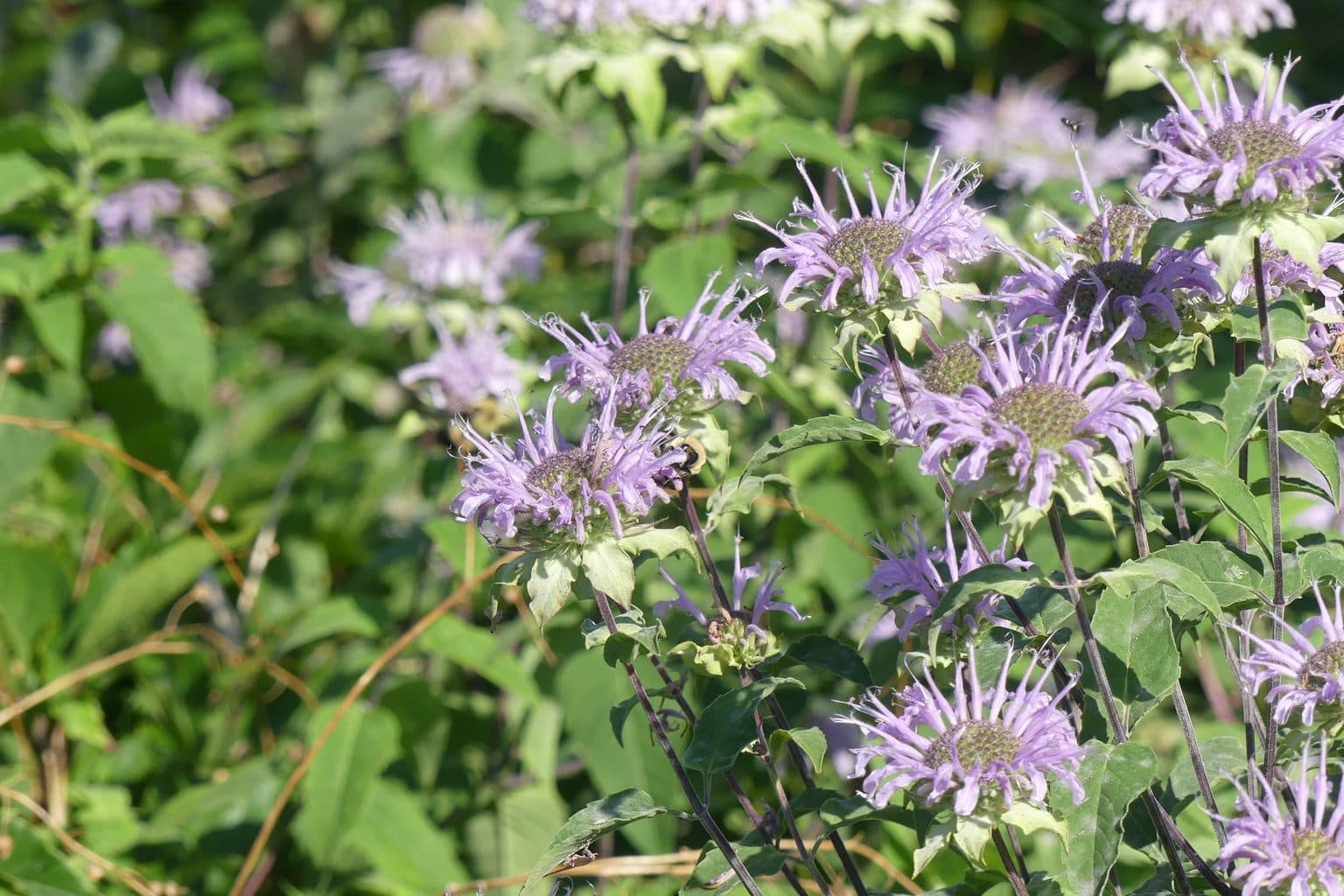
- Wild Bergamot (Monarda fistulosa). Lavender, fragrant flowers in summer, 2 to 4 feet, full sun to part shade. A bee and butterfly favorite; deadhead to keep it tidy.
- Eastern Bluestar (Amsonia tabernaemontana). Soft blue spring flowers and gold fall foliage, 2 to 3 feet, sun to part shade. One of the tidiest natives for a front bed.
Native grasses for structure
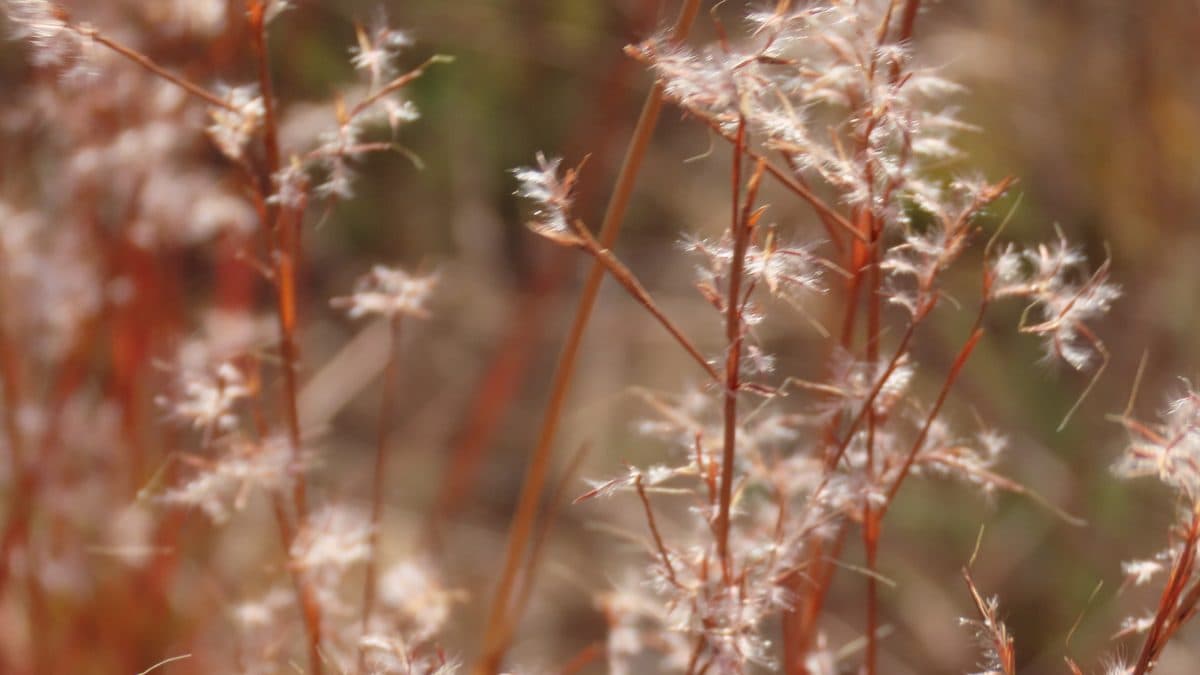
- Little Bluestem (Schizachyrium scoparium). Blue-green summer blades turning copper in fall, 2 to 4 feet, full sun. Upright and well-behaved.
- Inland Sea Oats (Chasmanthium latifolium). Flat, dangling seed heads, 2 to 4 feet, part shade. Thrives in Tennessee's shadier yards where turf struggles.
Shrubs that anchor the bed
- Oakleaf Hydrangea (Hydrangea quercifolia). Large white summer panicles, oak-shaped leaves, burgundy fall color, 4 to 8 feet, part shade. Note hydrangea is mildly toxic to dogs per the ASPCA, so site it where pets do not graze.
- Virginia Sweetspire (Itea virginica). Fragrant white spring spikes, red fall color, 3 to 5 feet, sun to part shade, tolerates wet clay. Not on the ASPCA toxic plant list.
- American Beautyberry (Callicarpa americana). Vivid purple berry clusters in fall that birds love, 4 to 6 feet, part shade. Not on the ASPCA toxic plant list.
A vine for fences and trellises
- Coral Honeysuckle (Lonicera sempervirens). Coral tubular flowers spring through summer, well-behaved unlike invasive Japanese honeysuckle, sun to part shade. A hummingbird magnet.
- Crossvine (Bignonia capreolata). Orange-red trumpet flowers in spring, semi-evergreen, fast on a fence or trellis. A dog-safe alternative to Carolina Jessamine.
Keeping it HOA-friendly
Tennessee has no state law protecting native landscaping from HOA rules, so in an HOA neighborhood the design has to carry the day. Give these natives structure: a defined border, fresh mulch, the taller grasses and shrubs set back from the sidewalk, and the lower perennials up front. For the legal side and how to get a plan approved, see can your Tennessee HOA force you to keep grass.
If you have a dog, check the Tennessee yard plants toxic to dogs guide before you buy, and look into Tennessee water and landscaping rebates to offset the cost.
Not sure which of these fit your exact yard?
Pollinator Patch matches native plants to your ZIP and Tennessee ecoregion, then builds a front-yard plan with the right five to ten species, a layout, and a maintenance schedule you can hand to an HOA.