Quick answer: No. Under Texas Property Code §202.007 (opens in new tab), an HOA cannot force you to keep a grass lawn. The law protects your right to replace turf with water-conserving landscaping, including native plants, xeriscaping, and drought-tolerant alternatives. Section 202.007(d-1) also bars an HOA from unreasonably rejecting that landscaping as aesthetically incompatible with the neighborhood.
Short answer: no, your Texas HOA probably can't force you to keep a grass lawn. But "probably" is doing some work in that sentence, and the details matter.
Texas has some of the strongest homeowner protections in the country when it comes to water-wise landscaping. Two laws in particular changed the game. If you're in an HOA neighborhood and thinking about ripping out your St. Augustine, here's what you actually need to know.
Texas Property Code §202.007
This is the big one. It's been on the books since 2013 and it says, roughly:
"A property owners association may not include or enforce a provision in a dedicatory instrument that prohibits or restricts a property owner from implementing water-conserving natural landscaping or drought-resistant landscaping."
Texas Property Code §202.007(d)
That's a direct quote. In plain English: if your landscaping conserves water, your HOA can't ban it just because it isn't turf grass. This applies statewide, to every HOA in Texas.
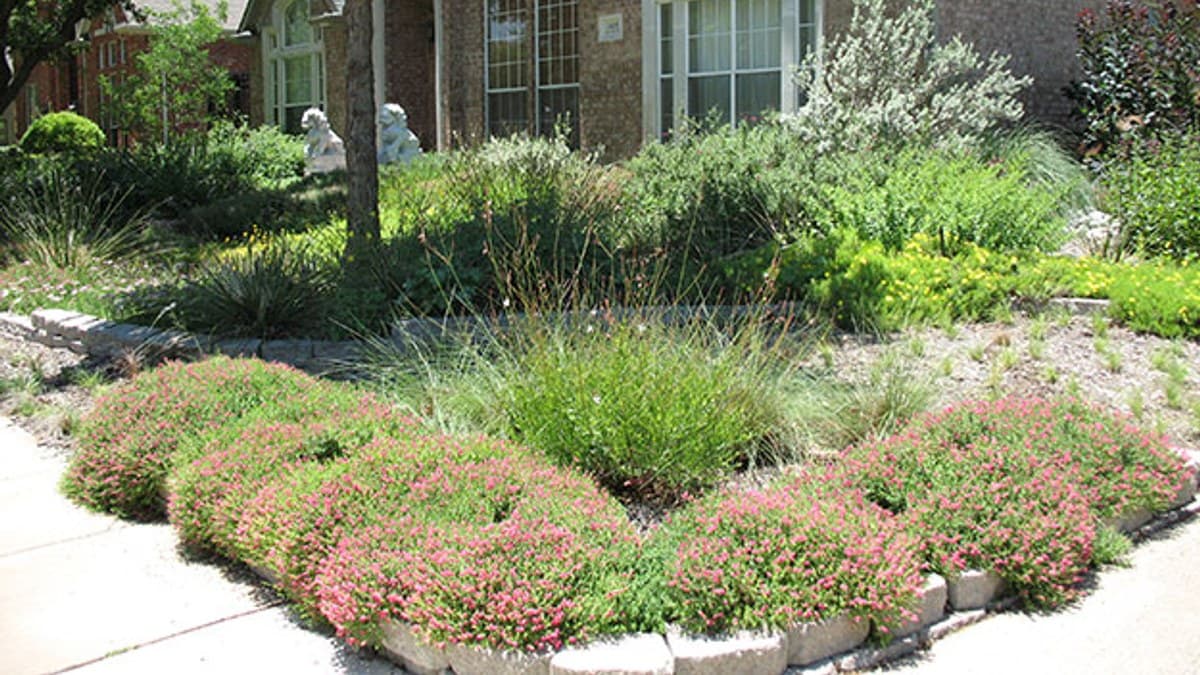
The law also limits aesthetic rejections (§202.007(d-1))
Section 202.007(d-1), in effect since 2013, lets an HOA review your plan for aesthetic compatibility but says it may not unreasonably deny approval or unreasonably decide that water-conserving landscaping is aesthetically incompatible with other yards in the subdivision. An HOA cannot use vague "appearance standards" that only turf could meet as a backdoor ban. House Bill 517 (opens in new tab) (2025) is a separate, newer law: it added Texas Property Code §202.008, which bars an HOA from fining you for brown or discolored turf during a city watering restriction, and for the first 60 days after the restriction lifts.
It also clarified that HOAs can't require a specific percentage of turf grass coverage. That was a common trick.
What your HOA can still require
The law doesn't give you a free pass to do whatever you want. Your HOA can still enforce:
- Neatness and maintenance standards (no dead plants, no weeds taking over)
- Height restrictions on plants near sidewalks or streets
- Edging and border requirements
- Rules about structures like raised beds, trellises, or garden art
- Setback requirements from property lines
Basically, they can require your yard to look maintained. They just can't require that maintenance to involve a lawn mower.
What your HOA cannot require
- Turf grass specifically (if your alternative conserves water)
- A minimum percentage of lawn coverage
- Removal of native or drought-tolerant plants that are properly maintained
- A specific grass species like Bermuda or St. Augustine
If you're in the Austin area, this matters even more. Austin Water actively encourages turf removal and offers rebates for it. Your HOA fighting that puts them at odds with city policy.
Common pushback tactics (and how to respond)
Even with the law on your side, some HOAs will push back. Here's what that usually looks like:
"Your yard looks unkempt"
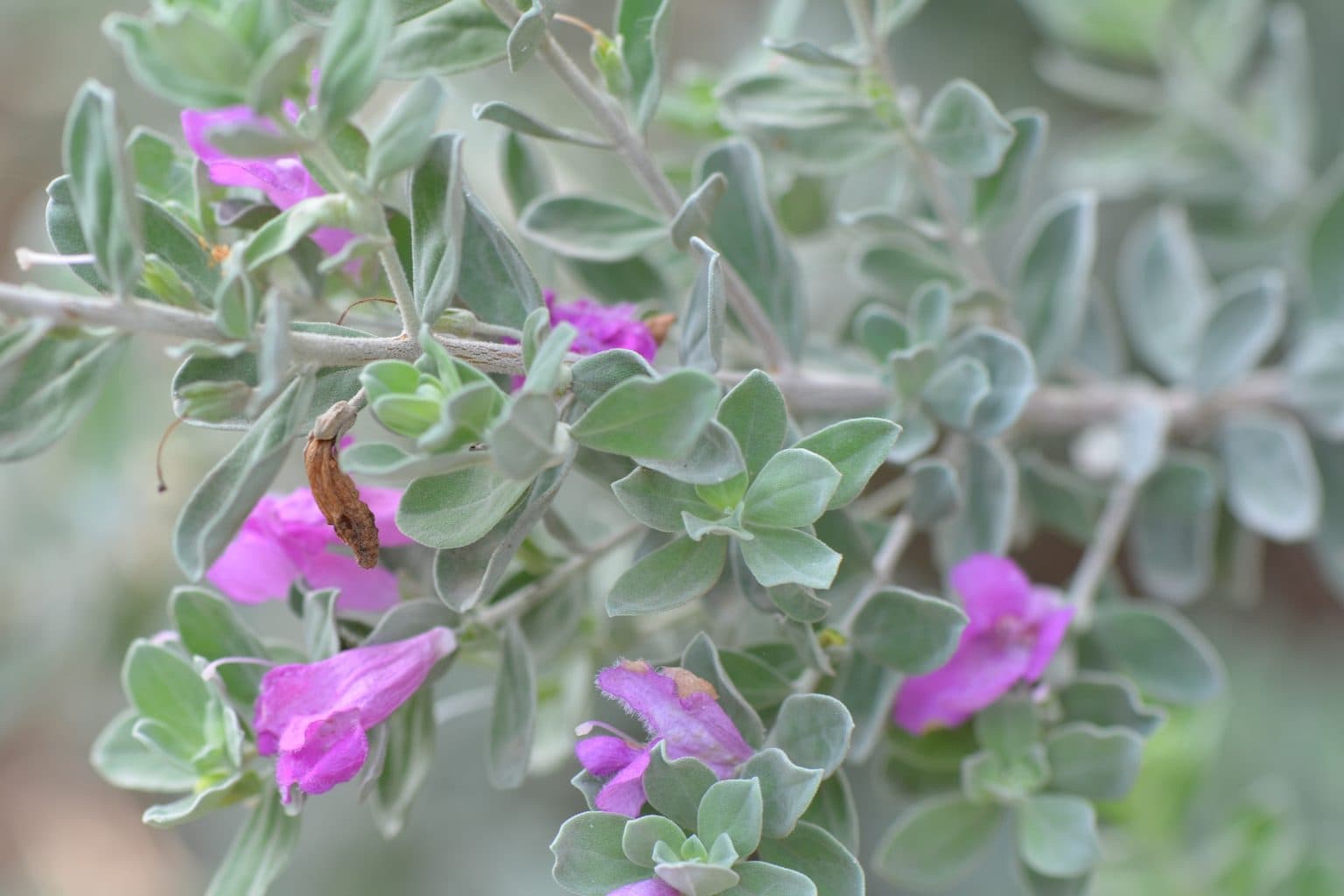
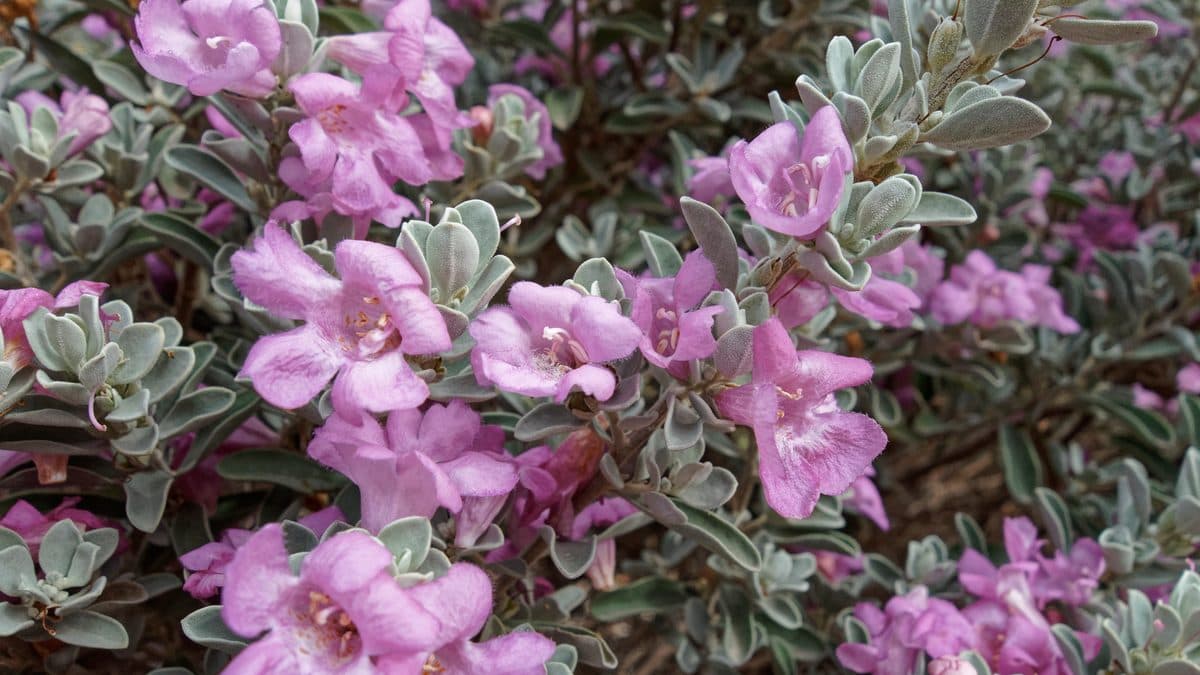
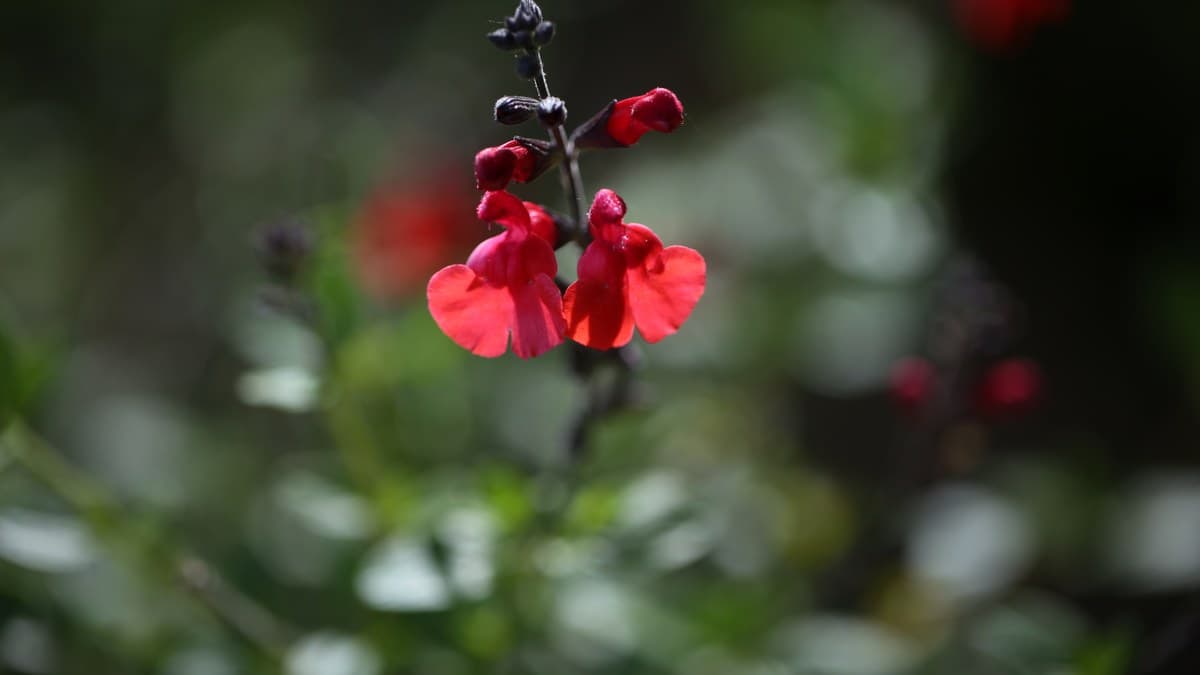
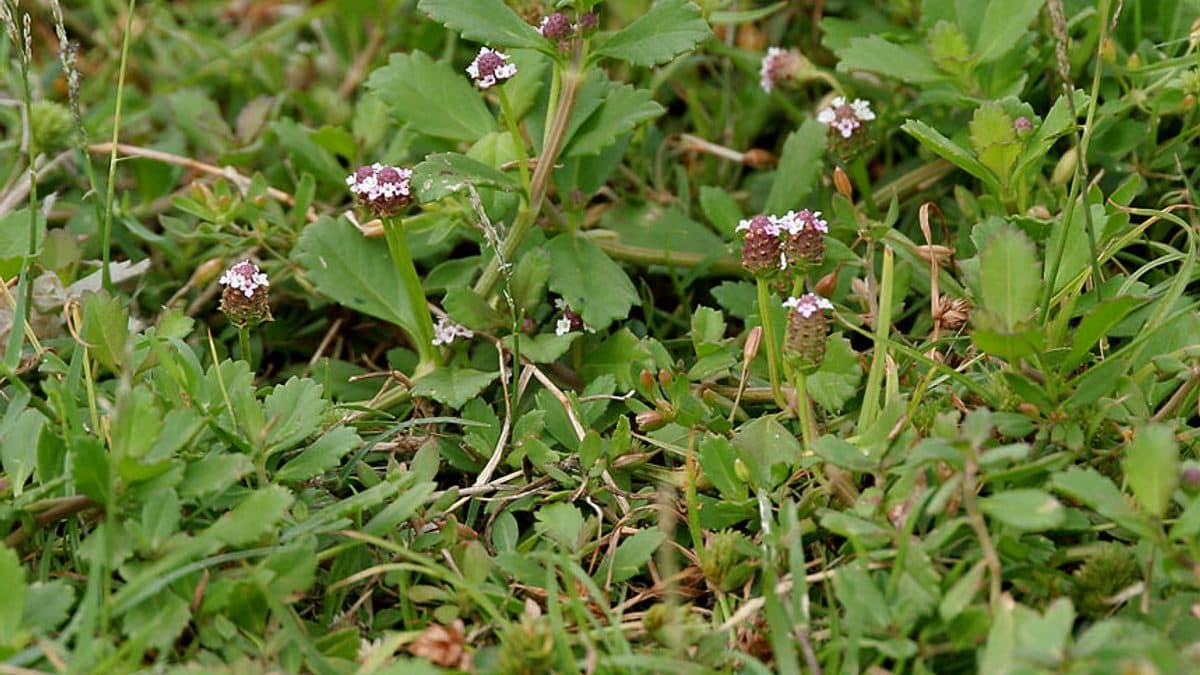
This is an appearance objection, not a species objection. Add mulch, clean up edges, trim anything that's flopping over. Species that hold their shape help before the complaint ever arrives: Texas Ranger keeps a dense shrub form, Autumn Sage takes a hard trim without looking bare, and Frogfruit stays flat as a groundcover. Read our guide on responding to HOA violation letters for the full playbook.
"We need to approve all landscaping changes"
That's often true and it's fine. Submit a plan proactively. A well-prepared submission with a plant list, layout sketch, and maintenance schedule gets approved far more often than a surprise yard transformation.
"Our CC&Rs require turf grass"
If the CC&Rs were written before §202.007, that provision is unenforceable. The state law overrides it. You can point this out politely and in writing.
When to talk to a lawyer
Rarely. Honestly, most of these situations resolve with a calm conversation and some documentation. But consider legal advice if:
- Your HOA is fining you after you've cited the state law in writing
- They're threatening a lien on your property
- You've submitted a plan, made the visual improvements, and they're still rejecting it without citing a specific CC&R provision
A real estate attorney who handles HOA disputes can usually resolve this with a single letter. It shouldn't cost much.
This is not legal advice.
We're a gardening app, not lawyers. This post summarizes publicly available Texas law as of early 2026. Your HOA's specific CC&Rs, your city's codes, and your situation are all unique. If you're facing fines or legal threats, talk to a real estate attorney in your area.
Practical next steps
If you're thinking about converting your lawn in an HOA neighborhood, do it in order:
- Get a copy of your CC&Rs. Read the landscaping section. Know exactly what it says.
- Check your HOA's approval process. Most have an architectural review committee you'll submit to.
- Put together a plan with a plant list, layout, and maintenance schedule. This is what separates "I stopped mowing" from "I'm improving the property."
- Submit proactively, before you start planting.
- Check for local rebate programs that might offset your costs.
For more on choosing plants that work in HOA neighborhoods, check out our Texas native plants for HOA yards guide.
If your HOA has cited a rule you're not sure about, our guide on unenforceable HOA landscaping rules in Texas covers which specific provisions state law limits beyond just grass requirements.
People also ask
Can an HOA tell you what kind of grass to plant?
Not in Texas, beyond a point. An HOA can prefer or recommend specific turf species, but it cannot effectively require turf grass at all under §202.007. If your HOA mandates a specific grass species but you want to use a native groundcover or xeriscape, the species mandate runs into the same legal protection that protects native plant choice.
Can an HOA require you to water your lawn during a drought?
No. Cities and counties across Texas issue stage 1-4 watering restrictions during drought, and HOA rules cannot override municipal water restrictions. If your HOA fines you for a brown lawn during a city-imposed restriction, those fines are not enforceable. Document the city's active restriction in writing for any HOA dispute.
What happens if you ignore HOA landscaping rules in Texas?
If the rule is enforceable (most maintenance and appearance rules are), you can be fined progressively, and the HOA can place a lien on your property in extreme cases. If the rule is unenforceable under §202.007 (a turf requirement, for example), the HOA cannot legally collect fines, but you may need to push back in writing and, if it escalates, consult a Texas real estate attorney.
Does Texas have a state HOA law?
Texas regulates HOAs through the Texas Property Code, primarily Chapter 209 (opens in new tab) (general HOA rules) and Chapter 202 (opens in new tab) (which includes §202.007, the water-conserving landscaping protection, and §202.007(d-1), the limit on aesthetic rejections). HB 517 (effective September 1, 2025) added §202.008 to Chapter 202, which bars an HOA from fining owners for brown or discolored turf during a city watering restriction (and for 60 days after it lifts). Each HOA also has its own CC&Rs, but state law overrides any CC&R provision that conflicts with §202.007.
Planning a lawn conversion in Texas?
Pollinator Patch helps you put together a native plant plan with the structure and documentation that HOA boards actually respond to. Plant list, layout, maintenance schedule, all printable.