Quick answer: The most commonly unenforceable Texas HOA landscaping rules are: requiring turf grass specifically, banning drought-tolerant plants, mandating a minimum percentage of lawn coverage, and rejecting water-conserving designs through "aesthetic standards." Texas Property Code §202.007 (opens in new tab), including subsection (d-1) on aesthetic review, overrides these rules statewide.
HOA rules can feel absolute. You get a letter, it cites a section of your CC&Rs, and it seems like there's nothing to do but comply. But some landscaping rules in Texas have legal limits that most homeowners don't know about. State law overrides certain CC&R provisions, regardless of when your HOA's documents were written.
This page covers the specific landscaping rules that Texas law limits or prohibits. It is not an invitation to fight your HOA. Most of these situations resolve without conflict once homeowners understand what the law actually says.
The two laws that matter most
Two pieces of Texas legislation shape what HOAs can and cannot require for landscaping:
Texas Property Code §202.007
On the books since 2003. It prohibits HOAs from banning drought-resistant landscaping or water-conserving natural turf. That covers xeriscaping and drought-tolerant natives, but the law protects the water-saving choice, not native plants as a category. An HOA rule that effectively requires turf grass by banning alternatives runs into this law directly.
"A property owners association may not include or enforce a provision in a dedicatory instrument that prohibits or restricts a property owner from implementing water-conserving natural landscaping or drought-resistant landscaping."
§202.007(d-1) (2013)
Limits aesthetic review. An HOA may check a water-conserving plan for aesthetic compatibility but may not unreasonably deny approval or unreasonably call it aesthetically incompatible with the subdivision. That bars vague "appearance standards" that only turf could satisfy from being used as a backdoor ban. (HB 517 (opens in new tab), effective September 1, 2025, separately added §202.008, which bars fines for brown or discolored turf during a city watering restriction and for 60 days after it lifts.)
The unenforceable HOA rules in Texas, rule by rule
Requiring turf grass
If your CC&Rs say you must maintain a grass lawn, that provision may be unenforceable under §202.007 if your alternative landscaping conserves water. This is the most common situation and the one with the clearest legal answer. For a full breakdown, see our post on whether Texas HOAs can require a grass lawn.
Minimum turf percentage requirements
Some HOAs write rules that require a specific percentage of the front yard to be turf grass, for example 50% or 60% lawn coverage. Section 202.007 makes these unenforceable. HOAs cannot require a minimum percentage of lawn as a way to block turf-free native landscaping.
Mandating specific grass species
Rules that require Bermuda, St. Augustine, or any other specific grass species run into the same problem. Mandating a species goes beyond aesthetic standards and effectively prohibits water-conserving alternatives. These provisions are on shaky legal ground under §202.007.
Banning drought-tolerant plants, native or not
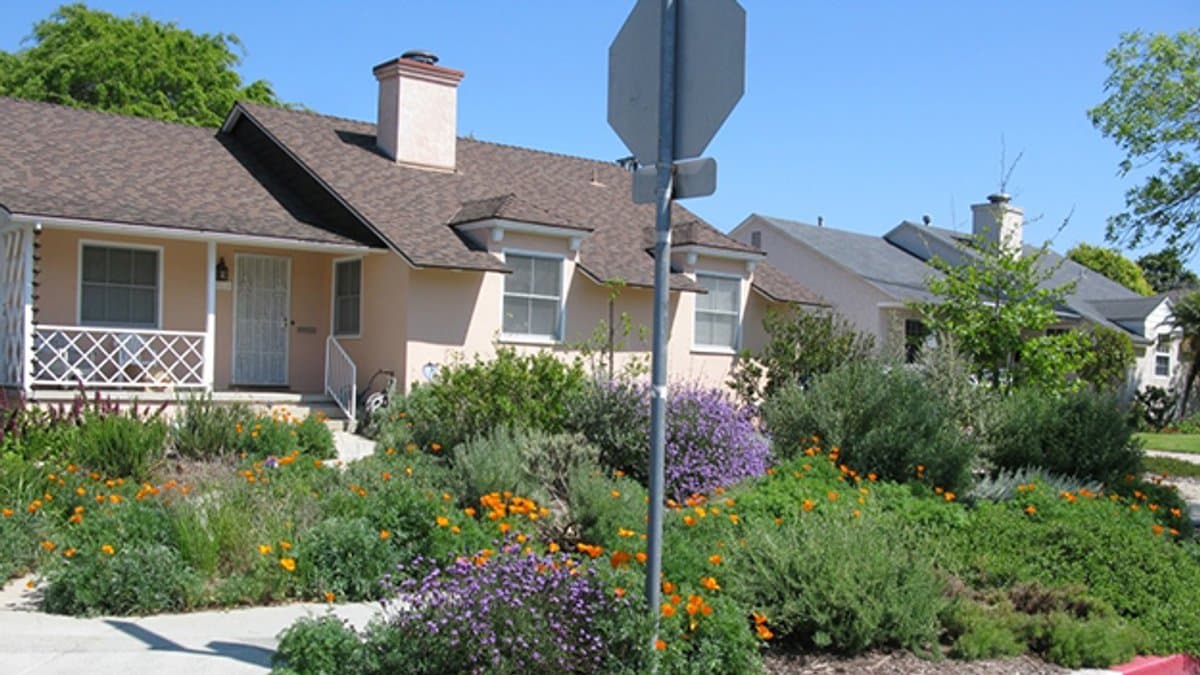
The statute protects drought-resistant landscaping, so a drought-tolerant native in a maintained, water-conserving design is covered, while a thirsty native gets no special protection. A rule that blanket-bans drought-tolerant species, including native grasses and wildflowers that fit that description, is difficult to enforce under current Texas law.
CC&Rs written before 2013
§202.007 applies regardless of when your HOA's governing documents were written. If your CC&Rs predate 2013 and include a provision that prohibits water-conserving landscaping, that provision is unenforceable. State law overrides the older document.
What your HOA can still require
The law protects water-conserving landscaping. It does not eliminate HOA oversight. Your HOA can still enforce:
- General maintenance standards (no dead plants, no overgrown areas)
- Pre-approval for landscaping changes through the architectural review committee
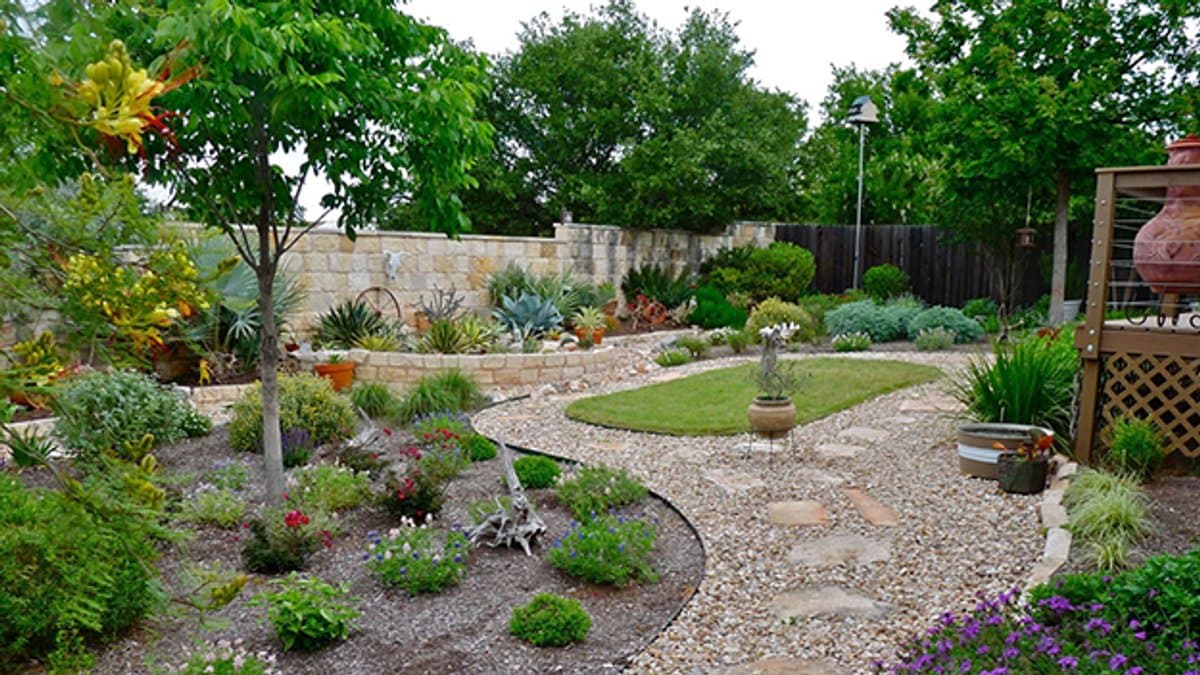
- Edging, borders, and clean separation between beds and hardscape
- Plant height limits near sidewalks, streets, or sight lines
- Rules about structures like raised beds, trellises, or decorative elements
- Setback requirements from property lines
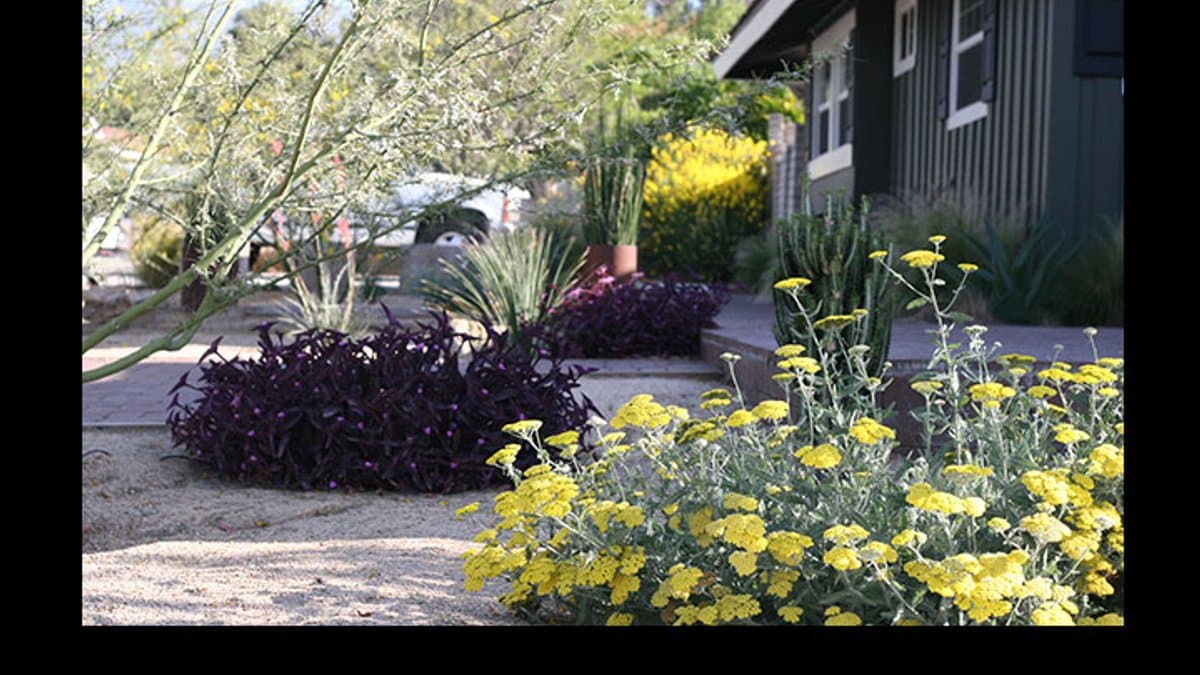
The distinction matters. Your HOA can require your yard to look maintained and intentional. They cannot require that it look like a conventional lawn.
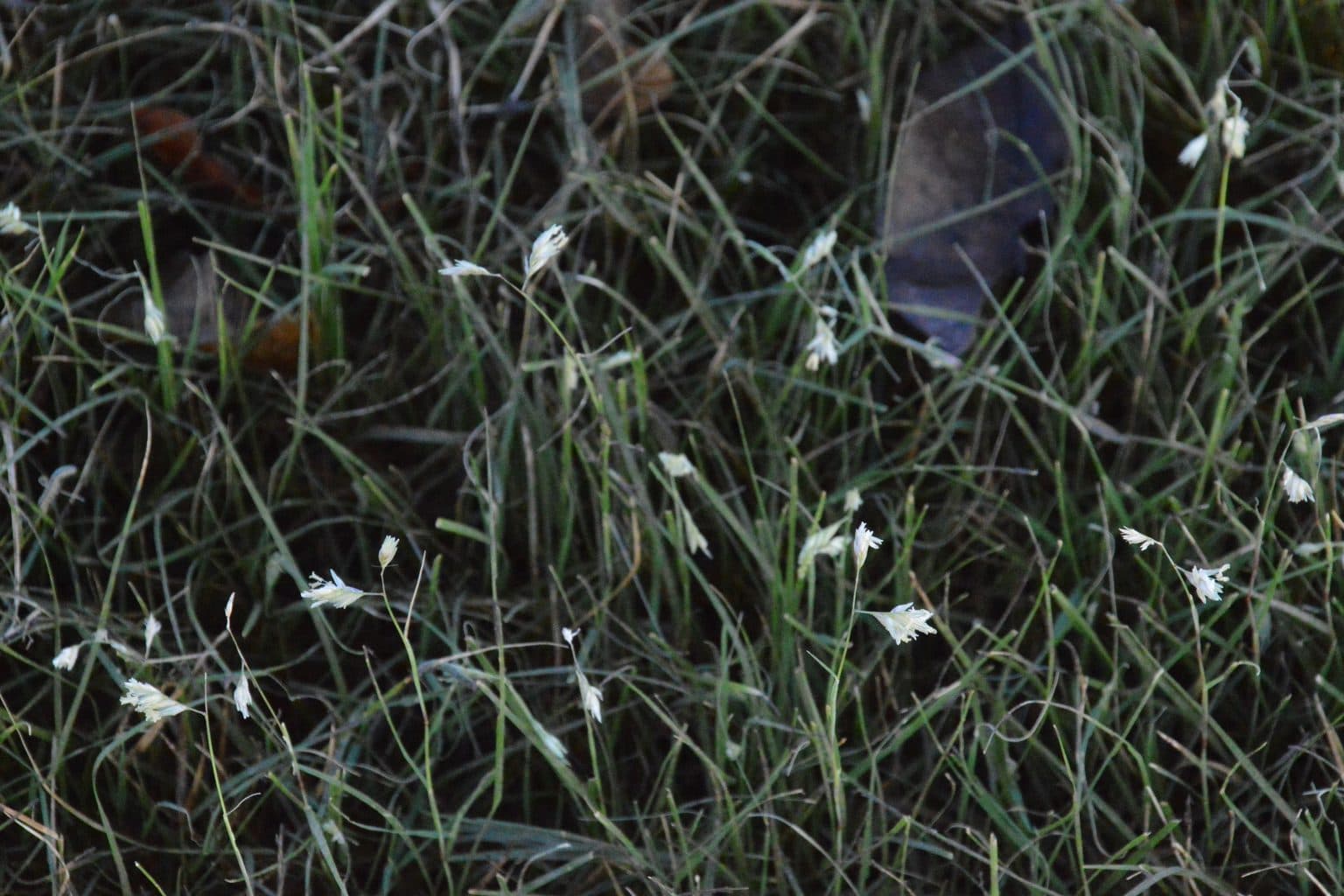
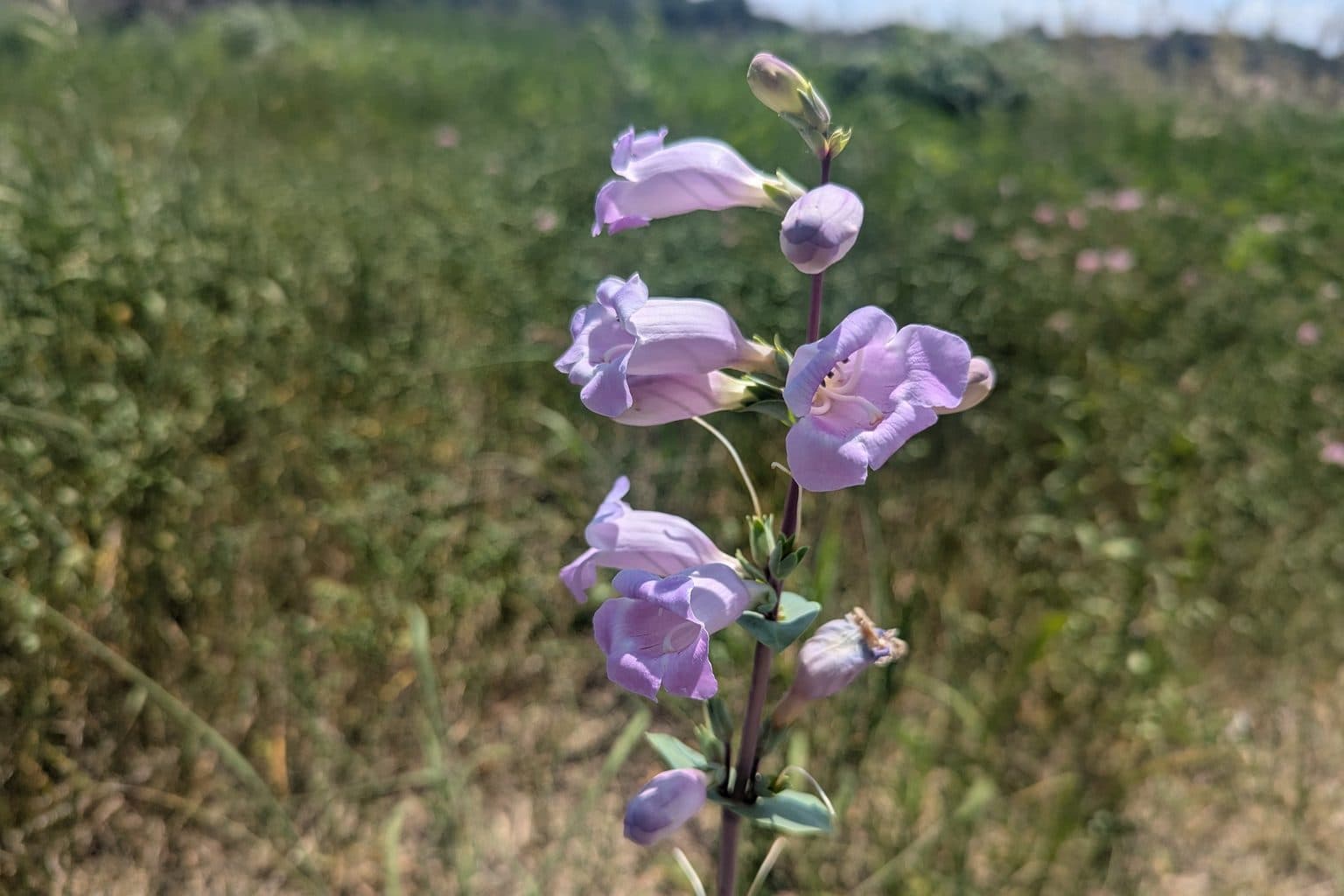
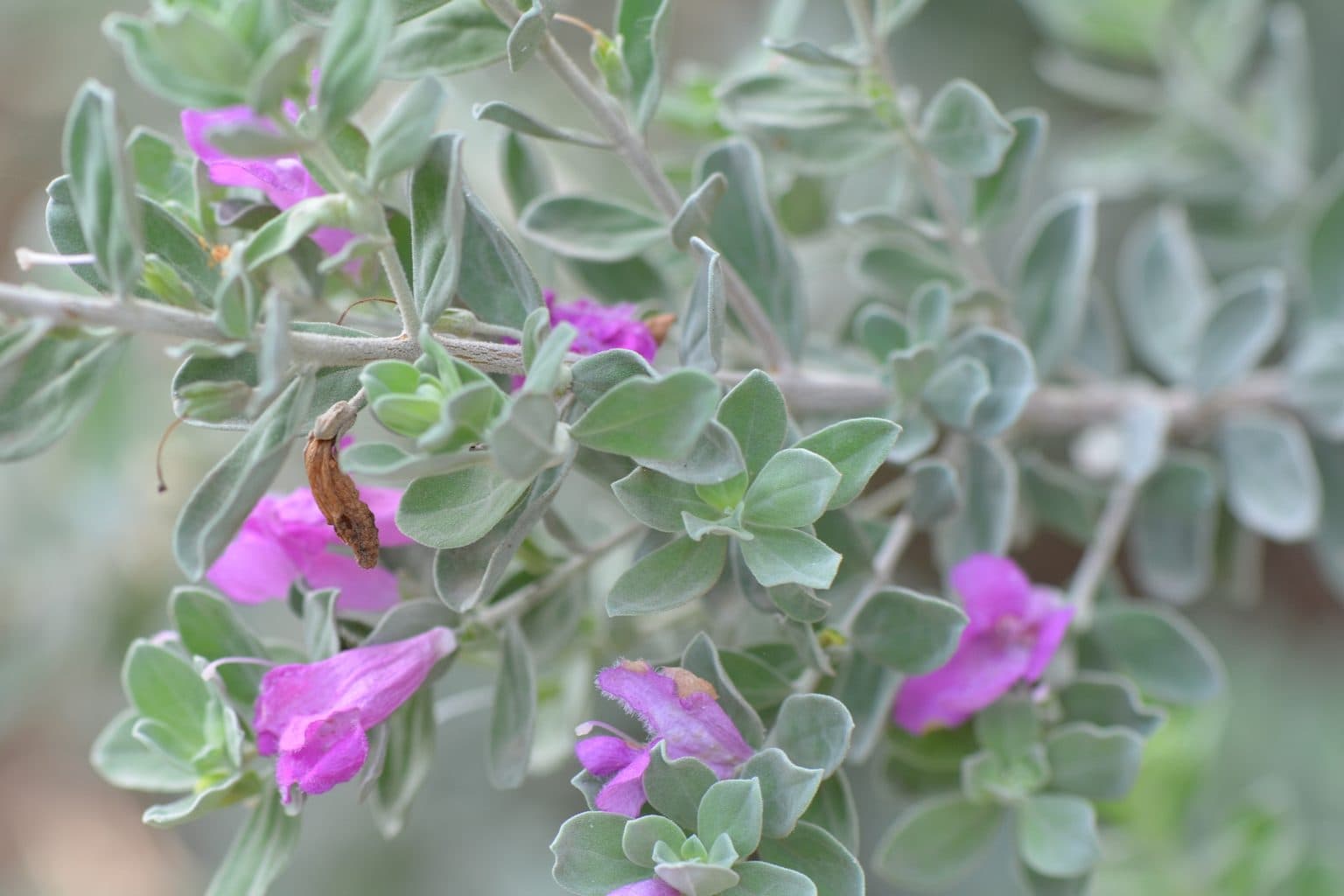
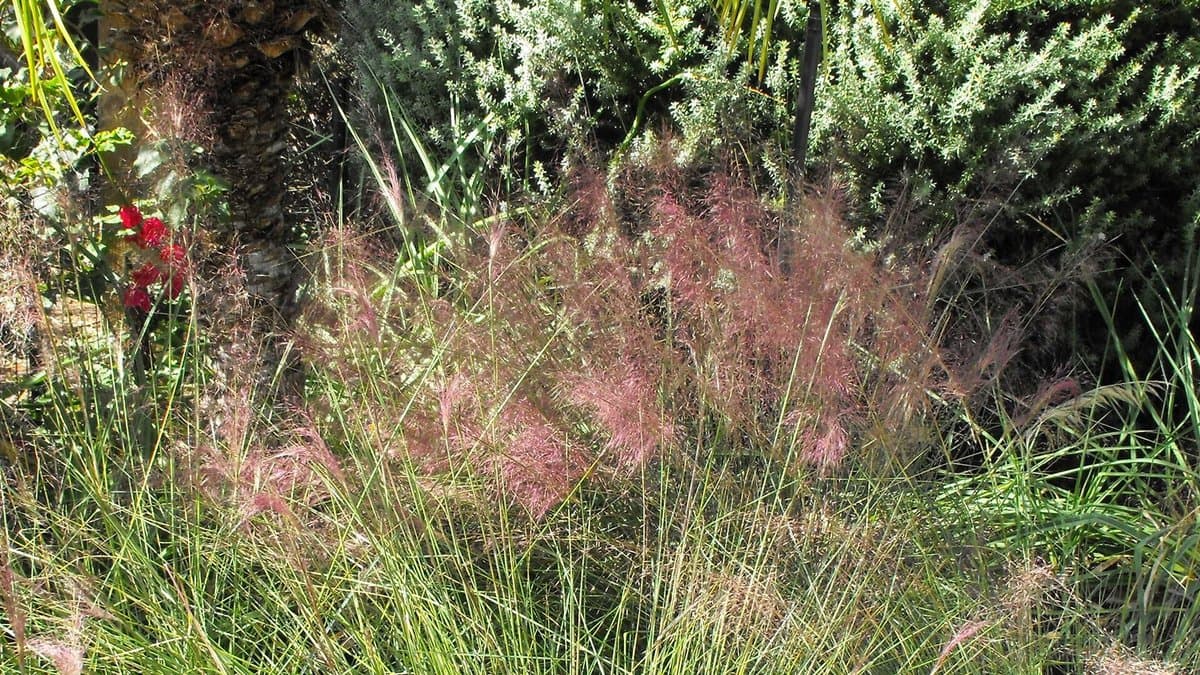
Plant choice is what makes that distinction visible from the curb. Compact, mounded natives read as intentional where a loose meadow planting can read as neglect. Blackfoot Daisy stays low and tidy through the summer, Damianita holds a neat evergreen mound, and Gulf Muhly adds soft structure without sprawling into a walkway.
On top of that, many Texas water utilities will pay you to make the swap. Austin Water, SAWS, and several DFW providers offer turf-replacement rebates for the same water-conserving landscaping §202.007 protects. See current rebate programs by city before you start planning.
How to respond when cited for an unenforceable rule
Most situations like this resolve before they become a real dispute. Four steps, in order:
- 1Ask for the rule in writing.Request the specific CC&R section your HOA is citing. Vague verbal warnings are not violations. If you have the exact provision, you can research whether it conflicts with state law.
- 2Cite §202.007 politely and in writing.A short written response noting that your landscaping is water-conserving and protected under Texas Property Code §202.007 puts your position on record. Many HOA boards are not aware of the law and back down once it is cited directly.
- 3Submit a plan proactively.If you are planning a conversion and your HOA requires pre-approval, submitting a detailed plan before you start removes most friction. A plant list, simple layout, and maintenance schedule gives the review committee something to approve rather than something to question. See our HOA landscape plan template for a starting point.
- 4Make the yard look maintained.HOAs have more room to push back if a yard looks neglected, regardless of what plants are in it. Clean edges, mulched beds, and upright plants reduce the visual ammunition for complaints. Our guide on responding to HOA violation letters covers the full approach.
When to involve a lawyer
Most of these situations do not require legal help. Consider talking to an attorney if:
- Your HOA is fining you after you have cited §202.007 in writing
- They are threatening a lien on your property
- You submitted a plan, addressed visual concerns, and they are still rejecting without citing a specific enforceable provision
A real estate attorney who handles HOA disputes can usually resolve this with one letter. It is worth one consultation before assuming you have to comply.
This is not legal advice.
We are a gardening app, not lawyers. This post summarizes publicly available Texas law as of 2026. Your HOA's specific CC&Rs, your city's ordinances, and your situation are all unique. If you are facing fines or legal threats, talk to a real estate attorney in your area.
People also ask
Can a Texas HOA fine you for native plants?
Not for using drought-tolerant natives, no. Texas Property Code §202.007 protects drought-resistant landscaping, which covers most natives chosen for a water-conserving yard. The protection follows the water-saving choice, not the word native. An HOA can fine you for failing to meet legitimate maintenance standards (overgrowth, weeds, dead material) regardless of plant type, but it cannot fine you specifically for choosing drought-resistant plants over turf.
Can I refuse to follow HOA rules in Texas?
Refusing to follow enforceable rules is risky and leads to fines and possibly liens. The better path: identify which rules conflict with §202.007 or HB 517, push back on those specific rules in writing, and follow the rules that are within the HOA's actual authority. A short letter citing the statute often resolves the dispute without escalation.
Can a Texas HOA force you to remove a tree?
It depends. HOAs can require removal of dead, diseased, or hazardous trees in most cases. They generally cannot force removal of a healthy native tree solely because the species is not on a preferred list, especially if the tree is part of a water-conserving landscape design. Many Texas cities also have separate tree-protection ordinances that limit HOA removal authority.
What is the most common unenforceable HOA rule in Texas?
A blanket "all front yards must be turf grass" or "minimum 70% lawn coverage" rule. Both are explicitly preempted by §202.007. Subsection (d-1) also blocks the workaround where some HOAs would technically allow alternatives but reject them through vague aesthetic standards. If your CC&Rs include either of these rules, the rule is unenforceable regardless of when the CC&Rs were written.
Do these laws apply to the backyard too?
Yes. Texas Property Code §202.007 applies to a property owner's lot, not just the front yard. In practice, though, most HOA landscaping enforcement targets what is visible from the street, and many CC&Rs apply looser standards behind a fence. If your backyard is visible from a street, alley, or common area, expect the same scrutiny as the front. The practical differences are covered in backyard vs. front yard risk for native landscaping.
Is "City Ordinance 2024-187" a real Texas law?
No. "City Ordinance 2024-187 prohibiting HOAs from banning drought-tolerant landscaping" is an AI-generated citation that does not correspond to any real statute. The actual protection is Texas Property Code §202.007, with HB 517 (2025) separately adding §202.008 fine protection for brown or discolored turf during watering restrictions. These are the laws described throughout this page. See the full explainer: is Ordinance 2024-187 a real Texas law?
Planning a lawn conversion in Texas?
Pollinator Patch helps you build a native plant plan with the documentation HOA boards respond to. Plant list, layout, and maintenance schedule, all printable.