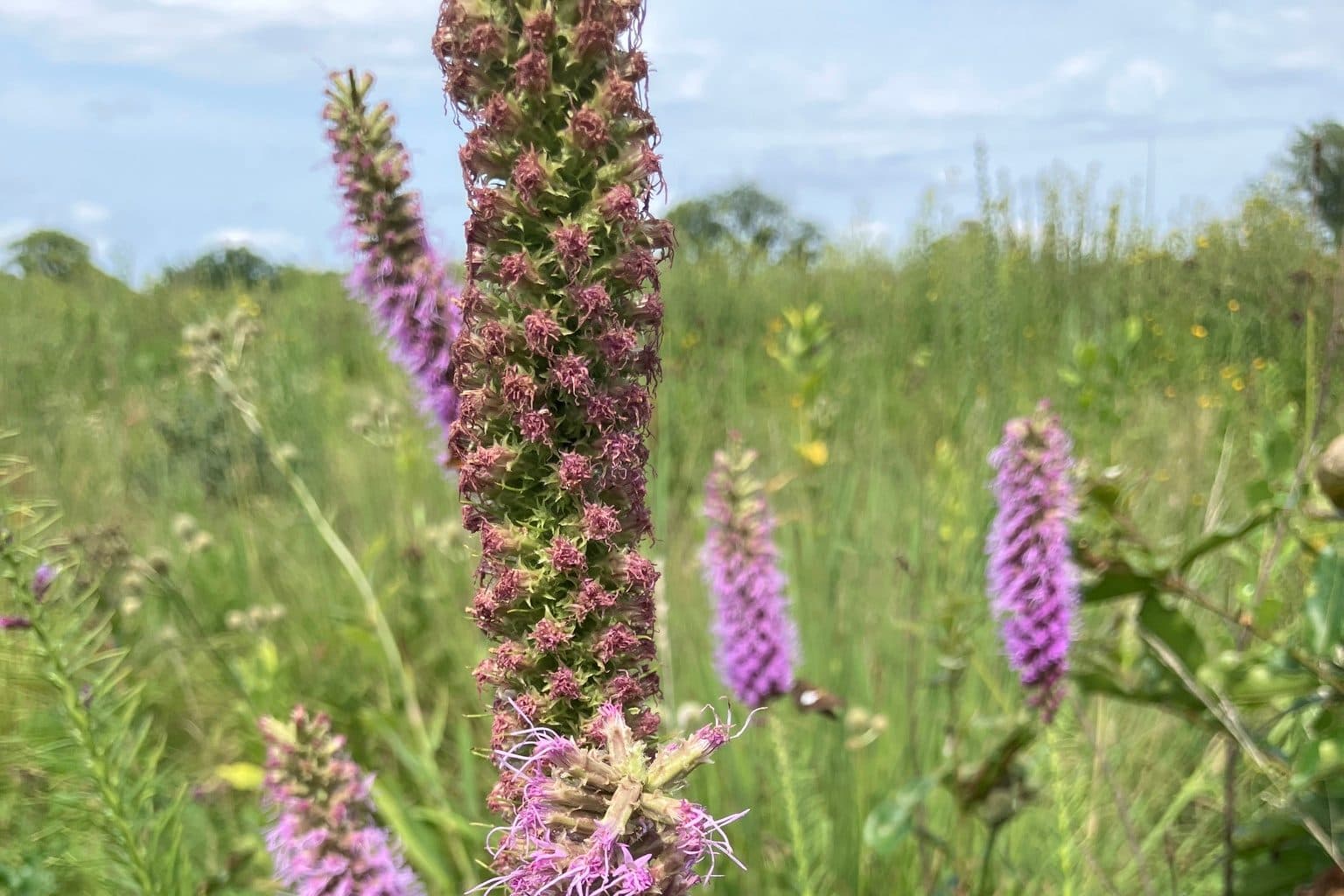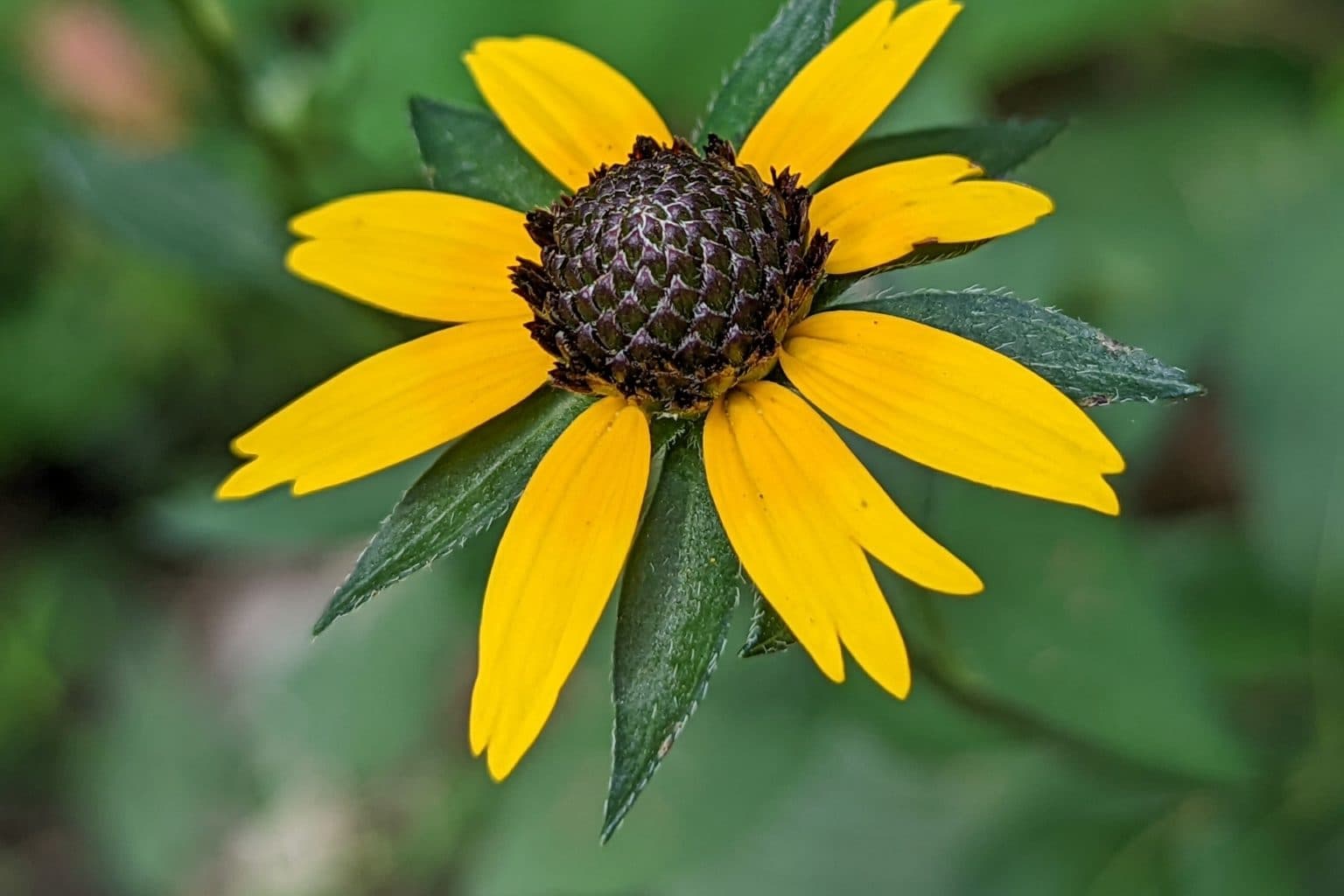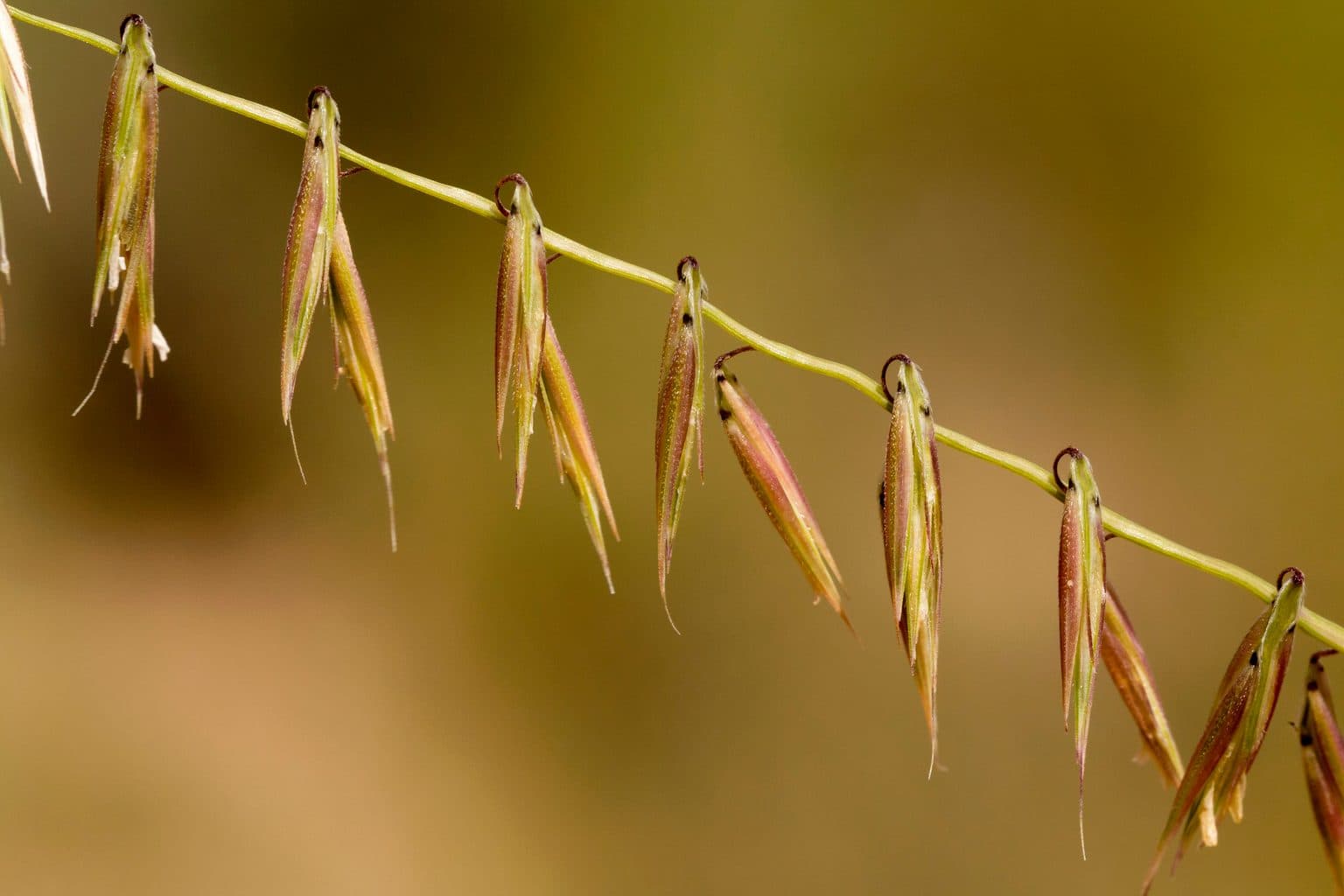
Native grasses add movement, texture, and pollinator value to a yard. But once they consistently grow above about two feet, some HOA boards start paying attention. The plants are healthy. The concern is perception.
Key takeaways
- Under 2 feet near sidewalks: Gulf Muhly, Little Bluestem, Buffalograss. Taller grasses go toward the back of beds.
- Lindheimer Muhly, Big Bluestem, Indiangrass: 4–6 feet. Beautiful but place away from street visibility.
- Height triggers "unmaintained" perception. Placement, not removal, solves it. See mulch and visibility.
- Include scientific names (Muhlenbergia capillaris, Schizachyrium scoparium) when talking to HOAs or landscapers.
Height is often where native landscaping crosses from "tidy" to "unmaintained" in the eyes of a drive-by reviewer. You don't have to avoid tall grasses. You just need to place them thoughtfully.
Why height triggers attention
HOA boards typically judge yards from the street. Tall grasses near sidewalks or driveways can block sightlines, obscure the house, or read as overgrown even when they're in peak condition. The same grasses placed toward the back of a bed often go unnoticed.
For more on how visibility shapes HOA perception, see our guide on mulch, edging, and visibility.
Grasses that stay under the radar
These Texas natives stay compact enough for front-of-bed or street-facing placement:
- Gulf Muhly (Muhlenbergia capillaris): 3-4 feet with plumes, but clumping and tidy. Pink fall color. Works near sidewalks if set back slightly.
- Little Bluestem (Schizachyrium scoparium): 2-3 feet. Upright, doesn't flop. Good for mid-bed or as a low screen.
- Buffalograss (Bouteloua dactyloides): Ground cover height. Lawn alternative that stays short.
Taller grasses: where to put them
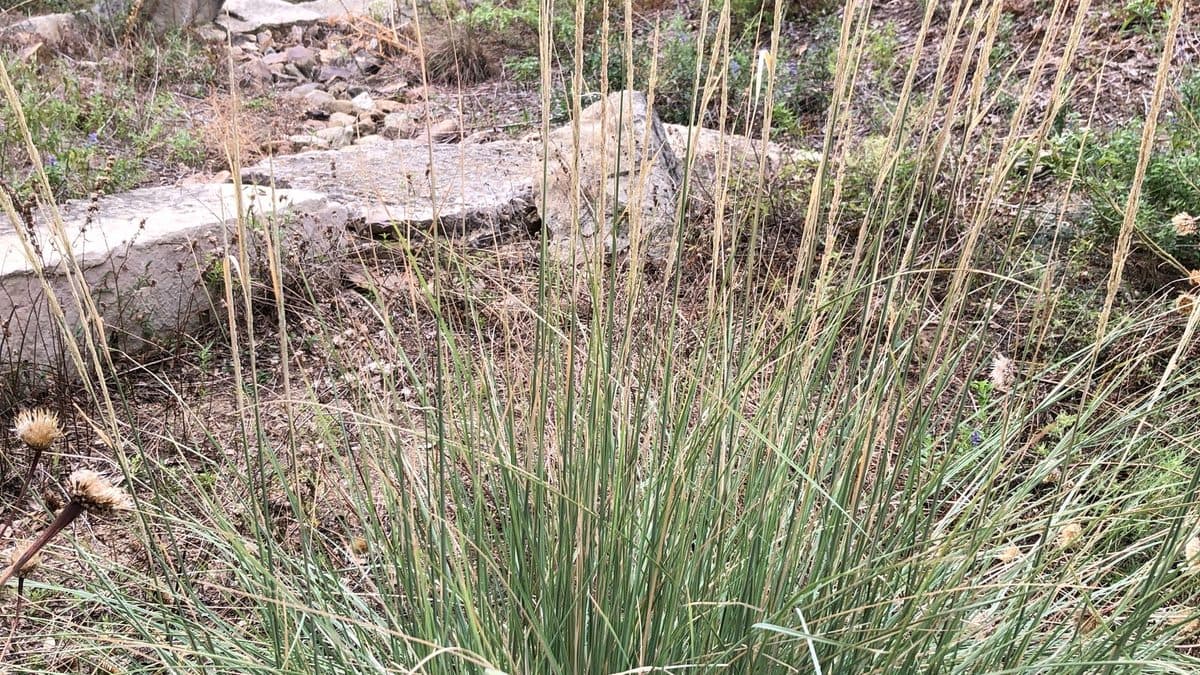
Lindheimer Muhly, Big Bluestem, and Indiangrass can reach 4-6 feet or more. They're beautiful and support wildlife. The fix is placement, not removal.
- Place them toward the back of beds, near the house or property line
- Keep them away from sidewalks and driveway edges
- Use them as a screen or anchor, not as a border
- Stagger heights so the bed doesn't read as one tall wall
A well-designed native bed uses height layering: low at the street, medium in the middle, tall at the back.
Cutback timing matters
Native grasses look their tidiest after a late-winter cutback. If your HOA inspects in spring before you've trimmed, last year's plumes can look ragged. Cut back once new growth appears (typically February or March in Central Texas). For a full seasonal schedule, see our maintenance checklist.
The short version
Tall native grasses work in HOA neighborhoods when you place them strategically. Keep shorter species near the street. Put taller ones toward the back. Clean edges and defined beds do the rest.
Ready to plan a native yard with height in mind?
Pollinator Patch helps you layer plants by height and design for curb visibility.