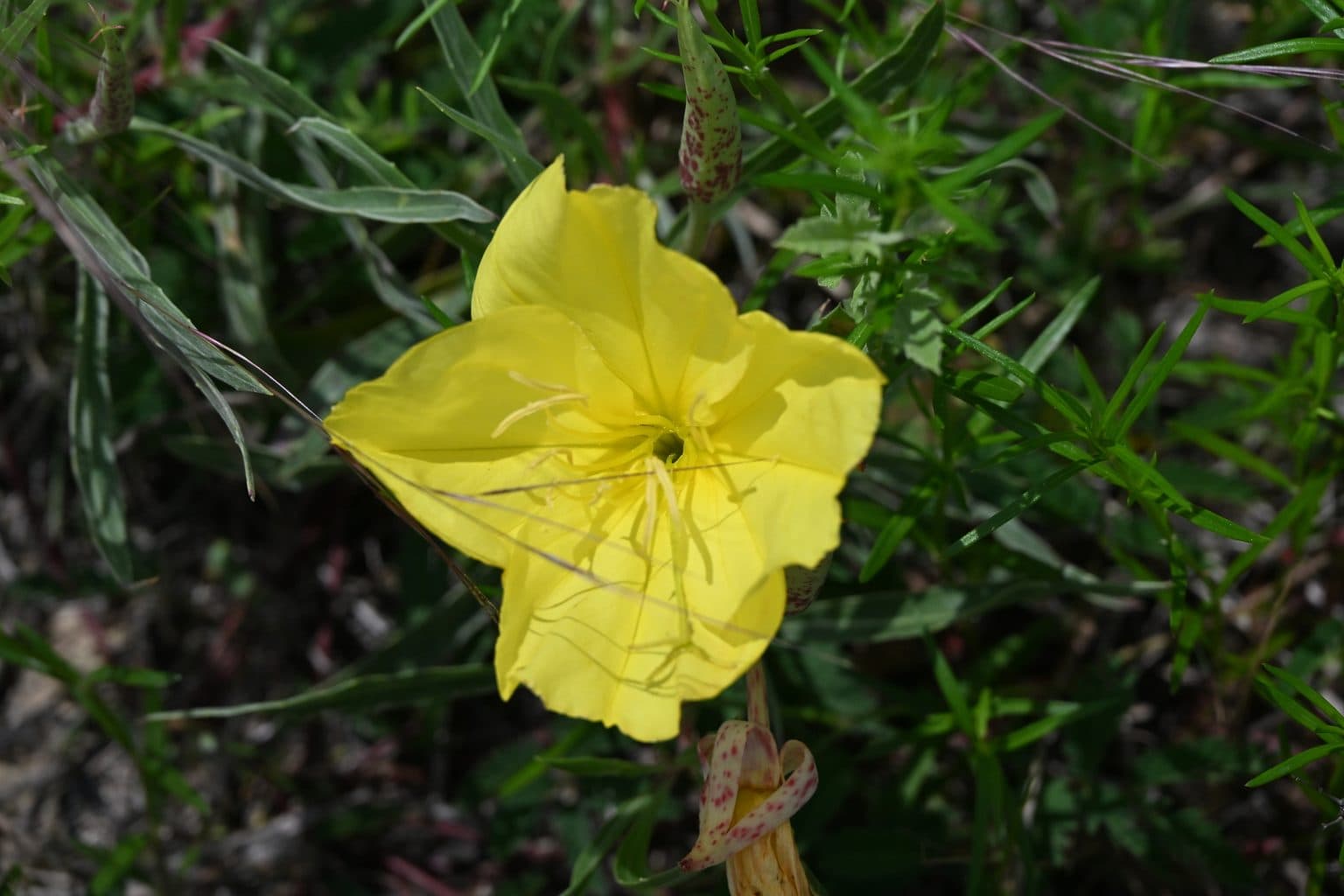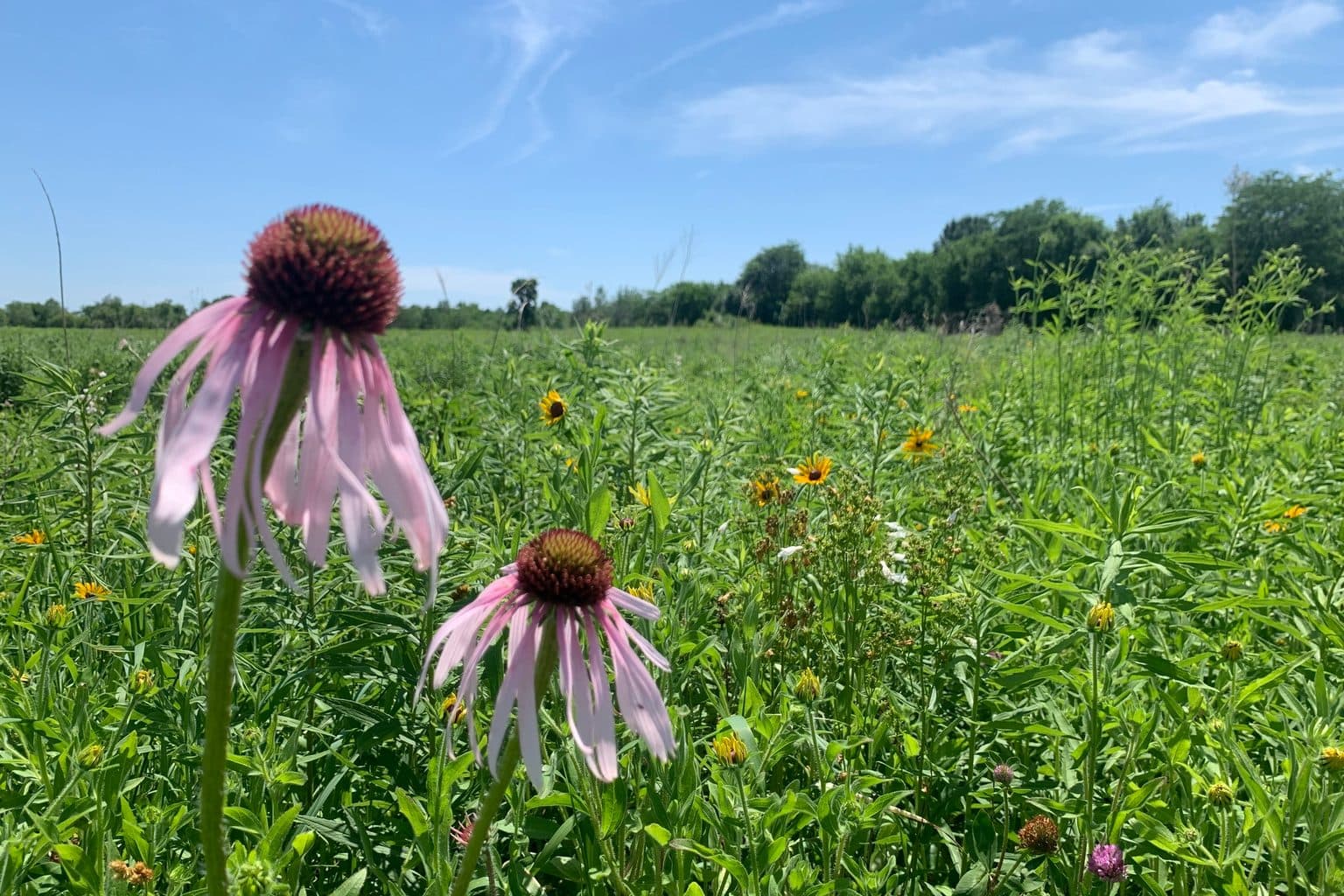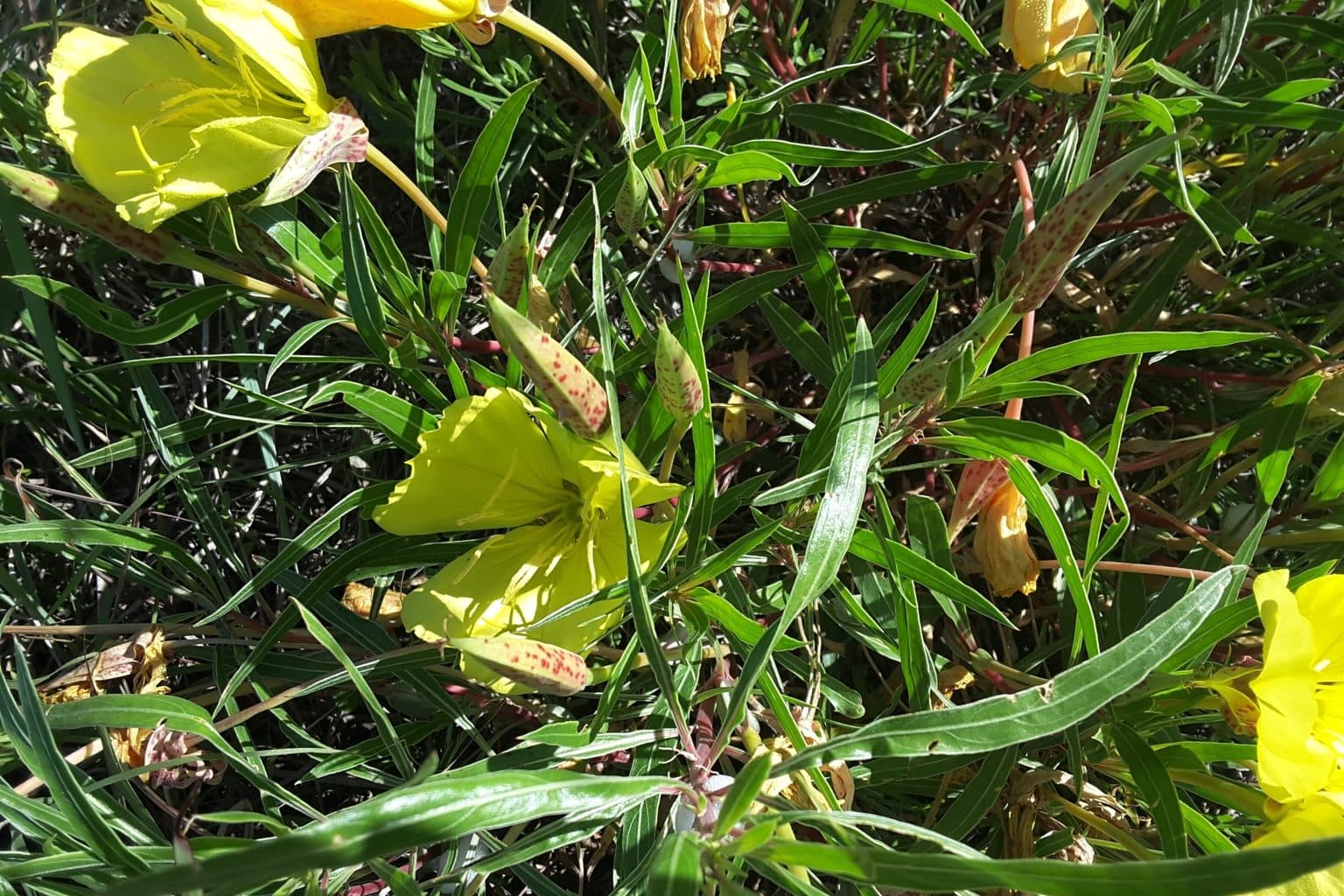
Austin sits at the crossroads of the Edwards Plateau and Blackland Prairies. That means you can grow a wide range of native plants. The city also runs rebate programs that pay you to rip out turf. Here's what works, what HOAs actually care about, and when to plant.
What native plants work in Austin?
Austin soil is mostly limestone-based. Alkaline, well-drained. Plants that evolved here handle that. Blackfoot Daisy stays tidy and blooms spring through fall. Mealy Blue Sage is one of the most HOA-friendly natives: compact, long-blooming, blue-purple spikes. Lindheimer Muhly adds structure without looking wild. Texas Mountain Laurel works if you want a small tree with fragrant spring blooms.
For shade under live oaks, Cedar Sage and Turk's Cap do well. Gulf Muhly gives you pink fall plumes. Check the Austin city page for a full list of plant picks by ecoregion.
Austin rebate programs: WaterWise and LCRA
Austin Water runs the WaterWise Landscaping Rebate. Pre-approval required. Apply before you break ground. The program covers turf-to-native conversion. Amount varies by project. LCRA WaterSmart covers several Austin-area suburbs: Cedar Park, Pflugerville, Leander. Up to $3,000 total per property. LCRA directs City of Austin customers to Austin Water, and Round Rock residents are no longer LCRA-eligible, so most homes qualify for one program or the other.
Both programs want before photos, a plan, and after photos. Apply online. Don't start work until you have approval. That's the mistake that kills most applications. More details on the Austin Water rebate post and the rebates page.
HOA landscaping in Austin: what to expect
Austin has a mix of neighborhoods. Historic areas with minimal rules. Newer master-planned communities with detailed architectural review. HOAs care more about clean edges and defined beds than which plants you pick. Structure signals care. Mulch between plants. Shorter plants near the street, taller near the house. Repeat 2 or 3 species in groups instead of one of everything.
A written plan with plant list and layout helps when you talk to your board. Austin Water rebate documentation can support your case. The city doesn't override HOA rules, but showing municipal support for water-wise landscaping can matter.
When to plant and where to buy
Fall is best. October and November give roots time to establish before summer heat. Spring works too, but you'll water more the first year. Austin summers are hot and dry. Native plants establish faster when you plant in fall.
Barton Springs Nursery and The Natural Gardener specialize in Texas natives. Skip the big box stores for this. You want plants grown for Central Texas conditions. Austin Water offers free irrigation evaluations. Many nurseries can help you pick species that qualify for rebates.