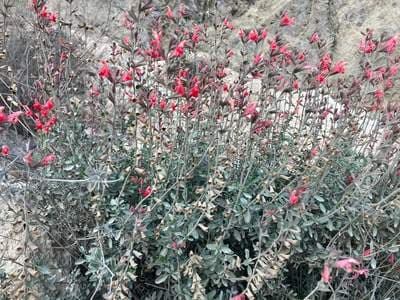
Texas Gardeners Love This Shrub, But It's Actually Invasive
The short version
- Vitex seeds spread by birds and can outcompete native plants in limestone and dry creek beds.
- Mexican Buckeye is a Texas native with showy spring blooms.
- Swap for Mexican Buckeye for pollinator value without the invasive impact.
Vitex (Chaste Tree) is marketed as pollinator-friendly and drought-tolerant. It is also invasive in Texas. Birds eat the seeds and spread them; seedlings show up in limestone outcrops and dry creek beds and can outcompete native plants. Mexican Buckeye gives you the same showy spring blooms and real ecological value without the invasion.
Why Vitex is invasive
Vitex (Vitex agnus-castus) produces seed that birds disperse. In the right conditions it establishes quickly and can form thickets, especially in rocky or dry sites. It is often sold at nurseries and promoted for butterflies, which makes it a trap: it looks good in a garden but contributes to invasion elsewhere. Many Texas natural areas are dealing with Vitex establishment.
Grow Mexican Buckeye instead
Mexican Buckeye (Ungnadia speciosa) is a Texas native small tree or large shrub with pink to white spring flowers. It is drought-tolerant and fits the same "showy spring bloom" role as Vitex. Pollinators use it. It does not spread invasively. For more native shrub and tree options, see native shrubs vs ornamental Texas and best native plants for Texas.
For HOA-conscious design, see our cues of care guide. Check rebates in your city for water-wise landscaping.
Plan a native yard
Pollinator Patch helps you pick plants by region. Rebates can offset conversion costs.
See a finished plan for a yard like this
Find our guides useful? Add Pollinator Patch as a preferred source on Google and articles like this one will show up higher in your own search results.