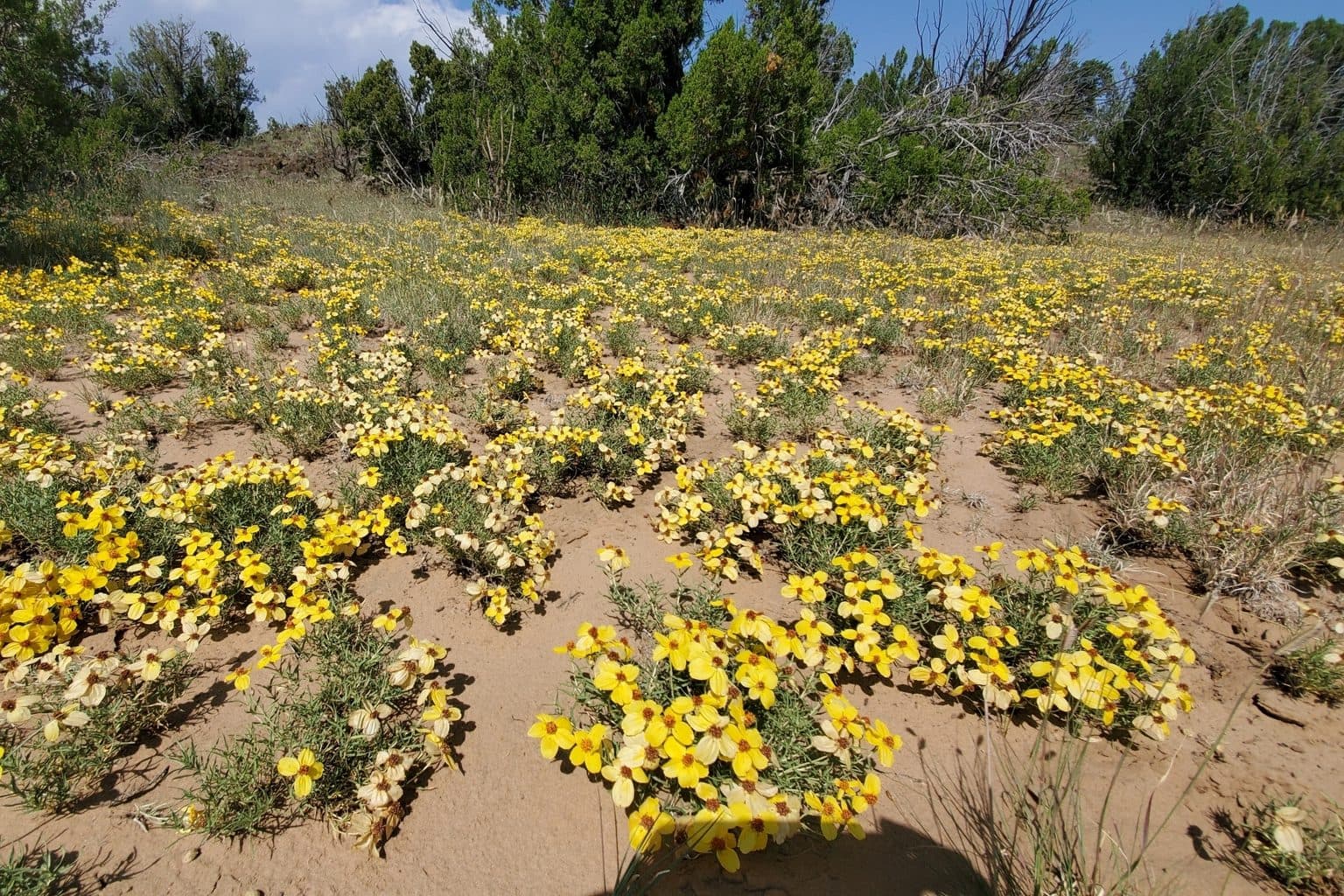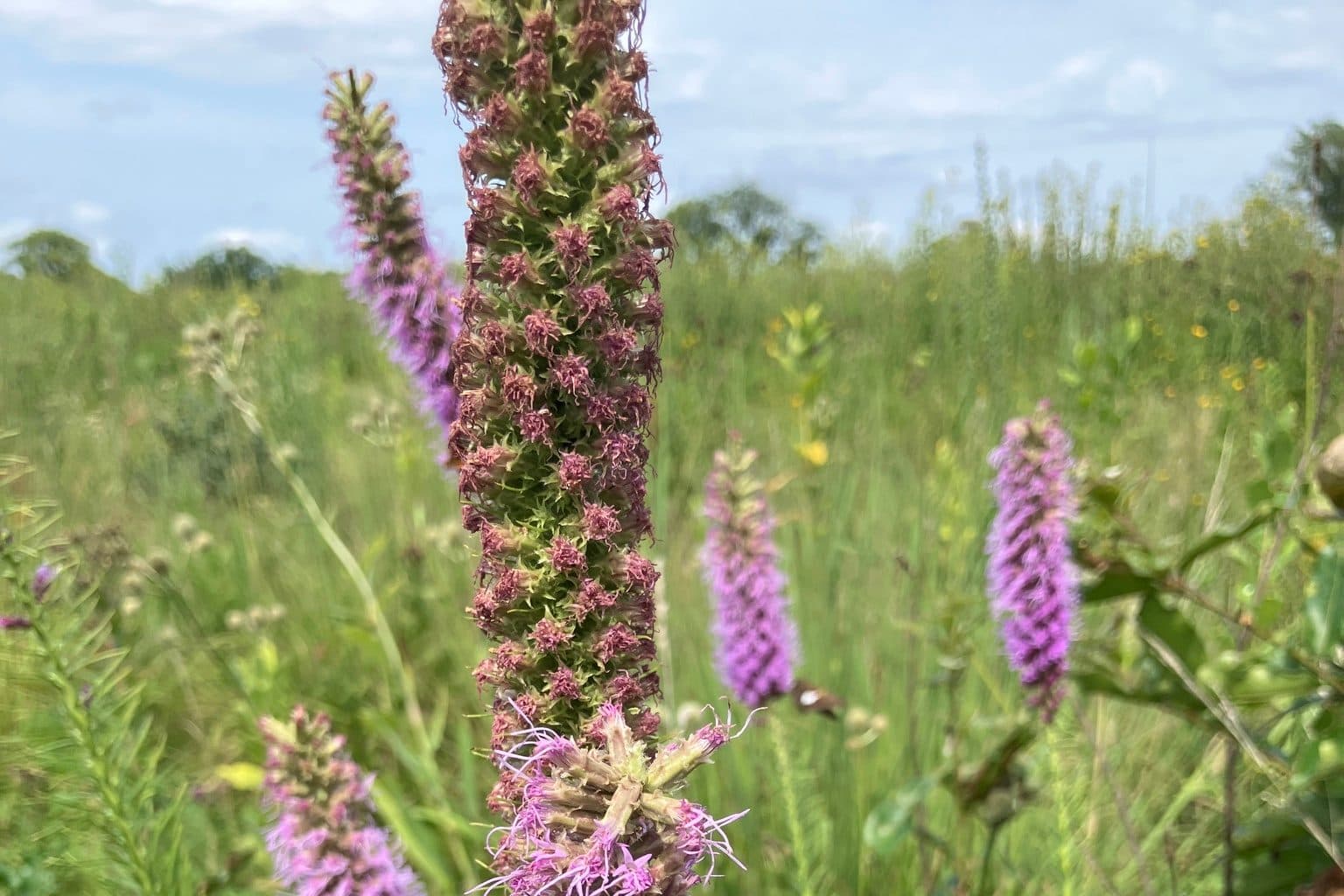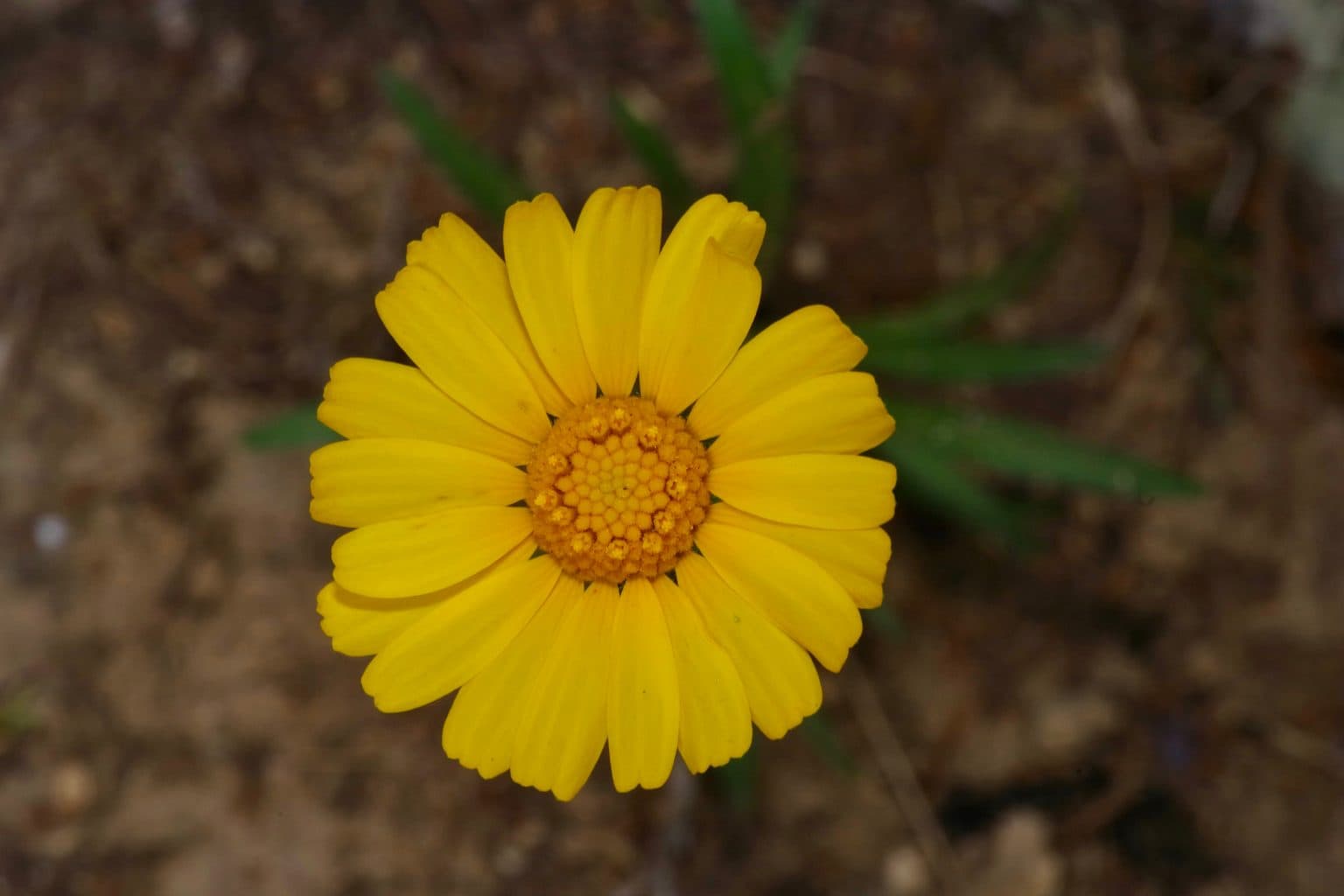
Gravel and native plants pair well. Gravel drains fast, suppresses weeds, and reads as low-maintenance. Native plants handle heat and lean soil. Together they create a look that's common in desert and Mediterranean landscaping, and it can work in Texas HOA neighborhoods when the design is intentional.
Key takeaways
- Decomposed granite (DG) and small river rock read as intentional. Avoid fine sand and large jagged rock in walkways.
- Edges matter more than gravel color. Metal, stone, or spade-cut borders signal design. See mulch and edging.
- Cluster plants in groups of 3–5. Gaps as gravel read as intentional. Random singles read as unfinished.
- Blackfoot Daisy, Mealy Blue Sage, Prairie Verbena, Gulf Muhly, Cenizo handle well-drained gravel beds.
The key is treating gravel as a design element, not a shortcut. Defined edges, grouped plantings, and consistent material choices make the difference between "maintained" and "abandoned."
Gravel types that work
Decomposed granite (DG) and small river rock (3/8 inch or similar) read as intentional. They're familiar in xeric landscaping and stay put better than pea gravel. Avoid very fine sand; it washes away and blows around. Avoid large, jagged rock in high-traffic areas; it's hard to walk on.
For more on xeriscaping vs native landscaping, see xeriscaping vs native landscaping.
Edges matter more than gravel color
Clean borders between gravel and lawn, sidewalk, or planting beds signal design. Without them, gravel can look like it's spreading into the yard or that the bed was never finished. Metal, stone, or a crisp spade-cut edge all work. For more on this, see mulch, edging, and visibility.
Plant placement: clusters, not scatter
Group plants in clusters of 3-5 rather than scattering singles. Repetition creates a designed look. Gaps between clusters can be gravel, which reads as intentional negative space. Random single plants in a sea of gravel read as accidental or unfinished.
For layout principles, see why structure matters more than plant choice.
Native plants that thrive in gravel beds
Texas natives that handle well-drained, lean conditions:
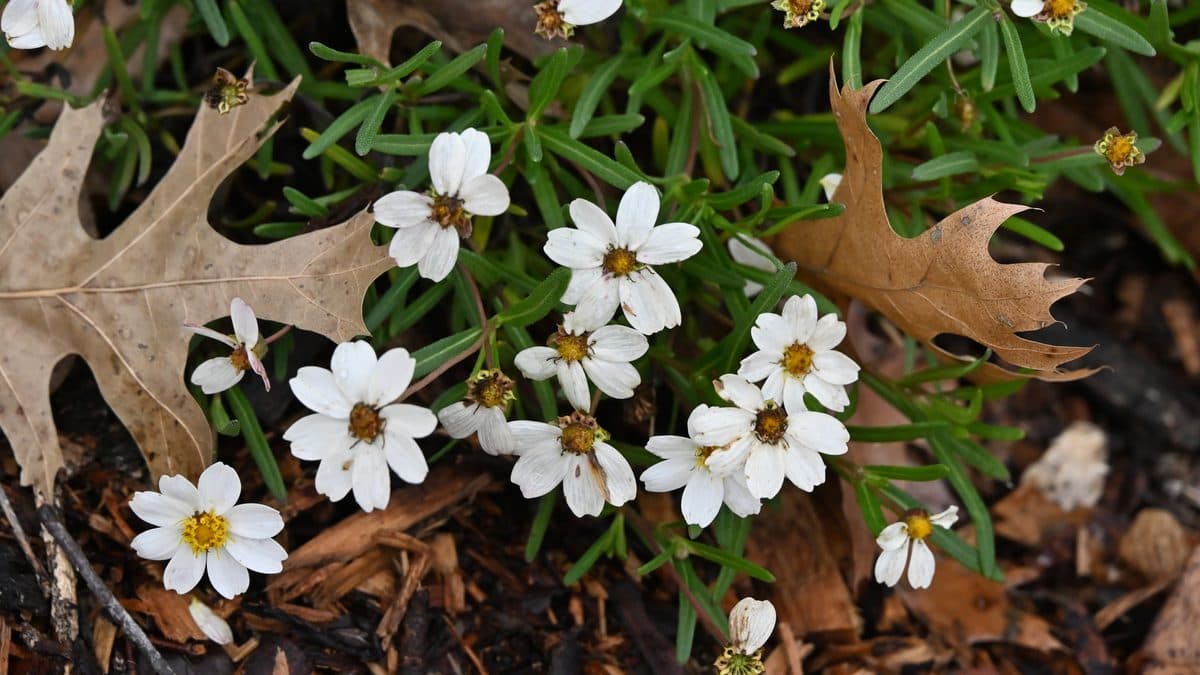
- Blackfoot Daisy: Low, mounding, long bloom. Front of bed.
- Mealy Blue Sage: Upright, 2-3 feet. Blue spikes. Pollinator magnet.
- Prairie Verbena: Spreading, purple clusters. Edge filler.
- Gulf Muhly: Grass, pink fall plumes. Structure and movement.
- Cenizo / Texas Sage: Shrub, silvery foliage. Zero water once established.
For more plant picks, see best native plants for Texas.
Gravel depth and weed barrier
A 2-3 inch layer of gravel over soil is usually enough. Deeper gravel doesn't help much and can make it harder for plants to establish. Some people use landscape fabric under gravel; it can reduce weeds but also blocks water and makes future changes harder. Many native gardeners skip it and rely on gravel depth and plant coverage instead.
Want to plan a gravel and native plant bed?
Pollinator Patch helps you design layouts and pick plants for your conditions.