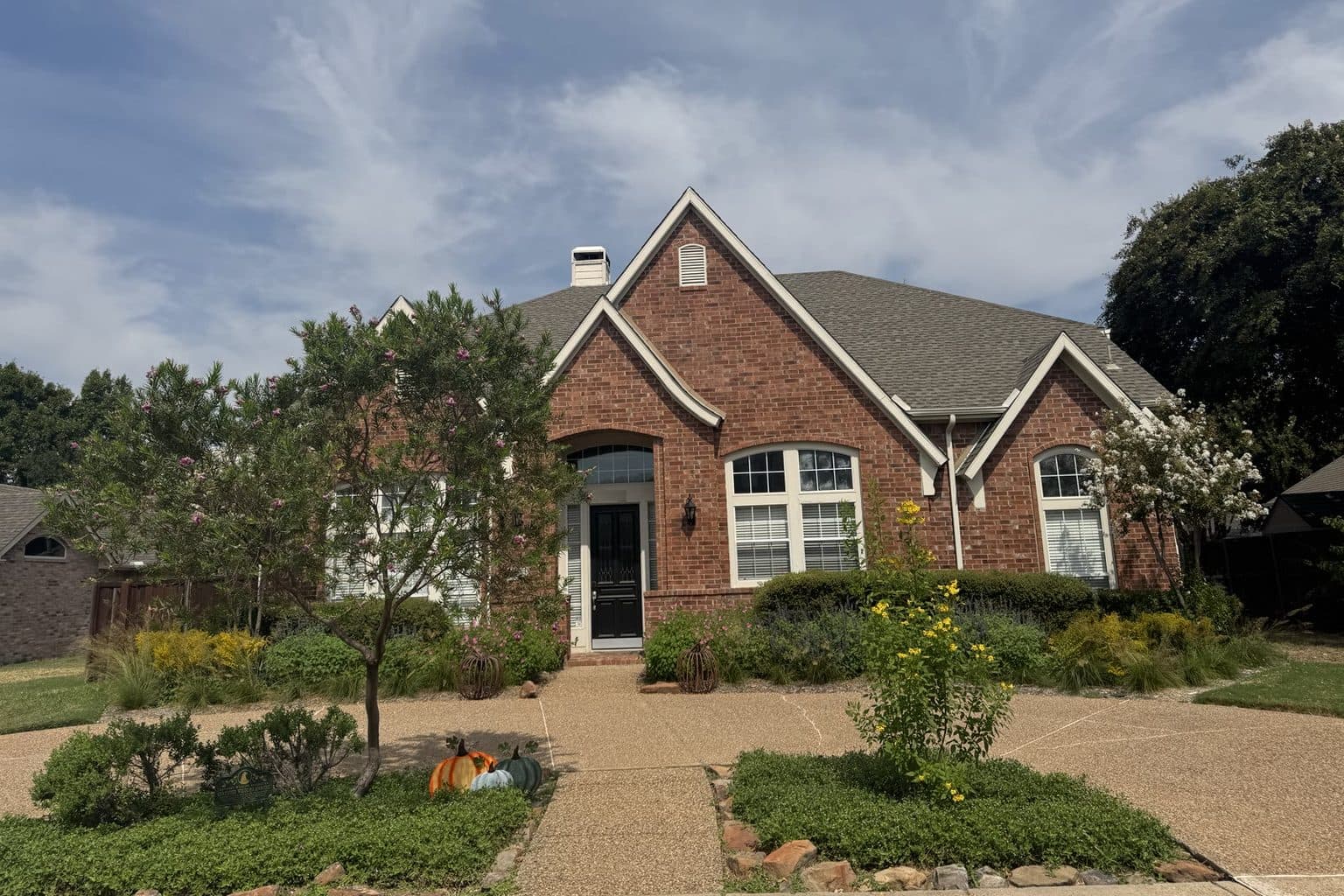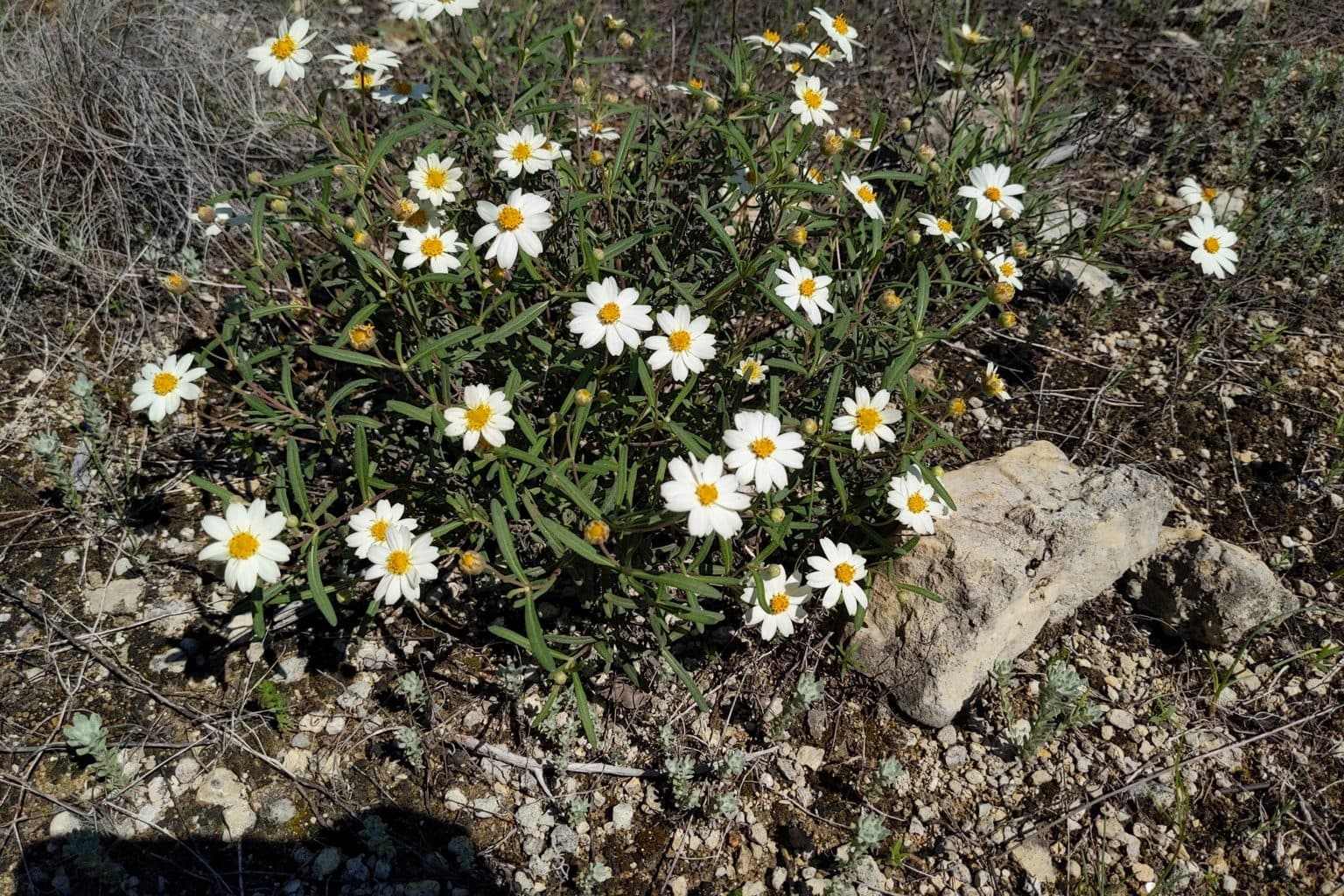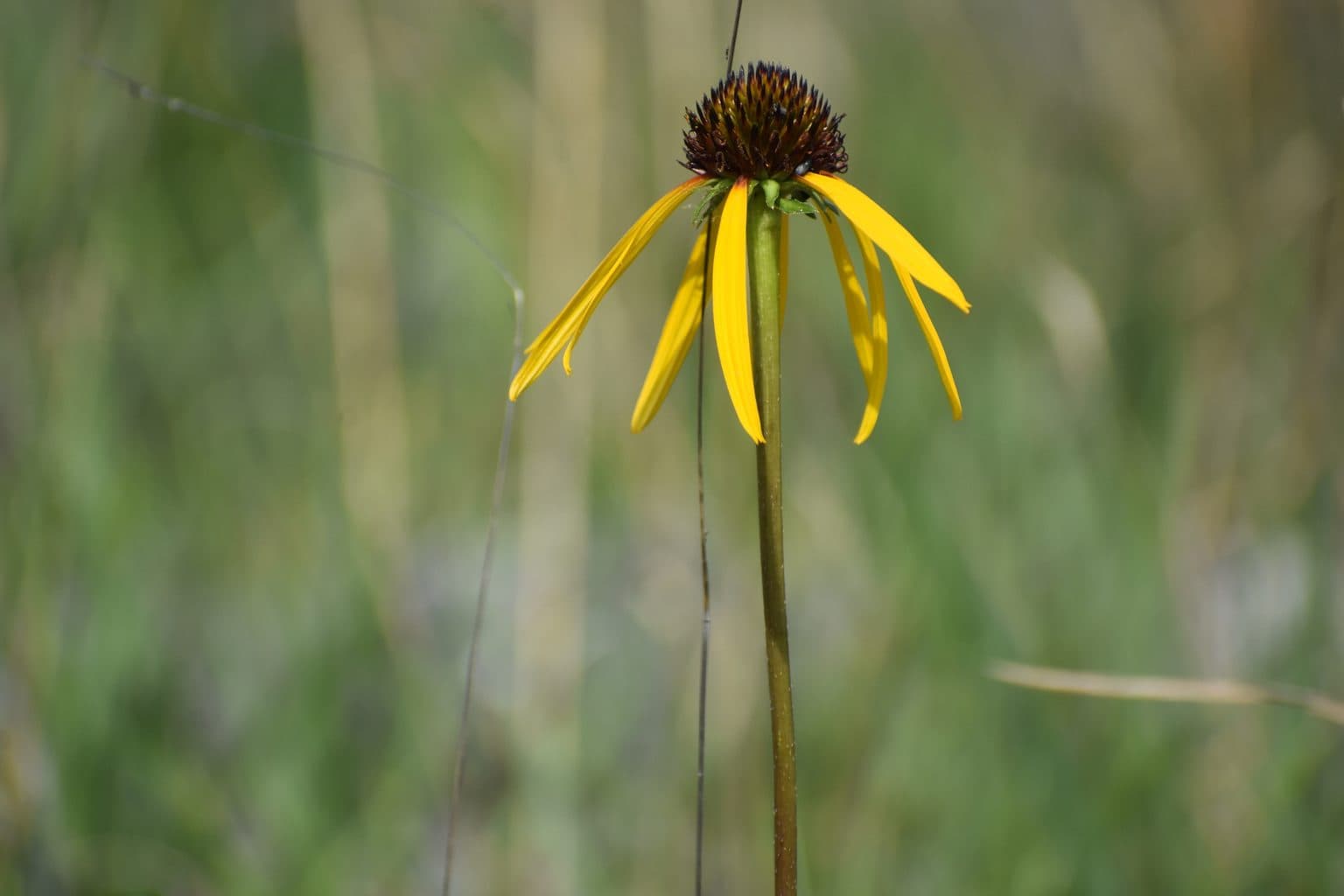
You don't have to remove all your grass. A hybrid yard with turf in some areas and native plants in others can cut water use, support pollinators, and still meet HOA expectations. The question is where turf earns its keep and where natives do the job better.
Key takeaways
- Keep turf: play areas, paths, high-visibility strips where HOAs expect lawn. Convert the rest.
- Easiest first project: hell strip (sidewalk to street). Frogfruit, low wildflowers. See step-by-step lawn replacement.
- Phased conversion reads as more deliberate than all-or-nothing. Defined beds plus maintained lawn signal design.
- Austin, Georgetown, San Antonio, Denton offer rebates. Apply before you start. See Texas rebates.
Turf uses a lot of water. Native beds use far less once established. The goal is to keep grass only where it provides real value: play areas, paths, or high-traffic zones. Convert the rest.
Where turf makes sense
Keep grass in places where people actually use it:
- Play areas: Kids and dogs need a soft surface. A patch of turf for running and playing earns its water use.
- Paths and walkways: A narrow strip of grass between beds can define circulation and feel softer than gravel or mulch.
- High-visibility strips: Some HOAs or neighborhoods expect a bit of lawn in front. A small, well-maintained strip can satisfy that while the rest of the yard goes native.
Where to convert first
The easiest first project: the strip between the sidewalk and the street. It's usually the hardest to water, the first to brown in summer, and often the least used. Converting it to natives (Frogfruit, low wildflowers, or a mix) cuts water use and creates a pollinator strip without touching your main lawn.
For a step-by-step process, see how to replace your lawn with native plants.
A mix often reads as more intentional
An all-or-nothing approach can feel risky. A phased conversion, with turf and native beds side by side, often reads as more deliberate. Defined beds with clean edges, plus a maintained lawn in between, signal "someone designed this" more clearly than a sudden meadow.
For design cues, see why structure matters more than plant choice.
Rebates can offset conversion cost
Many Texas cities offer rebates for turf removal and native conversion. Austin, Georgetown, San Antonio, and Denton have programs. Check Texas native landscaping rebates for your area. Apply before you start; most require pre-approval.
For cost comparison, see native landscaping vs lawn: what it actually costs.
Turf alternatives for low-traffic areas
If you want to reduce lawn but keep something green underfoot, consider Frogfruit, Buffalo Grass, or a mix of low native ground covers. For options, see pet-friendly native ground cover and native plant alternatives that save water.
Ready to plan a hybrid yard?
Pollinator Patch helps you design layouts and pick plants for phased conversions.