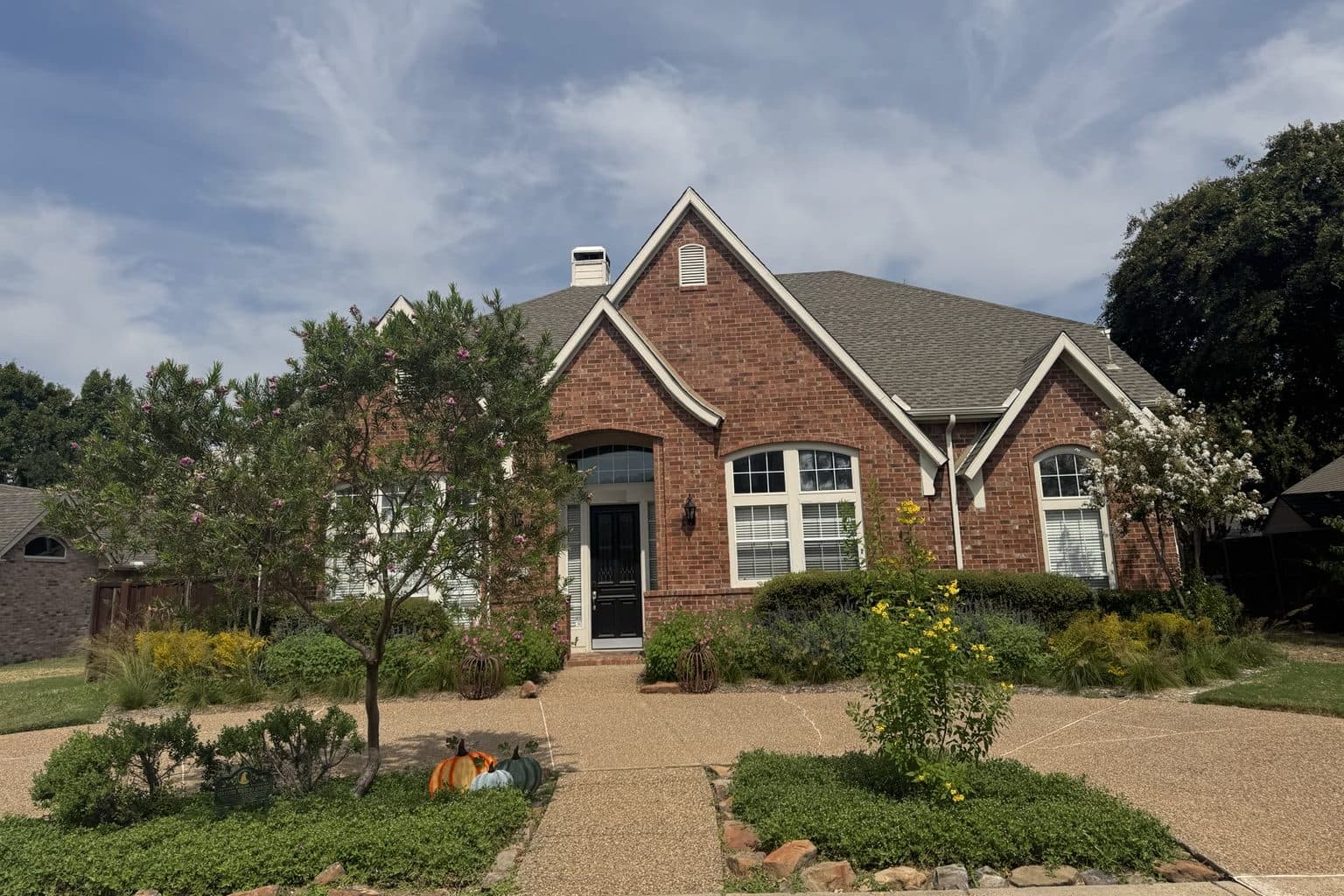
Let's be honest about the money. Converting your lawn to native plants costs more upfront than keeping the grass. That's the part most articles skip over. But the five-year math tells a completely different story.
Year 1: Native conversion is more expensive
No sugarcoating it. Ripping out turf, amending soil, buying plants, laying mulch, installing edging. It adds up. A typical 1,000 sq ft front yard conversion runs $1,500 to $3,500 depending on your plant choices, whether you DIY, and what kind of soil you're working with.
Meanwhile, your neighbor's lawn costs maybe $800 to $1,200 that same year (mowing, watering, fertilizer, weed control). So yeah. Year 1 goes to the lawn.
Years 2 through 5: That's where it flips
Here's what happens after your native plants get established. You stop watering (or nearly stop). You stop mowing. You stop buying fertilizer. Your ongoing cost drops to maybe $100 to $300 per year for occasional mulch and seasonal trimming.
The lawn? It keeps costing the same thing every single year. Mowing service, water bill, fertilizer, weed treatments. $800 to $1,200, year after year.
5-year cost comparison: 1,000 sq ft front yard
| Year | Traditional lawn | Native conversion |
|---|---|---|
| Year 1 | $800 - $1,200 | $1,500 - $3,500 |
| Year 2 | $800 - $1,200 | $100 - $300 |
| Year 3 | $800 - $1,200 | $100 - $300 |
| Year 4 | $800 - $1,200 | $100 - $300 |
| Year 5 | $800 - $1,200 | $100 - $300 |
| 5-year total | $4,000 - $6,000 | $1,900 - $4,700 |
That's before rebates. We'll get to those.
The water bill is where you really feel it
If you're in Texas, you already know what summer water bills look like. A 5,000 sq ft lawn can easily add $150 to $300/month from June through September. Even a smaller front yard runs $50 to $150/month in extra water during peak heat.
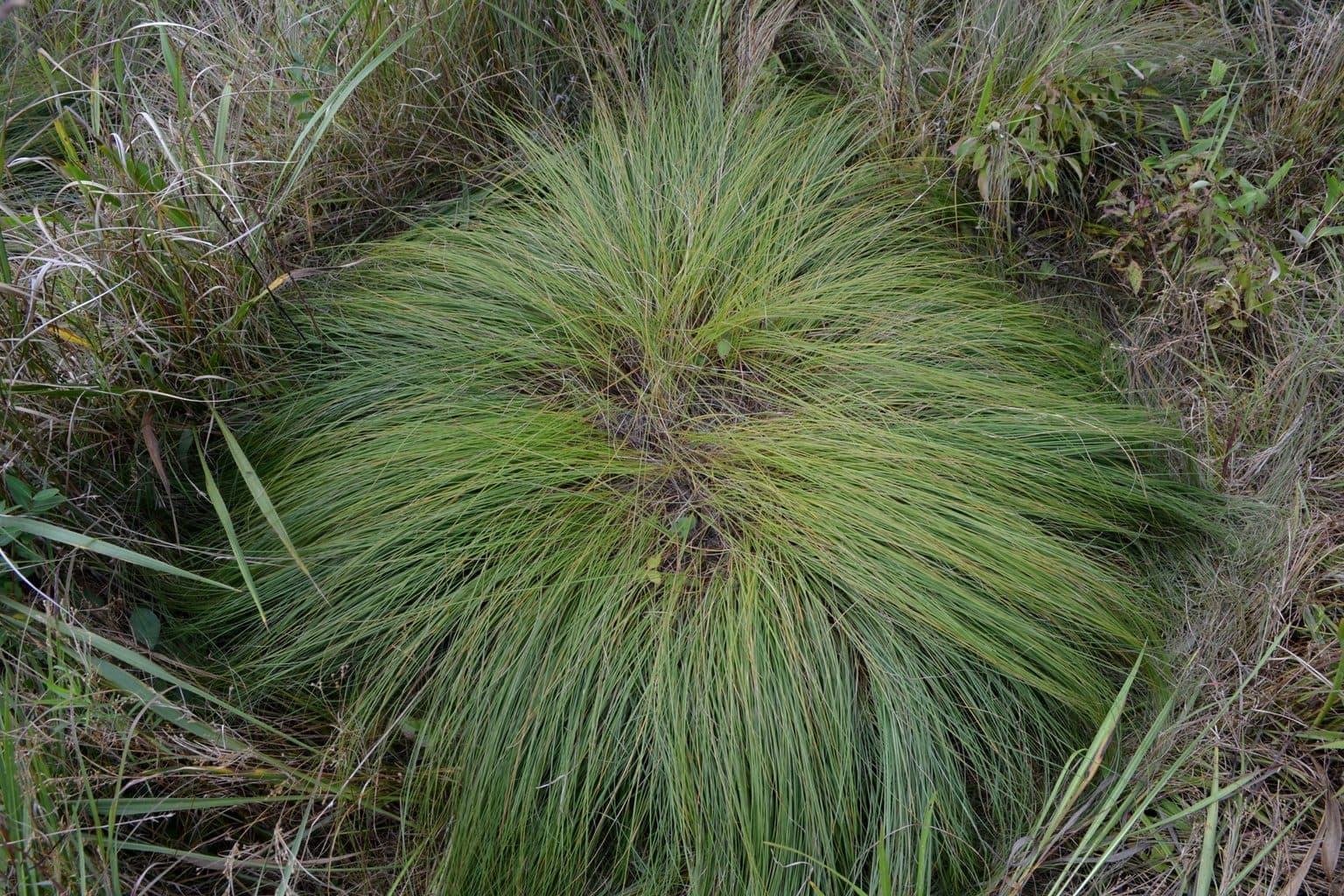
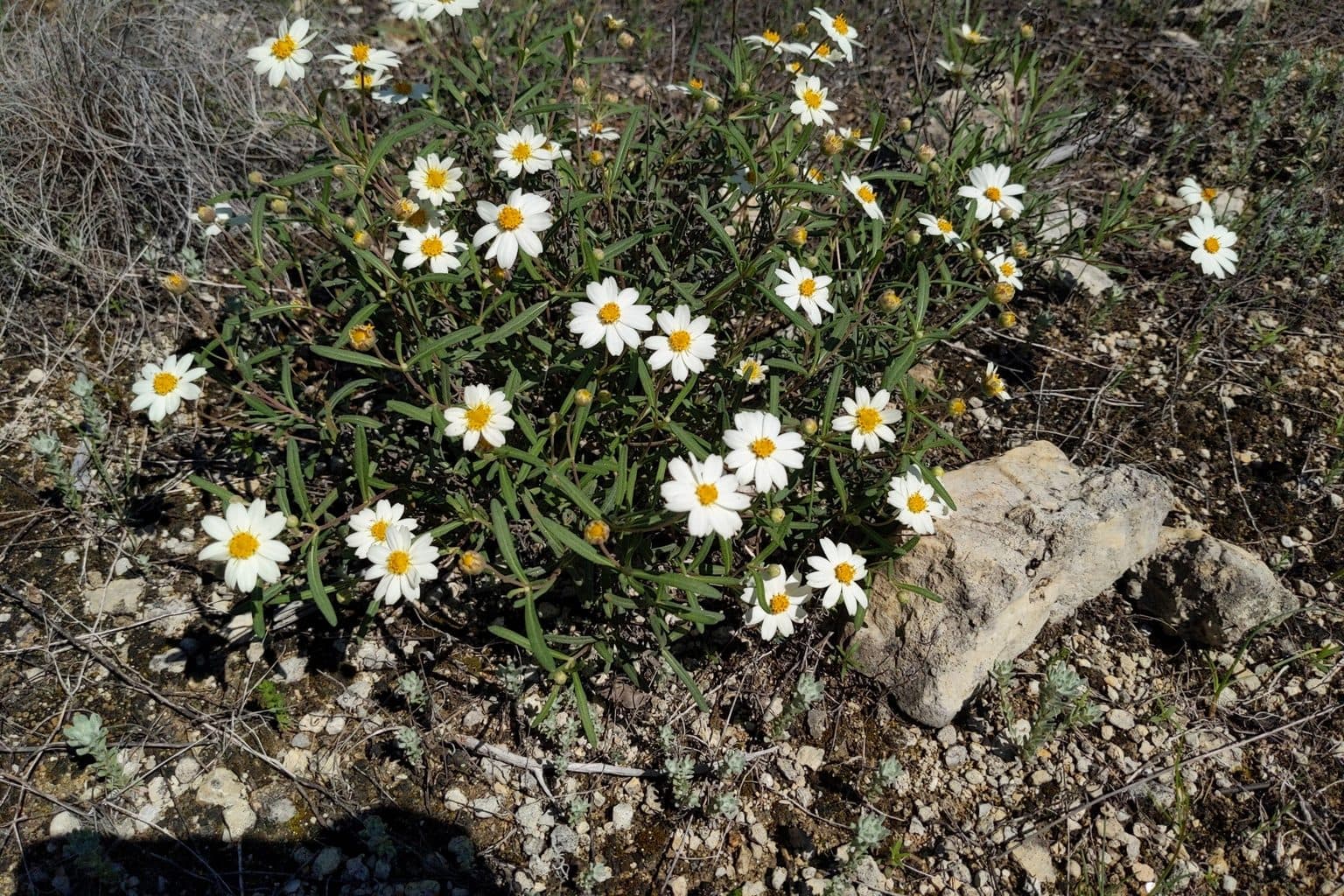
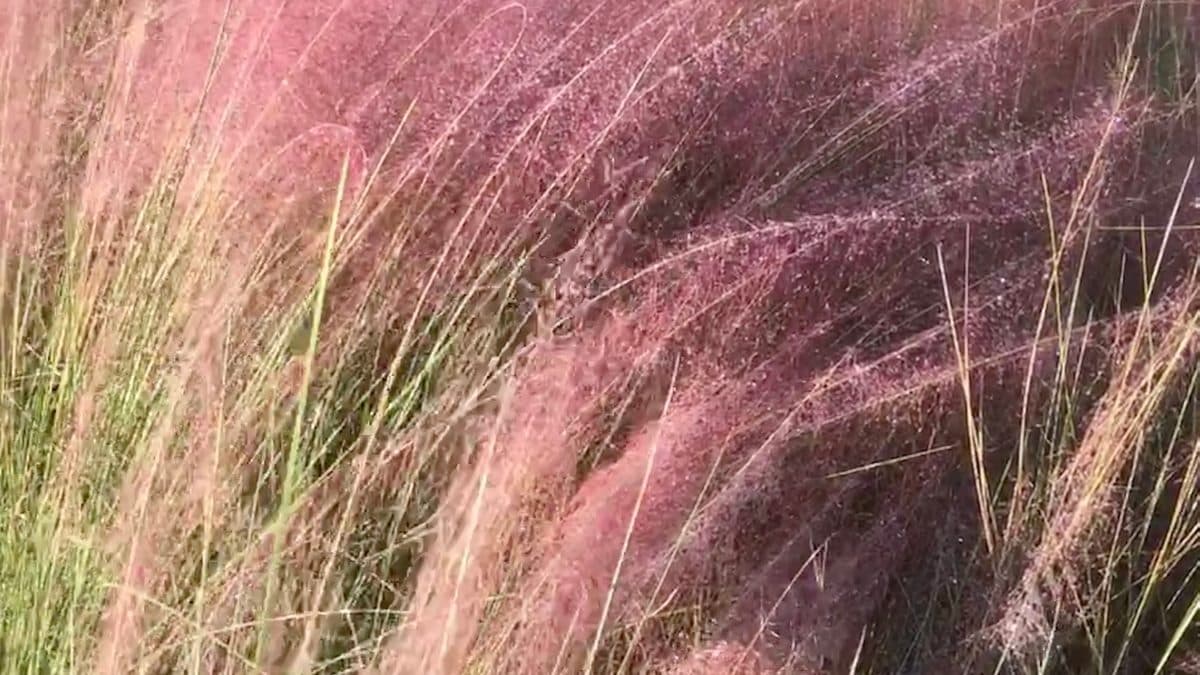
Native plants like Blackfoot Daisy (Melampodium leucanthum), Flame Acanthus (Anisacanthus quadrifidus var. wrightii), and Gulf Muhly (Muhlenbergia capillaris) need zero supplemental irrigation once established. That water bill drops and stays down. We wrote a whole post about stopping the sprinkler cycle if you want the details.
The breakeven point
For most people, the crossover happens somewhere in Year 2 or early Year 3. By Year 3, you've spent less total on the native yard than you would have on lawn maintenance. And every year after that, the gap keeps widening.
Five years out, a native front yard typically saves $2,000 to $4,000 compared to keeping the lawn. Ten years? You're looking at $5,000 to $10,000. Real money.
Now add rebates to the math
This is where it gets interesting. A lot of Texas cities will actually pay you to replace your lawn. Austin offers rebates for water-wise landscaping. Georgetown has a rebate program that goes up to $5,000 per year.
At $1 to $3 per square foot in rebates, a 1,000 sq ft conversion could get you $1,000 to $3,000 back. That can cut your Year 1 cost in half. In some cases, rebates can make the conversion nearly free.
When rebates cover most of Year 1, you start saving money from day one. The breakeven point moves from Year 2-3 to basically right now.
Example: 1,000 sq ft conversion in Central Texas
- Sod removal and soil prep: $400 - $800
- Native plants (40-60 plants, 1-gallon pots): $400 - $900
- Hardwood mulch (3 inches deep): $150 - $250
- Metal edging: $100 - $200
- Drip irrigation for establishment year: $200 - $400
- Total before rebates: $1,250 - $2,550
- After a $1,500 rebate: $0 - $1,050
What people forget to count
The numbers above are direct costs. But there's more. With a lawn, you're spending time every week (or paying someone to). Mowing, edging, weed pulling, adjusting sprinklers. With an established native yard? Maybe a couple hours per season.
Your time is worth something. For a lot of homeowners, that's the savings that actually matters most.
Want to run the numbers for your yard?
Pollinator Patch helps you plan a native conversion with plants that work for your zone and your budget. Check your local rebates and see what the real cost looks like.