Quick answer: Being on an approved plant list is not protection. What protects you is a written pre-approval that names each species, the location, and the date. Without that document, an HOA management company can still fine you under vague "neat and orderly" language, even for a plant they listed themselves.
HOA plant approval lists feel reassuring. You check the list, see your plants on it, and assume you are covered. In practice, the list is a starting point, not a shield. The fines still come, and homeowners are often blindsided by the gap between "it was on the list" and "we still need to approve your specific plan."
Why the approved list isn't enough
Most HOA governing documents include two separate things: a list of approved plants and a separate approval process for landscape changes. These are not the same thing. A plant can appear on the approved list and still require a separate written approval before you install it. Management companies routinely use discretionary language like "changes to landscaping require prior written approval from the Architectural Review Committee" alongside the plant list, which means the list is a necessary condition, not a sufficient one.
The practical effect: you plant something from the approved list without filing a formal request, and the ARC flags your yard as "unapproved landscape modification." The fine is real. The appeal process is slow. And pointing to the approved plant list often doesn't resolve it because the HOA's position is that you skipped the process, not that you planted the wrong plant.
The "neat and orderly" problem
Most CC&Rs include a catch-all clause requiring yards to appear "neat and orderly" or "well-maintained." This language gives management companies significant discretion. Homeowners in native plant communities have reported receiving fines for plants that appeared on the HOA's own approved list, with the stated violation being "unkempt appearance" rather than any specific plant.
The documented pattern
Fine first, ask questions later. In multiple cases shared in HOA discussion forums and native plant communities, management companies issued violation notices and only walked back the fine after homeowners produced documentation showing both (a) the plant was on the approved list and (b) a prior written approval had been granted naming that plant specifically. The written approval was the thing that mattered, not the list.
The reason this pattern holds is financial. Management companies collect fees on violation notices in some contracts. Discretionary language like "neat and orderly" gives them the authority to issue those notices. The burden then falls on the homeowner to produce documentation proving the approval was obtained and followed.
What Texas law actually says
Texas Property Code §202.007 (opens in new tab) limits the ability of HOAs to prohibit or restrict water-efficient landscaping and certain native plants. Subsection (d-1) goes further, barring an HOA from unreasonably rejecting that landscaping as aesthetically incompatible with the subdivision. These laws matter and you should know them. For the full list of landscaping rules these statutes override, see unenforceable HOA rules in Texas.
What they do not do: they do not eliminate the approval process requirement. An HOA can still lawfully require written pre-approval for landscape changes as long as that process doesn't effectively function as a ban on protected plants. If you plant without going through the process and then cite §202.007 in an appeal, you are fighting a harder battle than if you had documentation from the start.
The three documents that actually protect you
This is the process that closes the gap between "on the list" and "documented approval."
- •Step 1: Get the approved plant list in writing. Request it by email so you have a timestamped copy. If the HOA only provides it verbally, ask them to email it to you. You need this in writing.
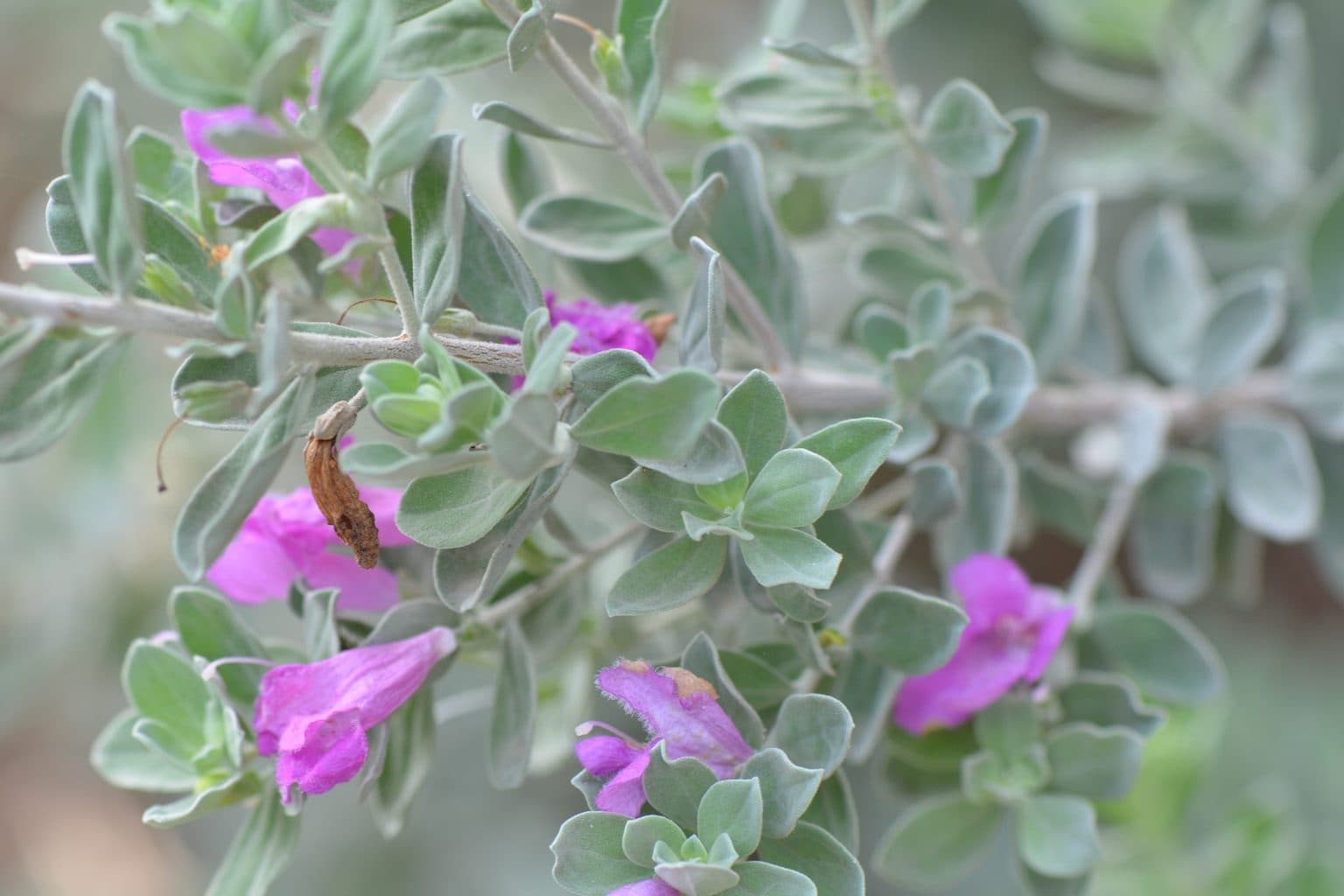
- •Step 2: Submit a pre-approval request naming each species. "I plan to plant Turk's Cap (Malvaviscus arboreus var. drummondii) along the north fence line" is specific enough. "Native plants in the front yard" is not. List the common name, the botanical name, and the general location.
- •Step 3: Get written approval back that names those species. An email from the management company or ARC saying "your request for Turk's Cap and Rock Rose at [address] is approved" is a document. A verbal "sounds fine" at a meeting is not. Do not plant until you have the written approval in hand.
If the HOA denies your request for a plant on their own approved list, that denial may itself conflict with Texas Property Code §202.007, especially if the plant qualifies as water-efficient or native. At that point you have a documented paper trail showing the HOA's inconsistency, which is a much stronger position than starting after a fine.
One more thing about email
Email counts as written documentation. You do not need a formal ARC approval form if the HOA doesn't have one. A thread where you name the plants, name the location, and receive a reply that doesn't object (or explicitly approves) is documentation. Save those emails in a folder labeled with your address and the date. If a fine comes, you pull the thread.
For more on the pre-approval process, including what to include in a request letter, see our guide at HOA Pre-Approval for Native Landscaping.
Plan your yard with Pollinator Patch
See which plants are native to your area, HOA-friendly by design, and ready to go into your pre-approval request by name.
Open the app