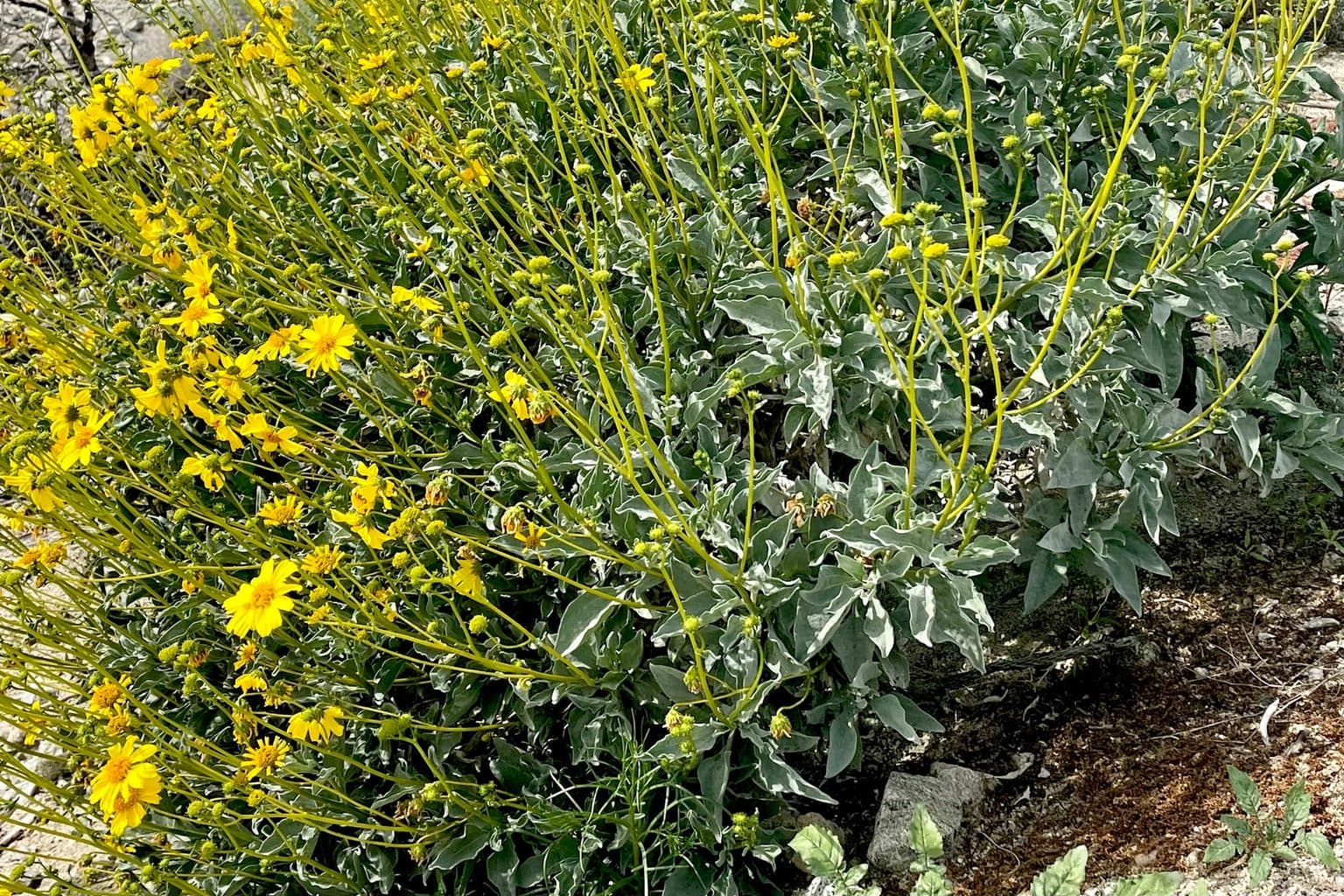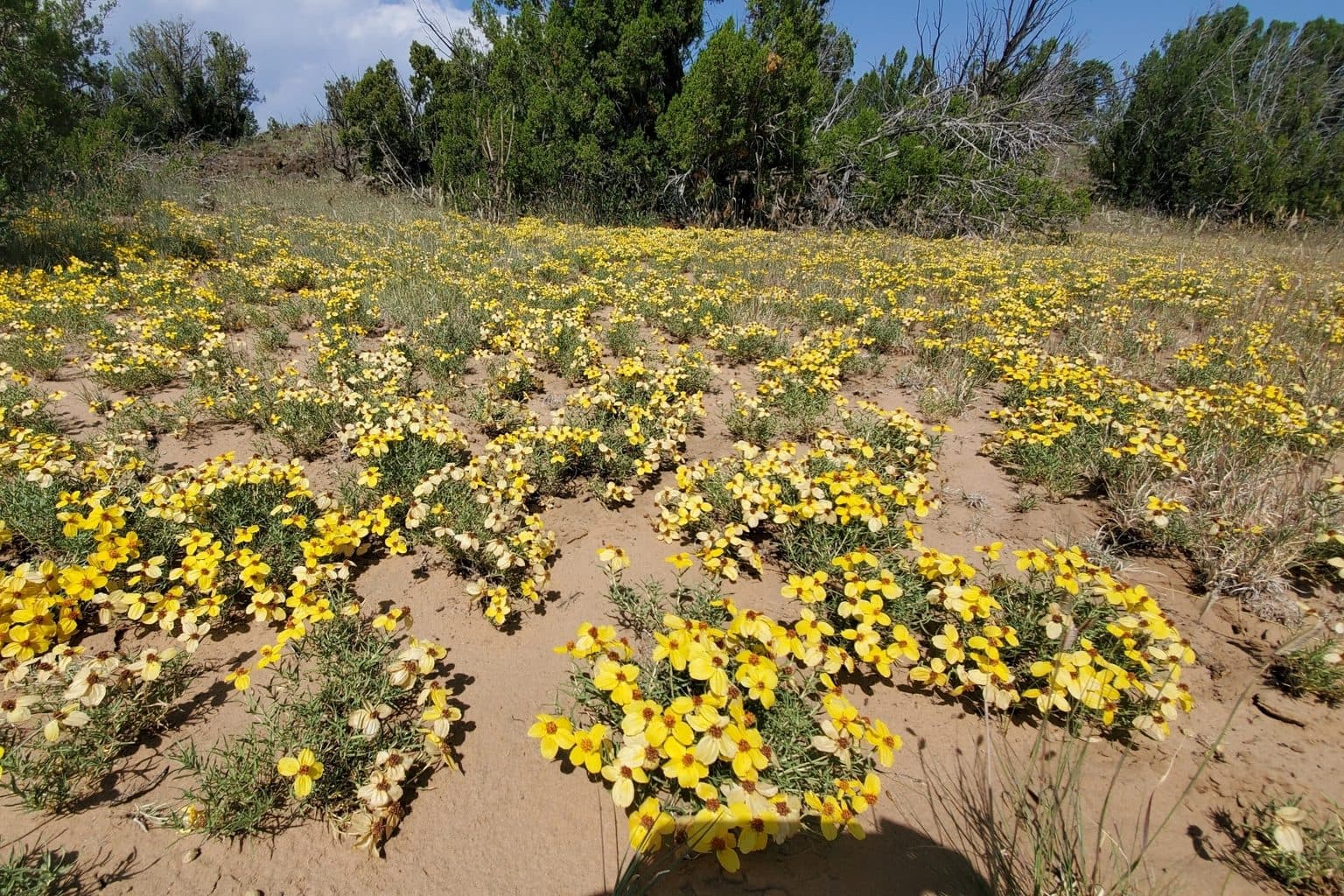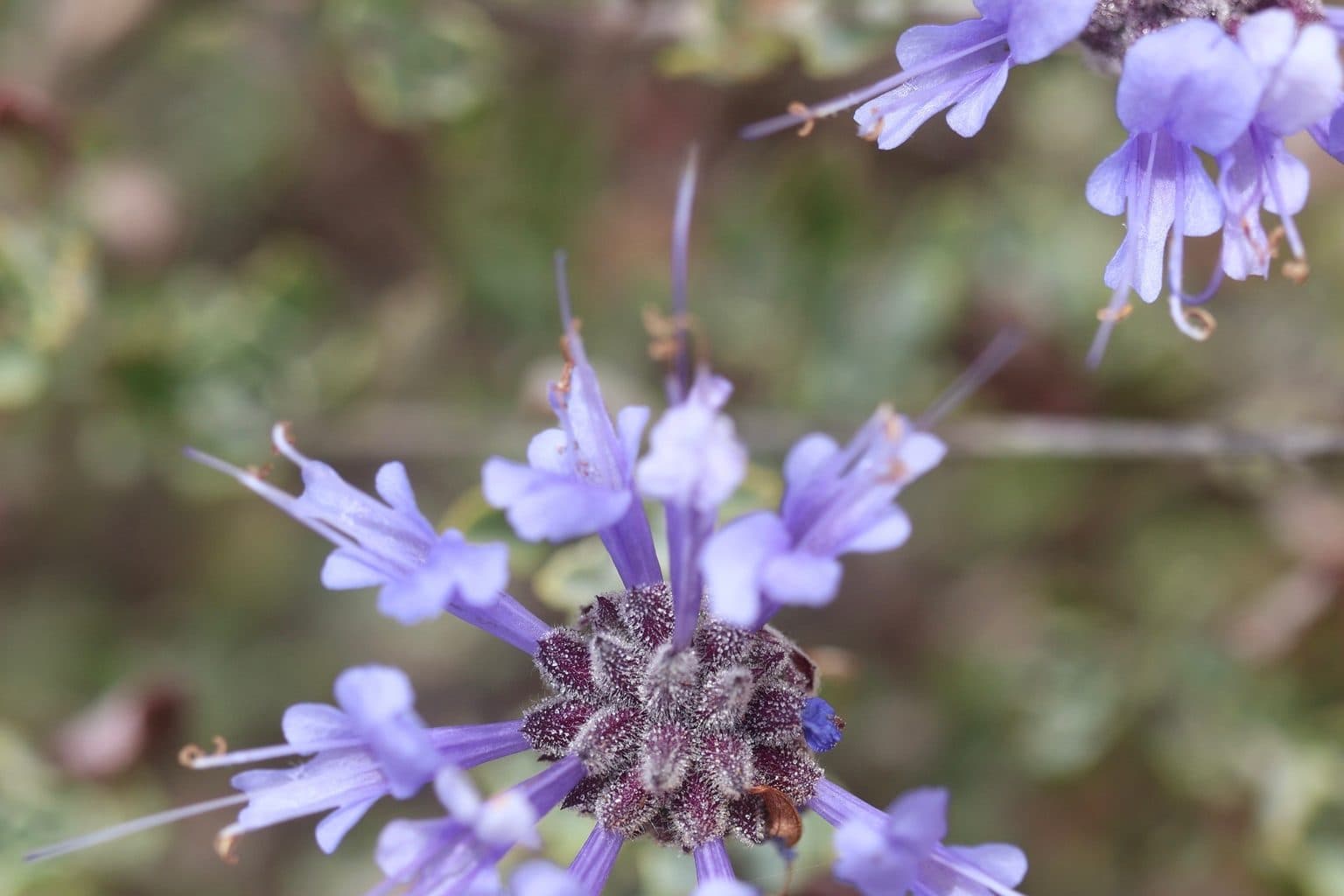
California's landscape is defined by extremes: long dry summers, winter rainstorms, and increasingly frequent wildfires. For homeowners, especially those in HOA communities, these conditions make traditional landscaping expensive, water-intensive, and sometimes dangerous. Native plants adapted to California's Mediterranean climate offer a path forward that's drought-tolerant, fire-conscious, and designed to look intentional year-round.
This isn't a simple plant list. California's climate, fire risk, and legal protections for drought-tolerant landscaping create a unique set of opportunities and constraints. This guide covers the practical landscape: why natives work here, what protections HOA homeowners have, which plants fit your specific region, how to access rebate programs, and how to design with fire safety in mind.
California's unique landscaping challenges
California's Mediterranean climate (cool, wet winters and hot, dry summers) is unlike most of the continental United States. Traditional turf lawns, bred for summer-rainfall climates, need constant irrigation to survive here. That creates a cascading set of problems:
- Drought cycles are structural, not temporary. California has experienced severe droughts in 2007–2009, 2012–2016, and 2020–2022. Water restrictions are now a recurring feature of life, not an emergency exception.
- Outdoor irrigation is the biggest household water expense. In many California communities, landscape watering accounts for 50–70% of residential water use. A 2,500 sq ft lawn can use 40,000–70,000 gallons per year.
- Fire risk is increasing. Over 4 million California homes sit within the wildland-urban interface (WUI). Ornamental plantings with high oil content, dense hedges, and unmaintained vegetation become fuel loads during fire season.
- HOA communities face a tension. Many CC&Rs were written when green lawns were the default. Homeowners who want to reduce water use or improve fire safety may worry about pushback, even though state law now protects them.
Why California natives are the solution
Plants native to California evolved over millennia in exactly these conditions. They don't just survive dry summers. They're built for them. Here's what that means in practice:
- Deep root systems access moisture that shallow-rooted turf and ornamentals can't reach, reducing or eliminating the need for supplemental irrigation once established.
- Dormancy strategies allow many California natives to go semi-dormant during the driest months rather than dying. They green back up with fall rains.
- Fire-resilient properties. Many California natives have low oil content, high moisture retention in their leaves, and open branching structures that resist ignition better than dense ornamental hedges or eucalyptus.
- Pollinator and wildlife support. Native plants provide food and habitat for California's native bees, butterflies (including monarchs on their coastal migration), and birds.
- Lower ongoing costs. After a 1–2 year establishment period with supplemental watering, most California native gardens need little to no irrigation, no fertilizer, and minimal maintenance.
The transition isn't instant. Native gardens need planning and care during establishment. But the long-term result is a landscape that works with California's climate rather than against it.
HOA protections: California Civil Code §4735
California has some of the strongest legal protections for drought-tolerant landscaping in the country. If you live in an HOA community, this matters.
Key California protections
- Civil Code §4735(a) (opens in new tab) makes void any HOA provision that blocks drought-tolerant or low water-using landscaping, which is what a turf mandate does. This includes front yards.
- Civil Code §4735(c) prevents HOAs from fining homeowners who reduce or eliminate watering during declared drought emergencies.
- Governor's Executive Orders during drought periods have further reinforced that replacing turf with drought-adapted landscaping is a protected activity.
These protections don't mean you can ignore your HOA entirely. Presentation still matters. An intentional, well-designed native garden with clean edges and visible structure is much less likely to generate questions than an unmaintained yard. The law protects your right to use drought-tolerant plants. Pairing that with thoughtful design makes the whole process smoother.
For more on navigating HOA conversations with structure-first design, see our guide on why structure matters more than plant choice. For a full breakdown of what Civil Code §4735 actually covers, see the California HOA landscaping laws guide. City-specific plant picks, rebates, and HOA guidance are on the California native landscaping overview.
Regional plant recommendations
California spans USDA hardiness zones 5 through 11 and includes coastal, valley, foothill, desert, and mountain climates. "California native" isn't one-size-fits-all. Here are regionally appropriate selections for three major population centers.
Southern California coast (Los Angeles, San Diego, Orange County)
Mild winters, warm dry summers, coastal influence. These plants handle heat, salt air, and minimal rainfall.
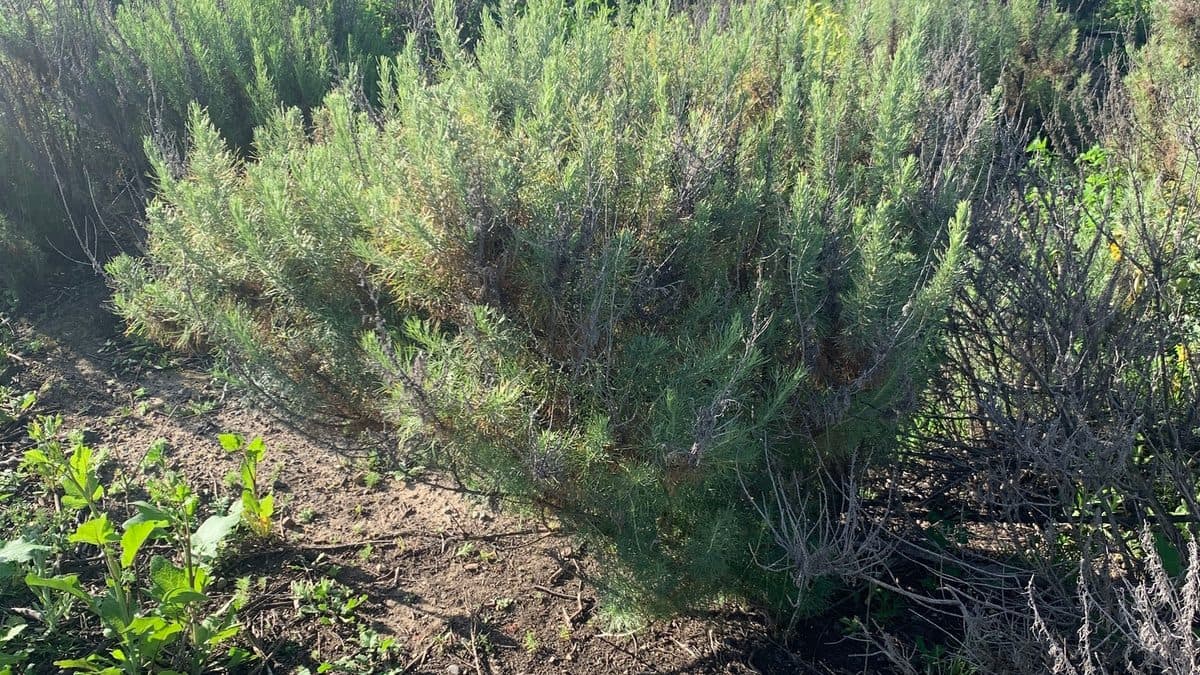
- California Sagebrush (Artemisia californica): Silvery aromatic foliage, 2–5 feet. Extremely drought-tolerant once established. Low oil content makes it a good fire-conscious choice. Provides structure and year-round color.
- White Sage (Salvia apiana): Iconic silvery-white leaves, 3–5 feet. Highly drought-adapted. Attracts native bees and hummingbirds. Open growth habit reduces fire risk compared to dense hedges.
- Island Snapdragon (Gambelia speciosa): Red tubular flowers spring through summer, 2–3 feet. Cascading form works in raised beds or slope plantings. Hummingbird magnet.
- Deergrass (Muhlenbergia rigens): Evergreen bunchgrass, 3–4 feet. Clean, upright form looks intentional in any landscape. Excellent structural plant for bed anchoring.
- Coastal Buckwheat (Eriogonum fasciculatum): Low-mounding form, 1–3 feet, with clusters of pink-white flowers. Supports over 50 species of native bees. Goes russet in late summer, providing warm seasonal color.
For local rebate programs and city-specific resources, see our Los Angeles and San Diego city pages.
Central Valley (Sacramento, Fresno, Bakersfield)
Hot summers (regularly 100°F+), cool foggy winters, heavy clay soils in many areas. These plants handle temperature extremes and difficult soil.
- Valley Oak (Quercus lobata): California's largest native oak, long-lived shade tree. While too large for small front yards, a single valley oak provides dramatic structure and cooling shade in larger lots. Deeply drought-adapted once established.
- Blue Elderberry (Sambucus nigra ssp. caerulea): Large shrub or small tree, 8–15 feet. White flower clusters in spring, blue berries in summer. Excellent wildlife plant. Works as a focal point or screen.
- California Fuchsia (Epilobium canum): Low, spreading form (1–2 feet) with brilliant red-orange tubular flowers from late summer into fall. Blooms when everything else has dried down, providing late-season color. Hummingbird favorite.
- Foothill Penstemon (Penstemon heterophyllus): Electric blue-purple flowers on 1–2 foot stems, spring through early summer. Compact, tidy habit. Outstanding in mass plantings for visual impact.
- Purple Needlegrass (Stipa pulchra): California's state grass. Bunchgrass form, 1–2 feet. Green in winter and spring, golden in summer. Low-growing, no irrigation needed after establishment. Works as a lawn replacement or bed filler.
Bay Area (San Francisco, Oakland, San Jose)
Microclimates vary dramatically, from foggy coastal areas to warm inland valleys within a few miles. These plants handle the Bay Area's range of conditions.
- Coffeeberry (Frangula californica): Evergreen shrub, 4–8 feet, with glossy dark leaves and red-to-black berries. Handles sun or shade. Clean, dense form works as a hedge or screen without the fire risk of privet or juniper.
- Douglas Iris (Iris douglasiana): Evergreen, 1–2 feet, with lavender-blue flowers in spring. Tough, spreading groundcover for shady or partly sunny spots. Low-maintenance once established.
- Hummingbird Sage (Salvia spathacea): Fragrant magenta flower spikes, 1–3 feet. Spreads by runners to form attractive colonies. Thrives in part shade under oaks, ideal for shaded front yards.
- Coast Live Oak (Quercus agrifolia): Evergreen oak, 20–40 feet. The defining tree of Bay Area landscapes. Provides structure, shade, and year-round green. Deep-rooted and fire-resilient. Long-term investment for larger properties.
- Yarrow (Achillea millefolium): Flat-topped white flower clusters, 1–2 feet. Ferny foliage stays attractive. Handles poor soil and drought. Effective in mass plantings as a lawn edge or path border.
California rebate programs
California has some of the most generous landscaping rebate programs in the country. Many water agencies offer per-square-foot rebates for replacing turf with drought-tolerant landscaping, and some offer bonuses for using native plants specifically.
Major California rebate programs
- Los Angeles (LADWP): Up to $25,000 in turf replacement rebates at $3–5 per square foot. One of the largest rebate programs in the nation. Covers front and back yards.
- San Diego (SDCWA): Turf replacement rebates plus a native plant bonus. The Sustainable Landscapes Program offers additional incentives for using regionally appropriate native species.
- Sacramento (SMUD/Regional): Up to $3,000 in rebates for water-efficient landscaping conversions. Programs vary by water district. Check your specific provider.
- Santa Clara Valley Water (San Jose area): Up to $3,000 for landscape conversions. Covers turf removal, efficient irrigation, and drought-tolerant plantings.
- East Bay Municipal Utility District: Rebates for lawn conversion and water-efficient landscapes. Programs updated annually. Check current availability.
Rebate programs change frequently. Funding opens and closes based on budget cycles. For current details, eligibility requirements, and application links for your area, see our comprehensive California rebates guide.
Practical tip: Apply for rebates before starting your project. Most programs require a pre-approval step with photos of existing conditions. Starting work before approval can disqualify you.
Fire-smart landscaping principles
If you live in or near a wildland-urban interface (WUI) zone (hillside communities, canyon edges, or areas adjacent to open space), fire-conscious landscaping isn't optional. It's a responsibility. California's defensible space regulations (PRC 4291) require property owners to maintain fire-resistant landscaping within specific zones around structures.
Even if you're not in a designated WUI zone, fire-smart design principles make your landscape safer and more resilient. Many of these principles align naturally with native plant design.
Defensible space zones
- Zone 0 (0–5 feet from structure): Ember-resistant zone. Use hardscape, gravel, or very low-growing, high-moisture plants. No mulch directly against the house. Keep this zone lean and non-combustible.
- Zone 1 (5–30 feet): Lean, clean, and green. Space plants apart so fire can't jump canopy to canopy. Avoid continuous hedges. Use low-growing natives with high moisture content. Remove dead vegetation regularly.
- Zone 2 (30–100 feet): Reduced fuel zone. Thin trees and shrubs to create spacing. Group plants in islands with breaks between them. Use groundcovers and low grasses between clusters.
Fire-conscious plant traits to look for
- High moisture content in leaves: succulent or fleshy-leaved plants resist ignition
- Low oil and resin content: avoid plants with strong aromatic oils (like rosemary in large hedges, ornamental junipers, and eucalyptus)
- Open branching structure: plants that don't form dense, continuous fuel loads
- Low growth habit: groundcovers and low shrubs are less likely to carry fire to structures
- Deciduous or semi-deciduous: plants that drop leaves before fire season reduce available fuel
Many California natives, particularly coastal sage scrub species like California Sagebrush and Buckwheat, are naturally well-suited to fire-conscious landscapes. They grow in open forms, have moderate moisture content, and don't accumulate heavy fuel loads.
Practical tips for getting started
Converting a California yard to native landscaping is a project that rewards planning. Here's what to know before you start digging.
Plant in fall, not spring
This is the single most important timing decision for California native gardens. Plant between October and December, when winter rains are about to begin. Fall planting lets roots establish through the cool, wet months so plants are ready to handle their first dry summer. Spring planting forces new plants to face summer heat before they're established. Survival rates drop a lot.
Know your soil
California soils vary enormously. Coastal areas tend toward sandy loam. The Central Valley has heavy clay. Foothills often have decomposed granite. Most California natives are adapted to lean, well-drained soils and don't need amendments. In fact, enriching the soil with compost or fertilizer can harm natives that evolved in nutrient-poor conditions. If you have heavy clay, focus on species that tolerate it (like Valley Oak, California Fuchsia, and Purple Needlegrass) or improve drainage with raised beds.
Water savings estimates
- Replacing 1,000 sq ft of turf with California natives can save 30,000–50,000 gallons of water per year
- At typical California water rates ($5–12 per 1,000 gallons), that's $150–$600 in annual savings
- Most established native gardens in California need zero supplemental irrigation. Rainfall is sufficient
- During the 1–2 year establishment period, plan to water deeply once a week in the dry months
Design for the HOA-conscious homeowner
Even with Civil Code §4735's protections, a well-designed native garden prevents questions before they arise. The same principles apply here as everywhere else:
- Clean edges: Define bed boundaries with metal or stone edging. The line between "garden" and "yard" should be obvious.
- Mulch visible soil: 2–3 inches of wood chip or gravel mulch between plants signals care. Bare dirt reads as neglect.
- Height layering: Low plants at the street, medium in the middle, taller near the house. This creates visual order from the curb.
- Group, don't scatter: Plant in drifts of 3–5 of the same species rather than one of everything. Repetition signals intention.
For a deeper dive into structure-first design, see our guide on designing a native yard that looks intentional from the curb.
The bottom line
California's climate isn't changing direction. Drought cycles, fire risk, and water costs are structural features of living here, not temporary problems. Native landscaping doesn't eliminate every challenge, but it works with California's conditions instead of fighting them.
The practical steps are straightforward: check your regional rebate programs (many cover a significant portion of conversion costs), plan your planting for fall, choose species matched to your specific microclimate, and design with visible structure so your yard reads as intentional. State law protects your right to make the switch. The plants have been thriving here for thousands of years. The main decision left is when to start.