Quick answer: California Civil Code §4735 (opens in new tab) prohibits HOAs from requiring turf grass and from fining homeowners for reducing irrigation during an officially declared drought emergency. A separate 2023 law, AB 1572 (opens in new tab), bars potable-water irrigation of nonfunctional turf in HOA common areas starting in 2029. Most HOA threats about a homeowner's own drought-tolerant yard are unenforceable. Referencing §4735 in writing when you submit a landscaping change is usually enough to stop a fine before it starts.
California has had HOA landscaping protection on the books since 2014 through Civil Code §4735, and the state has kept adding water-conservation laws around it. AB 1572 (2023) is the newest, aimed at nonfunctional turf in shared common areas. The problem is that many HOA boards and management companies have not read any of it. Homeowners know a law exists but are not sure how to use it without triggering a full conflict. This post explains what the laws actually say and how to use them to your advantage without escalating.
What AB 1572 Actually Says
Two separate California laws are in play, and they are easy to confuse. Civil Code §4735 governs your own yard: it prohibits HOAs from requiring homeowners to plant or maintain turf grass (subdivision (a)), and it prohibits HOAs from fining homeowners for reducing or stopping irrigation during a declared drought emergency (subdivision (c)). AB 1572 (2023) (opens in new tab) governs shared common areas: it bars an HOA from using potable water to irrigate "nonfunctional turf" in common areas starting January 1, 2029, which in practice pushes boards to replace that turf.
AB 1572 defines nonfunctional turf as turf that is solely ornamental and not regularly used for recreation or community events. If your HOA's front common areas are just grass that nobody uses, the HOA cannot keep irrigating it with potable water after the 2029 deadline. That detail matters when you are negotiating, because the HOA faces the same water-conservation pressure on its common turf that it may be trying to stop you from acting on in your own yard.
AB 1572, AB 1164, and §4735: which is which
These three get mixed up constantly. Civil Code §4735 is the statute that protects your own drought-tolerant yard from HOA turf mandates and drought-period fines. AB 1572 (2023) is a separate law that bars potable-water irrigation of nonfunctional turf in HOA common areas (and commercial and institutional sites) on a phased schedule. AB 1164 (2015) is a third law that restricts cities and counties, not HOAs. For a dispute about your own yard, cite §4735.
What HOAs Can Still Require
The law does not remove all HOA authority over your yard. HOAs can still require pre-approval before you make changes. They can require edging and clean borders. They can set reasonable maintenance standards, meaning plants should not be dead, dying, or growing in a way that genuinely looks neglected. They can also require that your finished yard presents a maintained appearance, which typically means no bare dirt, no pest habitat, and defined planting beds.
The word "reasonable" does real work here. An HOA cannot reject drought-tolerant landscaping simply because it is not grass. But they can reject a specific plan if it genuinely does not meet maintenance standards that are applied consistently to other homes.
How to Use the Law Without Starting a War
The goal is a paper trail that makes approving your request easier than denying it. Follow these steps before you touch anything in the yard.
- •Submit a written pre-approval request before starting any work. Most CC&Rs require this regardless of state law.
- •Reference California Civil Code §4735 in your submission. One sentence is enough: "This conversion is permitted under California Civil Code §4735."
- •Include photos of what the finished yard will look like at maturity. Stock photos from nurseries work fine. An HOA board approves what they can visualize.
- •If your HOA denies the request, respond in writing. Ask them to identify the specific CC&R provision they are relying on and explain how that provision complies with §4735. This question is often enough to reverse a denial because the honest answer is that it does not comply.
California Plants That Work Under the Law
These four are drought-tolerant, native to California, and visually presentable enough that most HOA boards approve them without pushback. All data from the Lady Bird Johnson Wildflower Center and USDA PLANTS Database.
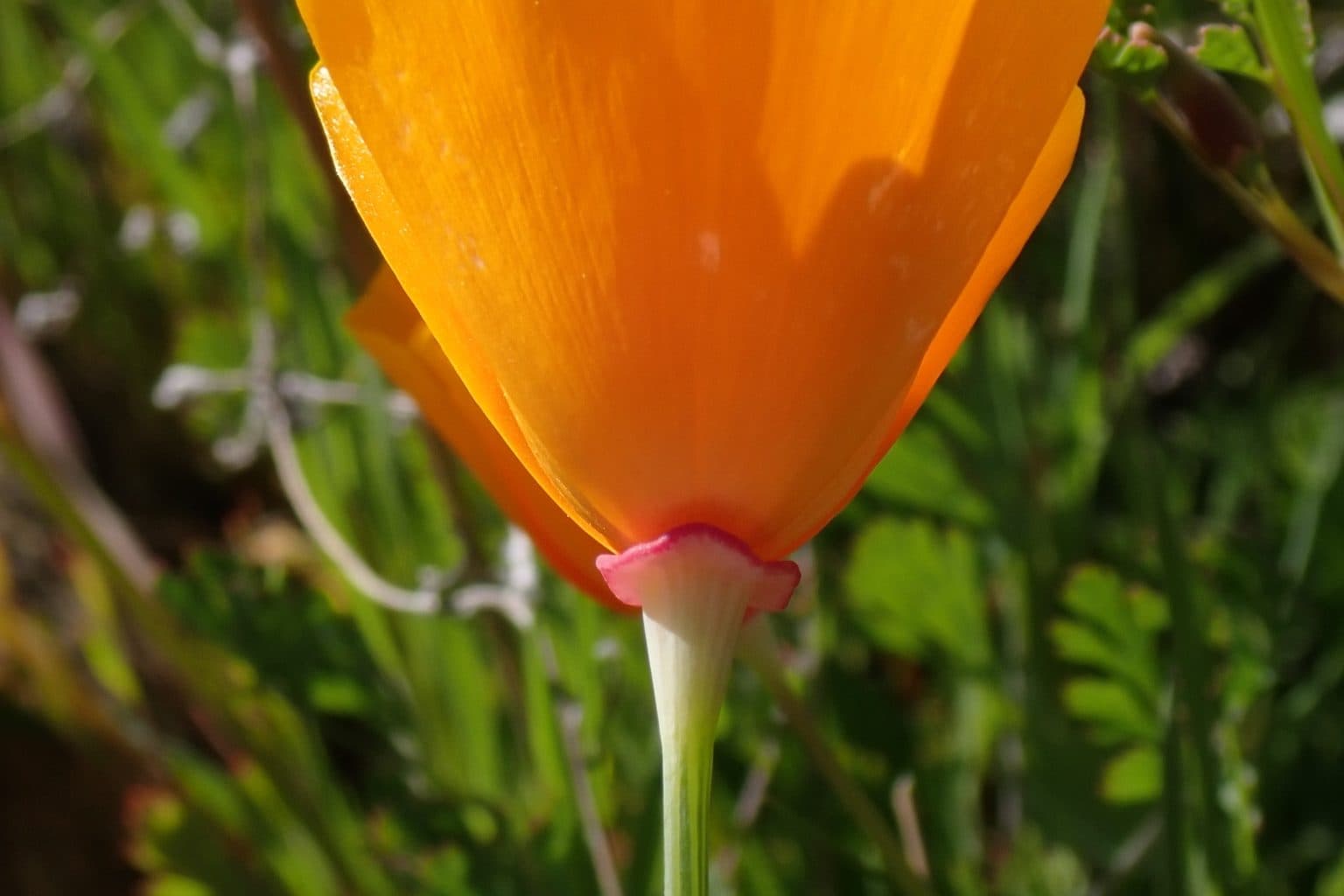
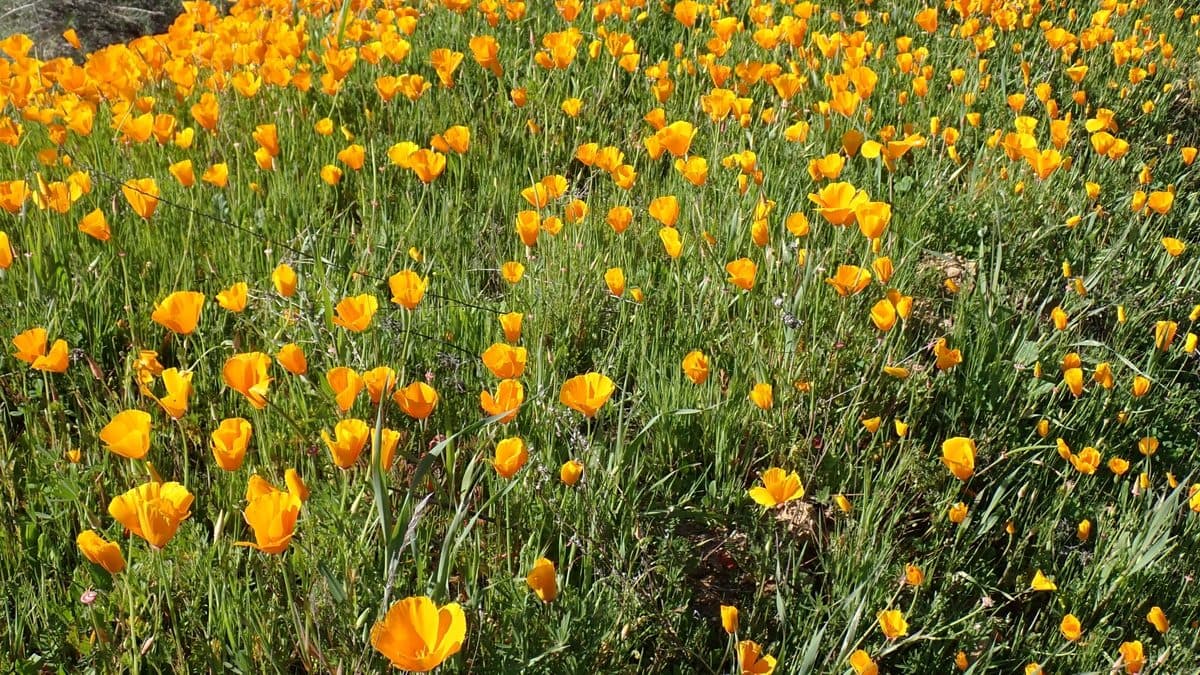
- •California Poppy (Eschscholzia californica): the state flower, very low water, self-seeding annual. Orange blooms in spring. Looks intentional when planted in drifts rather than scattered individually.
- •Yarrow (Achillea millefolium): flat-topped white or yellow flower clusters, feathery foliage, very drought-tolerant once established. Stays below 3 feet. Deer resistant.
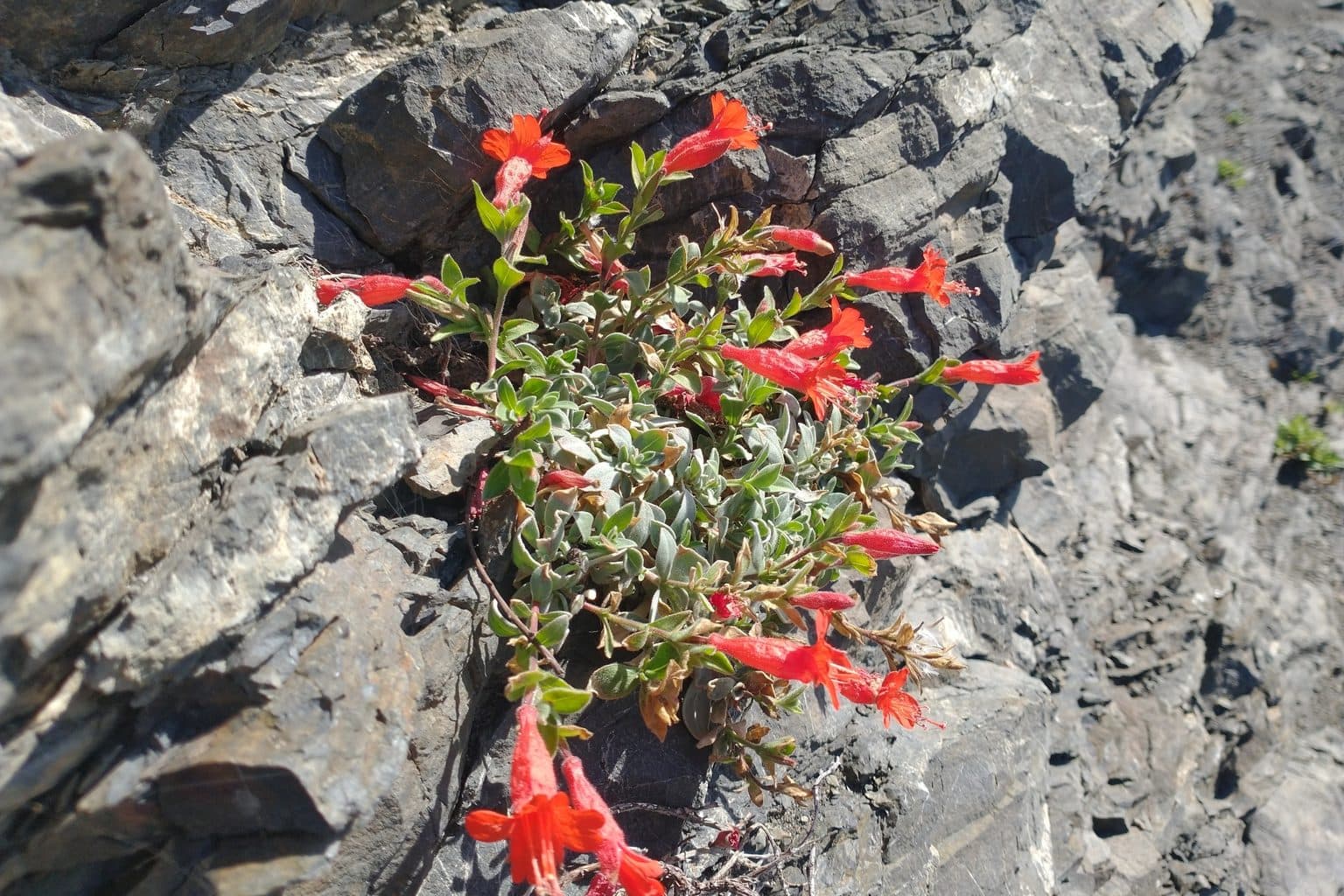
- •California Fuchsia (Epilobium canum): red tubular flowers in late summer through fall, low-growing, spreads by rhizomes. Excellent hummingbird plant. Tough in full sun.
- •Manzanita (Arctostaphylos spp.): shrubby, slow-growing, with distinctive red bark and small white or pink flowers in winter. Very drought-tolerant. The lower-growing varieties (like A. uva-ursi) work as a lawn replacement.
For comparison with Texas law: Texas Property Code §202.007, including subsection (d-1) on aesthetic review, protects water-conserving landscaping choices, but the framing is around water conservation rather than drought conditions specifically. California's law is more explicit about drought-period irrigation reduction as a protected act. Both states protect homeowners, but California's current statute is broader on the irrigation side.
For more on California HOA landscaping law, see our post on California HOA landscaping laws and AB 1164.
Plan your yard with Pollinator Patch
Get a plant list matched to your California zip code and HOA situation, with photos you can include in your pre-approval submission.
Open the app