Quick answer: No. California Civil Code §4735 (opens in new tab) makes any HOA rule that blocks drought-tolerant or low water-using landscaping void and unenforceable, which is exactly what a turf mandate does. This applies to every HOA in California, from Los Angeles to the Bay Area. A separate part of the statute protects homeowners who reduce watering during declared drought emergencies.
Short answer: no, your California HOA cannot force you to keep a grass lawn. State law has been clear on this for years. But homeowners still get violation letters every year, usually because the HOA board has not caught up with the statute or is testing whether you know the law.
California has some of the strongest legal protections for drought-tolerant landscaping in the country. Civil Code §4735 does most of the work. A separate law (AB 1572 (opens in new tab)) gets cited a lot in this space, sometimes incorrectly. Here is what each one actually covers and what it does not.
Civil Code §4735: The core protection
Civil Code §4735 is part of the Davis-Stirling Common Interest Development Act, the statute that governs HOAs in California. Subdivision (a) makes any governing-document provision that blocks water-conserving landscaping void and unenforceable.
“A provision of the governing documents or architectural or landscaping guidelines or policies shall be void and unenforceable if it... [prohibits], or includes conditions that have the effect of prohibiting, the use of low water-using plants as a group or as a replacement of existing turf.”
California Civil Code §4735(a)
In plain English: if your CC&Rs include a turf requirement, that provision is void. Your HOA cannot enforce it. This applies to your front yard, side yards, and any homeowner-maintained area covered by your CC&Rs.
Our deeper explainer on the legal mechanics is here: California HOA landscaping law and Civil Code §4735.
Drought emergency protections
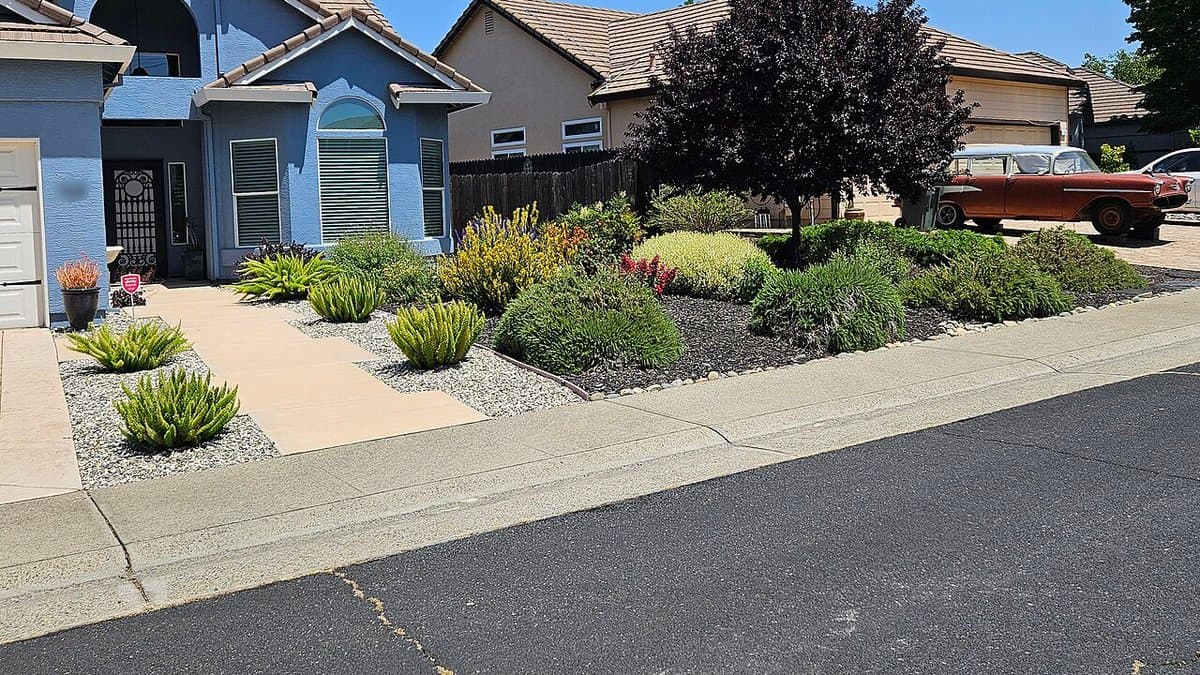
Civil Code §4735(c) covers what happens during officially declared drought emergencies. Your HOA cannot fine you for reducing or stopping watering during a declared shortage, even if your CC&Rs would otherwise require maintained lawn appearance. California has been in and out of declared drought conditions repeatedly over the last decade. When a drought emergency is active, removing turf is not just permitted, it is legally protected.
What AB 1572 actually does (and does not do)
AB 1572 (signed 2023) gets cited often in HOA conversations, sometimes incorrectly. Here is what it actually does:
- It bans the use of potable water to irrigate nonfunctional turf at commercial, industrial, and institutional properties, and at HOA common areas, phased in from 2027 through 2031 (HOA common areas start January 1, 2029).
- It does not ban turf on individually owned single-family lots. Your own front yard is not subject to the irrigation ban, though your HOA's shared common-area turf is covered starting in 2029.
- It does reinforce the public policy direction: California is moving away from purely decorative turf, and HOA boards that fight that direction are increasingly out of step with the state.
For HOA disputes about your own yard, Civil Code §4735 is the right legal anchor. AB 1572 is supporting context, not the operative law.
Fire safety adds a third reason
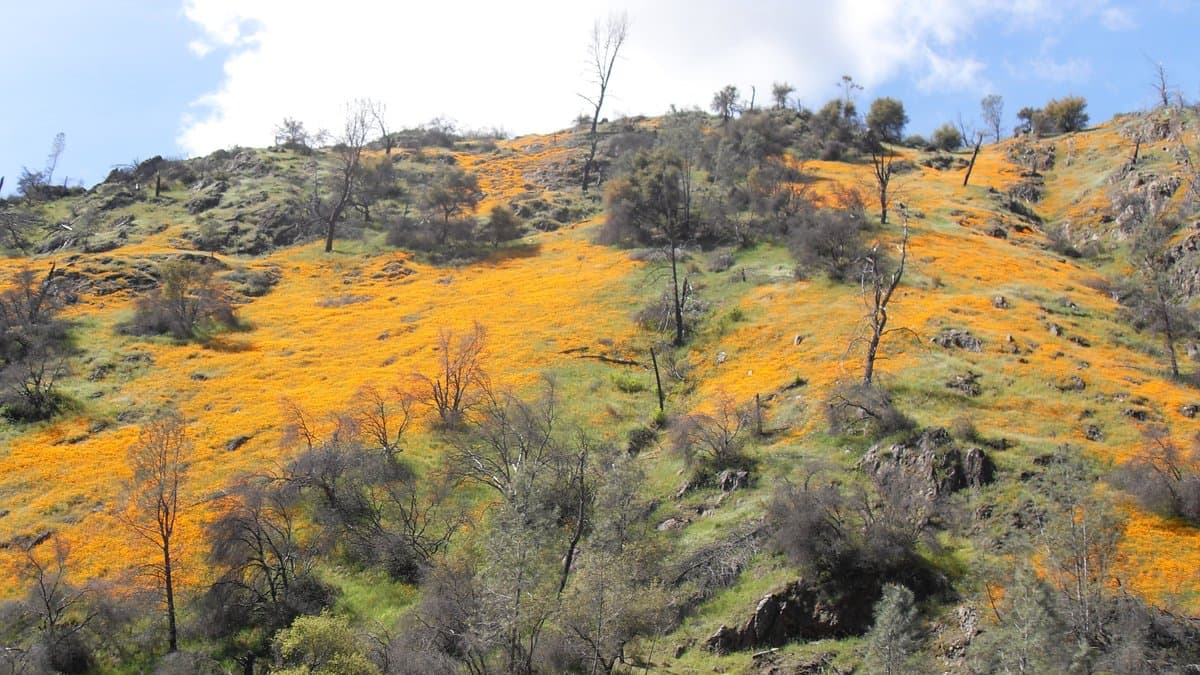
If your home is in or near a wildland-urban interface (much of LA County, the Bay Area hills, San Diego foothills), Cal Fire defensible space rules already require certain landscaping practices in the first 30 feet around your house. Properly chosen California natives can satisfy both HOA standards and Cal Fire defensible space rules at the same time. We cover the picks in our guide on California native plants that are HOA-friendly and fire-safe.
What your California HOA can still require
Civil Code §4735 does not give you a free pass. Your HOA can still enforce:
- Maintenance and neatness standards (no dead plants, no overgrown weeds)
- Pre-approval through an architectural review committee
- Edging, mulch, and clean borders
- Height limits near sidewalks, streets, and corner sightlines
- Rules about structures: raised beds, trellises, fencing, garden art
- Setback distances from property lines
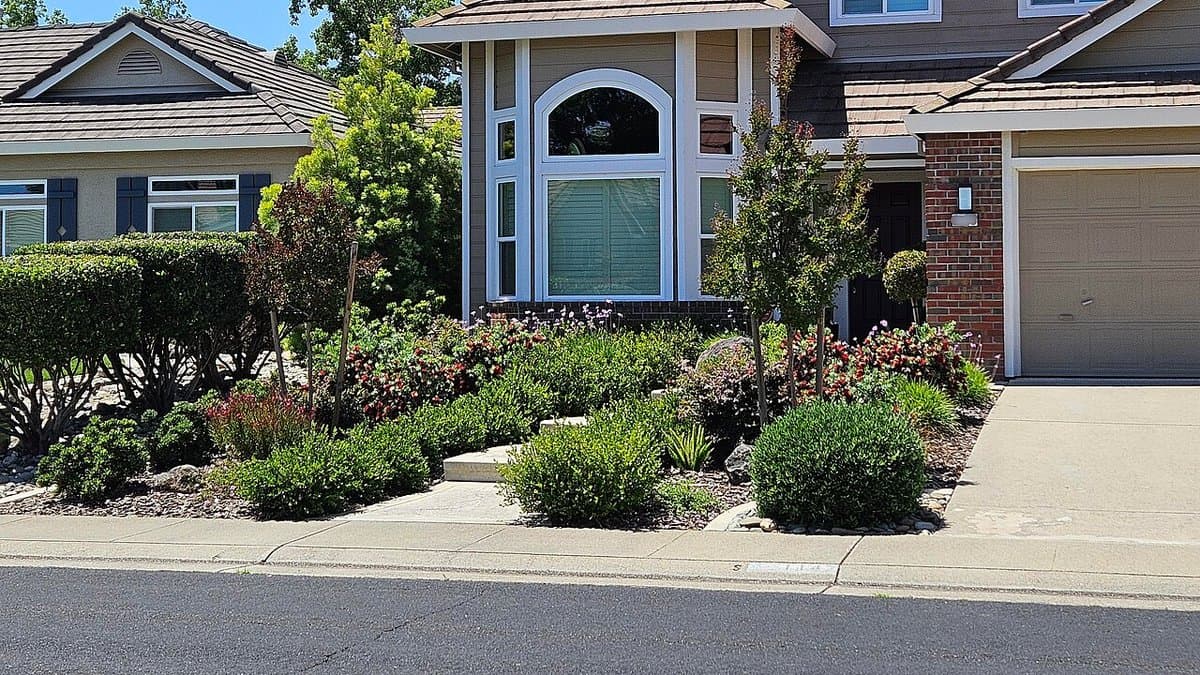
They can require your yard to look maintained and intentional. They cannot require turf grass.
What your California HOA cannot require
- Turf grass specifically (Civil Code §4735(a) makes a turf mandate void)
- Plants that require regular watering
- Removal of properly maintained native or drought-tolerant plants
- Fines for reduced watering during a declared drought emergency (Civil Code §4735(c))
- A specific lawn coverage percentage
California rebate programs that strengthen your case
California has the most aggressive residential turf-replacement rebates in the country. Citing them in your HOA submission shows your conversion has utility and state support:
- LADWP + SoCal Water$mart Turf Replacement: up to $5/sq ft (max $25,000) for Los Angeles homeowners. One of the highest rates in the country.
- San Diego County Waterscape Rebate: up to $5/sq ft when you choose California-native plants, including a per-square-foot bonus specifically for natives.
- IRWD + MWDOC + MWD (Irvine and Orange County): $3/sq ft up to 5,000 sq ft. Free design assistance is included, which is useful HOA documentation.
- Santa Clara Valley Water (San Jose, Silicon Valley): up to $3,000 at $2/sq ft.
- EBMUD Lawn Conversion (East Bay): $1-$2/sq ft, up to $2,000.
- BAWSCA Lawn Be Gone (Peninsula and Bay Area): $2-$4/sq ft depending on water provider.
- City of Sacramento Grass Conversion: $1.50/sq ft, up to $3,000.
See the full list and apply through your local provider on our California rebates page. Program rules and budgets change. Always confirm current details with the provider before applying.
Common pushback patterns
Even with strong state protections, some California HOAs push back. The patterns look like this:
“Your yard looks unkempt”
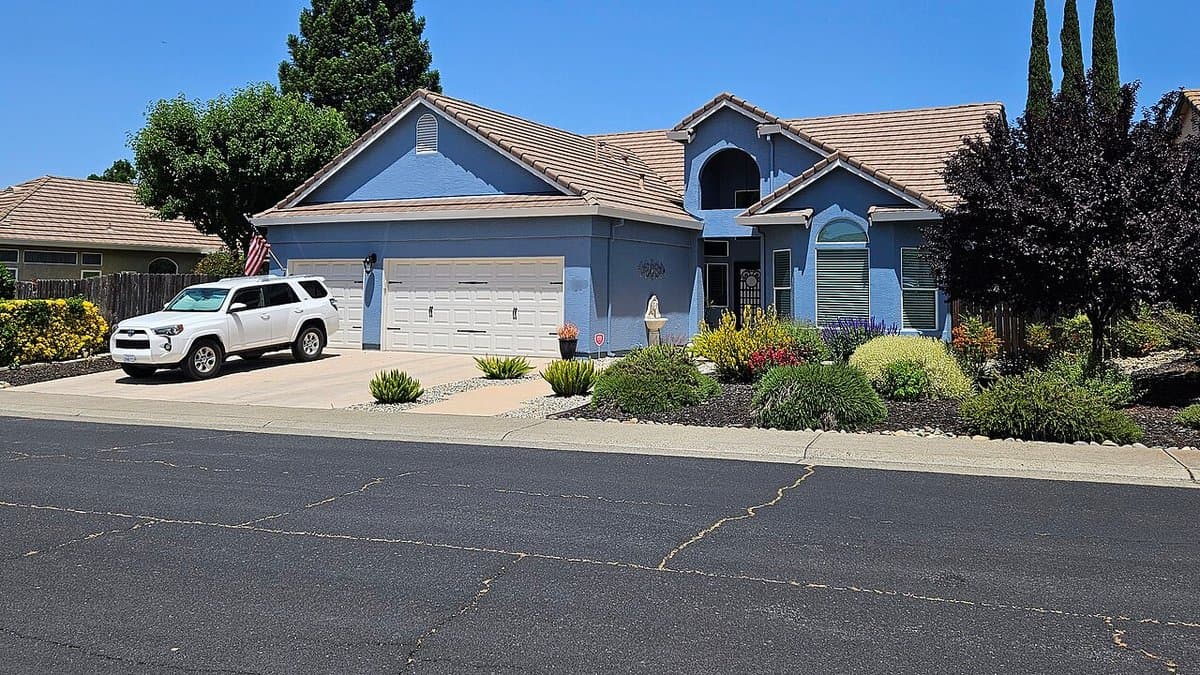
This is an appearance objection, not a species objection. Add mulch, define your bed edges, trim anything flopping into walkways. Read our guide on responding to HOA violation letters for the full response playbook.
“You need pre-approval before changing your landscaping”
That is usually accurate and reasonable. Submit a plan proactively, reference your local rebate program in the application, and cite Civil Code §4735 if appropriate. A prepared submission gets approved much more often than a surprise conversion.
“Our CC&Rs require a turf lawn”
That provision is void under Civil Code §4735(a). Whether your CC&Rs were written in 1985 or 2018, state law overrides the requirement. Cite the statute in writing.
“Native plants attract wildlife and pests”
Wildlife attraction is not a legal ground to deny drought-tolerant landscaping. Pest concerns can be addressed by plant selection (most California natives have fewer pest issues than typical lawn turf). Document your plant list and maintenance plan.
When to talk to a lawyer
Rarely. Most California HOA situations resolve once the board sees a clean application with the right citations. Consider legal advice if:
- Your HOA continues fining you after you have cited Civil Code §4735(a) in writing
- The board is threatening a lien on your property
- You have submitted a documented plan, made the visual improvements they asked for, and they are still rejecting it without pointing to an enforceable CC&R provision
A California real estate attorney who handles HOA disputes can usually resolve this with a single letter. The state law is clear enough that most boards back down quickly when the statute is cited correctly.
This is not legal advice.
We are a gardening app, not lawyers. This post summarizes publicly available California law as of early 2026. Your HOA's CC&Rs, your local ordinances, and your situation are all unique. If you are facing fines or legal threats, talk to a California real estate attorney who handles HOA disputes.
HOA lawn conversion in California: practical next steps
- Get a copy of your CC&Rs. Read the landscaping section. Note any turf or watering requirements (those provisions are likely void under §4735).
- Check your HOA's approval process. Most California HOAs route landscape changes through an architectural review committee.
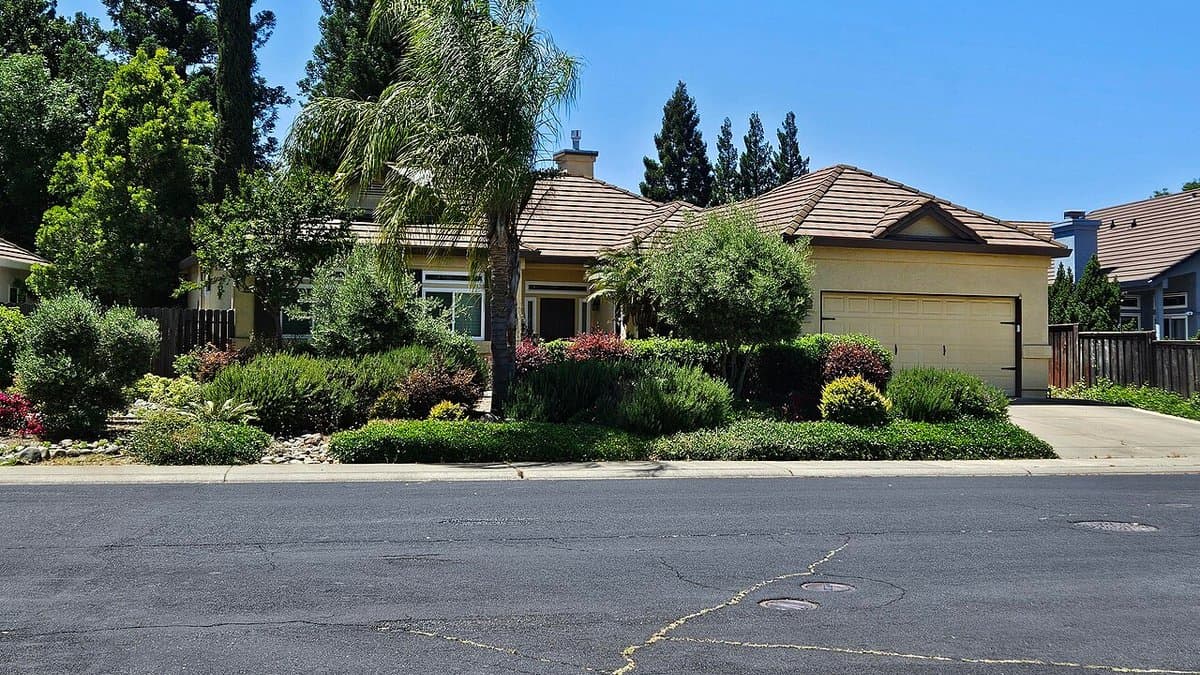
- Match plants to your region. SoCal coastal sage scrub. Bay Area redwood understory. Central Valley grasslands. Sierra foothill chaparral. Picks differ.
- Put together a plan with a plant list, layout sketch, and seasonal maintenance schedule. If you are in a fire-prone area, note Cal Fire defensible space alignment.
- Apply for your local rebate before you start removing turf. Most California programs require pre-approval and will deny applications for work already done.
- Submit your HOA application referencing Civil Code §4735(a). Include your rebate program documentation as supporting material.
For city-specific guidance, see our Los Angeles, San Diego, San Jose, and Oakland pages.
People also ask
Can a California HOA require a green lawn?
No. California Civil Code §4735(a) voids any CC&R provision that prohibits low water-using or drought-tolerant landscaping, which is what a turf mandate does. The HOA can require your yard to look maintained, but it cannot require a lawn specifically.
Does AB 1572 ban my HOA from requiring turf?
Not directly. AB 1572 bans potable water on nonfunctional turf at commercial, industrial, and institutional properties and at HOA common areas, phased in from 2027 (HOA common areas start January 1, 2029). It does not restrict what you plant on your own single-family lot. The right statute for HOA disputes about your yard is Civil Code §4735.
Can my California HOA fine me for a brown lawn?
Not during a declared drought emergency. Civil Code §4735(c) prohibits HOA fines for reduced watering when a drought emergency is officially declared. Outside of a declared emergency, the HOA may still enforce general maintenance standards, but cannot require irrigation of turf specifically.
Do I need pre-approval before removing my lawn in California?
Two different approvals matter. Your HOA likely requires architectural review approval before any visible front-yard change. Your local water provider's rebate program almost always requires pre-approval before turf removal (LADWP, EBMUD, Valley Water, IRWD, and most others). Submit both applications before you dig.
Does California have a state HOA law about landscaping?
Yes. California regulates HOAs through the Davis-Stirling Common Interest Development Act, codified in the Civil Code. Civil Code §4735(a) makes turf requirements void and unenforceable, and §4735(c) protects homeowners from fines during declared drought emergencies. Each HOA has its own CC&Rs, but state law overrides any CC&R provision that conflicts with §4735.
Planning a lawn conversion in California?
Pollinator Patch helps you put together a native plant plan for your specific region (coastal SoCal, inland Bay Area, Central Valley, foothill) with the structure California HOA boards actually respond to. Plant list, layout, maintenance schedule, all printable for HOA submissions and rebate applications.