California has more native bee species than any other state, roughly 1,600 of them (UC Berkeley Urban Bee Lab). Almost none of them are the honey bee, which is a European import. The bees doing most of the quiet work in a California yard are small, solitary, and easy to live with once you know what you are looking at.
Key takeaways
- California has about 1,600 native bee species, the most of any US state (UC Berkeley Urban Bee Lab).
- Roughly 70 percent are solitary ground-nesters that dig small holes in bare soil; they rarely sting (Xerces Society).
- The honey bee is not native to California or North America. Native bees pollinate many California plants honey bees handle poorly.
- An HOA-friendly native bed supports them with patches of bare soil, winter stem stubble, and staggered bloom through the year.
Most California bees are solitary, not hive bees
When people picture a bee, they picture a honey bee in a hive. That is the exception here. About 70 percent of California's native bees nest alone in the ground, digging a small tunnel in bare or thinly mulched soil; the rest use hollow stems, old beetle holes, or wood (UC Berkeley Urban Bee Lab). Solitary females have no hive to defend, so they are very unlikely to sting.
They come in a wide range of looks: metallic green sweat bees, fuzzy black-and-gold bumble bees, slender leafcutter bees, and the large golden male valley carpenter bee that people often mistake for something exotic. Sizes run from a few millimeters to about two centimeters.
Bees you are likely to see in a California yard
- Bumble bees (Bombus spp.): the buzz-pollinators. Their vibration shakes pollen loose from flowers like manzanita and tomato that honey bees struggle with.
- Sweat bees (Halictidae): small, often metallic green, generalists that visit a wide range of native and garden flowers.
- Mason and leafcutter bees (Osmia and Megachile): stem and cavity nesters, excellent pollinators, the species most likely to use a bee block.
- Carpenter bees (Xylocopa): large; the golden male valley carpenter bee is a striking and harmless visitor.
- Digger and mining bees (Andrenidae): early-season ground nesters that favor spring blooms.
Plant for them, and keep it HOA-friendly
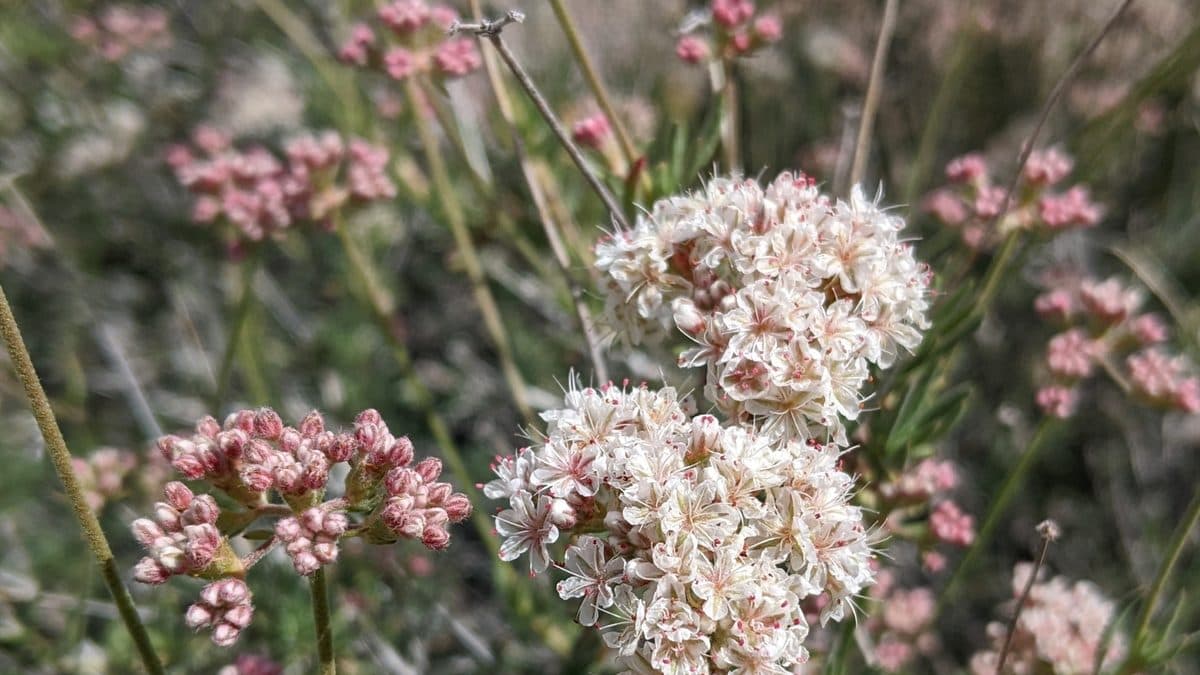
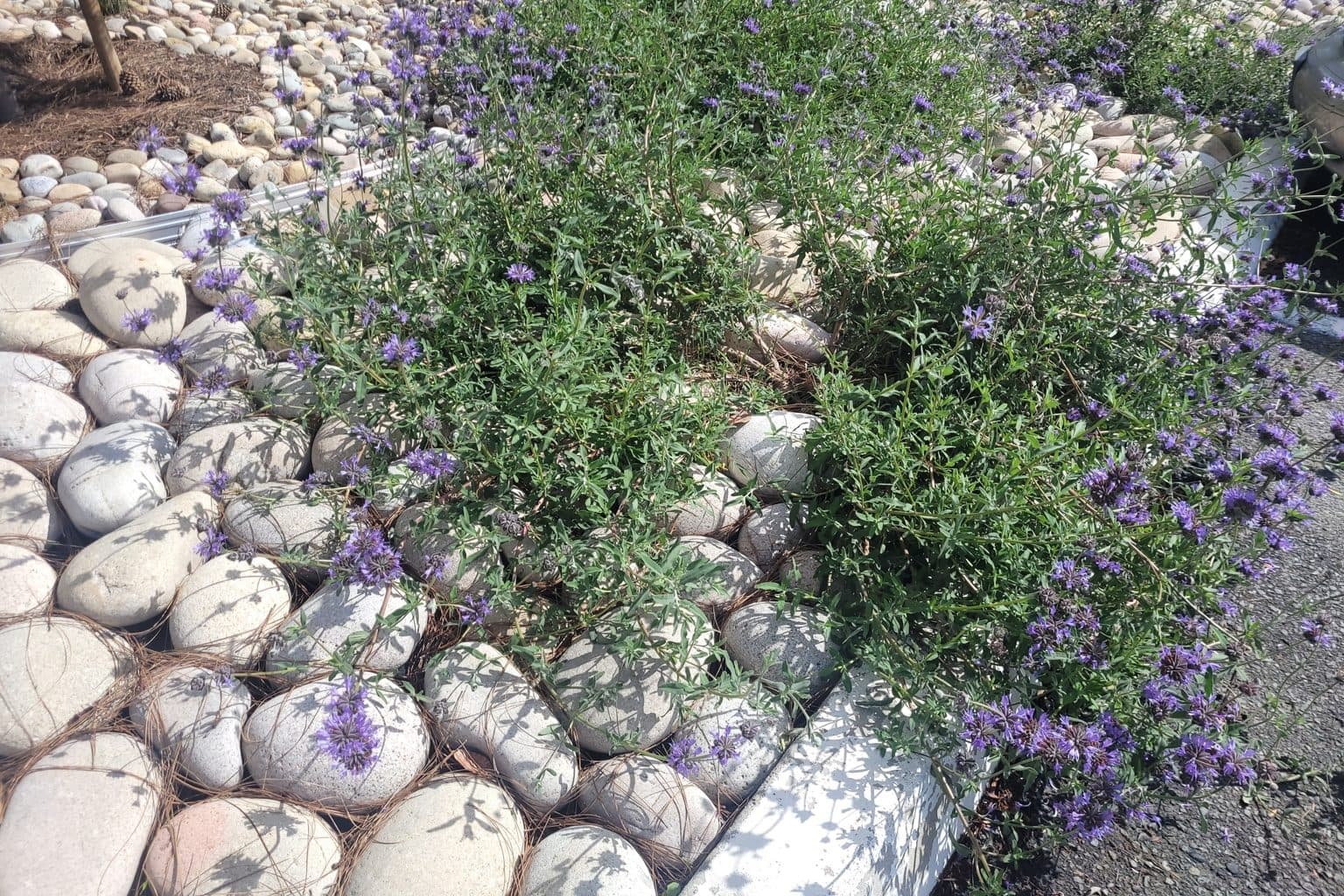
Native bees track native plants. The same California natives that survive on little water and read as tidy in a front yard are the ones that feed the most bees: Cleveland Sage, California Buckwheat, manzanita, ceanothus, and California Fuchsia (California Native Plant Society). Stagger their bloom so something is flowering from late winter through fall.
Supporting ground-nesters does not mean a messy yard. Leave a few patches of bare, undisturbed soil in a back corner, skip the landscape fabric there, and leave some stems standing over winter for the cavity nesters. A defined border and fresh mulch elsewhere keep the bed reading as intentional. For the design rules that keep a native yard out of HOA trouble, see can your California HOA force you to keep grass.
For pet households, build the bed from dog-safe species; our California yard plants toxic to dogs guide lists the common toxic plants and native swaps.
Want a bee-friendly plan matched to your part of California?
Pollinator Patch matches native plants to your ZIP and California ecoregion, with bloom times staggered to feed native bees through the season, in a layout you can hand to an HOA.