If your dog ate something and you are worried right now
Call the ASPCA Animal Poison Control Center: (888) 426-4435. There is a consultation fee, but they are available 24/7 and will walk you through it. Your vet's emergency line is the other call to make.
Quick answer: The most dangerous plants for dogs in California yards are Oleander, Sago Palm, Foxglove, Agapanthus (Lily of the Nile), non-native Lantana camara, and English Ivy. Each has a California-native swap that is not on the ASPCA toxic plant list: Toyon, Manzanita, California Fuchsia, Deer Grass, California Buckwheat, and Beach Strawberry.
California sells a lot of beautiful plants that are dangerous to dogs, and they are some of the most common things in the state's yards. Oleander lines freeways and medians. Sago Palms sit by the register at every nursery. Agapanthus edges half the driveways in the suburbs.
Here are the worst offenders in California landscapes, what they do to dogs, and a native swap for each. Toxicity below is per the ASPCA Animal Poison Control Center plant database. Native swaps are drawn from the California Native Plant Society (Calscape) and the UC Davis Arboretum pet-friendly plant lists.
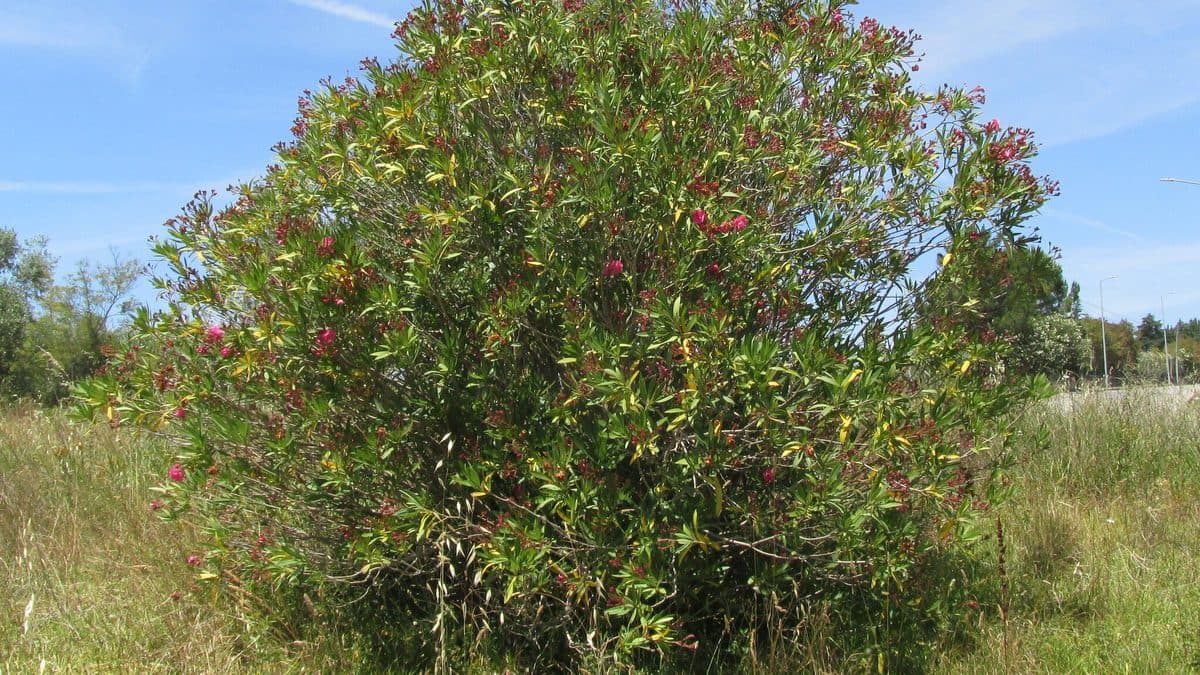
Oleander (Nerium oleander)
The most dangerous plant commonly found in California landscapes. Every part contains cardiac glycosides per the ASPCA, and even water from a vase of cuttings can sicken a dog. Symptoms hit fast: drooling, vomiting, abnormal heart rhythm, and in serious cases seizures. If a dog has access to oleander, removal is the only safe fix.
Safe swap: see the oleander profile, then replace it with Toyon (Heteromeles arbutifolia). A California native that makes the same dense evergreen screen, with white summer flowers and bright red winter berries. Not on the ASPCA toxic plant list (California Native Plant Society).
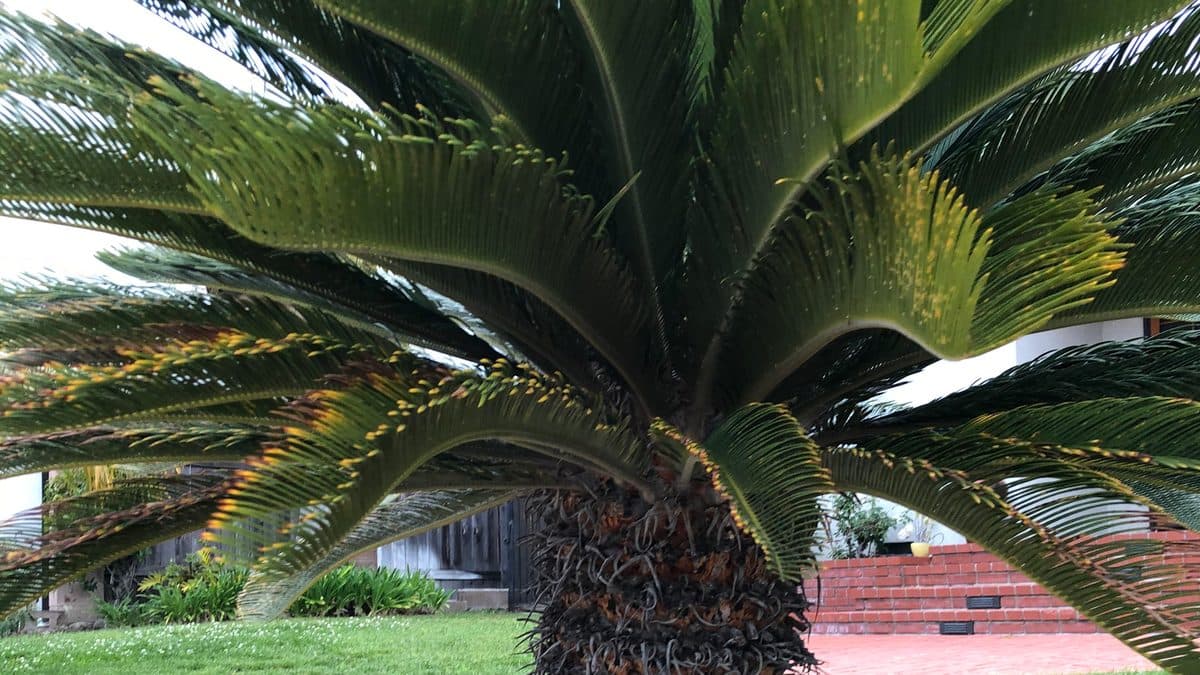
Sago Palm (Cycas revoluta)
The single most lethal plant for dogs in Southern California yards. Every part is toxic per the ASPCA; the seeds are the most concentrated, and the mortality rate exceeds 50 percent even with aggressive veterinary treatment. Dogs are oddly drawn to the seeds.
Safe swap: Manzanita (Arctostaphylos spp.). A California-native evergreen shrub with sculptural red bark and urn-shaped flowers, drought tolerant once established. Not on the ASPCA toxic plant list (Calscape).
Foxglove (Digitalis purpurea)
Tall purple flower spikes, popular in cottage-style California beds, and toxic to dogs per the ASPCA. All parts contain cardiac glycosides similar to oleander, affecting heart rhythm.
Safe swap: California Fuchsia (Epilobium canum). A native with scarlet tubular flowers in late summer and fall that hummingbirds chase, drought tolerant, and not on the ASPCA toxic plant list (Calscape).
Agapanthus / Lily of the Nile (Agapanthus africanus)
One of the most planted border plants in California, and toxic to dogs per the ASPCA. The bulb and sap are the worst parts and can cause vomiting, diarrhea, and mouth irritation.
Safe swap: Deer Grass (Muhlenbergia rigens). A California-native bunchgrass that gives the same clean, mounding border structure, with airy seed spikes, and is not on the ASPCA toxic plant list (UC Davis Arboretum).
Non-native Lantana (Lantana camara)
The non-native Lantana camara sold at big-box stores has berries that are toxic to dogs per the ASPCA, with the unripe green ones the most dangerous. Vomiting, diarrhea, and difficulty breathing can follow ingestion.
Safe swap: California Buckwheat (Eriogonum fasciculatum). A native with the same long, pollinator-friendly bloom and tough drought tolerance, and not on the ASPCA toxic plant list (Calscape). See the Lantana camara profile for the toxicity details.
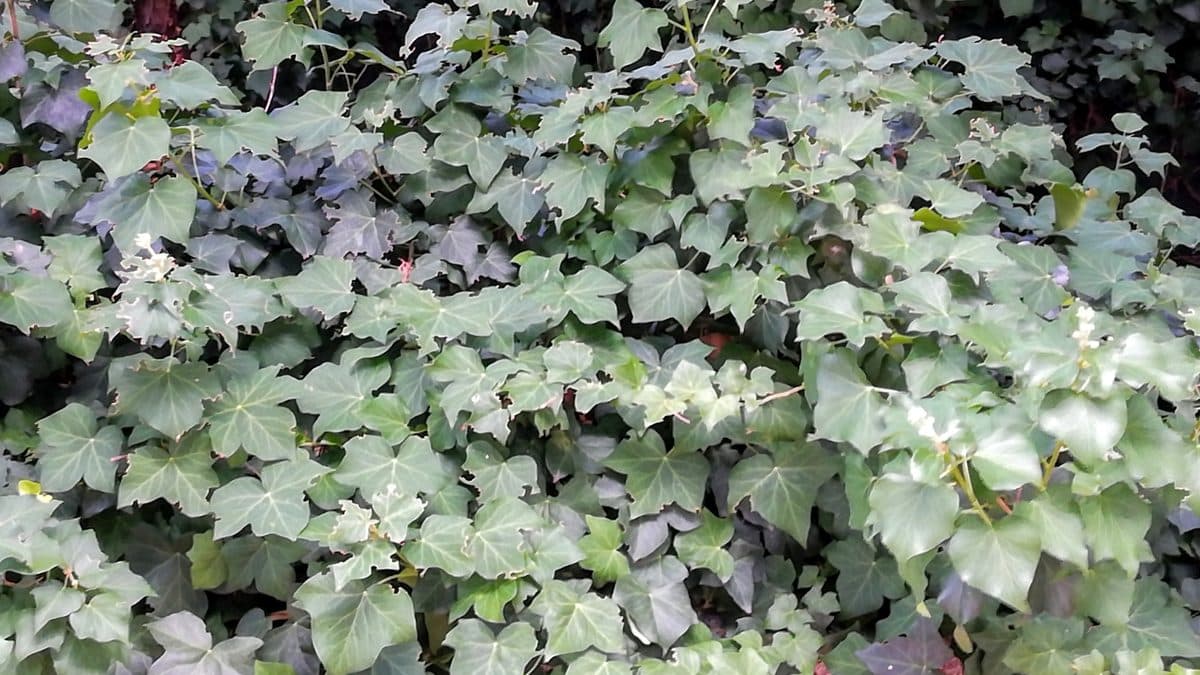
English Ivy (Hedera helix)
A go-to groundcover in shady California yards, toxic to dogs per the ASPCA, and invasive across the coast and foothills. The foliage contains saponins that cause vomiting, abdominal pain, and excess drooling.
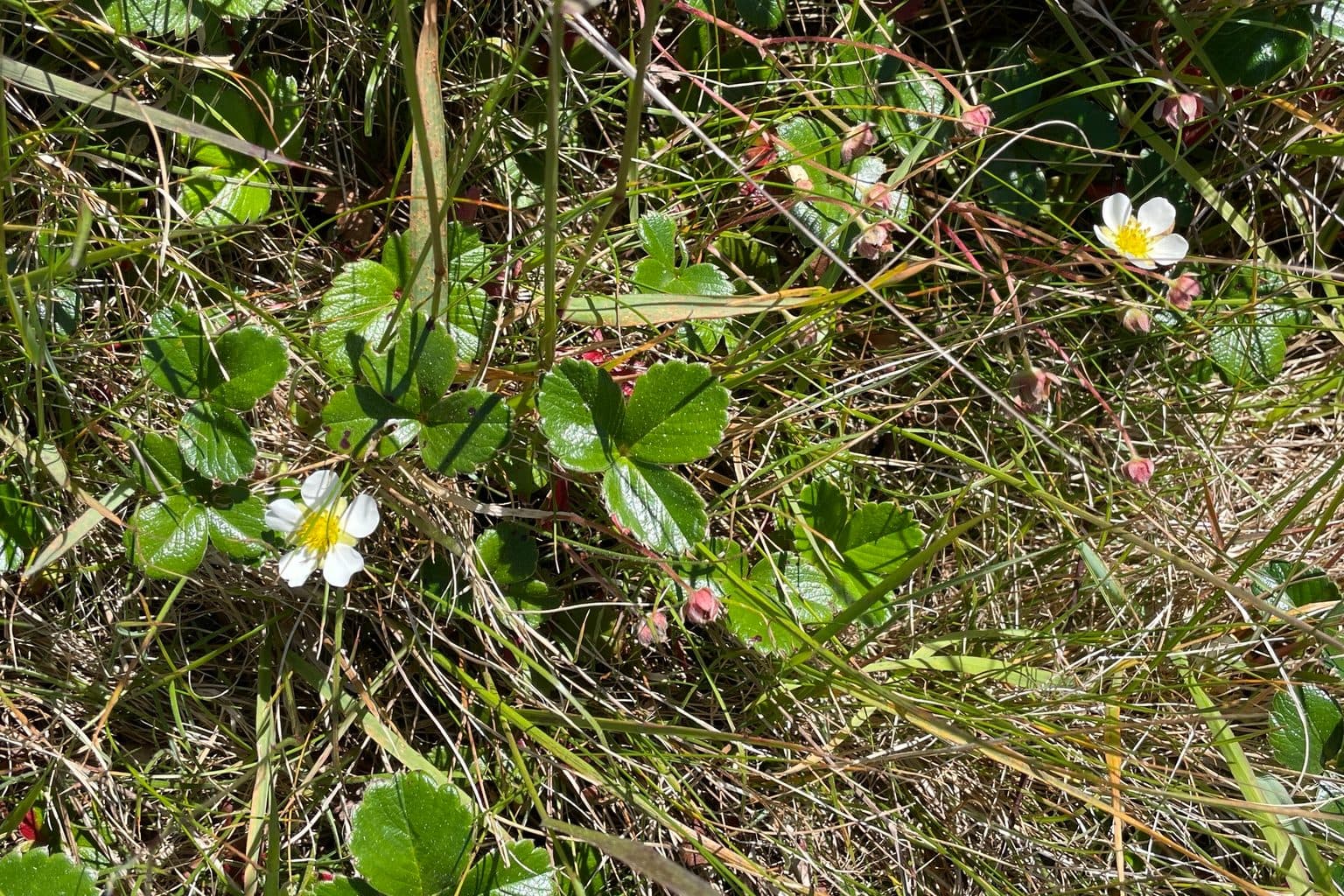
Safe swap: Beach Strawberry (Fragaria chiloensis). A low California-native groundcover with white flowers and glossy evergreen leaves, takes light foot traffic, and is not on the ASPCA toxic plant list (Calscape).
Quick reference
Toxicity details on this page follow the ASPCA Animal Poison Control Center plant database. As with any plant, "non-toxic" means no known systemic toxin, not that a dog should eat a whole clump.
For the legal side of a California lawn conversion, see can your California HOA force you to keep grass, and check California turf rebates to offset the cost.
To filter every plant in your plan by pet toxicity before you buy, get Pollinator Patch on the App Store. Plants with a cited toxic listing carry a Toxic to Pets flag right on the card.
Checking more than one plant? See the full list of plants toxic to dogs and cats, with native alternatives, covering every plant on the ASPCA list.