The number one concern people have about native gardens is this: "Won't it look dead half the year?" It's a fair question. If you picture native landscaping as a wildflower meadow, the mental image in January is brown, flat, and bare.
But that image is wrong, or at least, it only describes a native garden that wasn't planned for four-season interest. With intentional plant selection and sequencing, a native garden can have visual appeal in every month of the year.
The bloom sequencing principle
The key to year-round interest is bloom sequencing: choosing plants that flower at different times so something is always in bloom from early spring through late fall. Instead of a single peak followed by a long decline, you get a rolling wave of color.
A basic bloom sequence for much of the eastern and central US. Every species below is native to the Interior Plateau (Nashville area), and most range across the eastern half of the country (USDA PLANTS Database). Confirm each one for your own ecoregion before buying:
Early Spring (March–April)
- Columbine (Aquilegia canadensis): red and yellow, nodding flowers
- Blue Phlox (Phlox divaricata): soft blue carpet of flowers
- Golden Alexanders (Zizia aurea): bright yellow clusters, early pollinator food
Late Spring (May–June)
- Butterfly Weed (Asclepias tuberosa): vibrant orange, compact form
- Baptisia (Baptisia australis): blue-purple spikes, architectural shrub-like form
- Spiderwort (Tradescantia ohiensis): purple-blue flowers, grass-like foliage
Summer (July–August)
- Black-eyed Susan (Rudbeckia hirta): bright yellow, long bloom period
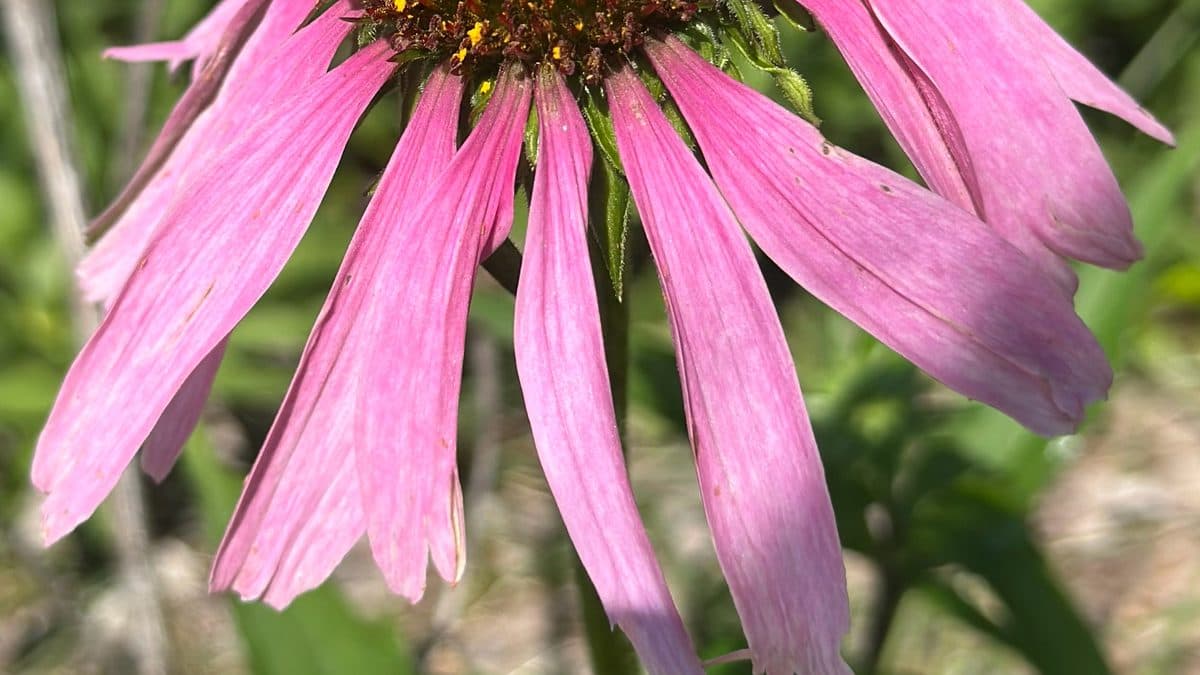
- Purple Coneflower (Echinacea purpurea): pink-purple, iconic native
- Bee Balm (Monarda fistulosa): lavender, hummingbird magnet
Fall (September–November)
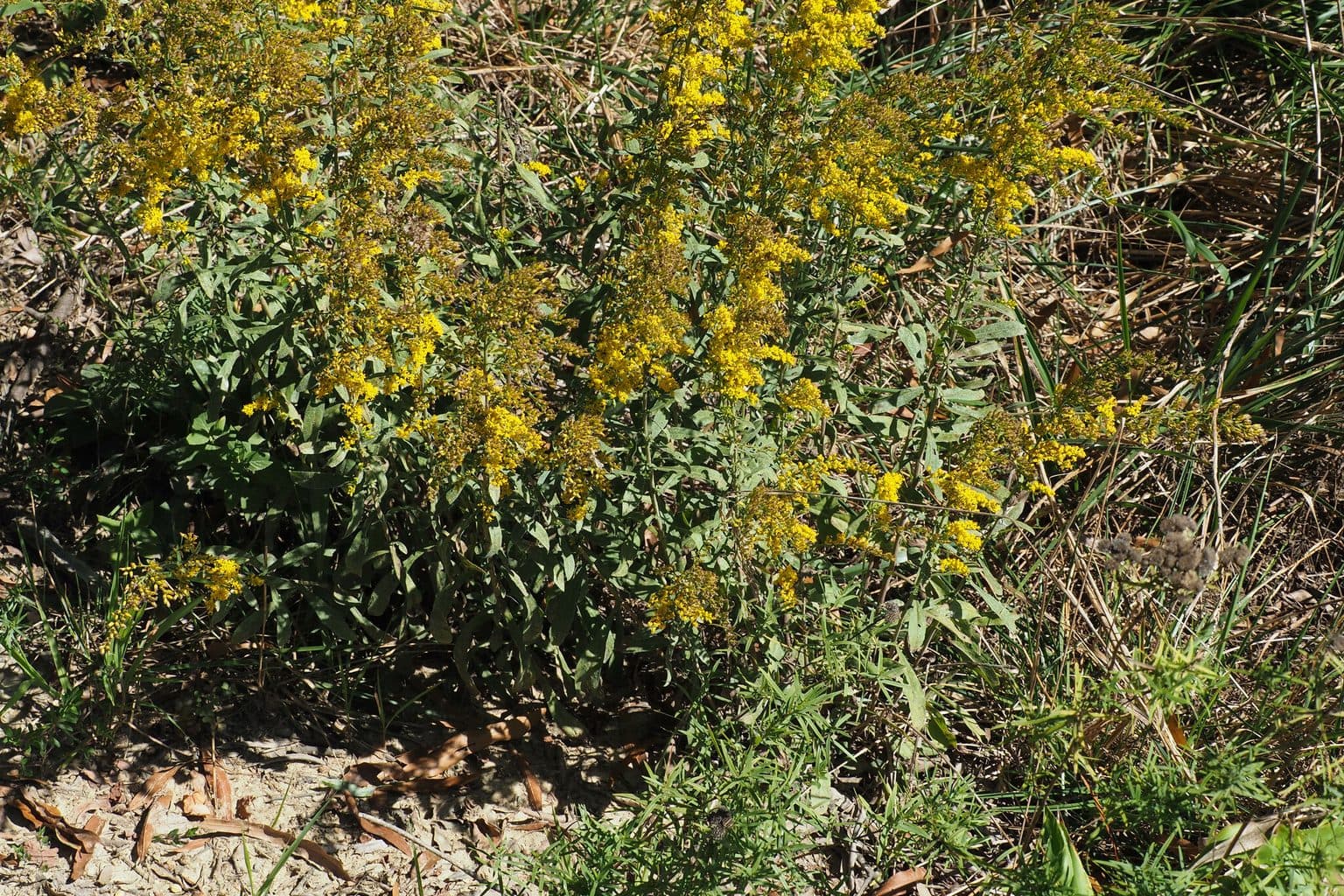
- Goldenrod (Solidago spp.): golden plumes, essential fall nectar
- Asters (Symphyotrichum spp.): purple, blue, white. The last flowers of the year
- Blazing Star (Liatris spicata): purple spikes, dramatic late-season show
When you select at least two to three species per season, you guarantee overlapping bloom periods. There's never a gap where the garden goes blank.
Winter interest: beyond blooms
This is where many native garden plans fall short. They focus entirely on flowers and forget that winter is four months long. But winter interest doesn't come from blooms. It comes from structure.
Elements that keep a native garden visually appealing in winter:
Ornamental grasses
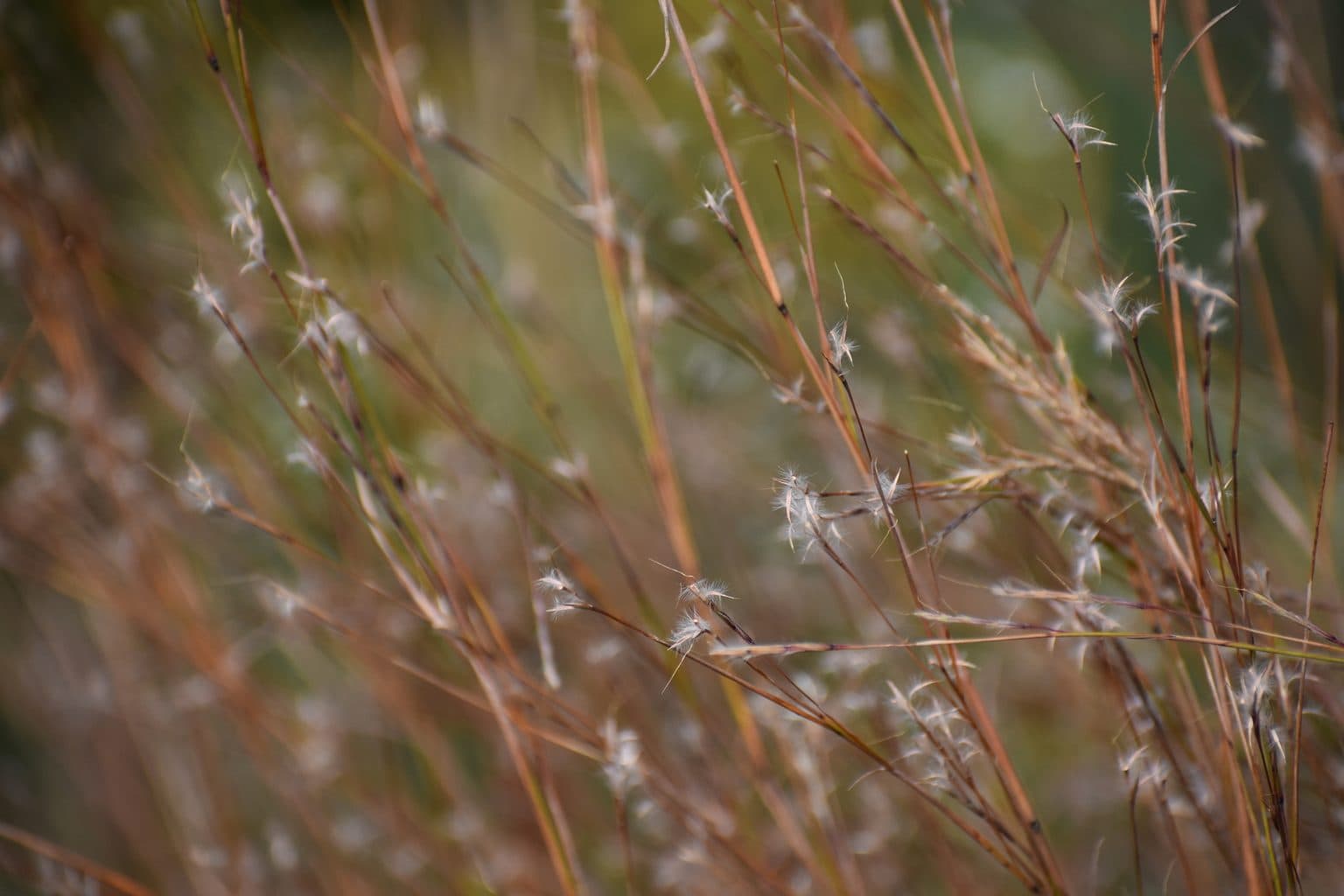
Little Bluestem turns copper-bronze in fall and holds that color through winter. Prairie Dropseed creates golden mounds. Switch Grass stands upright even in snow. These grasses provide movement, texture, and warm tones when everything else is dormant.
Seed heads
Coneflower seed heads, goldenrod plumes, and Liatris spikes persist through winter and look striking against snow or frost. They also feed birds, goldfinches especially love coneflower seeds. Leave them standing through winter and cut back in early spring.
Evergreen structure
Native evergreen groundcovers (like Packera obovata or native sedges) and small native shrubs provide green year-round. Placing even one or two evergreen elements in a bed anchors the winter view.
Hardscape and edges
Clean bed edges, stone borders, and pathways are visible year-round. They provide structure even when plants are dormant and signal that the garden is maintained, a key concern for HOA-conscious homeowners.
A month-by-month reality check
Here's what a well-planned native garden actually looks like across the calendar, roughly for USDA zones 5–8:
- January–February: Grasses and seed heads provide texture. Evergreen elements hold green. Edges and mulch are visible. The garden reads as dormant but maintained.
- March: Early shoots emerge. Columbine and phlox begin to show color. Spring cleanup (cut back last year's growth) signals the start of a new season.
- April–May: Spring wildflowers bloom. Baptisia puts on its architectural show. Fresh foliage fills in rapidly.
- June–July: Peak diversity. Multiple species in flower. Butterflies and bees are active. The garden looks its most vibrant.
- August–September: Summer bloomers transition to fall. Goldenrod and asters take over. Grasses begin to show fall color.
- October–November: Fall color peaks in both flowers and foliage. Asters carry the bloom season into November in mild years. Seed heads begin forming.
- December: Plants go dormant but seed heads and grasses remain. The garden enters its structural winter phase.
The reality: a well-planned native garden is actively blooming for 7–8 months and visually interesting for all 12. The "dead" period that people fear simply doesn't happen when structure plants are included.
Making it work with your HOA
Year-round interest isn't just about beauty. It directly addresses the most common HOA concern with native gardens. A garden that looks maintained and intentional in January is far less likely to draw complaints than one that's a bare patch of cut-back stems.
Specific strategies:
- Include at least one native grass: it carries the winter visual almost single-handedly
- Leave seed heads standing: but trim any that look ragged or are flopping over walkways
- Refresh mulch in spring and fall: visible mulch signals care year-round
- Keep edges crisp: clean borders in winter are as important as clean borders in summer
- Do spring cleanup visibly: when neighbors see you cutting back and refreshing beds in March, it reinforces that the garden is intentional
Start with the seasons you're missing
If you already have some native plants, you don't need to start over. Look at your garden's calendar and identify the gaps. Most people have summer covered. It's early spring, late fall, and winter that need work.
Adding two or three species to fill those gaps can transform a garden that "looks great in July" into one that has something happening every month.
Want a garden with something happening in every season?
Pollinator Patch helps you choose native plants by bloom time and structure, so you can plan a garden with year-round interest that looks intentional in every month.