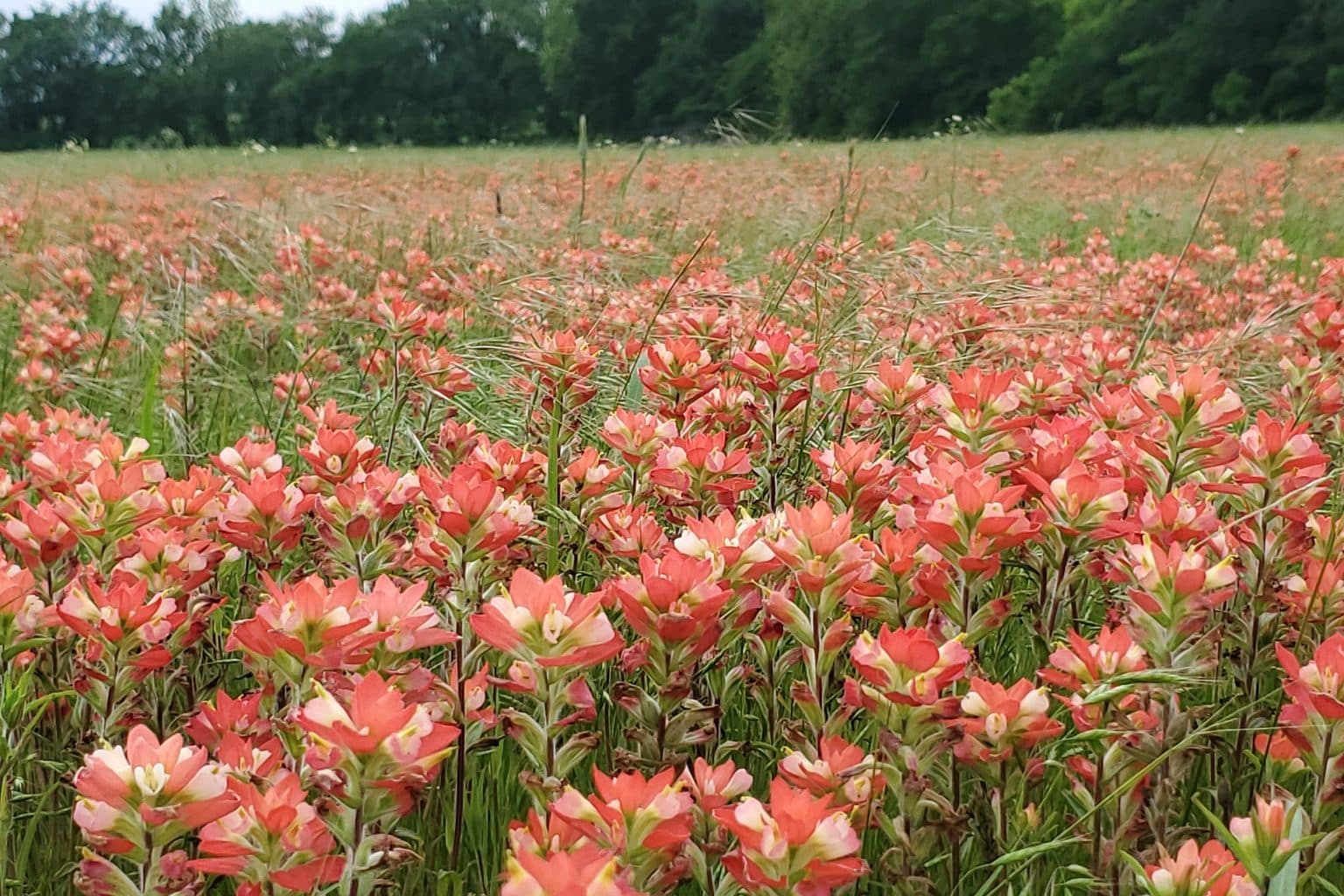
Plano doesn't offer a turf conversion rebate. You can still cut water use and attract pollinators with native plants. Plano sits in the Blackland Prairies. Heavy clay is common. Here's what works, what to bring when you talk to your HOA, and other ways to save.
Key takeaways
- Plano has no turf rebate. Check NTMWD for irrigation rebates. Neighboring Denton offers up to $5/sq ft.
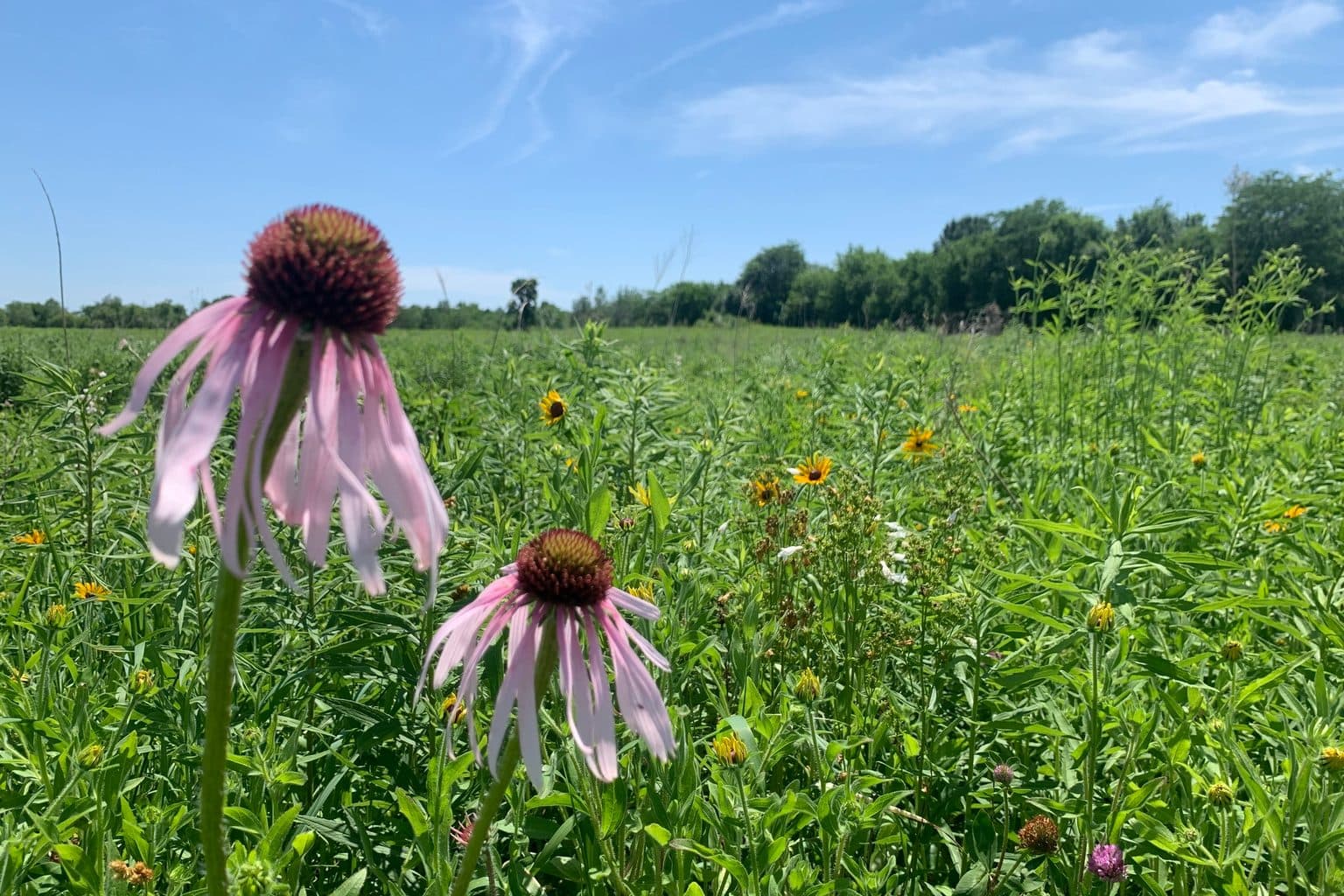
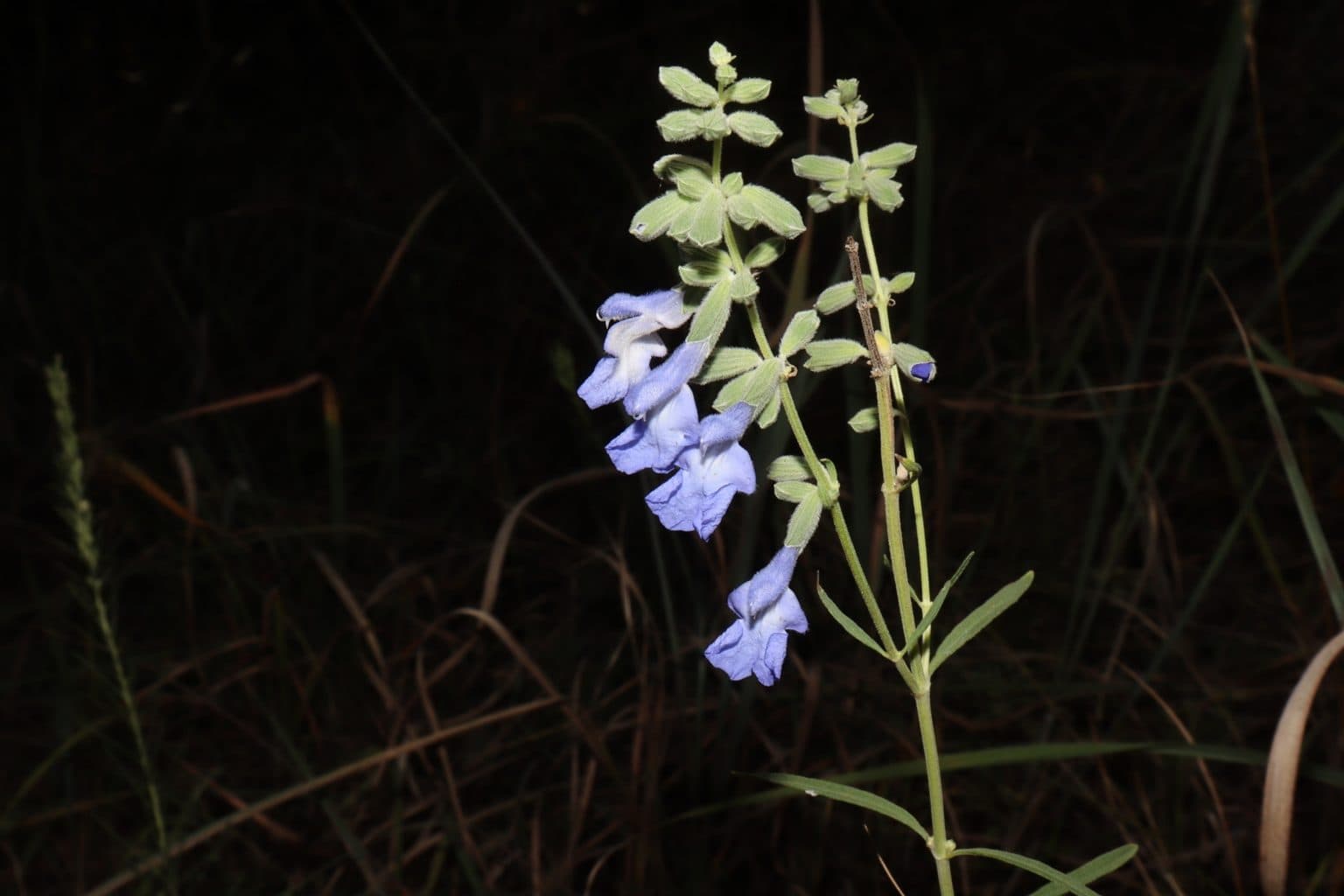
- Black-eyed Susan, Purple Coneflower, Mealy Blue Sage, Little Bluestem handle Plano clay. Amend with compost.
- Fall planting (October, November) gives roots time before summer. A written plan helps with HOAs.
- Redenta's Garden and North Haven Gardens in Dallas carry Blackland Prairie natives. See our nurseries guide.
Why native plants work in Plano
Plano clay holds water. In spring it can stay wet. In summer it bakes. Native plants adapted to Blackland Prairie conditions handle both. They need less water once established. They attract butterflies and bees. And they look intentional when you design them right. Clean edges, mulch, grouped plantings. Structure matters more than plant choice for most HOAs.
Plants for Plano's clay soils
Black-eyed Susan thrives in Plano clay. Cheerful, recognizable. Purple Coneflower is hardy and clay-tolerant. Mealy Blue Sage stays compact and blooms all summer. Little Bluestem is a native grass with bronze fall color. Inland Sea Oats works in shade. Gulf Muhly adds pink plumes in October.
Amend heavy clay with compost. Raised beds help in low spots where drainage is poor. Fall planting (October, November) gives roots time before summer. Check the Plano city page for more plant picks.
HOA landscaping in Plano: what to bring
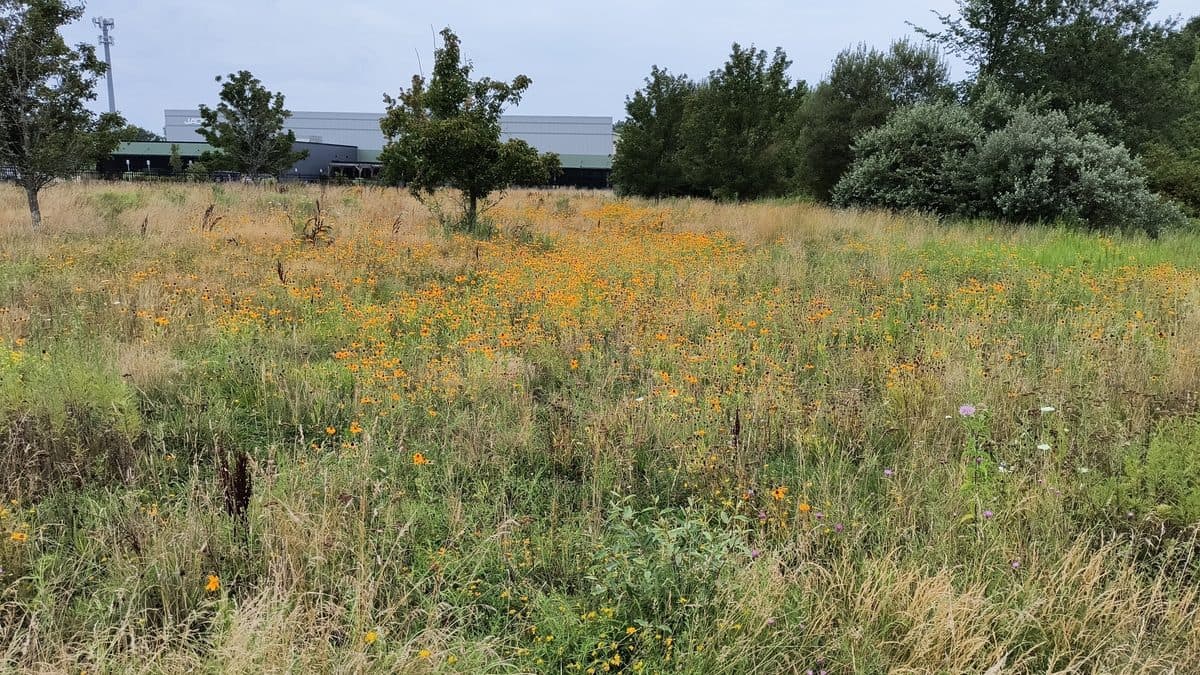
Many Plano neighborhoods have HOAs. A written plan helps. Plant list with common and scientific names. A simple layout sketch showing where things go. Height layering: low near the street, taller near the house. Mulch between plants. Clean bed edges.
Some boards want to see the plan before you start. Some don't. Having it ready speeds things up either way. Emphasize water savings and low maintenance. Native plants fit both.
No rebate? Other ways to save
Plano doesn't have a turf conversion rebate. Check NTMWD and the city water department for irrigation rebates. Smart controller rebates can offset some cost. Rain sensors. Sometimes rain barrels. The savings add up. And once natives are established, your water bill drops. That's the real payoff.
Neighboring cities like Frisco and McKinney also lack turf rebates. Richardson, Dallas. If you're in North Texas without a rebate, you're not alone. The plant picks still work. Check the full rebates list in case something new pops up. Cities add programs.