If your dog ate something and you are worried right now
Call the ASPCA Animal Poison Control Center: (888) 426-4435. There is a consultation fee, but they are available 24/7 and will walk you through it. Your vet's emergency line is the other call to make.
Quick answer: The most dangerous plants for dogs in Colorado yards are Yew, Foxglove, Lily of the Valley, spring bulbs (tulip and daffodil), Iris, and native Chokecherry. Each has a Colorado-native swap that is not on the ASPCA toxic plant list: Rabbitbrush, Rocky Mountain Penstemon, Kinnikinnick, Blanketflower, Blue Flax, and Serviceberry.
Colorado yards lean on a different set of plants than the South, and some of the most common ones are seriously toxic to dogs. Yew hedges wrap foundations all over the Front Range. Spring bulbs go in by the bagful. Even a native like chokecherry carries a real risk.
Here are the worst offenders in Colorado landscapes, what they do to dogs, and a Colorado-native swap for each. Toxicity is per the ASPCA Animal Poison Control Center plant database. Native swaps are drawn from the Colorado Native Plant Society and Colorado State University Extension.
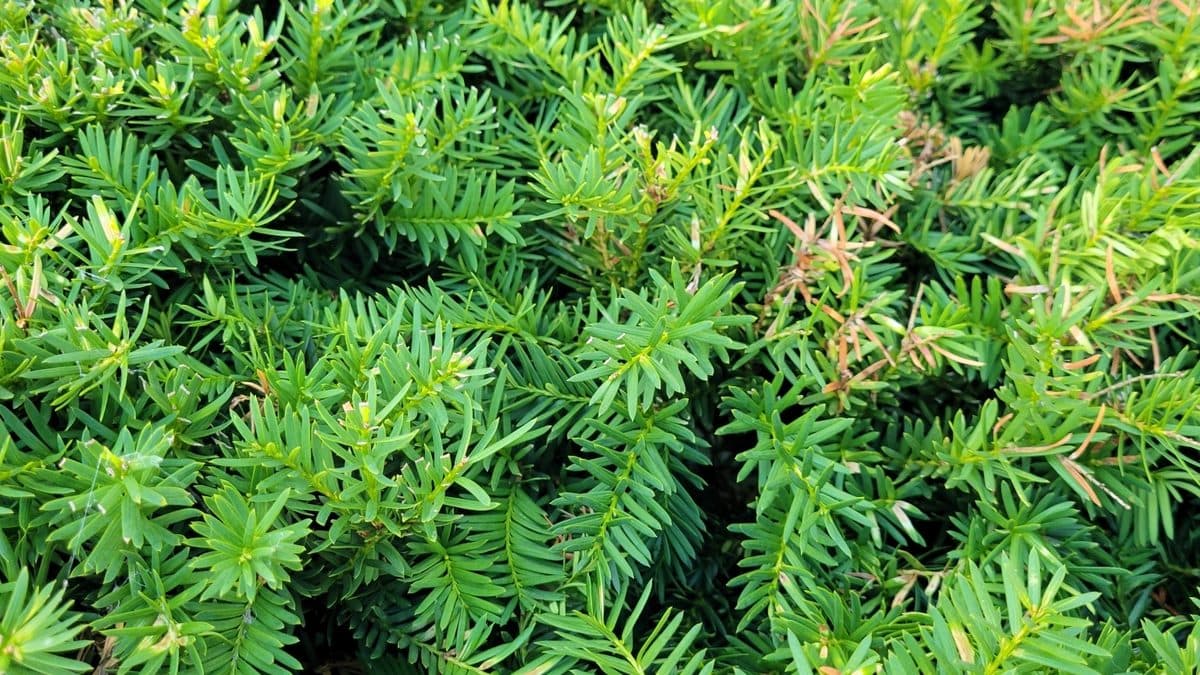
Yew (Taxus spp.)
The most dangerous common landscape plant in Colorado for dogs. Yew is a popular evergreen foundation hedge, and nearly all of it, foliage and seeds, is toxic per the ASPCA. The toxins (taxines) affect the heart and can cause sudden, severe poisoning.
Safe swap: Rabbitbrush (Ericameria nauseosa). A Colorado-native shrub with gold late-summer flowers and silvery foliage, very drought tolerant, and not on the ASPCA toxic plant list (Colorado Native Plant Society).
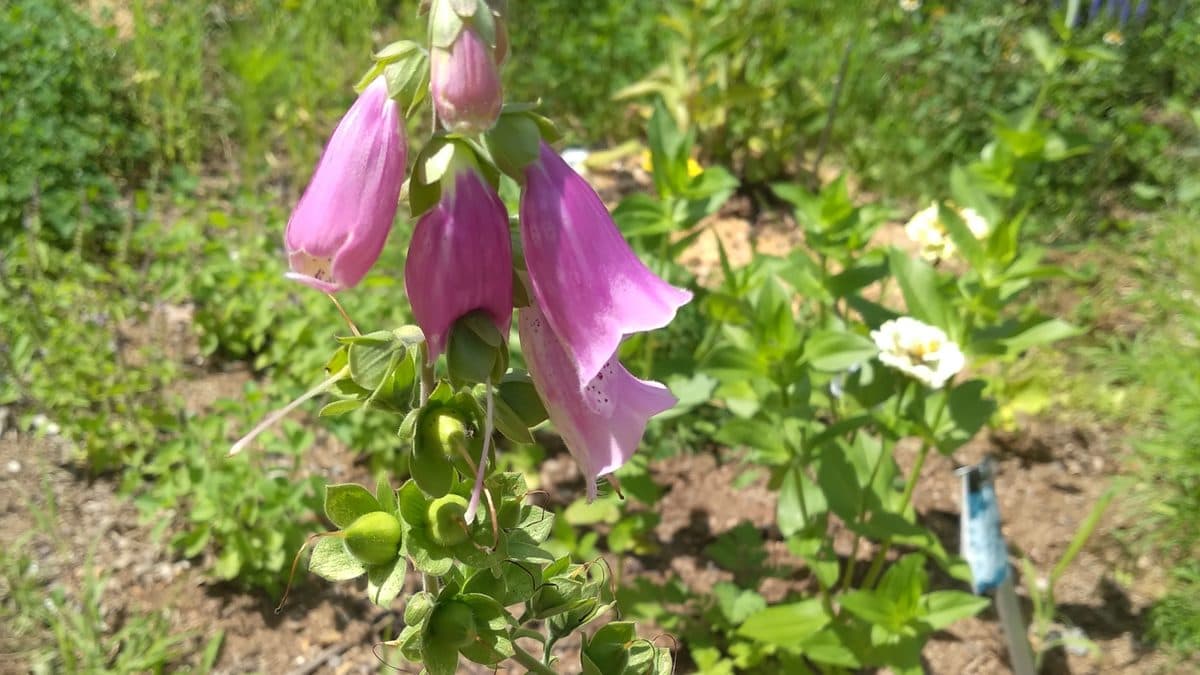
Foxglove (Digitalis purpurea)
Tall flower spikes popular in cottage beds, and toxic to dogs per the ASPCA. All parts contain cardiac glycosides that affect heart rhythm.
Safe swap: Rocky Mountain Penstemon (Penstemon strictus). The most reliable native perennial for Front Range yards, with tall blue-purple spikes, and not on the ASPCA toxic plant list (CSU Extension).
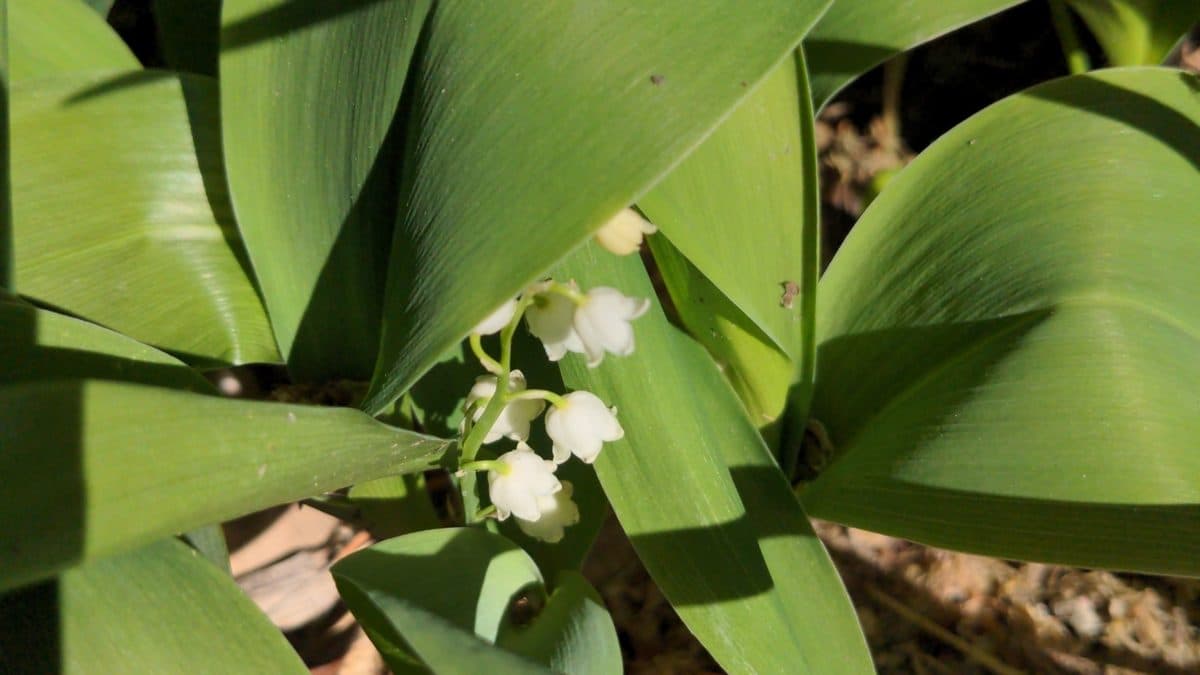
Lily of the Valley (Convallaria majalis)
A fragrant shade groundcover, and toxic to dogs per the ASPCA. It contains cardiac glycosides; even small amounts can cause vomiting and dangerous changes in heart rhythm.
Safe swap: Kinnikinnick (Arctostaphylos uva-ursi). A Colorado-native evergreen groundcover with small pink flowers and red berries, tough in poor soil, and not on the ASPCA toxic plant list (Colorado Native Plant Society).
Spring bulbs: Tulip and Daffodil
The bulbs are the problem. Tulip and daffodil bulbs are toxic to dogs per the ASPCA, and dogs that dig them up in fall or spring can get vomiting, drooling, and in larger amounts heart and breathing effects.
Safe swap: Blanketflower (Gaillardia aristata). A Colorado-native perennial with red-and-yellow daisies all summer that establishes fast and self-seeds, and is not on the ASPCA toxic plant list (CSU Extension).
Iris (Iris spp.)
A staple of Colorado perennial beds, and toxic to dogs per the ASPCA, with the rhizomes the most concentrated part. Ingestion can cause drooling, vomiting, and diarrhea.
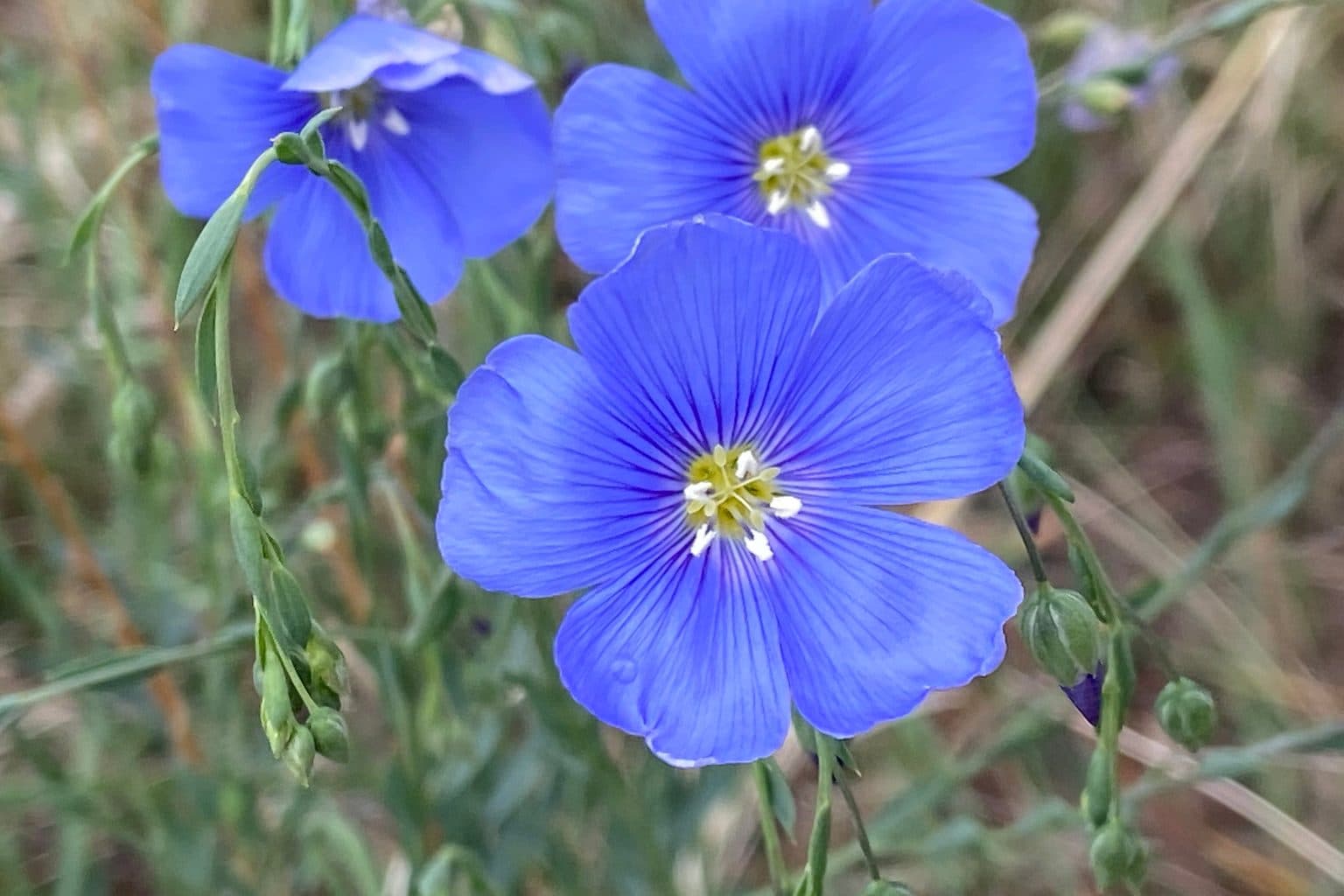
Safe swap: Blue Flax (Linum lewisii). A Colorado-native with sky-blue morning flowers on airy stems, drought tolerant, and not on the ASPCA toxic plant list (Colorado Native Plant Society).
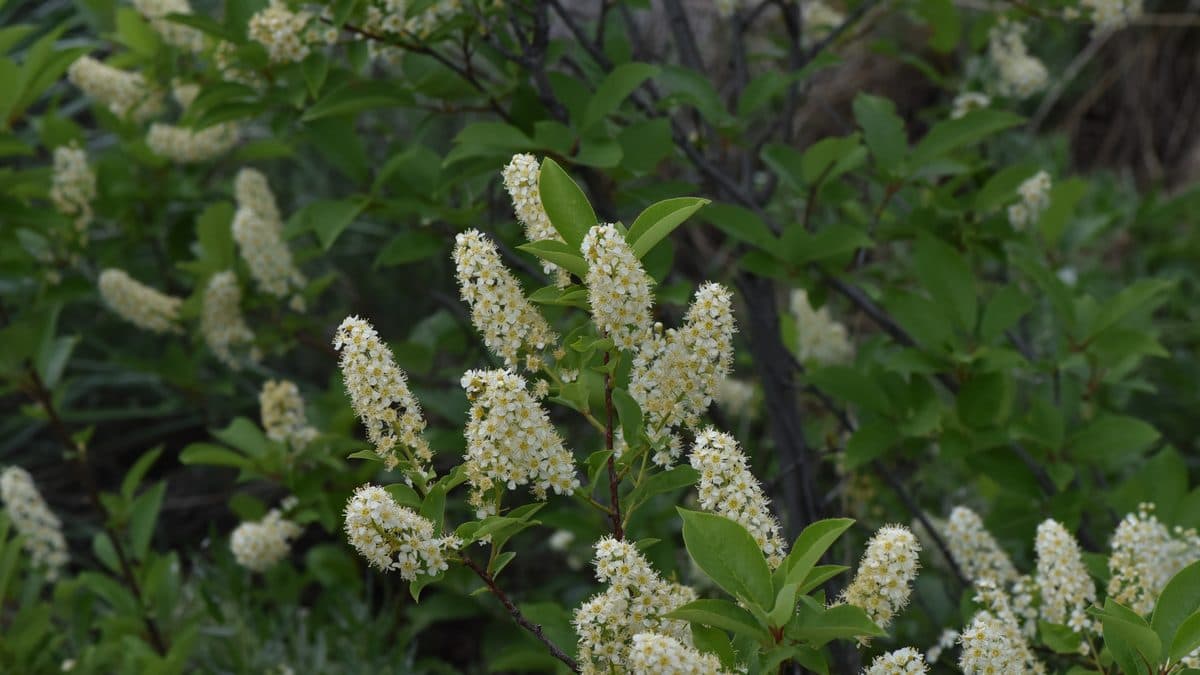
Chokecherry (Prunus virginiana)
A Colorado native, but a toxic one for dogs. The leaves, stems, and seeds contain cyanogenic compounds per the ASPCA, so being native does not make it pet-safe.
Safe swap: Serviceberry (Amelanchier alnifolia). A Colorado-native shrub or small tree with white spring flowers and edible blue summer berries that birds love, and not on the ASPCA toxic plant list (CSU Extension).
Quick reference
Toxicity details on this page follow the ASPCA Animal Poison Control Center plant database. "Non-toxic" means no known systemic toxin, not that a dog should eat a whole clump.
For native picks by sun and size, see best native plants for Colorado front yards. For the legal side, see can your Colorado HOA force you to keep grass, and check Colorado turf and water rebates.
To filter every plant in your plan by pet toxicity before you buy, get Pollinator Patch on the App Store. Plants with a cited toxic listing carry a Toxic to Pets flag right on the card.
Checking more than one plant? See the full list of plants toxic to dogs and cats, with native alternatives, covering every plant on the ASPCA list.