It's Time to Break Up With Liriope (Your Yard Deserves Better)
The short version
- Liriope is prone to crown rot and can spread invasively in North Texas.
- Inland Sea Oats has graceful seed heads and thrives in shady areas.
- Swap for Inland Sea Oats for the same border role with native benefits.
Liriope has been the default border plant for decades. In North Texas it is prone to crown rot and can spread where you did not plant it. Inland Sea Oats has graceful seed heads and thrives in shade, filling the same border role without the disease and spread issues.
Why Liriope disappoints in North Texas
Liriope can suffer from crown rot in heavy or poorly drained soil. Once it starts, patches die out and the bed looks ragged. It also spreads by rhizomes and can creep into lawn or other beds. You end up with a plant that needs dividing and replacing more often than many people expect.
Grow Inland Sea Oats instead
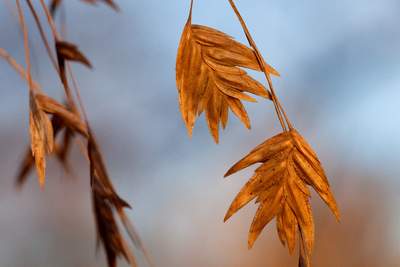
Inland Sea Oats (Chasmanthium latifolium) is a Texas native grass with flat, oat-like seed heads that move in the breeze. It thrives in shade and part shade, so it works under trees and along north-facing edges. It stays where you put it and gives a soft, natural border. Birds eat the seeds. It reads as intentional with a little mulch and a clear edge. For more on low-growing and border plants, see pet-friendly ground cover Texas.
For design cues that keep native plantings looking tidy, see our cues of care guide. Many Texas cities offer rebates for water-wise landscaping.
Plan a native yard
Pollinator Patch helps you pick plants by sun, water, and region.
See a finished plan for a yard like this
Find our guides useful? Add Pollinator Patch as a preferred source on Google and articles like this one will show up higher in your own search results.