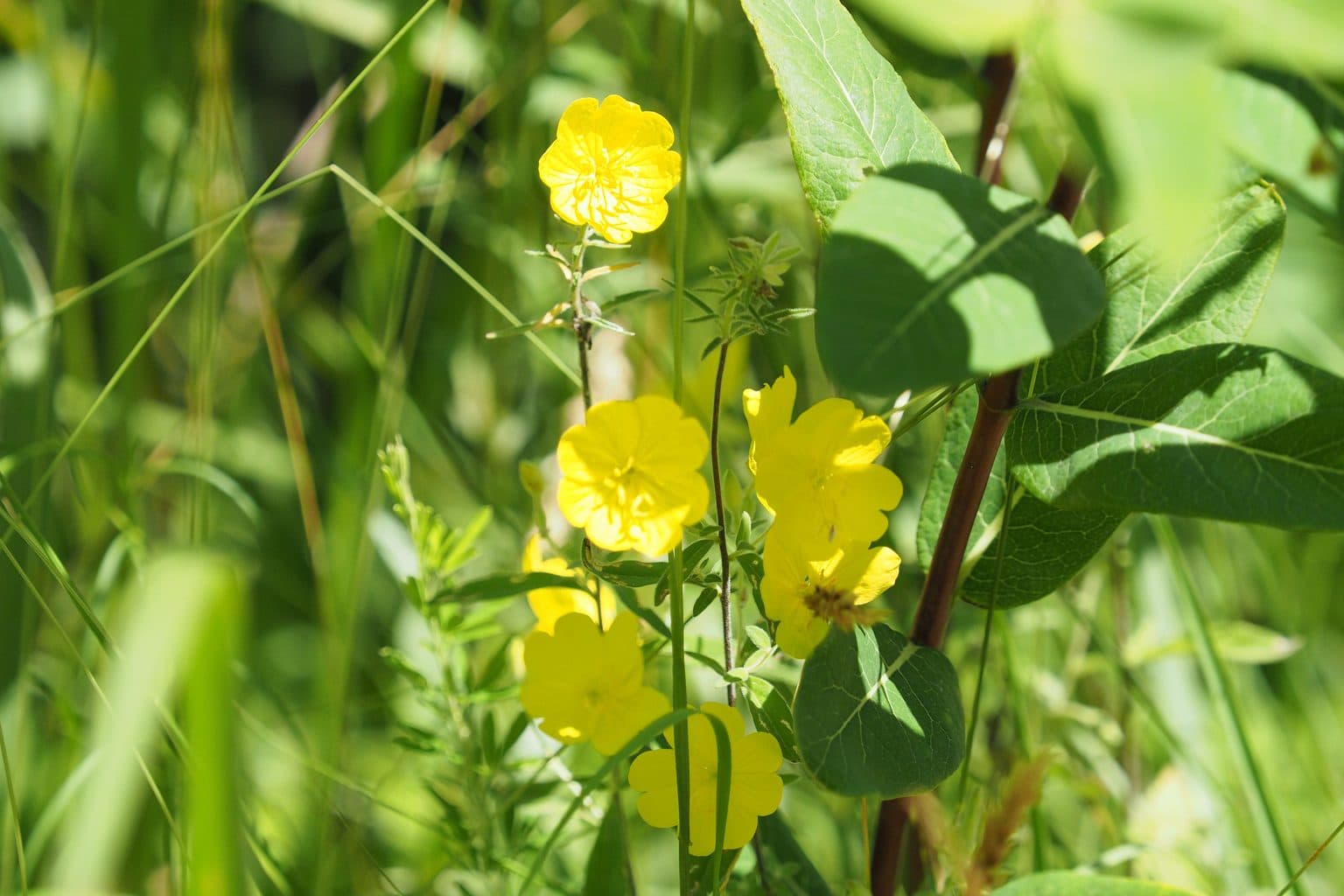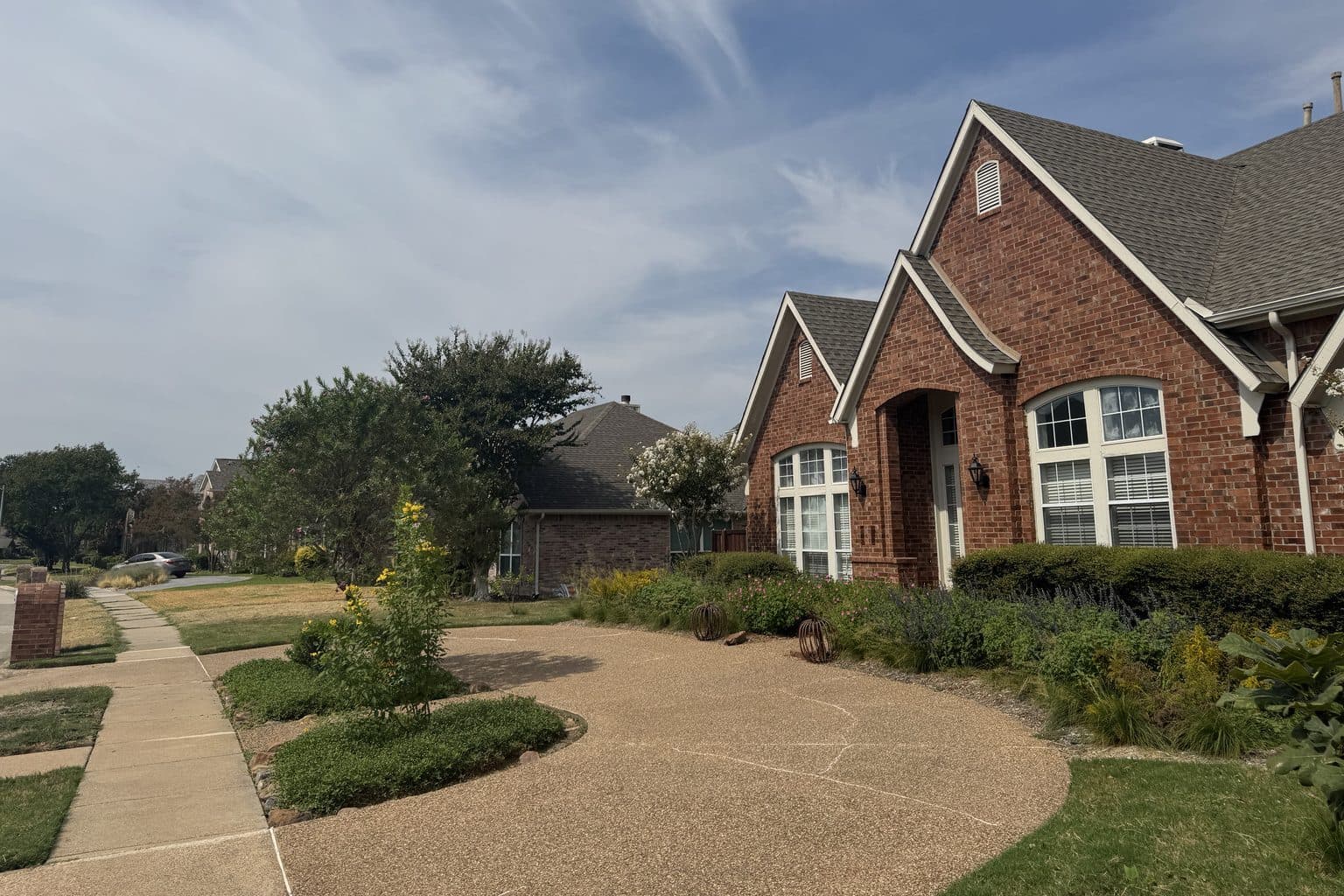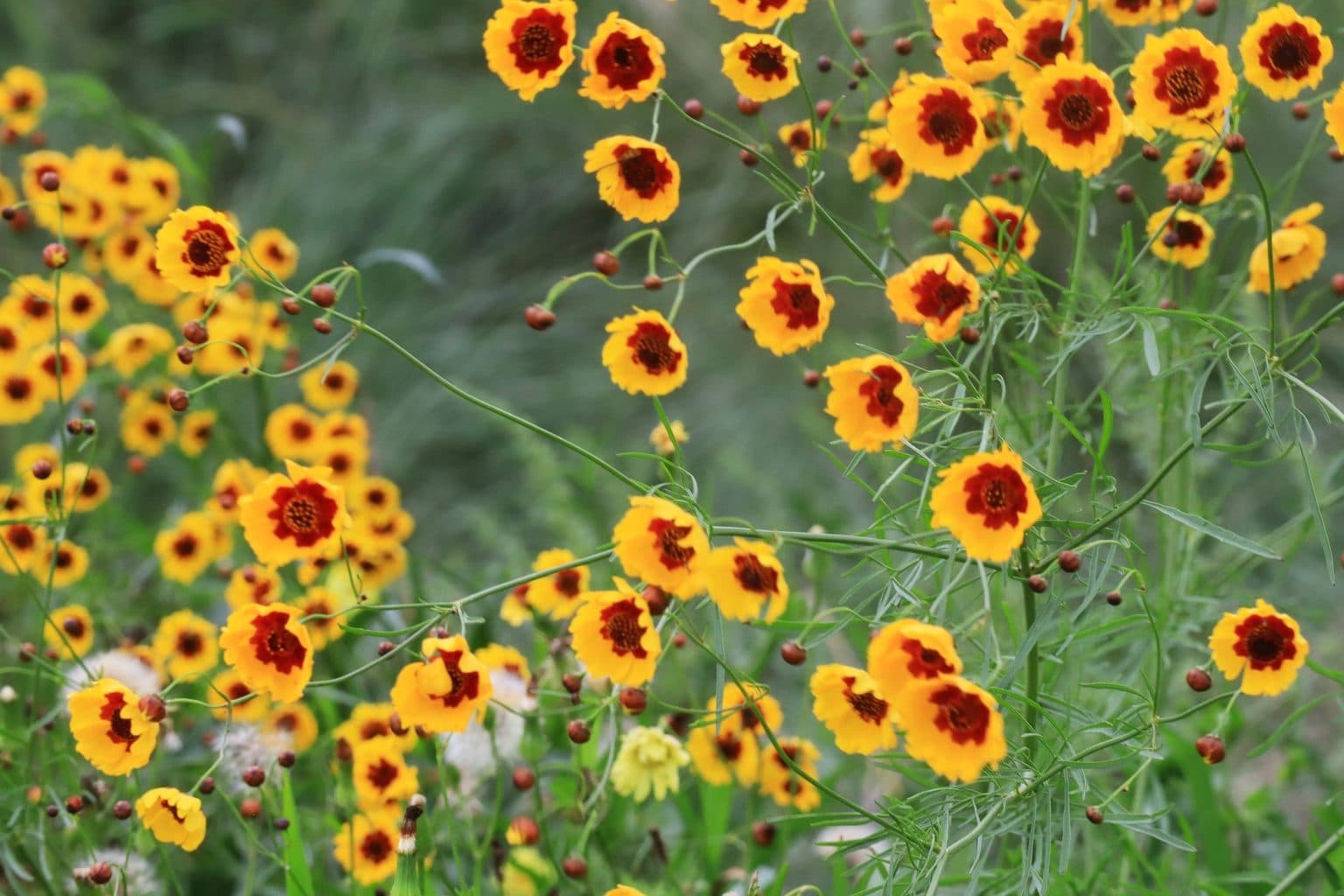
Not all parts of your yard get the same HOA scrutiny. Street-facing areas get the most attention. Back yards and side yards often allow more flexibility. Understanding the risk by zone helps you decide where to experiment and where to stick with proven design cues.
Key takeaways
- Front yard: keep plants under 2 feet near sidewalks, use defined edges and mulch, maintain sightlines to the door.
- Hell strip (sidewalk to street): highly visible. Frogfruit, low wildflowers, or a tidy mix work. See low-maintenance front yard.
- Back yard: more room for taller grasses, denser plantings, pollinator patches. Less scrutiny.
- Same plants, different placement. Structure and visibility matter more in front.
The same native plants can work in both places. The difference is how much structure and visibility management you need.
Front yard: design for curb visibility
The front yard is what passersby and HOA reviewers see first. Driveways, sidewalks, and the strip between sidewalk and street are high-visibility zones. Design choices here matter most.
- Keep shorter plants (under 2 feet) near sidewalks and driveways
- Place taller species toward the back of beds or near the house
- Use defined edges, mulch, and grouped plantings
- Maintain clear sightlines to the front door
For more on curb appeal, see first impressions from the curb and mulch, edging, and visibility.
The strip between sidewalk and street
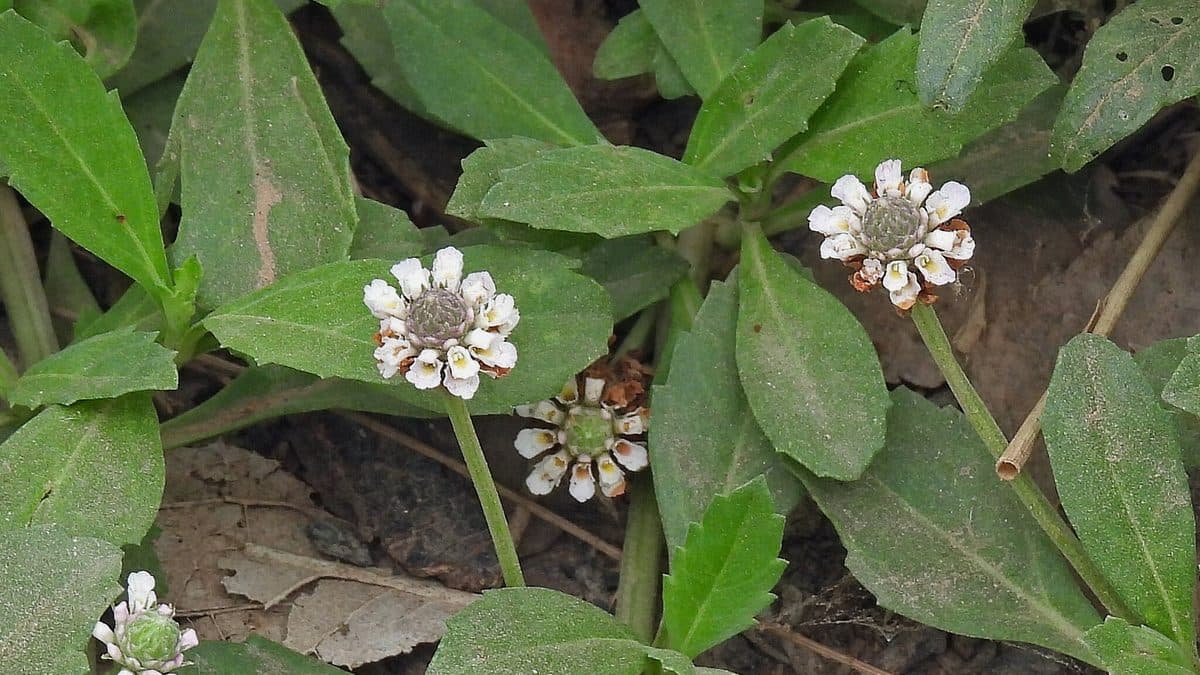
This strip (sometimes called the "hell strip" or "parkway") is often the hardest to water and the first to brown. It's also highly visible. Converting it to natives (Frogfruit, low wildflowers, or a simple mix) cuts water use and creates a pollinator strip. Keep it tidy with defined edges. For ideas, see low-maintenance front yard without grass.
Back yard: more room to experiment
Back yards typically get less HOA scrutiny. Pollinator patches, taller grasses, denser plantings, and a more "natural" look often work fine. You can still use structure (edges, grouping) if you want, but the pressure is lower.
If you have dogs, see dog-friendly native backyard design. For pet-safe plants, see plants toxic to dogs and native alternatives.
Side yards
Side yards fall in between. If they're visible from the street (e.g., a corner lot or open fence), treat them like front yard. If they're screened, you have more flexibility. Check your CC&Rs; some HOAs have rules about side yard landscaping visibility.
Same principles, different intensity
Defined edges, grouped plantings, and visible care cues reduce friction everywhere. In the front yard, they're essential. In the back, they're optional but still help if you want a cohesive look. For the full framework, see why structure matters more than plant choice.
Ready to plan by zone?
Pollinator Patch helps you design layouts for front and back yards.