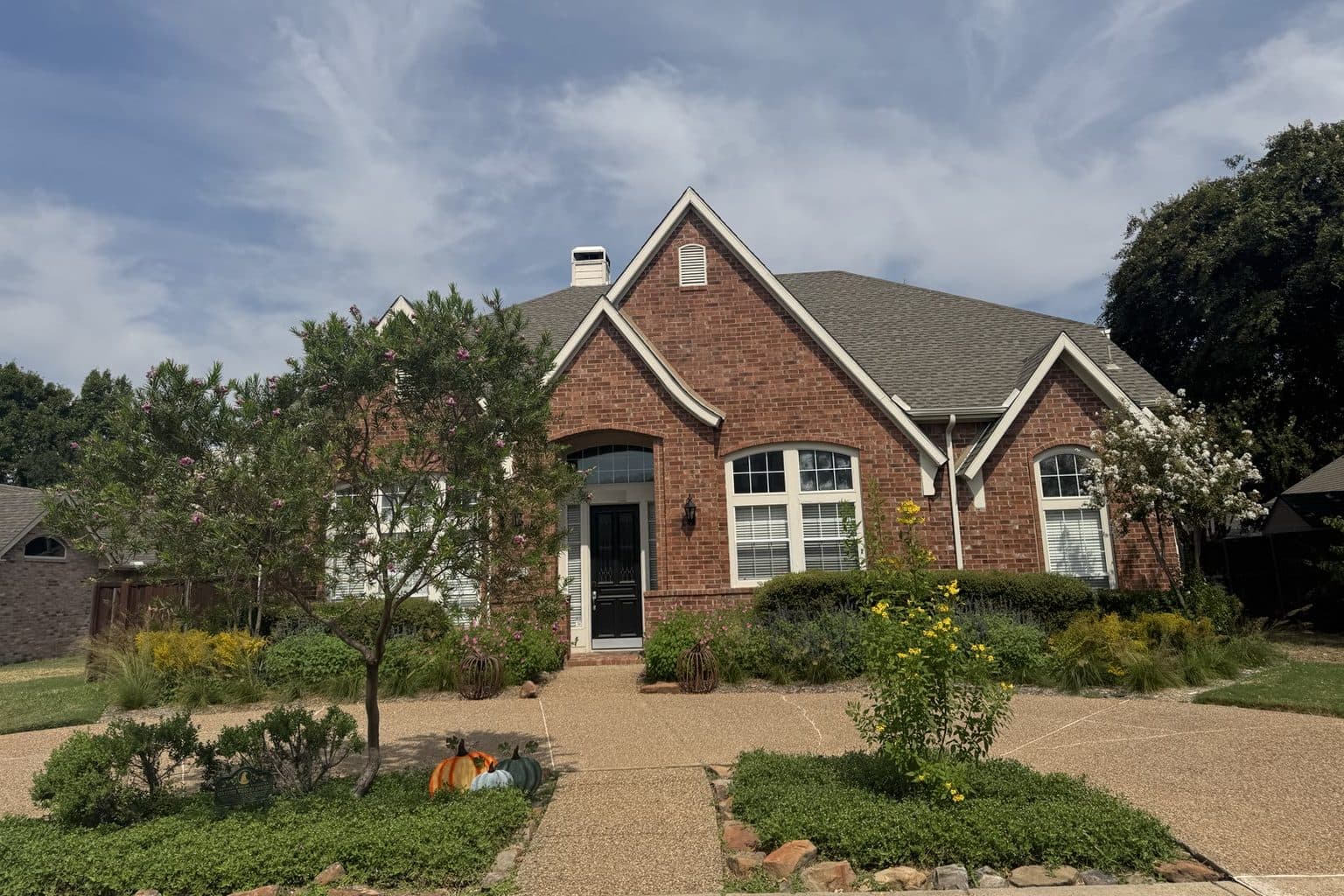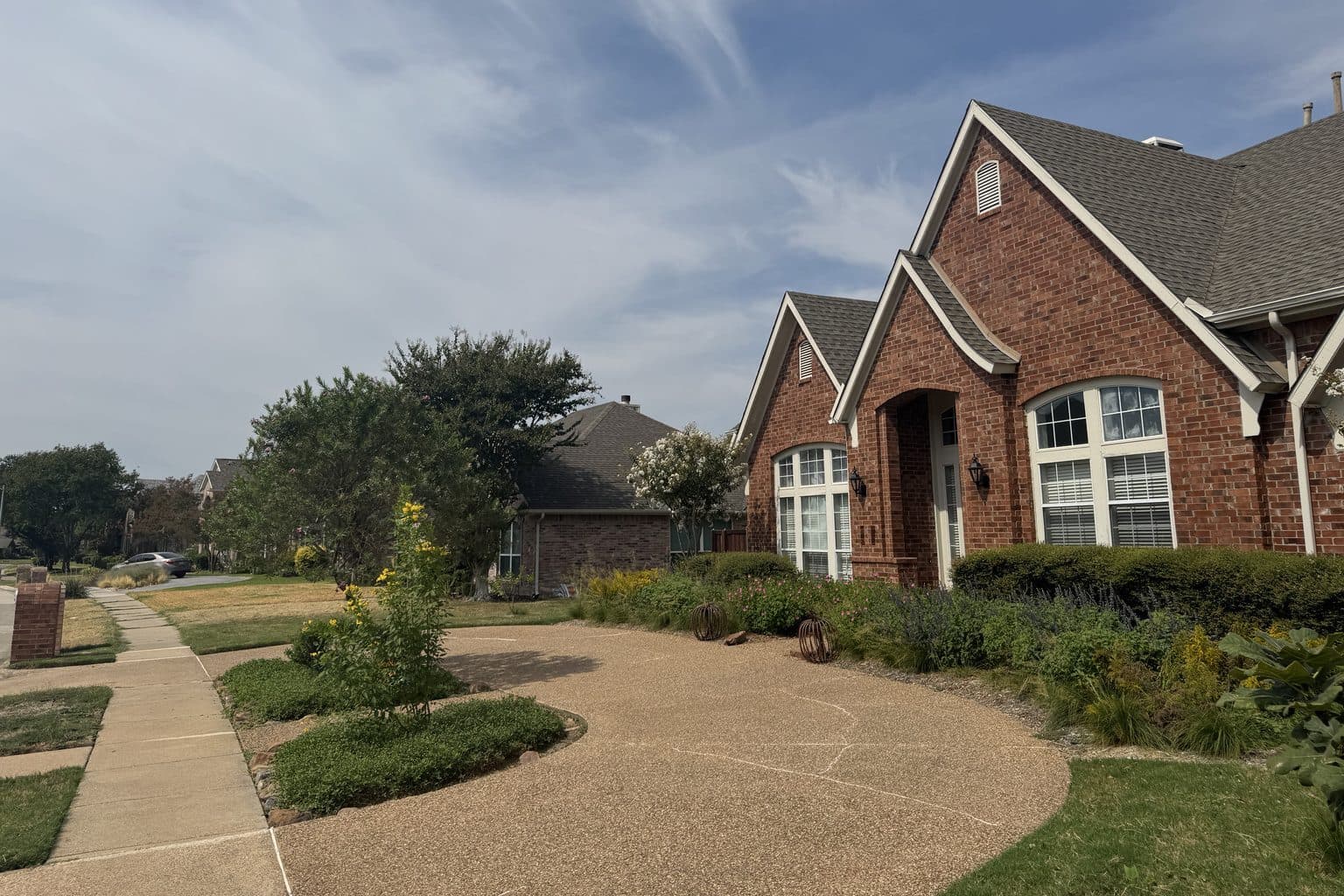
I spent three years mowing a St. Augustine lawn in Central Texas. Every Saturday morning. Forty-five minutes, plus edging, plus blowing. Then the water bill showed up and I'd try not to think about it too hard.
The honest math: a typical Texas lawn costs 15 hours a month in summer between mowing, edging, fertilizing, and dealing with whatever pest showed up that week. A native front yard? Two to three hours. Maybe less once it's established. And your water bill drops by half or more.
If you've been thinking about ditching the grass, here are four approaches that actually work in Texas. Pick the one that fits your yard, your HOA, and how much work you're willing to do upfront.
Option 1: Full native plant beds
Remove the turf entirely and replace it with grouped native plantings separated by mulch. This is the most dramatic change and the biggest water saver. Three to five species, planted in clusters of the same type (not alternating), with 3 inches of hardwood mulch between groups.
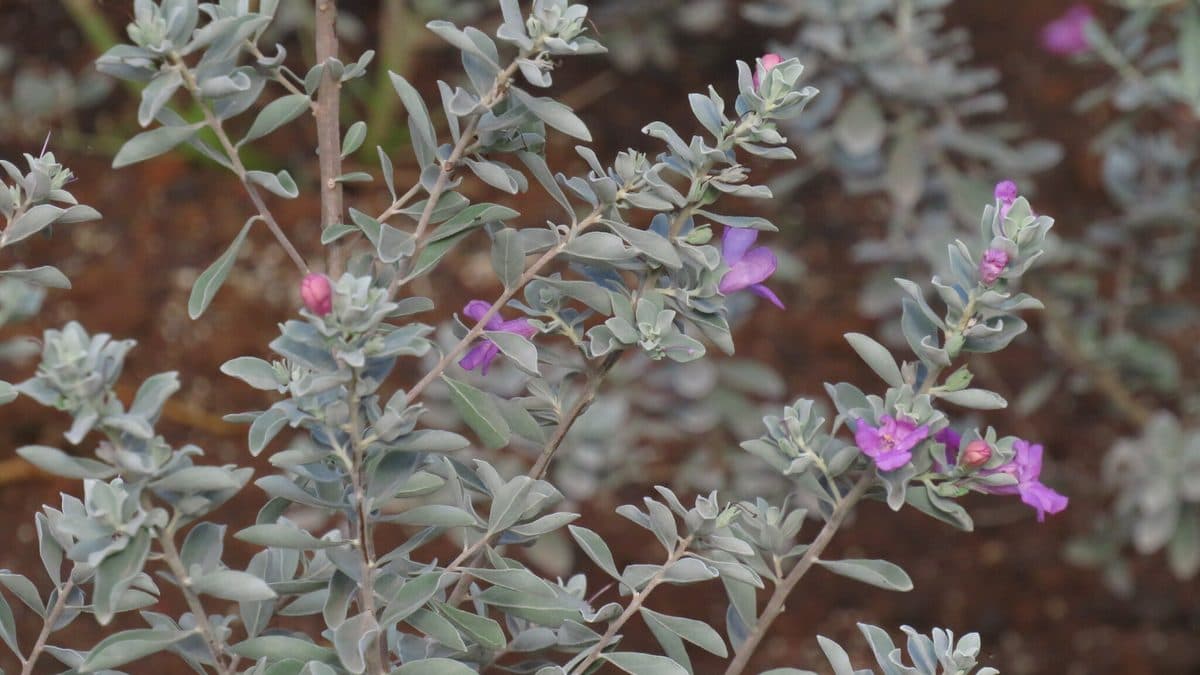
A front yard in the Austin area might use Blackfoot Daisy (Melampodium leucanthum) along the walkway, Mealy Blue Sage (Salvia farinacea) in the middle, and Cenizo (Leucophyllum frutescens) against the house. That combo gives you year-round structure, color from March through November, and zero supplemental water after the first year. For more species options, see our guide to lawn alternatives.
Option 2: Decomposed granite with native accents
Popular in San Antonio and anywhere west of I-35 where it barely rains June through September. You lay a base of decomposed granite (DG), then plant native species in pockets throughout. It looks clean and modern. Almost zero maintenance on the DG itself.
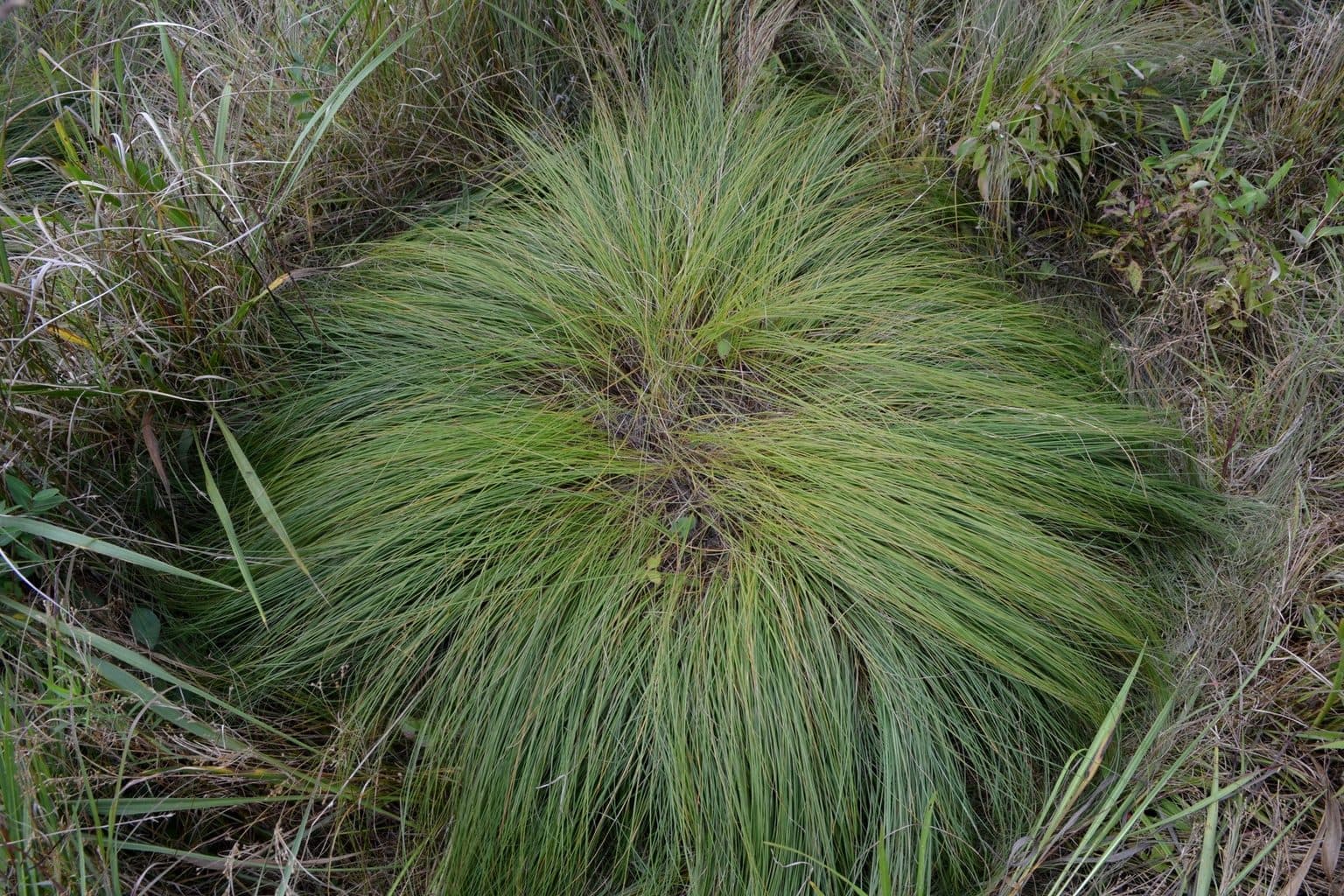
The trick is not making it look like a parking lot. Scatter boulders or larger limestone pieces. Plant Autumn Sage (Salvia greggii) and Flame Acanthus (Anisacanthus quadrifidus) in clusters so they soften the hard edges. A few Gulf Muhly Grass (Muhlenbergia capillaris) clumps add movement. That pink bloom in October is worth the whole project by itself.
Option 3: Native ground cover lawn replacement
If you want something that still reads as "lawn" from the street, this is the way to go. Frogfruit (Phyla nodiflora) gives you a flat green surface that handles foot traffic and never needs mowing. Buffalo Grass (Bouteloua dactyloides) is a native grass you can mow occasionally if you want that traditional look, but it only needs a fraction of the water.
Buffalo Grass goes tan in winter. That bothers some people and some HOAs. If that's a concern, mix it with Frogfruit, which stays green longer into fall. Our step-by-step lawn replacement guide walks through how to kill the existing turf and get ground cover established.
Option 4: The 50/50 approach
Not ready to go all in? Keep some lawn where it's functional (a play area, a strip by the walkway) and convert the rest to native beds. Cutting your turf area by half still cuts your water use, mowing time, and chemical inputs roughly in half. It's also the easiest sell to an HOA because the yard still has a "lawn."
The real maintenance comparison
- Traditional lawn: ~15 hours/month in summer. Mowing weekly, edging, fertilizing quarterly, pest treatment, irrigation monitoring.
- Native front yard: 2 to 3 hours/month. Seasonal pruning, weeding while plants fill in, one mulch refresh per year.
- 50/50 approach: ~8 hours/month. Half the mowing, half the irrigation, plus light maintenance on native beds.
The maintenance guide breaks down what each season actually looks like.
Start small: convert the hellstrip first
That strip between your sidewalk and the street? The one that's half dead every August? Perfect first project. It's small (usually 50 to 150 square feet), it's low-risk with your HOA, and it's the hardest spot to keep a traditional lawn alive anyway. Plant Frogfruit or a mix of low native wildflowers. Mulch the edges. Done.
Once you see how little work it takes, expanding to the rest of the yard gets a lot less scary.
What about the HOA?
This is the question everyone asks. The short answer: most HOAs care about appearance, not species. A yard full of native plants with clean edges, fresh mulch, and an obvious layout reads as "maintained" to most reviewers. A yard full of native plants with no edges and dead stems from last year reads as "neglected." Same plants, different outcome.
Our cues of care guide covers the specific design signals (edging, focal points, visible paths) that communicate intentional landscaping. The HOA-conscious native plants for Texas page lists species that tend to work well with HOA expectations.
Get the conversion paid for
A lot of Texas cities will pay you to remove grass. Austin Water offers up to $3,000 for converting turf grass to a native plant bed. SAWS in San Antonio has a similar program. Dallas, Fort Worth, and several smaller cities have their own versions. Some programs cover plants and mulch too, not just removal.
Check our rebate finder to see what's available in your zip code. A 500 square foot conversion (about a third of a typical front yard) could mean $500 to $1,500 back in your pocket. Apply before you start the work, since most programs require pre-approval.
Ready to lose the lawn?
Pollinator Patch helps you plan a no-grass front yard with native plants that fit your Texas region, your HOA, and your tolerance for yard work.