Monkey Grass (often sold as Liriope or Mondo Grass) is a default edging plant in Texas. It can look clean, but it adds very little habitat value. Horseherb gives you a low native ground layer that thrives in part shade and supports pollinators.
Why Monkey Grass is a missed opportunity
Monkey Grass does the visual job, but it is mostly decorative and can create repetitive, high-maintenance edging when divided and reset every few years. In many front yards, it takes up valuable space that could support butterflies and bees with almost no extra maintenance burden.
Grow Horseherb instead
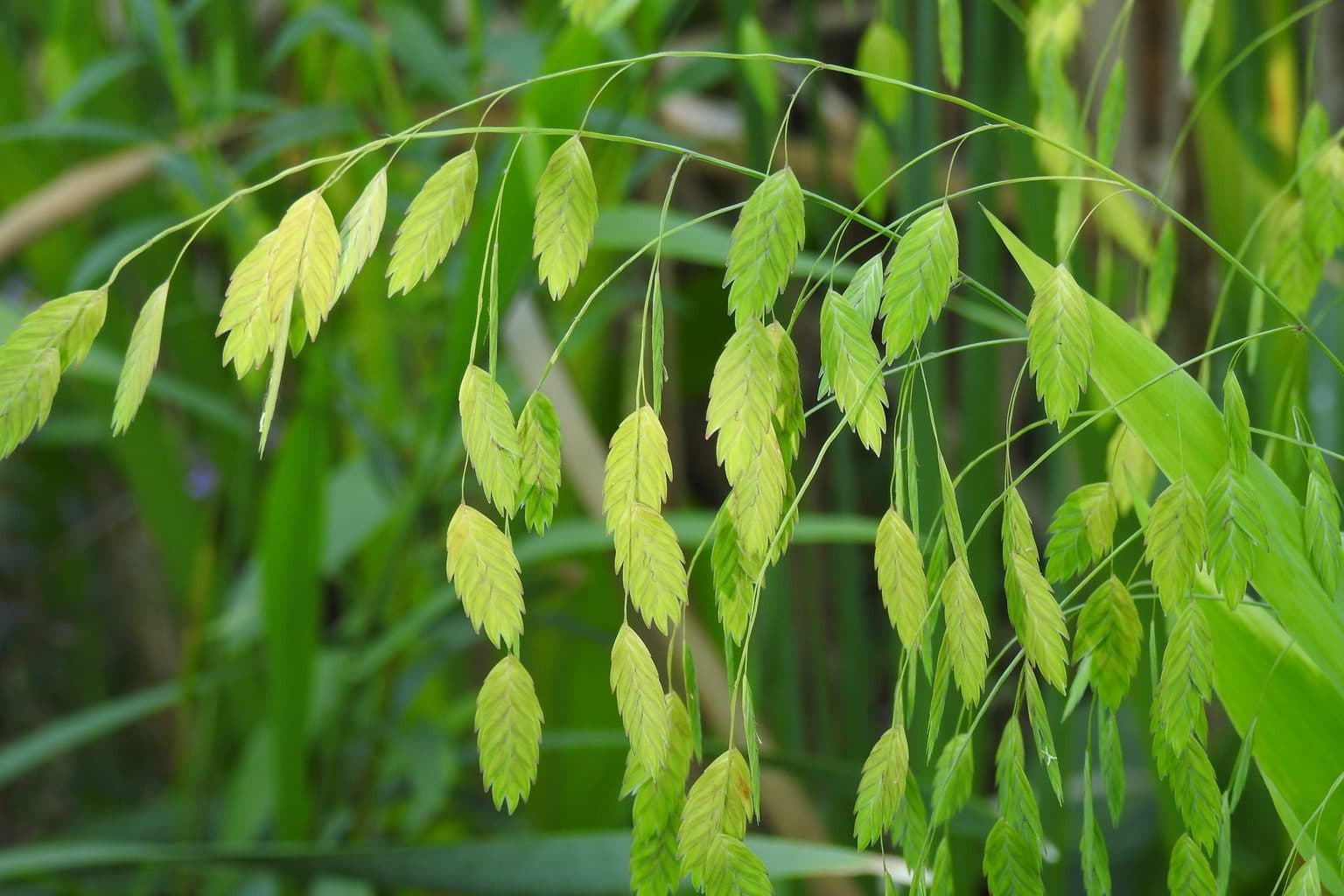
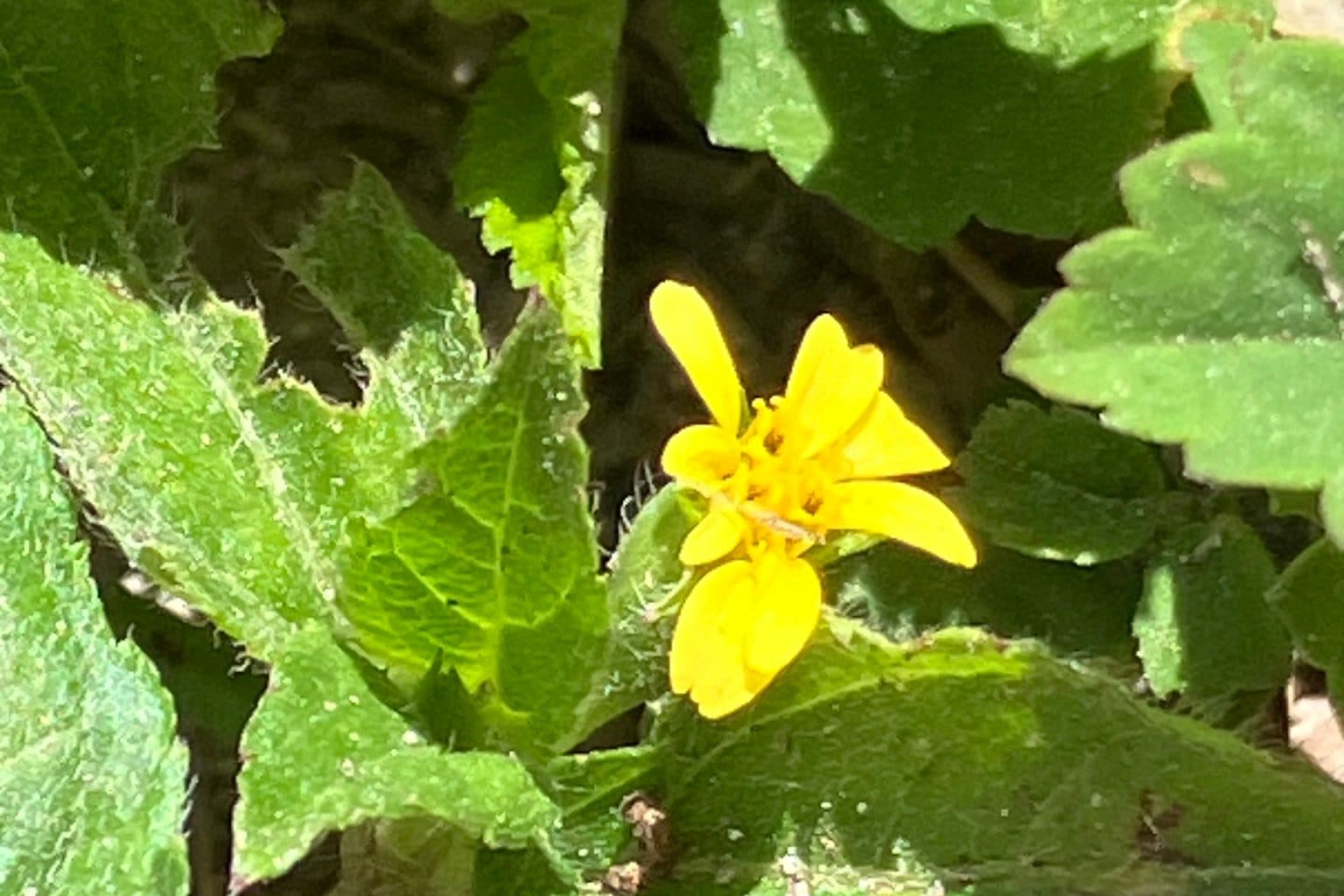
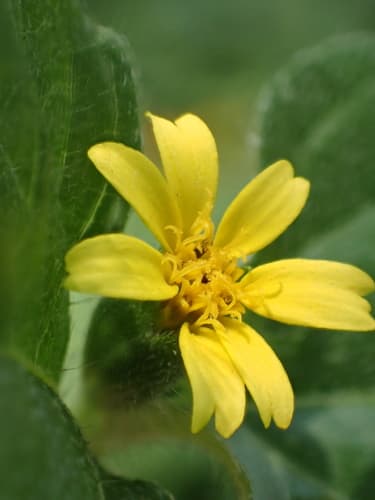
Horseherb (Calyptocarpus vialis) is a low native groundcover that handles shade to part sun, spreads softly, and produces small yellow blooms. It can work under trees, along side-yard paths, and in transition zones where turf struggles. It still reads tidy when you pair it with crisp bed edges. For another border-friendly native swap, see Liriope vs Inland Sea Oats.
Is Horseherb toxic to dogs?
No toxicity has been documented for Horseherb. The NC State Extension Gardener Plant Toolbox (opens in new tab) lists no poison severity for Calyptocarpus vialis and records the leaves as edible and safe for animal consumption. One honest caveat on sourcing: Horseherb does not appear in the ASPCA toxic and non-toxic plant database (opens in new tab) at all, in either direction, because that list covers the plants pets most commonly encounter. Absence there is not a clearance on its own, which is why the extension record is the better source here.
Practically, this is a plant Central Texas dogs already walk, dig, and nap on daily, and it holds up to that traffic. If your dog eats a large amount of any plant and you see vomiting or lethargy, call the ASPCA Animal Poison Control Center at (888) 426-4435.
If you need a dog-safe, low-water ground layer, read pet-friendly ground cover Texas and compare options in your region. Many conversions can qualify for rebates.
Plan better ground cover
Pollinator Patch helps you select native groundcovers by shade, water needs, and pet safety.