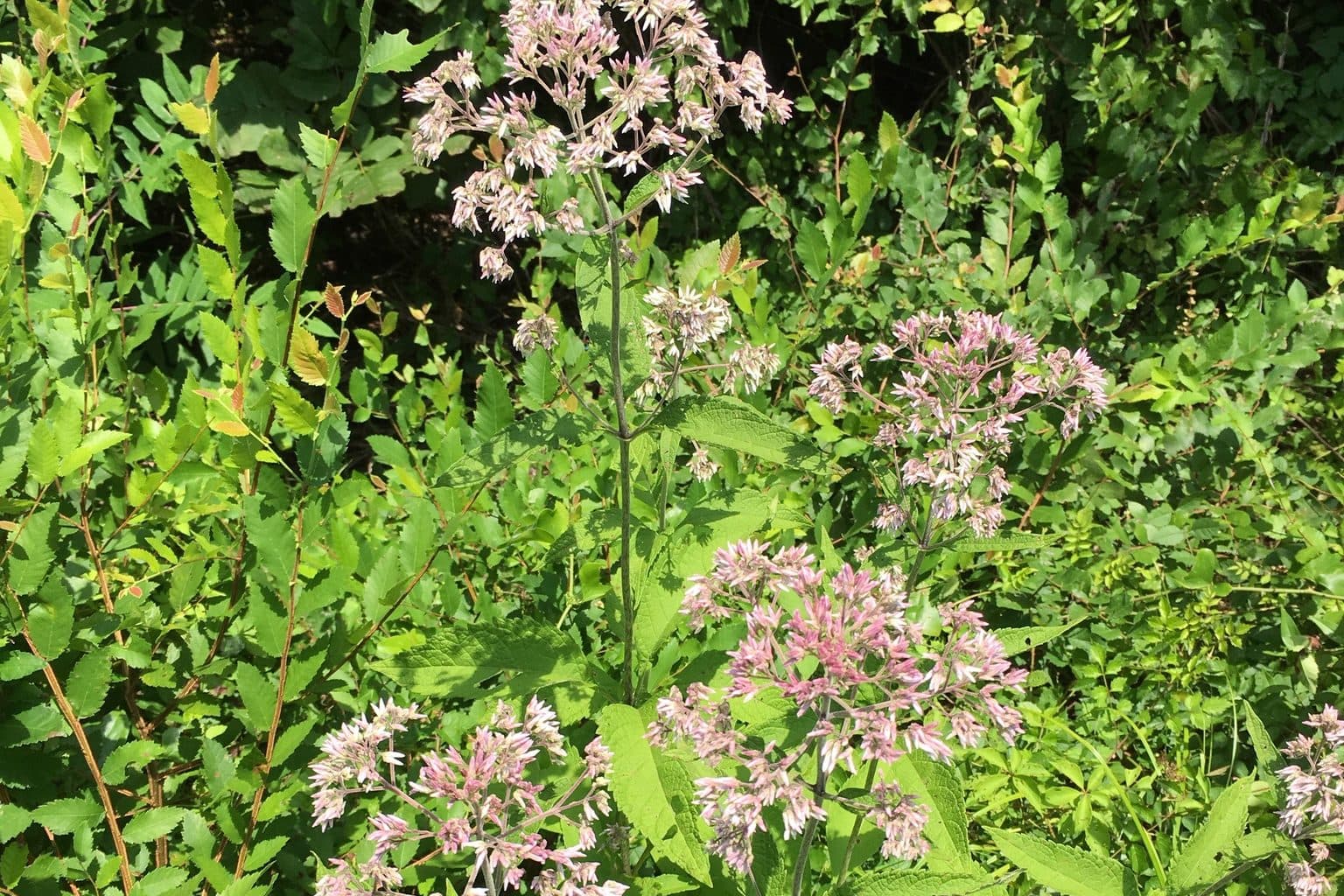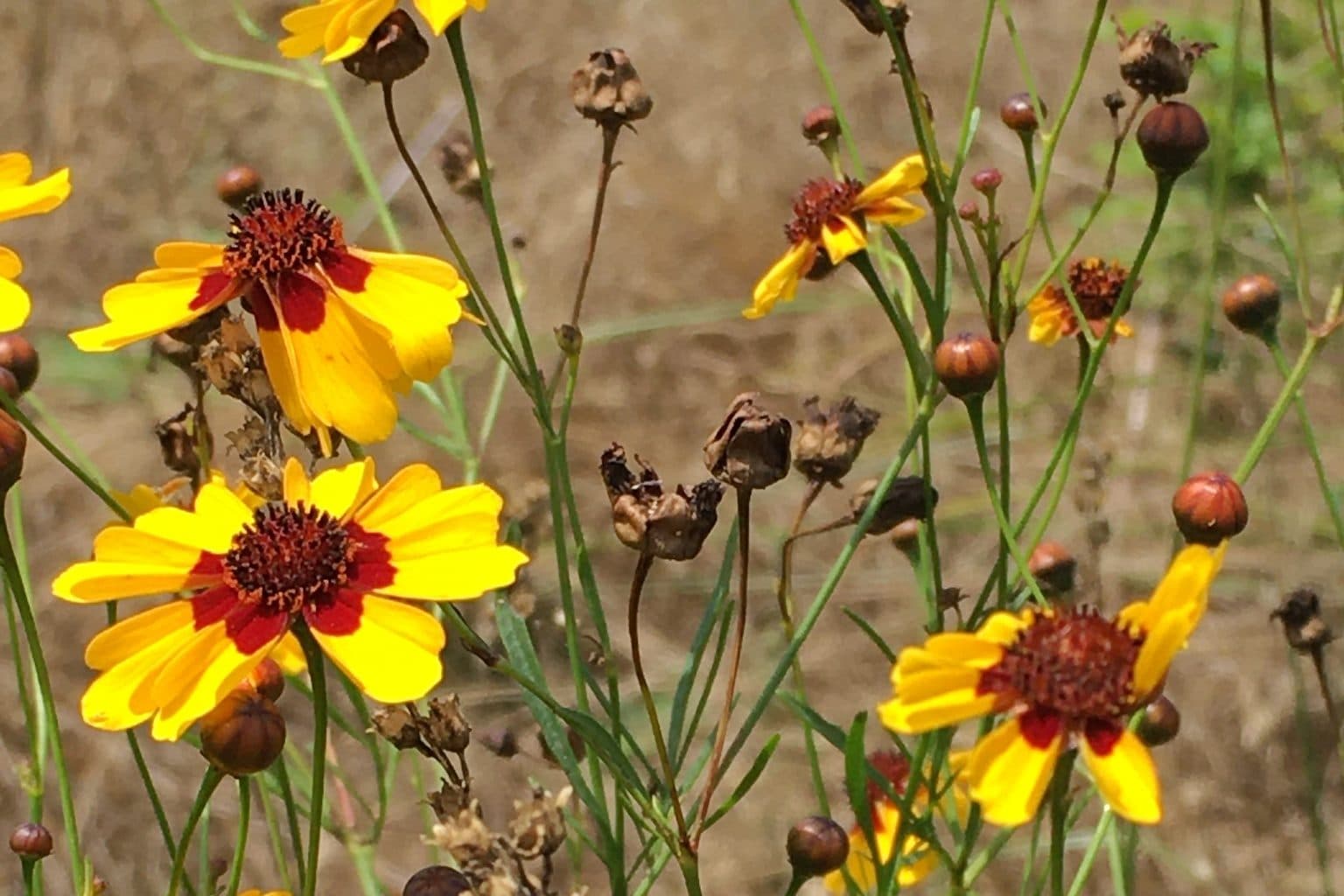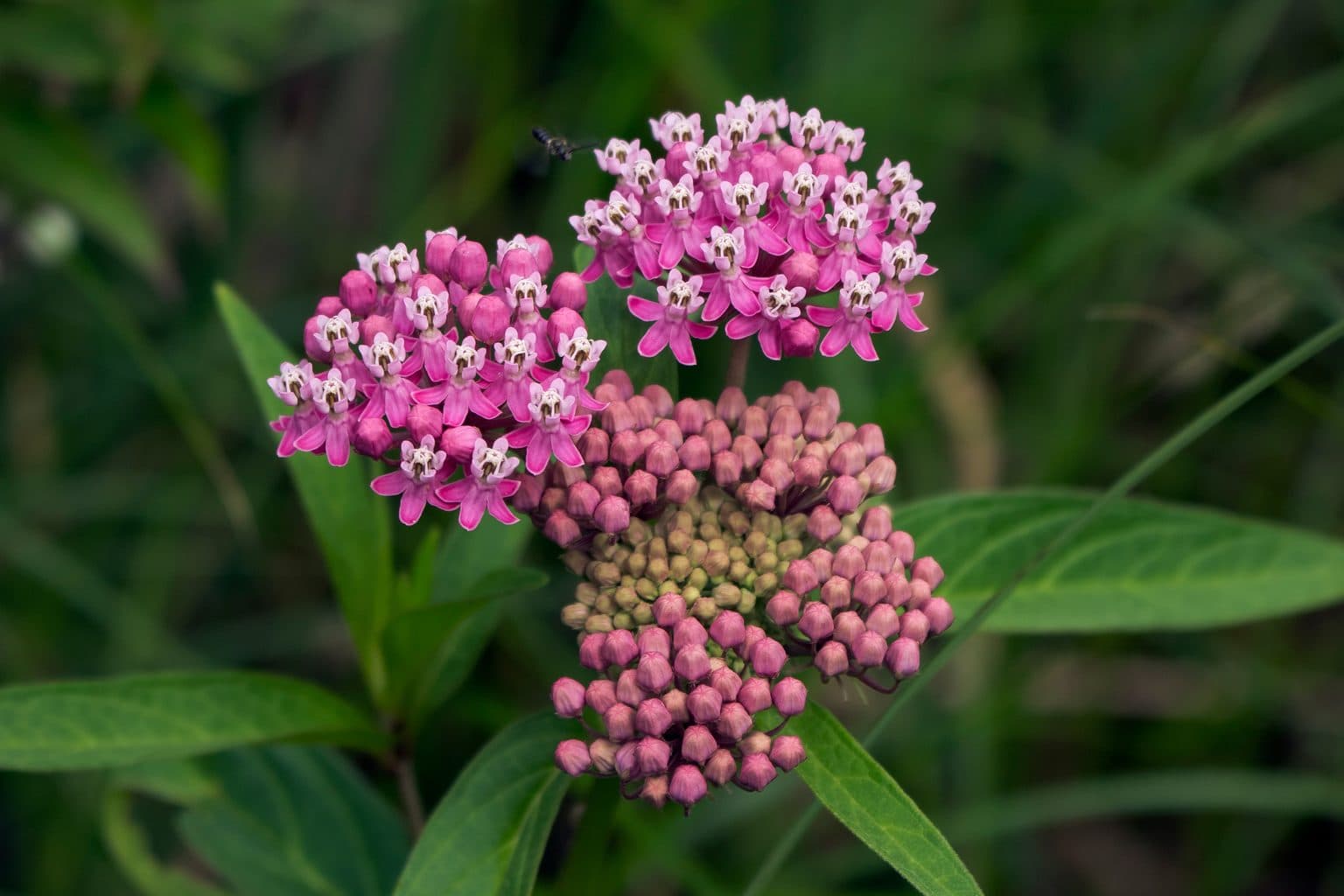
Quick answer: Milkweed is not a weed under Texas Property Code §202.007 (opens in new tab), which protects water-conserving native plants. Whether your HOA notices or cares depends almost entirely on species choice and how the plants are maintained. Low-growing native milkweed species, properly edged and cut back in fall, rarely draw a violation notice.
Milkweed is the only plant monarch caterpillars can eat. No milkweed, no monarchs. Many Texas homeowners understand this and want to plant it, but the HOA question stops them before they start. The answer is more specific than "yes" or "no." It depends on which milkweed you choose and what you do with it.
The Species Question Matters a Lot
There are several milkweed species native to Texas, and they behave very differently in a front yard context. Picking the right one is the first decision.
- •Antelope Horns (Asclepias asperula): low-growing, clumping form, stays under 18 inches. The flower clusters are pale green and white, not showy in the typical sense, but the plant reads as intentional from the street. Zones 6-9. This is the easiest milkweed to keep out of HOA trouble.
- •Green-flowered Milkweed (Asclepias viridis): taller than Antelope Horns, reaching 2-3 feet, but it grows in a defined clump. Works well in a mixed border where it is surrounded by other plants rather than standing alone at the edge of a bed.
- •Tropical Milkweed (Asclepias curassavica): widely sold at nurseries, easy to find, not native to Texas. Do not plant it. Beyond the provenance issue, it does not die back in mild Texas winters, which disrupts monarch migration by creating year-round host plants that keep butterflies from completing their southern migration. The Xerces Society recommends removing it and replacing it with native species.
Monarch migration timing for Texas
Monarchs pass through Texas primarily in October during their southbound migration to Mexico. To support them, milkweed needs to be established and blooming before fall. Plant by May. Per Xerces Society data, Texas is one of the most critical corridors in the monarch's annual migration route.
What HOAs Actually Object To
Most HOA complaints about milkweed come down to three things: height, seed fluff, and an unmanaged appearance. Taller species like Butterfly Weed (Asclepias tuberosa) can reach 3-4 feet. Milkweed seed pods open in fall and release fluffy white fibers that drift into neighboring yards. And any milkweed that is not cut back or edged will eventually look scraggly.
None of those objections are unique to milkweed. They apply to any tall, late-season perennial. The HOA is responding to the maintenance cues, not the species identity. A milkweed plant that is deadheaded after blooming, edged properly, and cut back before seed heads fully open rarely reads as a problem plant from the street.
The Legal Foundation in Texas
Texas Property Code §202.007 prohibits HOAs from restricting "water-conserving natural landscaping or drought-resistant landscaping," and subsection (d-1) bars unreasonable aesthetic rejections of that landscaping. Milkweed species native to Texas fall within those protections.
An HOA rule that bans milkweed specifically, without a basis in maintenance standards that are applied consistently to other plants, is on uncertain legal ground under §202.007. That does not mean they will not try. It means you have a response available if they do.
Practical Front-Yard Strategy
A few placement and timing choices go a long way toward keeping milkweed off the HOA's radar.
- •Plant milkweed in the middle or back of a bed, not right at the sidewalk edge. Border plants in front of it read "intentional garden" rather than "overgrown yard."
- •Pair it with lower-growing companions that define the bed. Black-eyed Susan, Gregg's Mistflower, and Zexmenia all work at similar water requirements and bloom times.
- •Cut back to about 12 inches in early November, before seed heads fully open. This handles the fluffy-seed problem before it spreads and before the plant looks winter-ragged.
- •Keep the bed edged. Clean edges are the single biggest signal to an HOA board (and to neighbors) that a planting is intentional.
If your HOA requires pre-approval for plantings, submit the request in writing before you plant. Include a mature plant photo. Antelope Horns in particular photographs well because it looks tidy and low. That is a much easier conversation than trying to reverse a violation notice after the fact.
For more on building a full native garden that attracts monarchs and other pollinators, see our post on attracting monarchs with a native garden.
Plan your yard with Pollinator Patch
Get a milkweed-inclusive plant list matched to your Texas zip code, with photos and placement guidance for HOA-conscious front yards.
Open the app